Earth Day comes around once a year, but investors can put their money to work to combat climate change year-round.
As more individuals come to terms with the existential threat of climate change, sustainable investing is no longer niche. It's gone mainstream, and it's a growing force in the capital markets.
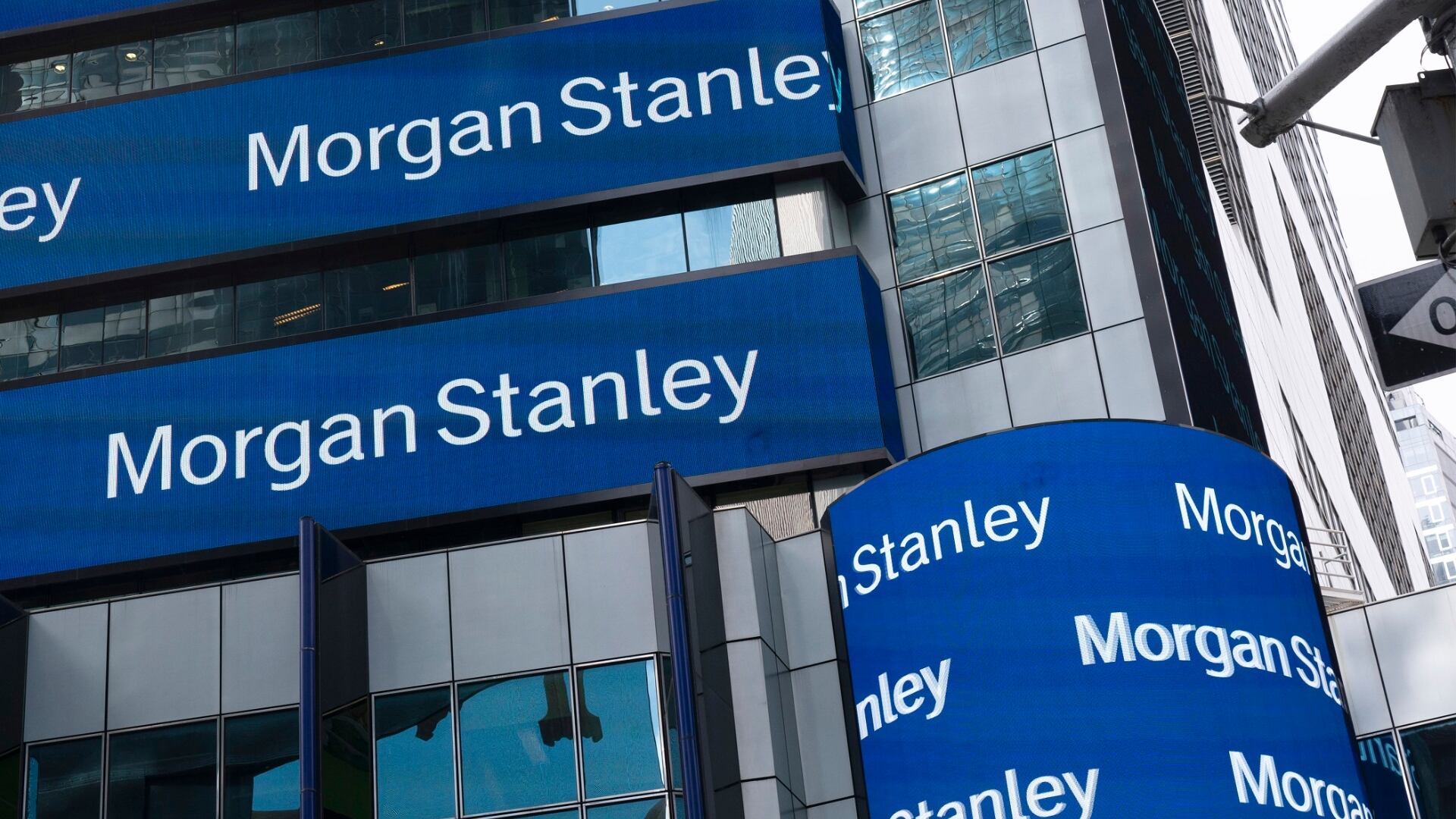
An often cited 2019 survey from Morgan Stanley found that 85 percent of investors with at least $100,000 in investable assets were interested in sustainable investing.
Some 48 percent of investors with $10,000 or more invested said they were "very or somewhat" interested in sustainable investment funds, according to a 2022 Gallup poll. But only 25 percent said they'd heard "a lot or fair amount" about it, and only 10 percent said they were currently invested in sustainable funds.
Not only is familiarity with sustainable investing low, concepts like ESG can be confusing. ESG refers to "environmental, social, and governance." It's a set of standards used to evaluate companies through a social lens, but a study from Stanford University found ESG ratings can be unreliable because there isn't a standardized criteria for evaluation, information gathering is expensive, and data can be incomplete or unreliable.
Peter Krull, a partner and director of sustainable investing at Prime Capital Investment Advisors company Earth Equity Advisors, echoed those concerns.
"An ESG portfolio that reduces its exposure to ExxonMobil is less bad. One that eliminates it entirely is better. But one that replaces it with First Solar is actually sustainable," Krull told Cheddar News.
Krull recommended sustainable investors eliminate fossil fuel companies or funds that contain them from their portfolios altogether, but other sectors aren't so cut and dried. Mining operations, for example, can mine fossil fuels, but they can also mine minerals for electric vehicle batteries. As for what goes into a green portfolio, Krull recommended alternative energy companies that focus on solar, wind, and geothermal power, as well as less obvious choices like insurance companies that consider climate risk and biotech that improves health outcomes.
"I like to call traditional index investing rearview mirror investing because it's really about investing in where we've been or where the economy has been. Whereas sustainable investing is where the economy is going," Krull said.
Being a smart and sustainable investor can require a great deal of critical thinking and research, and Krull recommended tools like Fossil Free Funds and Invest Your Values to help sort through the noise.
Ultimately, investing is about generating a return. When it comes to sustainable investing, Krull also suggested that investors think long term.
"Because sustainable investing is about investing for the future, [investments are] not always going to be up, especially when value investing is in style," he said. "Over the long term, it should play out. But in short terms, just like we're dealing with right now over the last 12 to 18 months, that value has been in style, you probably will underperform a little bit."
The list of banks reducing or cutting overdraft fees has just grown. Both Bank of America and Wells Fargo have announced plans to end non-sufficient funds and overdraft fees. It's a move that economists are calling 'brilliant,' and is sure to hike up the pressure on large national and regional banks to follow in their footsteps. Greg McBride, the chief financial analyst at Bankrate, joins Cheddar News to discuss.
In fashion, the term "nude" is a common description of a shade slightly darker than champagne with a hint of blush or peach, but how does that translate to the wearer's skin tone? One shapewear brand's mission is to make sure "nude" is as inclusive as possible. Erin Carpenter, founder of Nude Barre, joined All Hands to discuss.
Tech giants Meta, Amazon, Alphabet, and Apple are faced with a bipartisan antitrust legislation effort underway in the Senate Judiciary Committee. The companies stand accused of promoting their own goods and services over smaller competitors on their platforms, holding too much monopolistic power via their app stores and services. Adam Kovacevich, founder and CEO of Chamber of Progress, a technology industry trade group, joined Cheddar to argue that the bills that are being debated currently could end up hurting consumers, rather than helping.
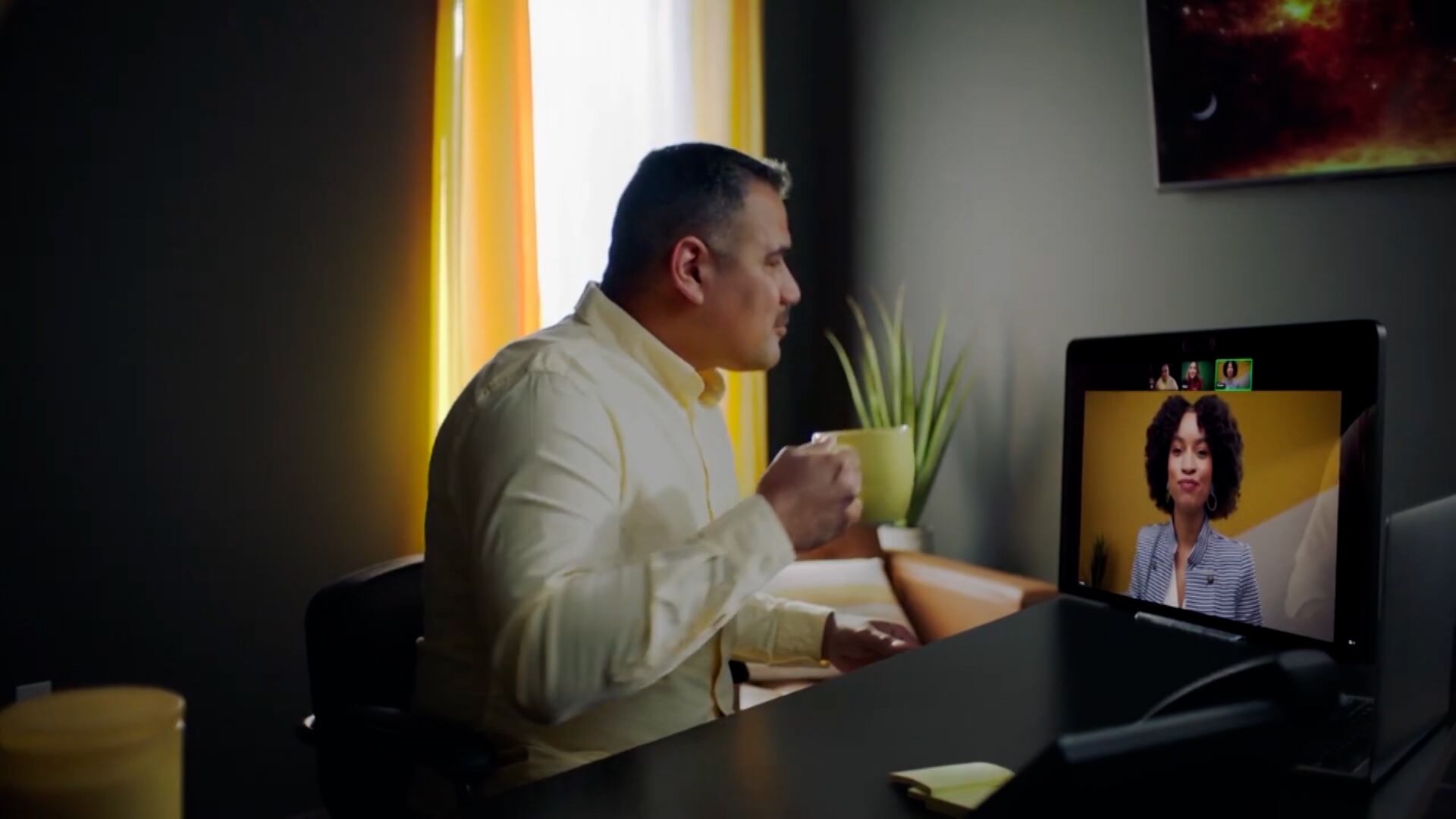
A saving grace for offices during pandemic lockdowns, video communication platform Zoom announced its own plans for doors to reopen from its Work Transformation Summit 2022. Dubbed Workstyles, CFO Kelly Steckelberg joined Cheddar to discuss the self-reported, tiered levels for how employees will be reporting going forward, from the majority of workers going hybrid to personnel who will work fully from home or the office where it makes sense. Steckelberg also talked about the company's plans for the future, stating “what we can control is our own execution," as Zoom's stock hit a 52-week low.
Sebastien Lagree, creator and founder of Lagree Fitness, joins Cheddar News to talk about the growth of Lagree Fitness and industry trends to watch in 2022.
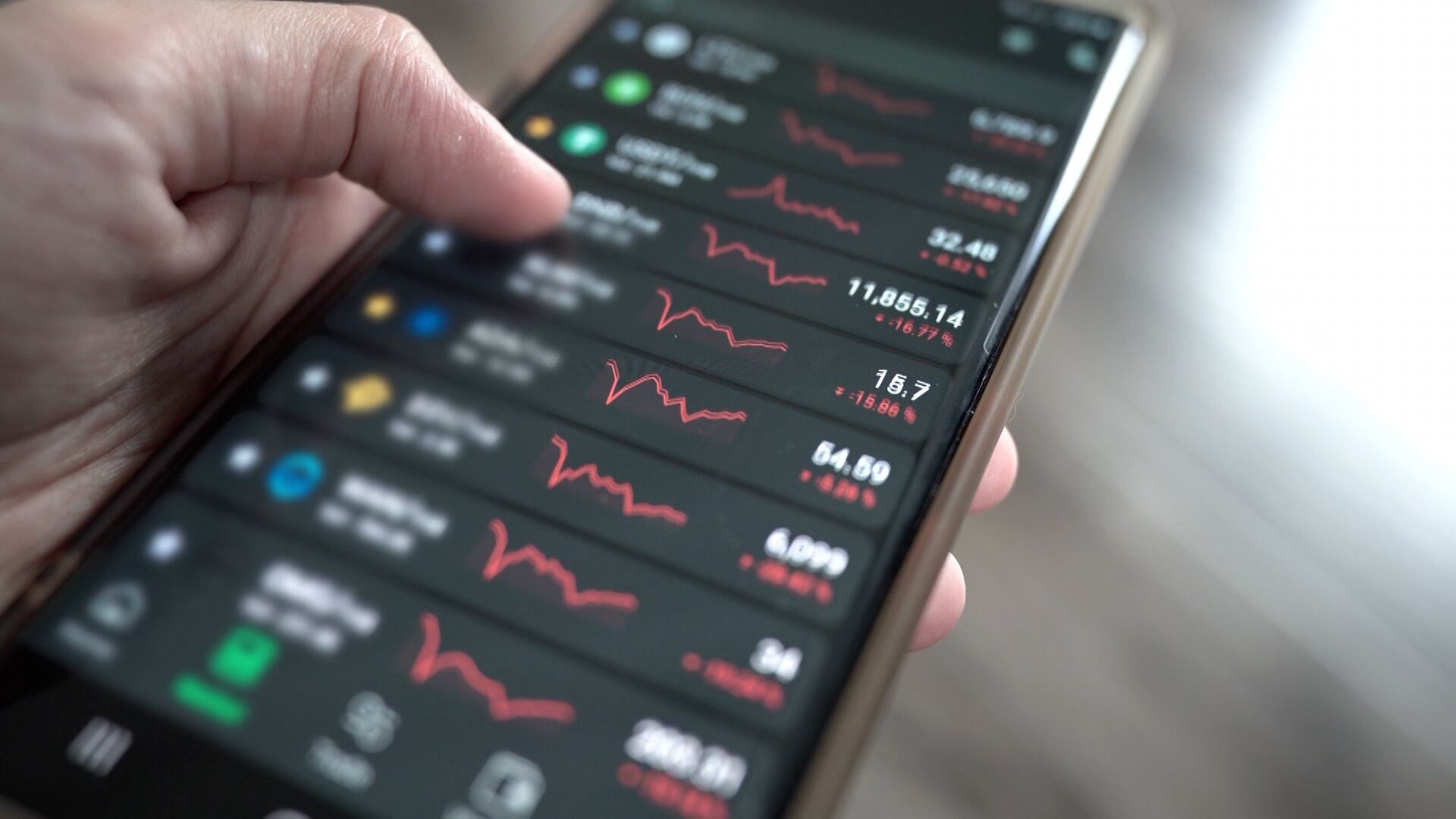
Nikhilesh De, managing editor of global regulation and policy at CoinDesk, joins Cheddar News to discuss Bitcoin's slump and corporations' growing interest in NFTs.
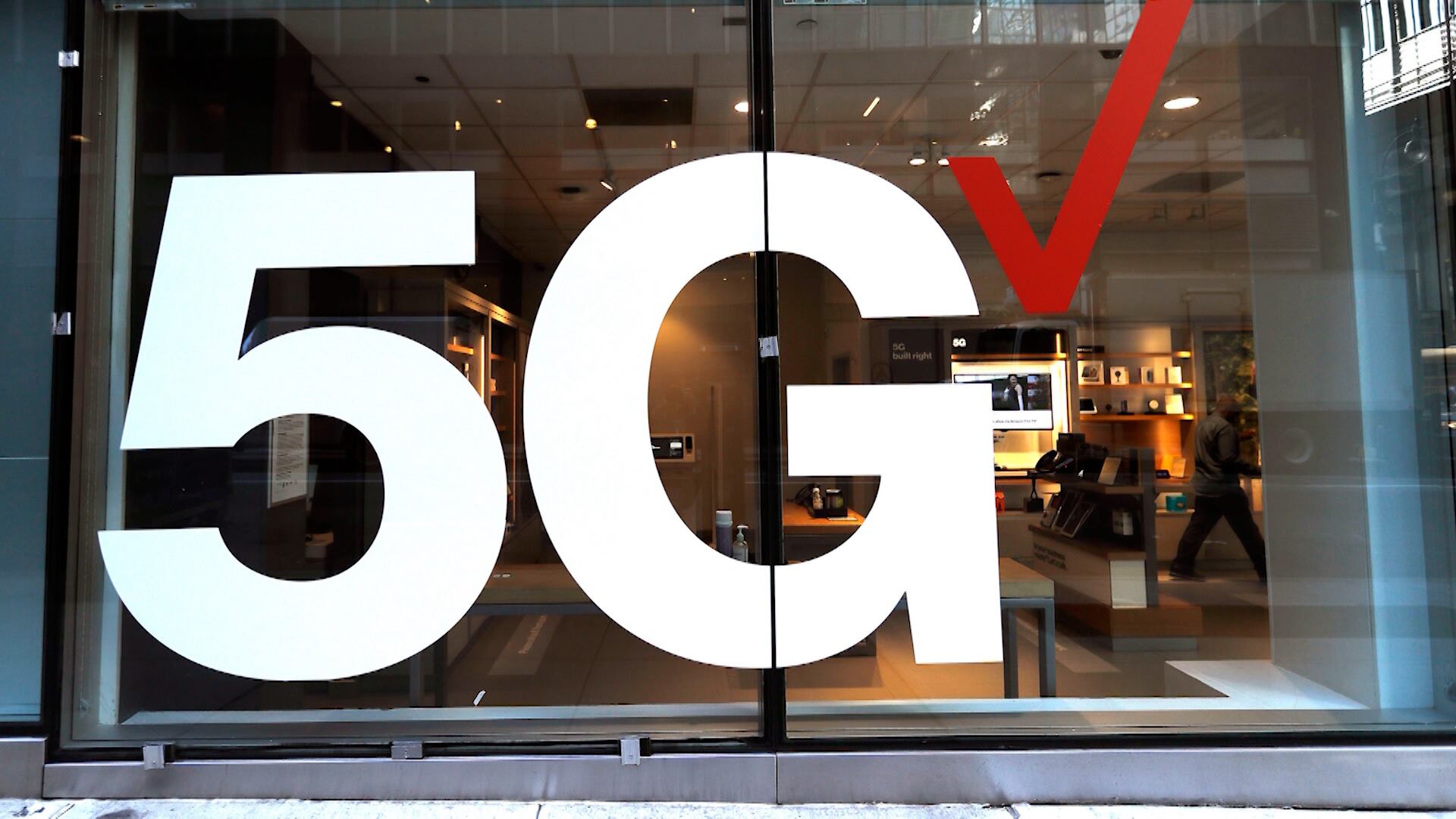
Airlines around the world cancel or change flights ahead of Verizon and AT&T's 5G rollout. The two wireless companies agreed to temporarily delay the launch of the new service near some key airports, after airlines warned the 5G signals could interfere with certain aviation equipment. Jonathan Adelstein, president and CEO of the Wireless Infrastructure Association, joined Cheddar News to discuss.
Thrive Market is a health-first membership for conscious living, with a mission to make healthy and sustainable living easy and accessible. Nick Green, CEO and co-founder, chatted with Cheddar's Baker Machado about the company's approach and new ventures in 2022. "I grew up outside of Minneapolis, middle class, middle America, and really saw firsthand how hard my mom had to work to put healthy food on the table, on a budget, without a health food store nearby," he said. "Twenty-some years later we looked around and just thought it was crazy that millions of Americans are still struggling with the same thing, and we decided to change it." Recently the brand released a line of organic frozen products and will be introducing new beauty and home brands.
Morgan Stanley reported a beat on its Q4 with $2.01 per share versus an estimated $1.91. The investment banking company's earnings were up about 9.2 percent from the year before.