Earth Day comes around once a year, but investors can put their money to work to combat climate change year-round.
As more individuals come to terms with the existential threat of climate change, sustainable investing is no longer niche. It's gone mainstream, and it's a growing force in the capital markets.
An often cited 2019 survey from Morgan Stanley found that 85 percent of investors with at least $100,000 in investable assets were interested in sustainable investing.
Some 48 percent of investors with $10,000 or more invested said they were "very or somewhat" interested in sustainable investment funds, according to a 2022 Gallup poll. But only 25 percent said they'd heard "a lot or fair amount" about it, and only 10 percent said they were currently invested in sustainable funds.
Not only is familiarity with sustainable investing low, concepts like ESG can be confusing. ESG refers to "environmental, social, and governance." It's a set of standards used to evaluate companies through a social lens, but a study from Stanford University found ESG ratings can be unreliable because there isn't a standardized criteria for evaluation, information gathering is expensive, and data can be incomplete or unreliable.
Peter Krull, a partner and director of sustainable investing at Prime Capital Investment Advisors company Earth Equity Advisors, echoed those concerns.
"An ESG portfolio that reduces its exposure to ExxonMobil is less bad. One that eliminates it entirely is better. But one that replaces it with First Solar is actually sustainable," Krull told Cheddar News.
Krull recommended sustainable investors eliminate fossil fuel companies or funds that contain them from their portfolios altogether, but other sectors aren't so cut and dried. Mining operations, for example, can mine fossil fuels, but they can also mine minerals for electric vehicle batteries. As for what goes into a green portfolio, Krull recommended alternative energy companies that focus on solar, wind, and geothermal power, as well as less obvious choices like insurance companies that consider climate risk and biotech that improves health outcomes.
"I like to call traditional index investing rearview mirror investing because it's really about investing in where we've been or where the economy has been. Whereas sustainable investing is where the economy is going," Krull said.
Being a smart and sustainable investor can require a great deal of critical thinking and research, and Krull recommended tools like Fossil Free Funds and Invest Your Values to help sort through the noise.
Ultimately, investing is about generating a return. When it comes to sustainable investing, Krull also suggested that investors think long term.
"Because sustainable investing is about investing for the future, [investments are] not always going to be up, especially when value investing is in style," he said. "Over the long term, it should play out. But in short terms, just like we're dealing with right now over the last 12 to 18 months, that value has been in style, you probably will underperform a little bit."
A Senate bill unveiled on Wednesday looks to tackleonline safety for children by regulating Big Tech and social media platforms to deter users from content that can harm their mental health. Irene Ly, a policy counsel for the age-based ratings and review organization Common Sense Media, joined Cheddar News to break down the potential of the Kids Online Safety Act. "We can't be imposing such a big burden on parents to be doing it all on theirselves," Ly said. "I think you also have to keep in mind that parents often didn't grow up with social media, so they don't understand what it's like to be addicted to social media or really understand how they work."
While many still remain skeptical about the metaverse, big tech firms and even one big bank are ready to expand their virtual worlds. Facebook parent company has pivoted so hard it will now call its employees 'Metamates,' and even JPMorgan Chase has created its own digital lounge on one virtual platform. While the sector remains young, there seems to be significant investment opportunity, especially with companies like Nvidia. Adam Johnson, a portfolio strategist at Adviser Investments, joins Closing Bell to discuss which companies could win in this space, consumer appetite, and more.
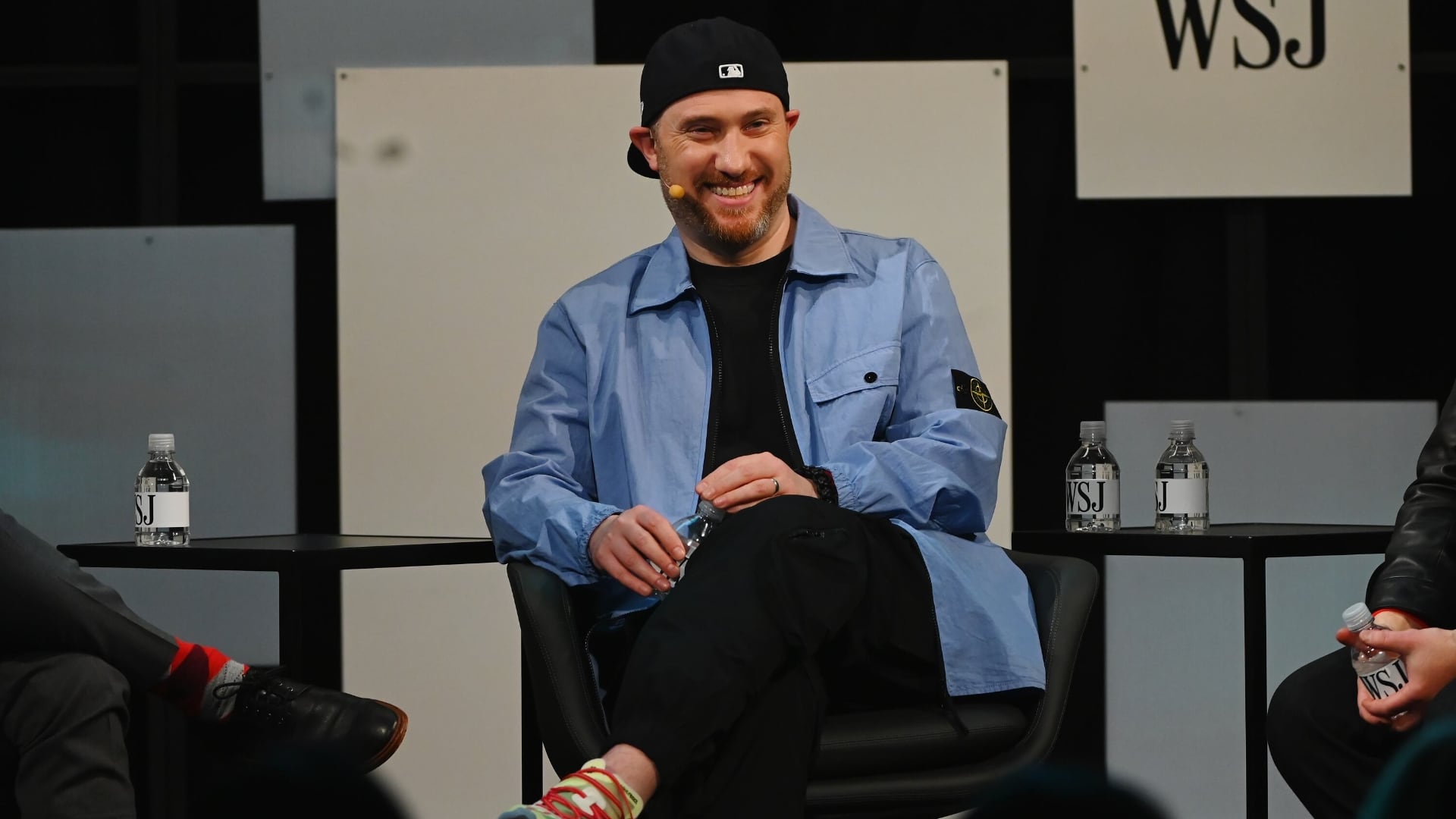
Marc Blinder, Co-Founder and CEO of Aikon, joins Cheddar News' Closing Bell, where he discusses how his company is helping businesses use blockchain applications without needing to learn the intricacies of the new technology.
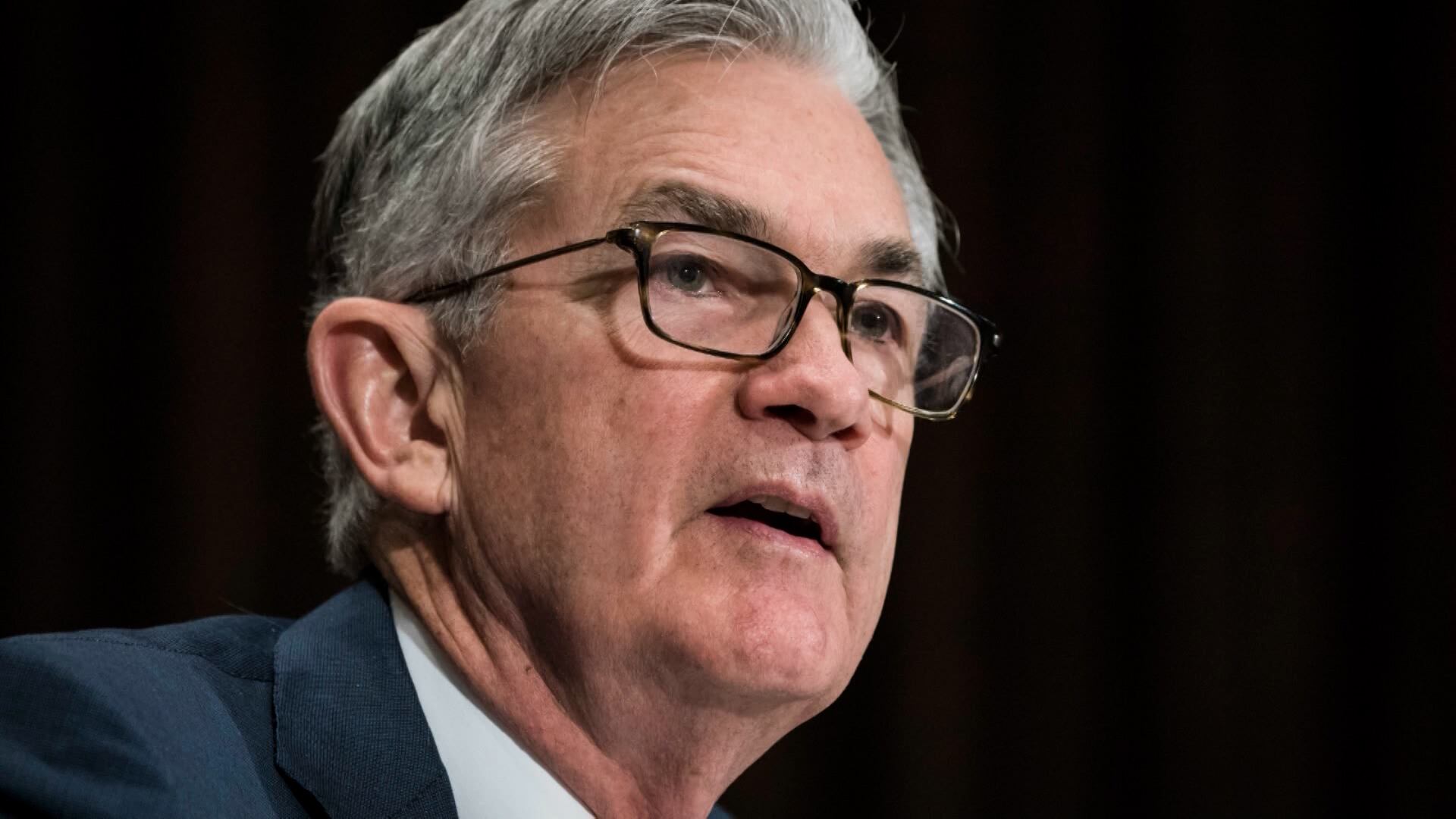
The Federal Reserve minutes from its January meeting are indicating it's sticking to an interest rate hike in March, but what does the report coupled with ongoing inflation mean for investors going forward? Scott Brown, a market strategist at LPL Financial, joined Cheddar News to break down the minutes and talk about how investors might navigate the rest of the year. "it seems like the market is kind of inclined to trade off these headlines, really, through the first half of the year," he said. "And then, oh, don't forget, we've got midterm elections, which always tend to add a little bit of volatility in the second half of the year." Brown noted that the path forward for stock investors in 2022 would be "rockier" than last year.
Season 13 "Shark Tank" contestant Tania Speaks secured a $400,000 deal for her Speaks Organic Skincare brand with "Shark" Mark Cuban while also being named one of the best pitches in the history of the show — all at 19 years old. Now 20, Speaks joined Cheddar News to talk about the skincare line, the clean beauty industry, and the moment that host Cuban was moved by her pitch. "I couldn't believe that he got emotional. I'm surprised I held back my tears that long," the young entrepreneur revealed. "It's just amazing for someone else to be inspired by your story, especially Mark Cuban himself."
The media giant formerly known as ViacomCBS has officially rebranded itself as Paramount Global with a focus on its streaming service, Paramount Plus. Naveen Chopra, chief financial officer at Paramount, joined Cheddar to discuss the company’s name change and streaming wars. "There are components of content licensing that we continue to do, either historical arrangements or opportunities to license content that don't really impinge on what we're trying to do with our owned and operated services and that continues to be an important ingredient in our broader financial model," he said. "But our number one priority is putting our best assets on Paramount Plus." Chopra also discussed theatrical release windows before feature films hit its service and the platform's subscription goals.
The recent 7.5% year-over-year increase in consumer prices is the highest since 1982, and drew some strong reactions from investors, with speculations that the Federal Reserve will hike interest rates by 50 points instead of 25. But other analysts believe that the Fed will stick with its original plan of 25 points next month. Chris Vecchio, Senior Analyst, at DailyFX broke down how the Fed could potentially react to the historically high inflation data.