By Jessica Gresko
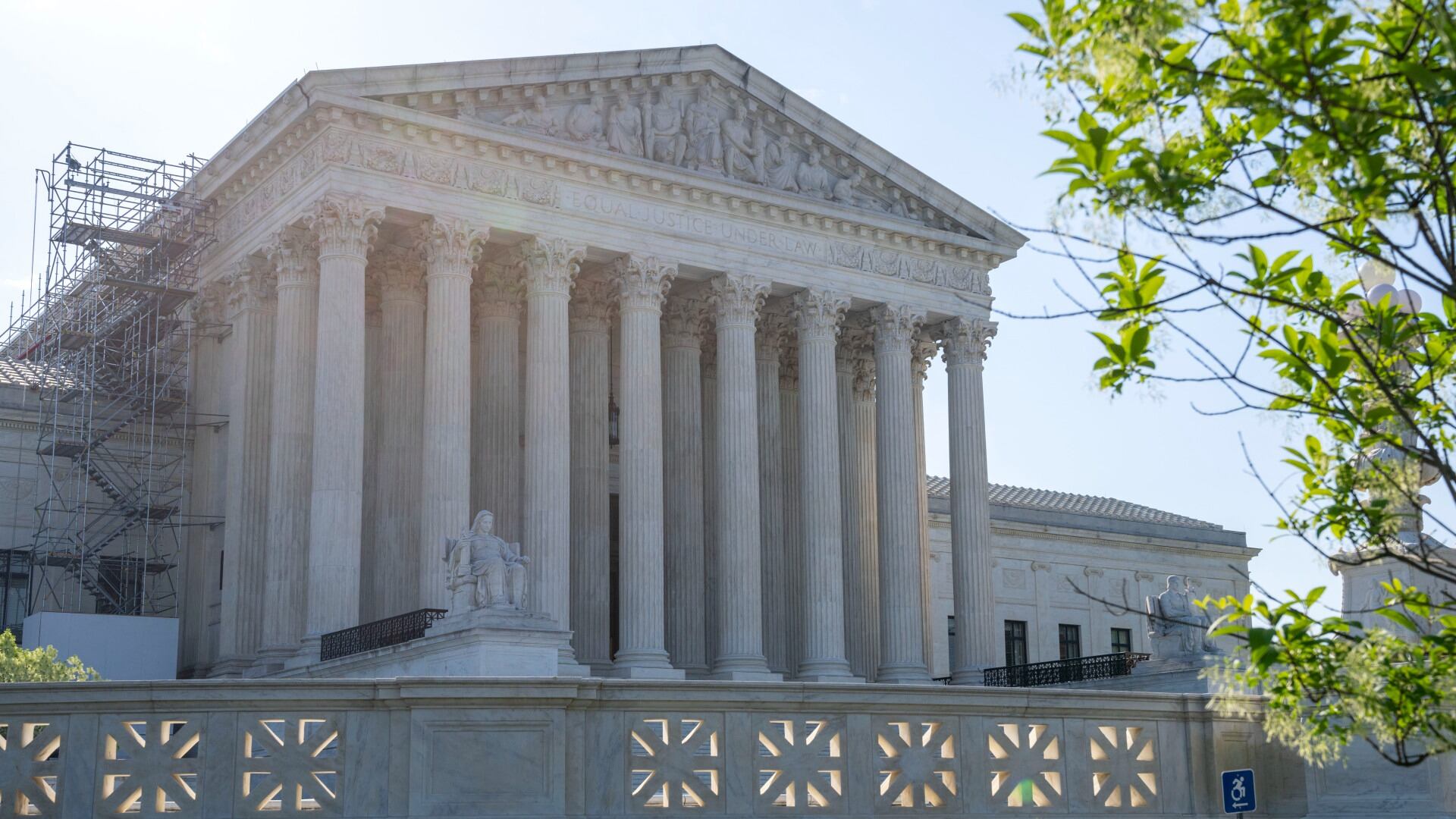
The Supreme Court said Monday it won't review North Carolina's decision to stop issuing specialty license plates with the Confederate flag.
As is typical, the court did not comment in declining to hear the case, which challenged the state's decision. The dispute was one of many the court said Monday it would not hear. It was similar to a case originating in Texas that the court heard in 2015, when it ruled the license plates are state property.
The current dispute stems from North Carolina's 2021 decision to stop issuing specialty license plates bearing the insignia of the North Carolina chapter of the Sons of Confederate Veterans. The chapter sued, claiming that the state's decision violated state and federal law. A lower court dismissed the case, and a federal appeals court agreed with that decision.
North Carolina offers three standard license plates and more than 200 specialty plates. Civic clubs including the Sons of Confederate Veterans can create specialty plates by meeting specific requirements.
In 2021, however, the state Department of Transportation sent the group a letter saying it would "no longer issue or renew specialty license plates bearing the Confederate battle flag or any variation of that flag" because the plates "have the potential to offend those who view them."
The state said it would consider alternate artwork for the plates' design if it does not contain the Confederate flag.
The organization unsuccessfully argued that the state's decision violated its free speech rights under the Constitution's First Amendment and state law governing specialty license plates.
In 2015, the Sons of Confederate Veterans’ Texas chapter claimed Texas was wrong not to issue a specialty license plate with the group's insignia. But the Supreme Court ruled 5-4 that Texas could limit the content of license plates because they are state property.
If you’re looking to make a move in 2019, you could do worse than some of the cities below. Each one is using technology ー IoT, machine learning, data analysis, autonomy, A.I. ー to remake the way its citizens interact with their surroundings. But a smart city is more than just innovative technology, as Mike Barlow and Cornelia Levy-Bencheton, authors of "Smart Cities, Smart Future," told Cheddar. It's about improving lives in concrete, everyday ways.
These are the headlines you Need 2 Know for Tuesday, Dec. 18, 2018.
As 2020 approaches, one question is dominating the Democratic Party: Who can defeat President Trump? According to Jeff Weaver, the campaign manager of Bernie Sanders' 2016 bid for the White House, Americans want someone new. And that "new" voice is still his old boss.
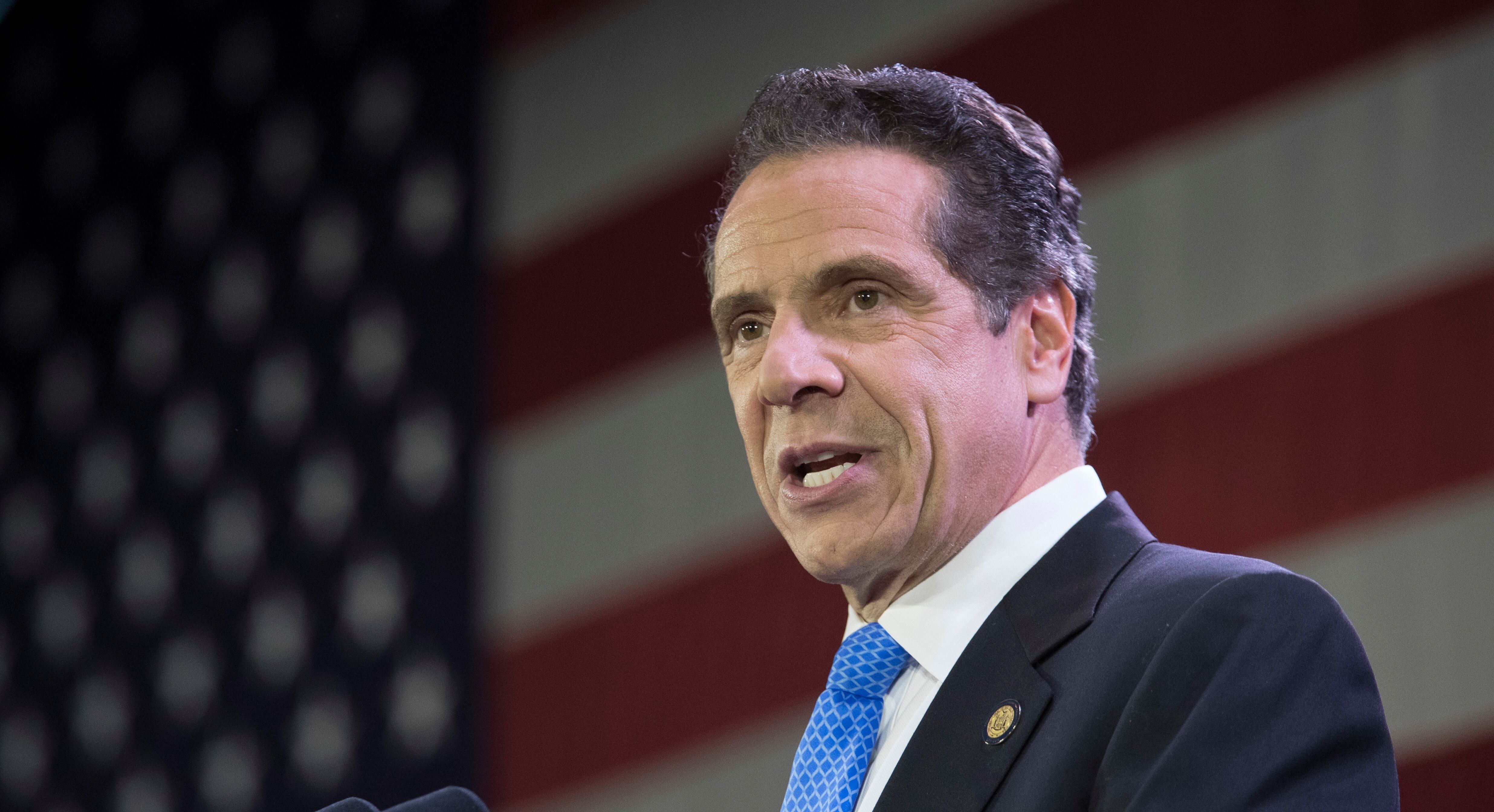
Not only has New York Gov. Andrew Cuomo reversed his stance on marijuana, but he's also expediting his timeline for legalization. According to Joseph Spector, the Albany bureau chief for USA Today, the Cuomo committed to an accelerated schedule on Monday when he charted the agenda for his first 100 days in office.
These are the headlines you Need 2 Know for Monday, Dec. 17, 2018.
Federal prosecutors are investigating whether foreigners illegally funneled money to President Trump's inaugural committee to buy influence over American policy. Bomb threats emailed to multiple locations across the country deemed non-credible by the FBI. For the first time ever, the number of streaming shows has surpassed the number of basic cable and broadcast shows. From now until December 31st, users of the dating app Hinge can get a buy-one, get-one free meal at Chipotle to enjoy with their date.
From Wall Street to Silicon Valley, these are the top stories that moved markets and had investors, business leaders, and entrepreneurs talking this week on Cheddar.
As Cheddar reflects on 2018, we are profiling the most innovative, flamboyant, and often-controversial entrepreneurs and corporate leaders who delivered the year's most memorable moments in business. Cheddar's Biggest Loser Award Goes to Mark Zuckerberg and Sheryl Sandberg.
These are the headlines you Need 2 Know for Friday, Dec. 14, 2018.
The arrest of Huawei CFO Meng Wanzhou was an "enforcement action, not a trade-related action," according to Commerce Secretary Wilbur Ross. Ross told Cheddar's Megan Pratz that the arrest of Meng in Vancouver was a response to her flouting of sanctions ー and not a retaliatory strike or warning shot against a major Chinese telecom corporation.