By Jessica Gresko
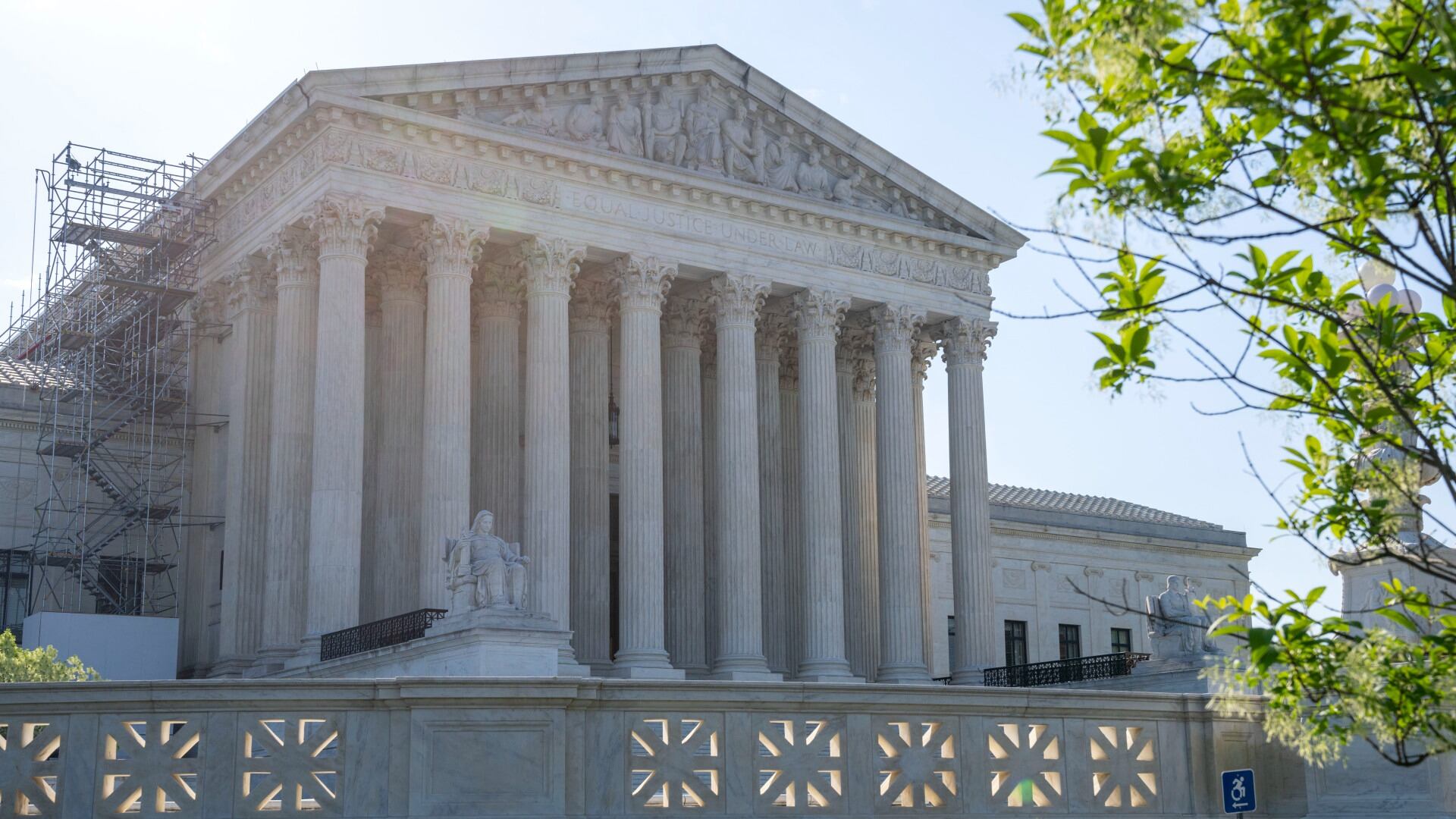
The Supreme Court said Monday it won't review North Carolina's decision to stop issuing specialty license plates with the Confederate flag.
As is typical, the court did not comment in declining to hear the case, which challenged the state's decision. The dispute was one of many the court said Monday it would not hear. It was similar to a case originating in Texas that the court heard in 2015, when it ruled the license plates are state property.
The current dispute stems from North Carolina's 2021 decision to stop issuing specialty license plates bearing the insignia of the North Carolina chapter of the Sons of Confederate Veterans. The chapter sued, claiming that the state's decision violated state and federal law. A lower court dismissed the case, and a federal appeals court agreed with that decision.
North Carolina offers three standard license plates and more than 200 specialty plates. Civic clubs including the Sons of Confederate Veterans can create specialty plates by meeting specific requirements.
In 2021, however, the state Department of Transportation sent the group a letter saying it would "no longer issue or renew specialty license plates bearing the Confederate battle flag or any variation of that flag" because the plates "have the potential to offend those who view them."
The state said it would consider alternate artwork for the plates' design if it does not contain the Confederate flag.
The organization unsuccessfully argued that the state's decision violated its free speech rights under the Constitution's First Amendment and state law governing specialty license plates.
In 2015, the Sons of Confederate Veterans’ Texas chapter claimed Texas was wrong not to issue a specialty license plate with the group's insignia. But the Supreme Court ruled 5-4 that Texas could limit the content of license plates because they are state property.
Lenore Hawkins, chief macro strategist for Tamatica Research, told Cheddar that the combination of the COVID-19 outbreak and the oil price war between Saudi Arabia and Russia is an unprecedented set of circumstances for investors.
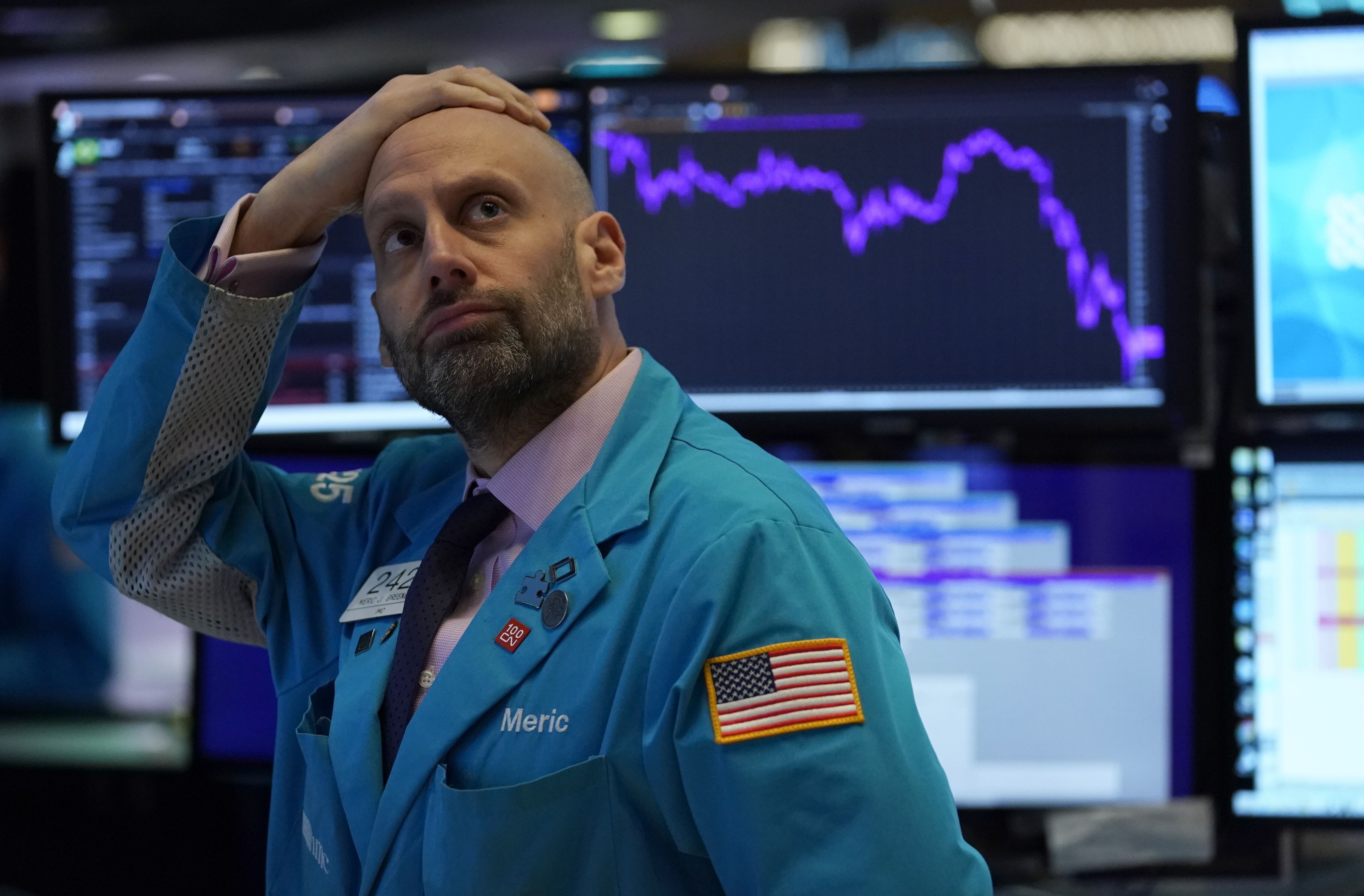
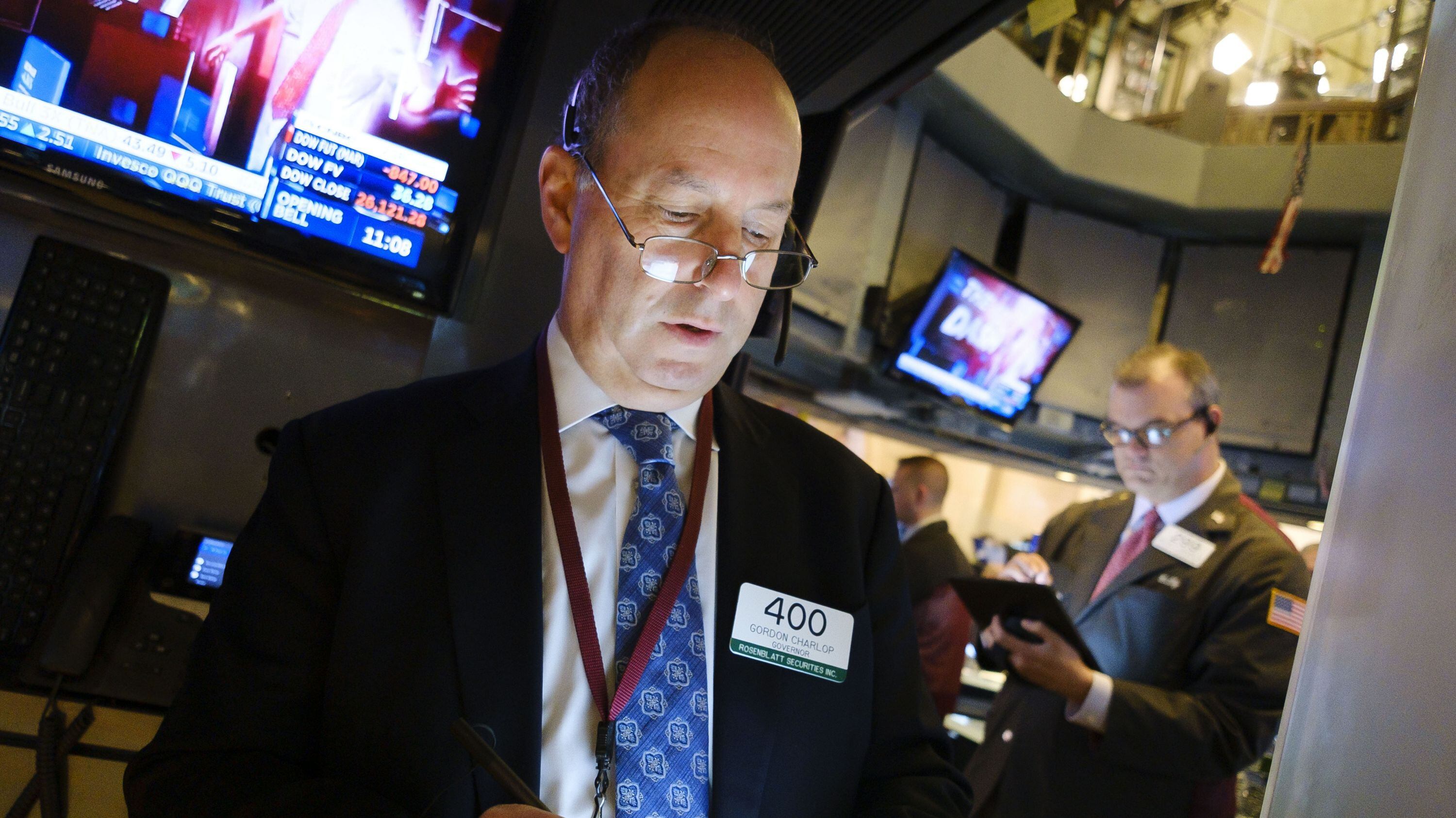
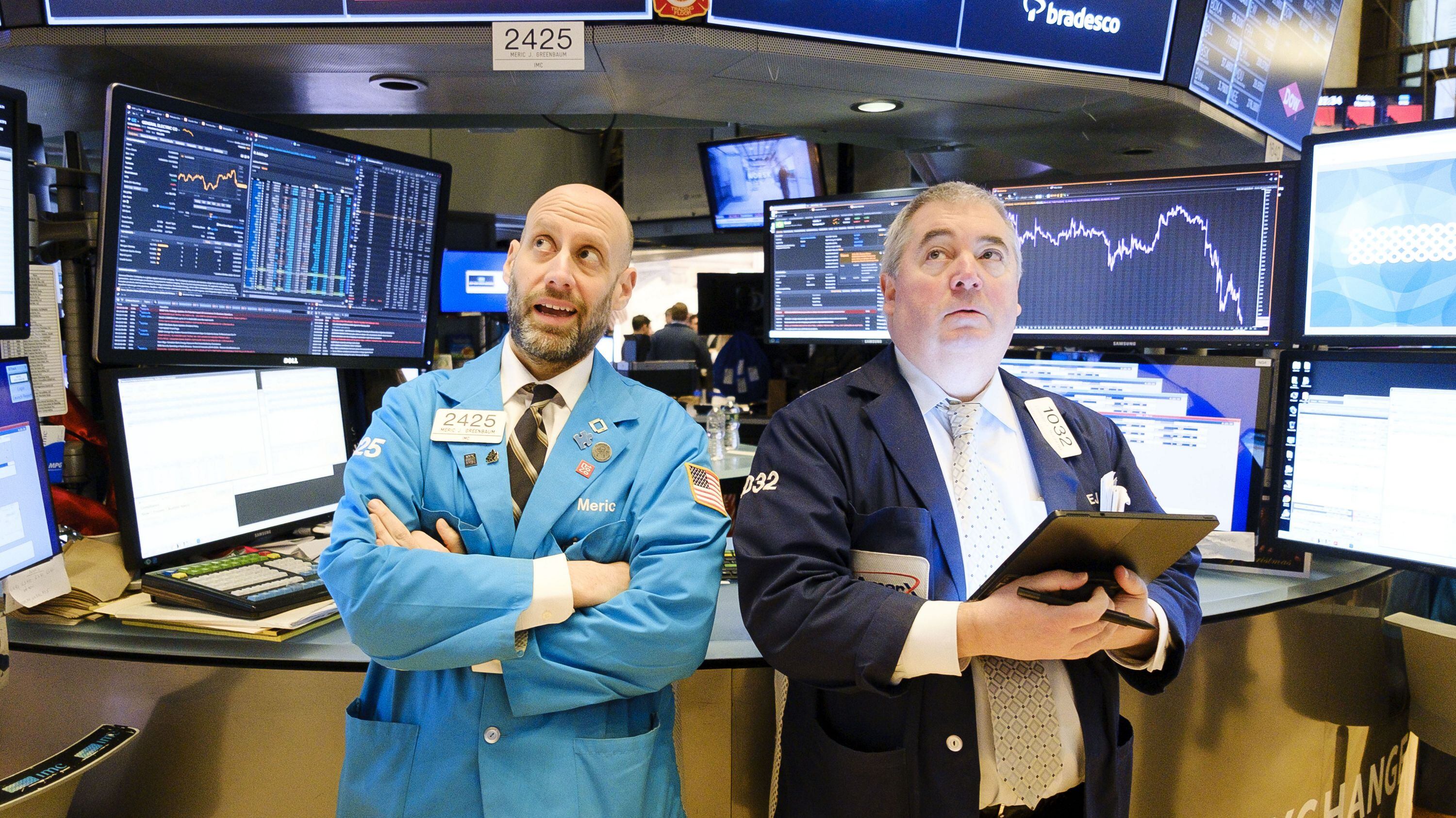
The Dow Jones Industrial Average plummeted 1,500 points, or 6%, following similar drops in Europe after a fight among major crude-producing countries jolted investors already on edge about the widening fallout from the outbreak of the new coronavirus.
From Wall Street to Silicon Valley, these are the top stories that moved markets and had investors, business leaders, and entrepreneurs talking this week on Cheddar.
Bond yields fell to more record lows as investors continue to demand safety and unload stocks. The yield on the 10-year Treasury note sank as low as 0.66% as investors worried that economic damage from the spreading virus outbreak will be worse than previously thought.
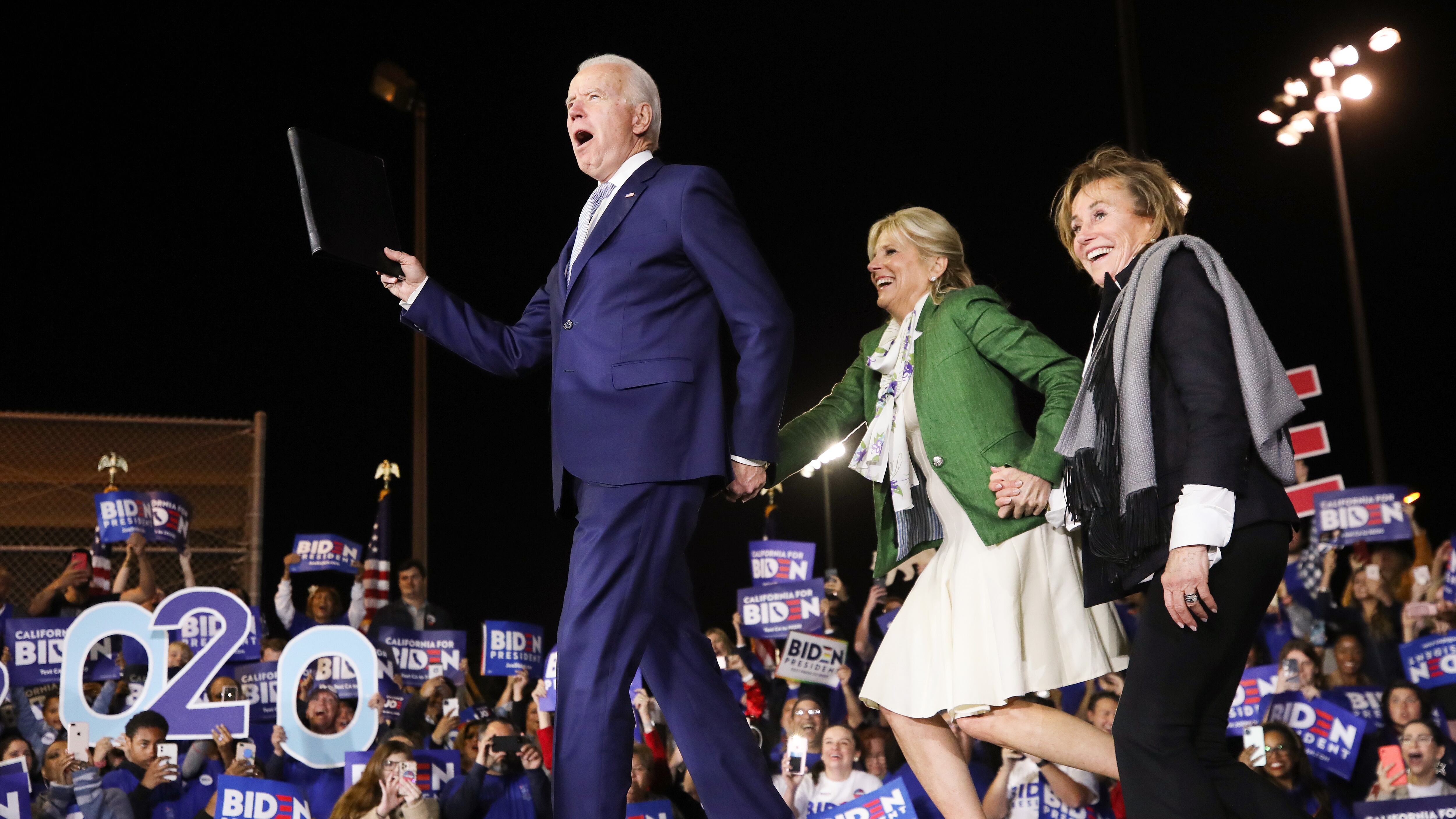
Cheddar will be following the biggest political headlines as voters head to the polls in critical Super Tuesday primaries.
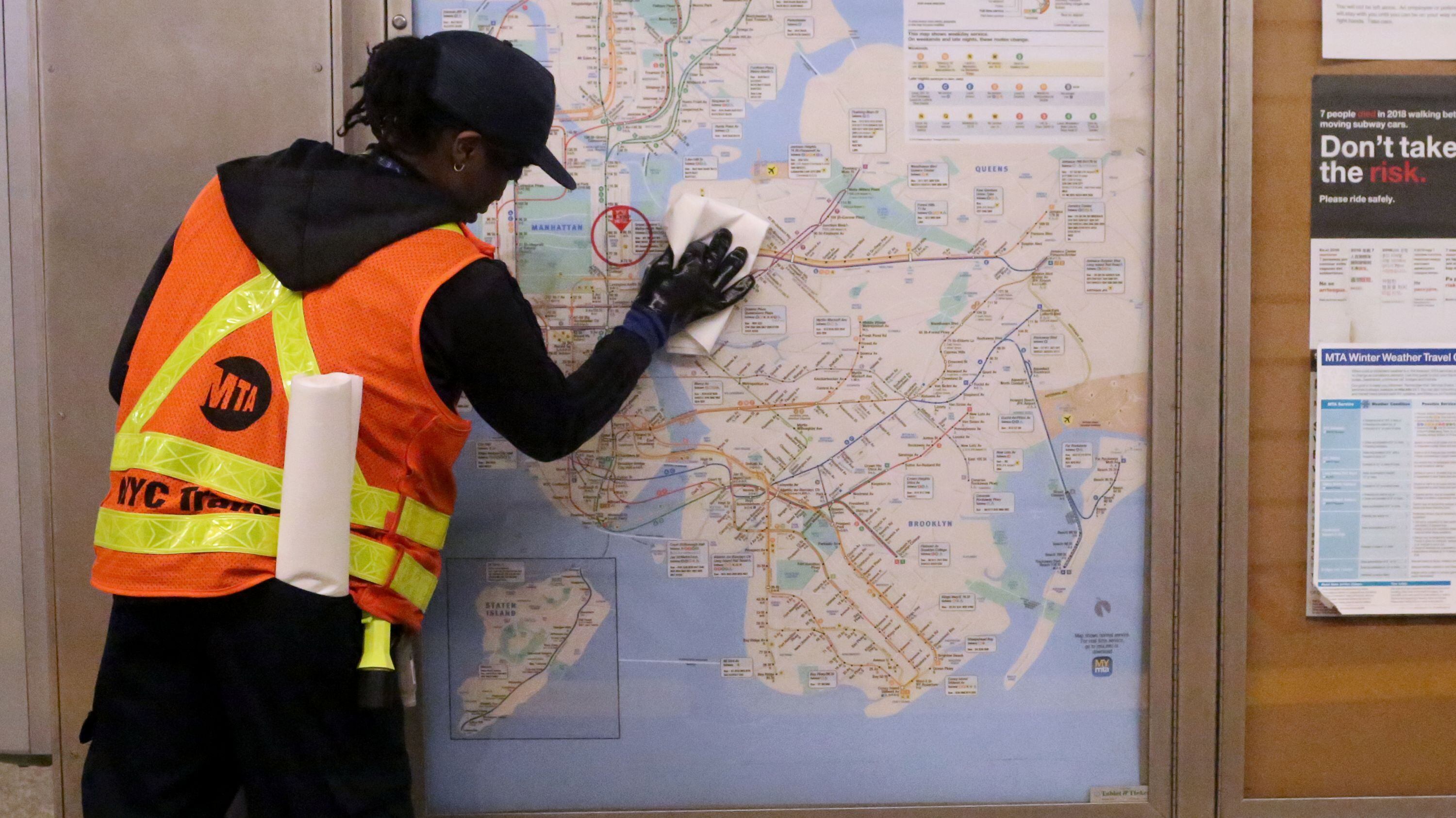
Dr. William Schaffner of Vanderbilt University said taking steps like sanitizing the subway system "may play a small role in mitigating the transmission of this virus, but it signals to people that we ought to be functioning as we can and doing the things we can do."
Stocks are falling sharply again in midday trading on Wall Street, and bond yields are sinking to more record lows on worries about the economic damage coming from the spreading coronavirus outbreak.
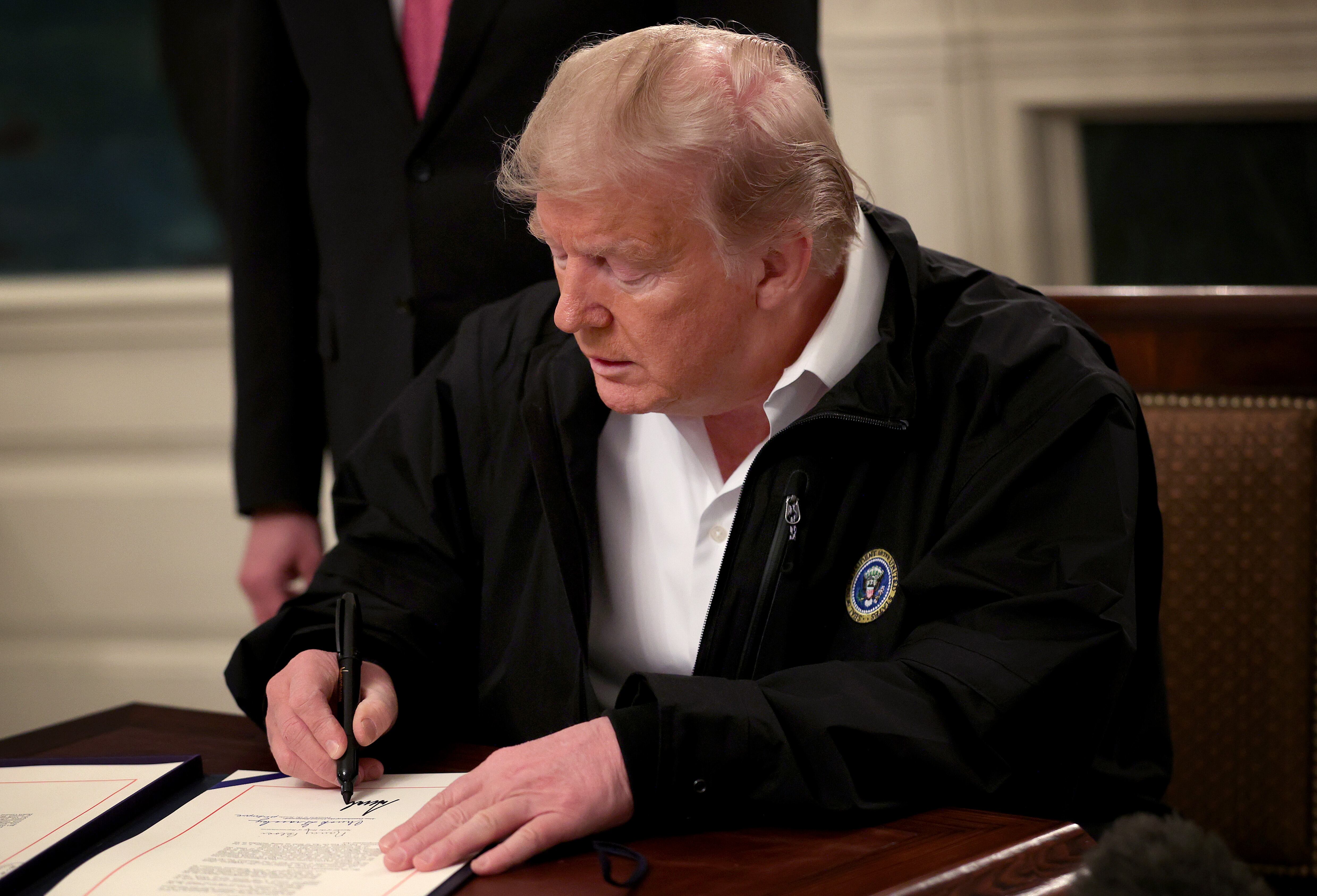
President Donald Trump on Friday signed an $8.3 billion measure to help tackle the coronavirus outbreak that has killed more than a dozen people in the U.S. and infected more than 200.
These are the headlines you Need 2 Know for Friday, March 6, 2020.
U.S. Representative Pete Aguilar of California voted yes on an $8.3 billion coronavirus emergency package bill, a much higher figure than the $2.5 billion requested by the White House.