By Jessica Gresko
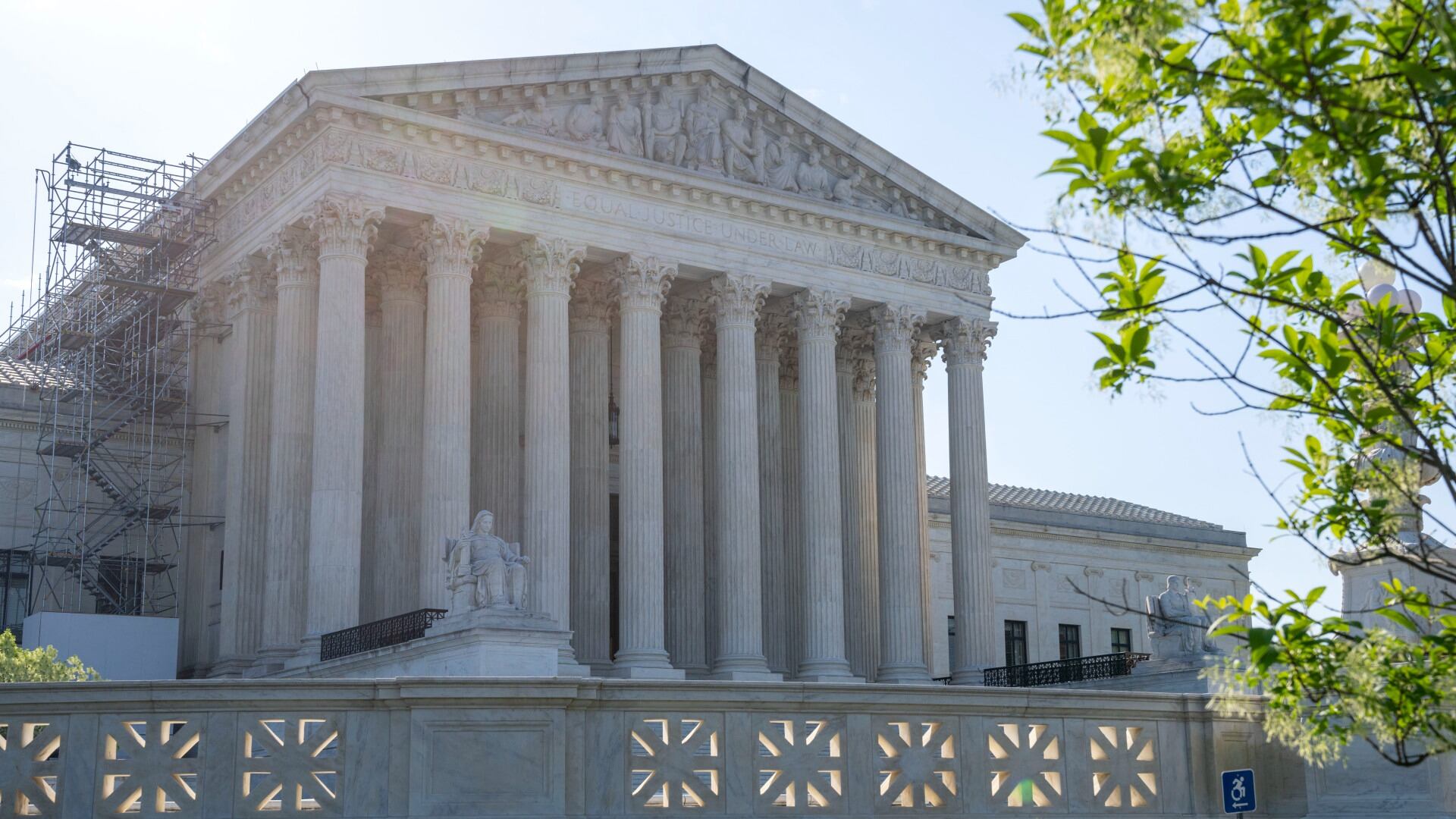
The Supreme Court said Monday it won't review North Carolina's decision to stop issuing specialty license plates with the Confederate flag.
As is typical, the court did not comment in declining to hear the case, which challenged the state's decision. The dispute was one of many the court said Monday it would not hear. It was similar to a case originating in Texas that the court heard in 2015, when it ruled the license plates are state property.
The current dispute stems from North Carolina's 2021 decision to stop issuing specialty license plates bearing the insignia of the North Carolina chapter of the Sons of Confederate Veterans. The chapter sued, claiming that the state's decision violated state and federal law. A lower court dismissed the case, and a federal appeals court agreed with that decision.
North Carolina offers three standard license plates and more than 200 specialty plates. Civic clubs including the Sons of Confederate Veterans can create specialty plates by meeting specific requirements.
In 2021, however, the state Department of Transportation sent the group a letter saying it would "no longer issue or renew specialty license plates bearing the Confederate battle flag or any variation of that flag" because the plates "have the potential to offend those who view them."
The state said it would consider alternate artwork for the plates' design if it does not contain the Confederate flag.
The organization unsuccessfully argued that the state's decision violated its free speech rights under the Constitution's First Amendment and state law governing specialty license plates.
In 2015, the Sons of Confederate Veterans’ Texas chapter claimed Texas was wrong not to issue a specialty license plate with the group's insignia. But the Supreme Court ruled 5-4 that Texas could limit the content of license plates because they are state property.
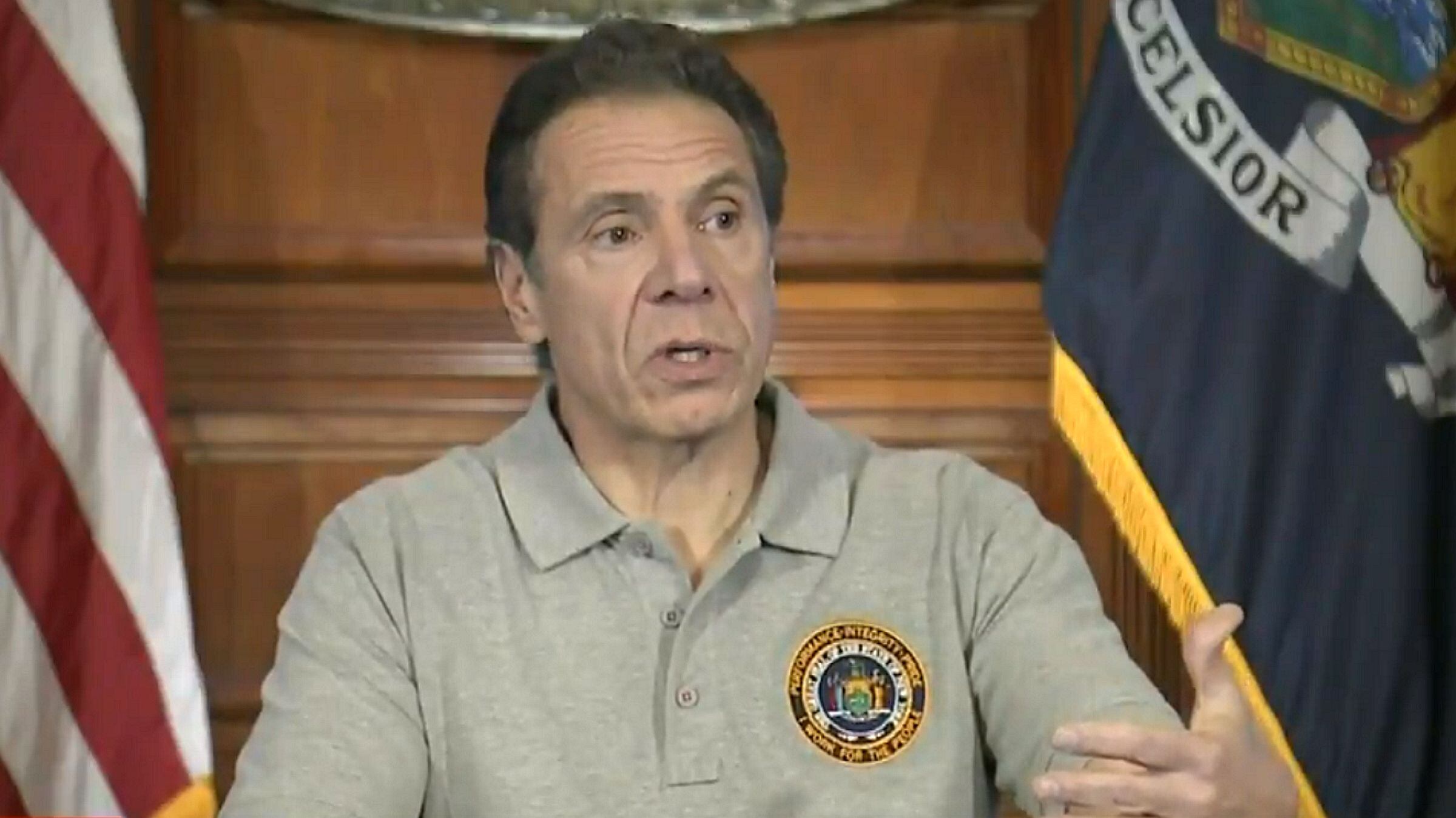
In a news conference, NY Gov. Andrew Cuomo said he has ordered the state's hospitals to increase their capacity for intake at least by half, if not doubling it., and also revealed that New York had procured more medical supplies in the fight against the coronavirus pandemic.
While the spread of the coronavirus has caused millions of layoffs across the country, select businesses are on a hiring spree to meet increased demand related to the outbreak.
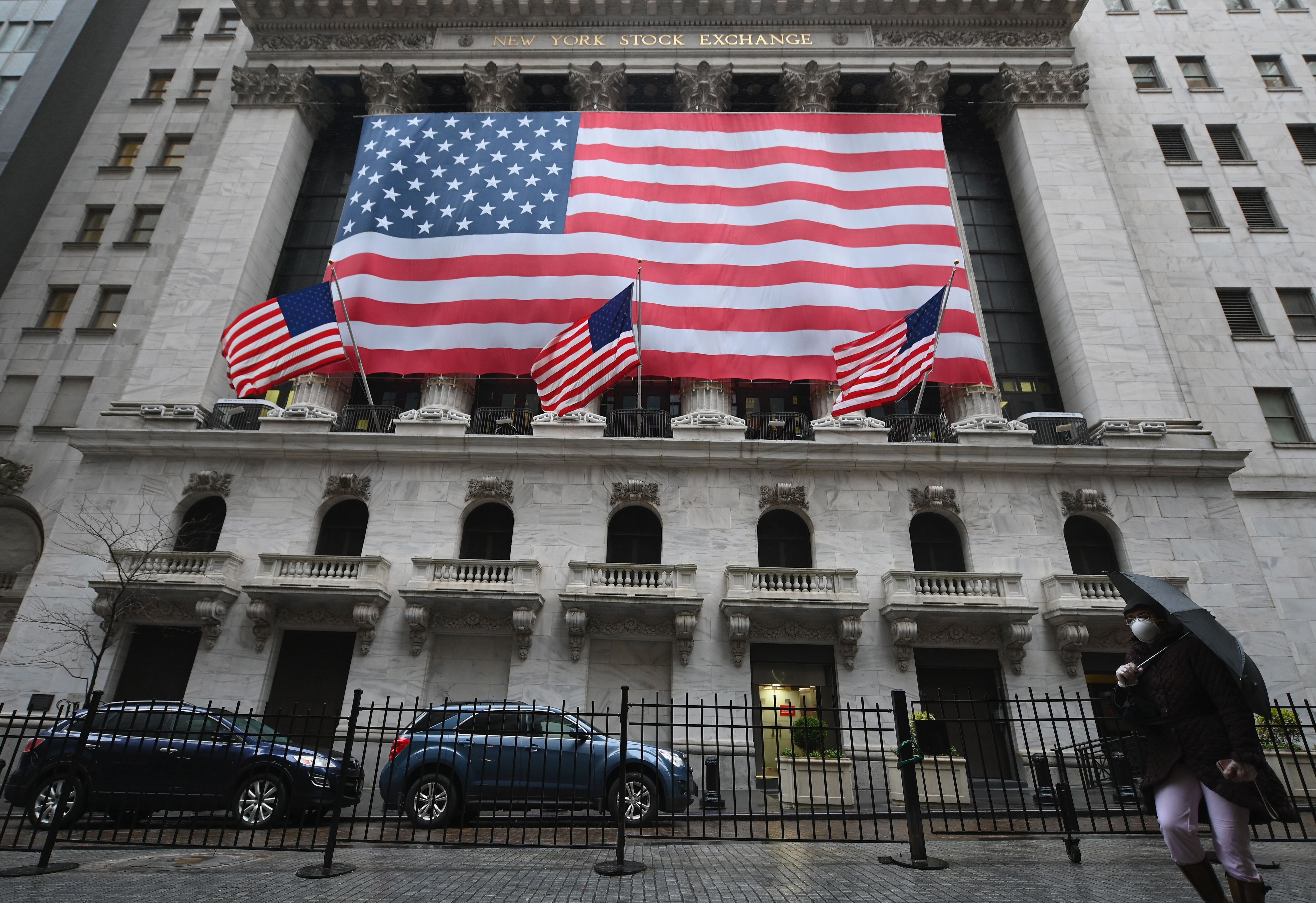
Stocks are down nearly 5 percent in volatile trading on Wall Street as investors wait for Democrats and Republicans to settle their differences and pass a nearly $2 trillion rescue package for the economy.
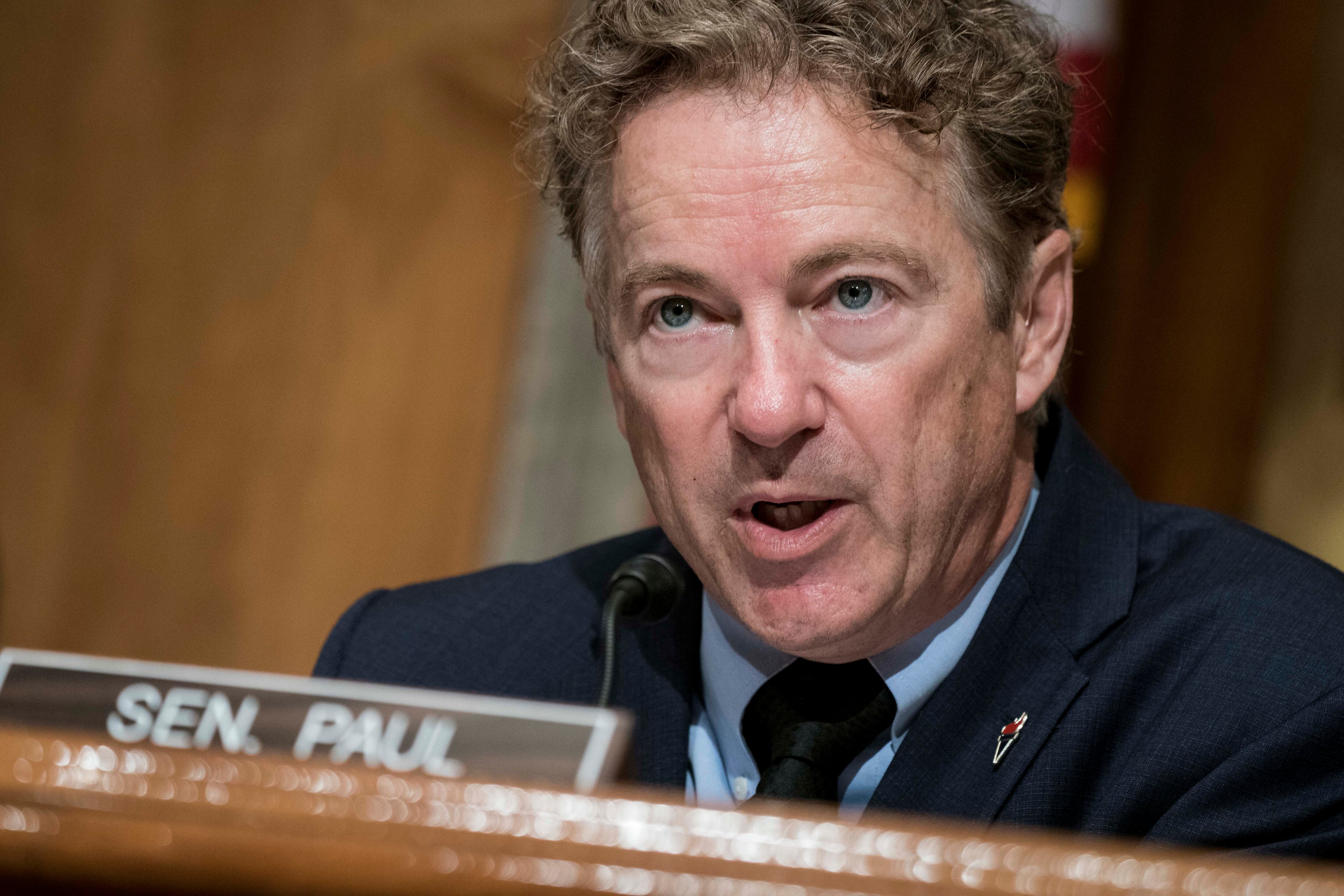
Sen. Rand Paul of Kentucky has tested positive for the novel coronavirus, becoming the first case of COVID-19 in the Senate and raising fears about the further transmission of the virus among Republicans at the Capitol.
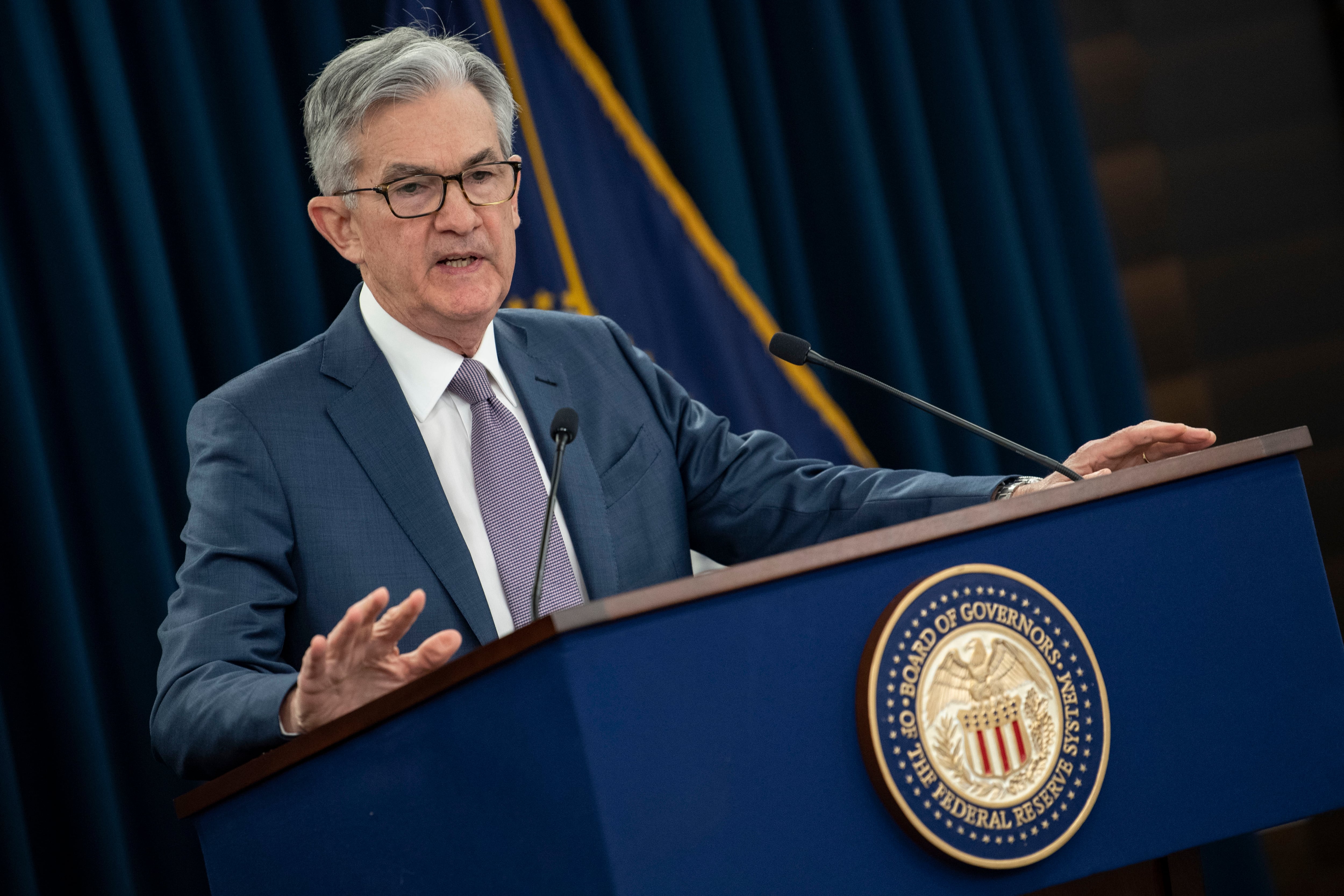
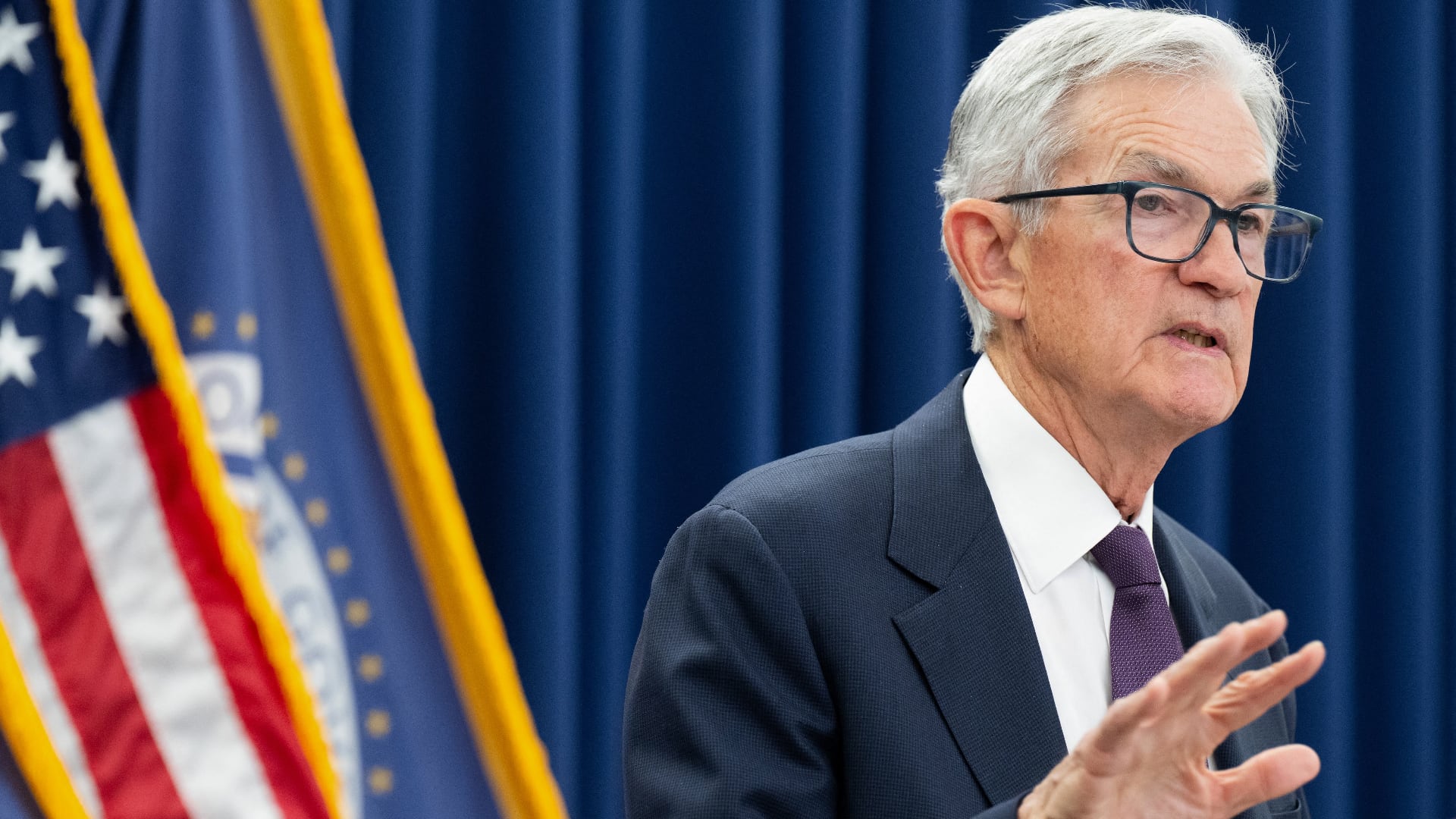
In its boldest effort to protect the U.S. economy from the coronavirus, the Federal Reserve says it will buy as much government debt as it deems necessary and will also begin lending to small and large businesses and local governments to help them weather the crisis.
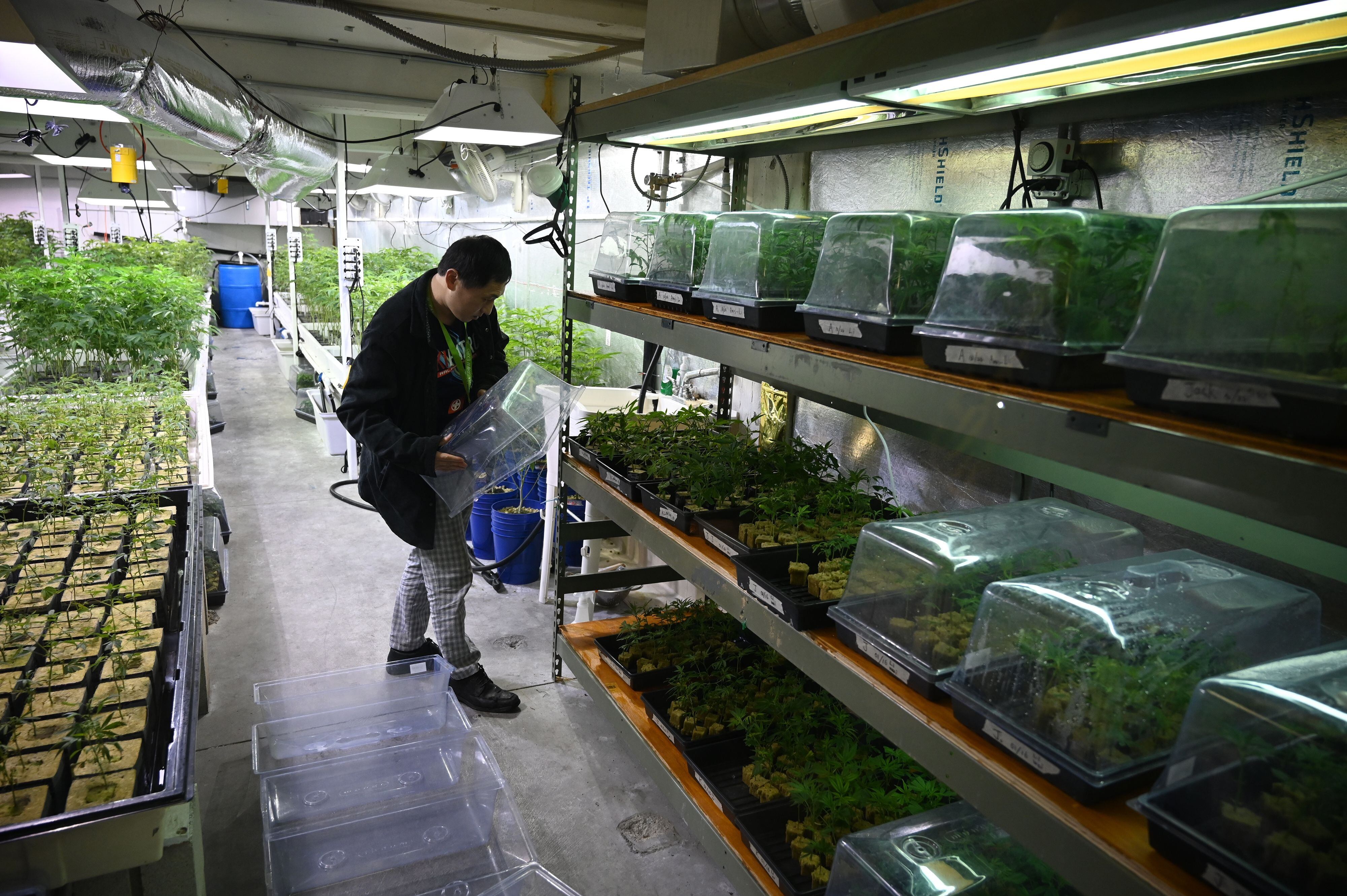
Malls, movie theaters, and retailers across the U.S. have been forced to close down to stem the spread of coronavirus, but cannabis dispensaries and retailers will stay open for business after a number of local governments deemed them “essential.”
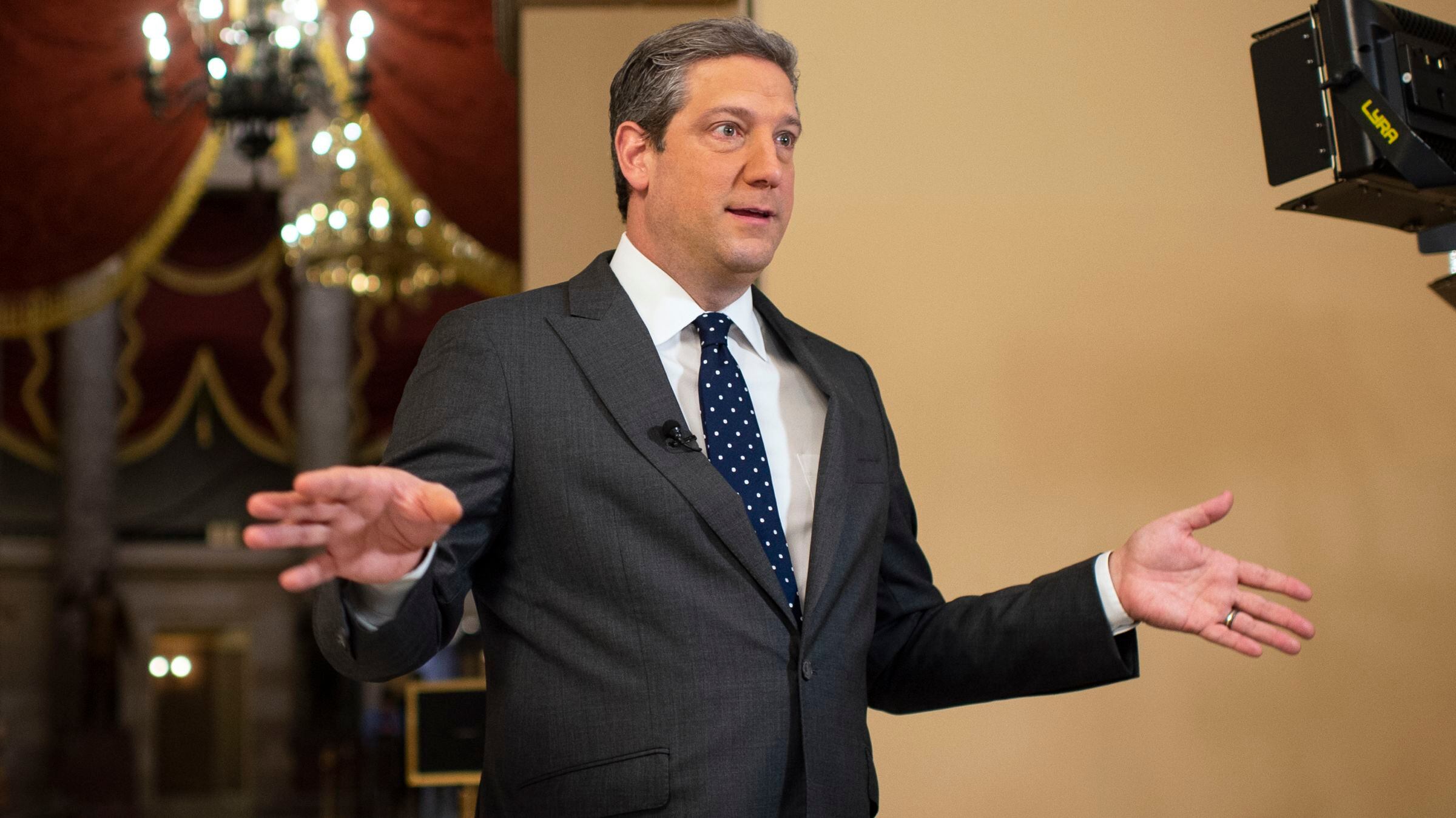
Rep. Tim Ryan (D-Ohio 13th District) said on Friday that the $1 trillion stimulus package currently being negotiated by lawmakers won't be nearly enough to make Americans whole again.
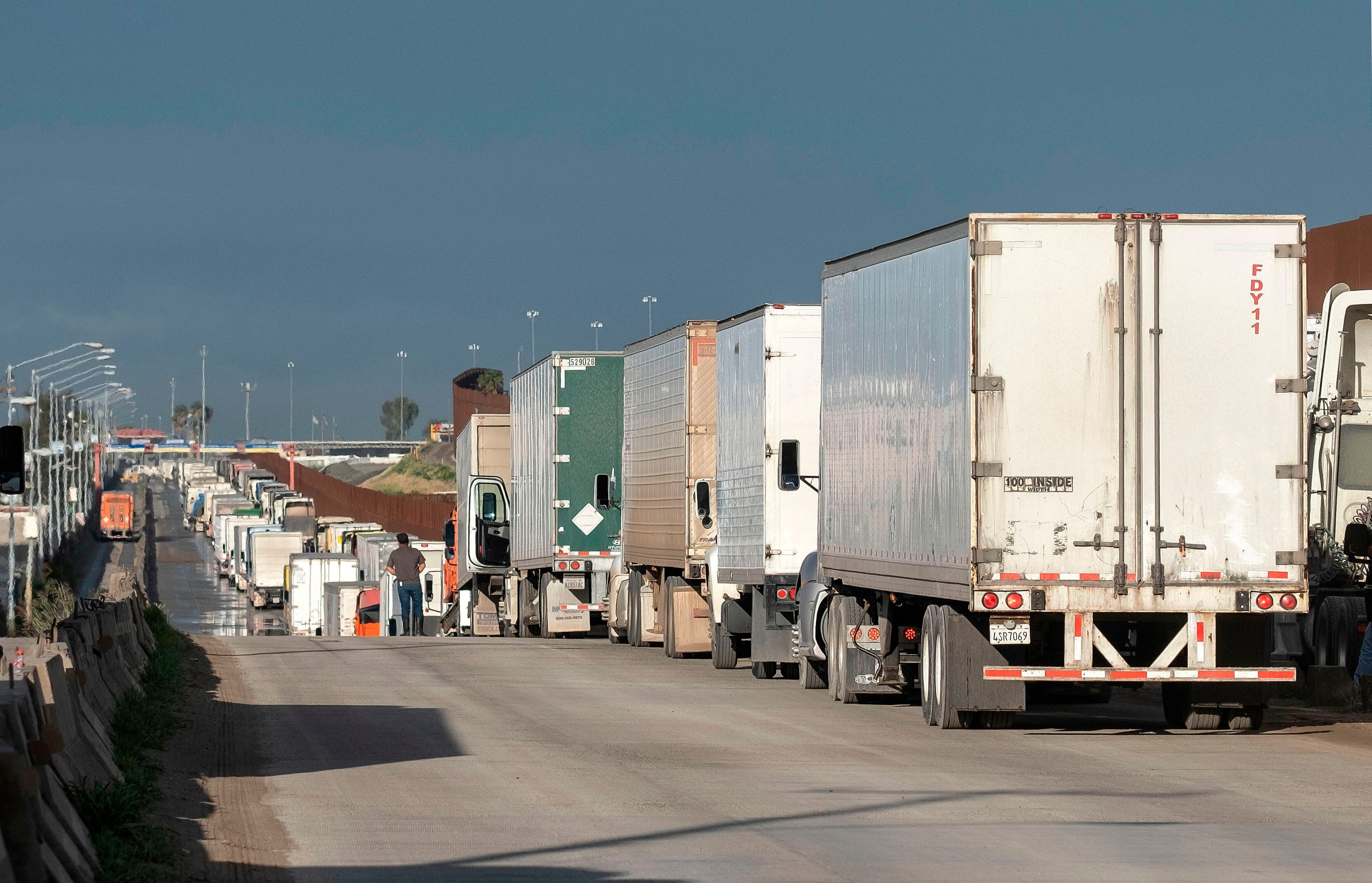
During the Friday Coronavirus Task Force briefing, President Donald Trump said that the U.S. borders will be closed to nonessential travel with Mexico and Canada, beginning at midnight on Saturday.
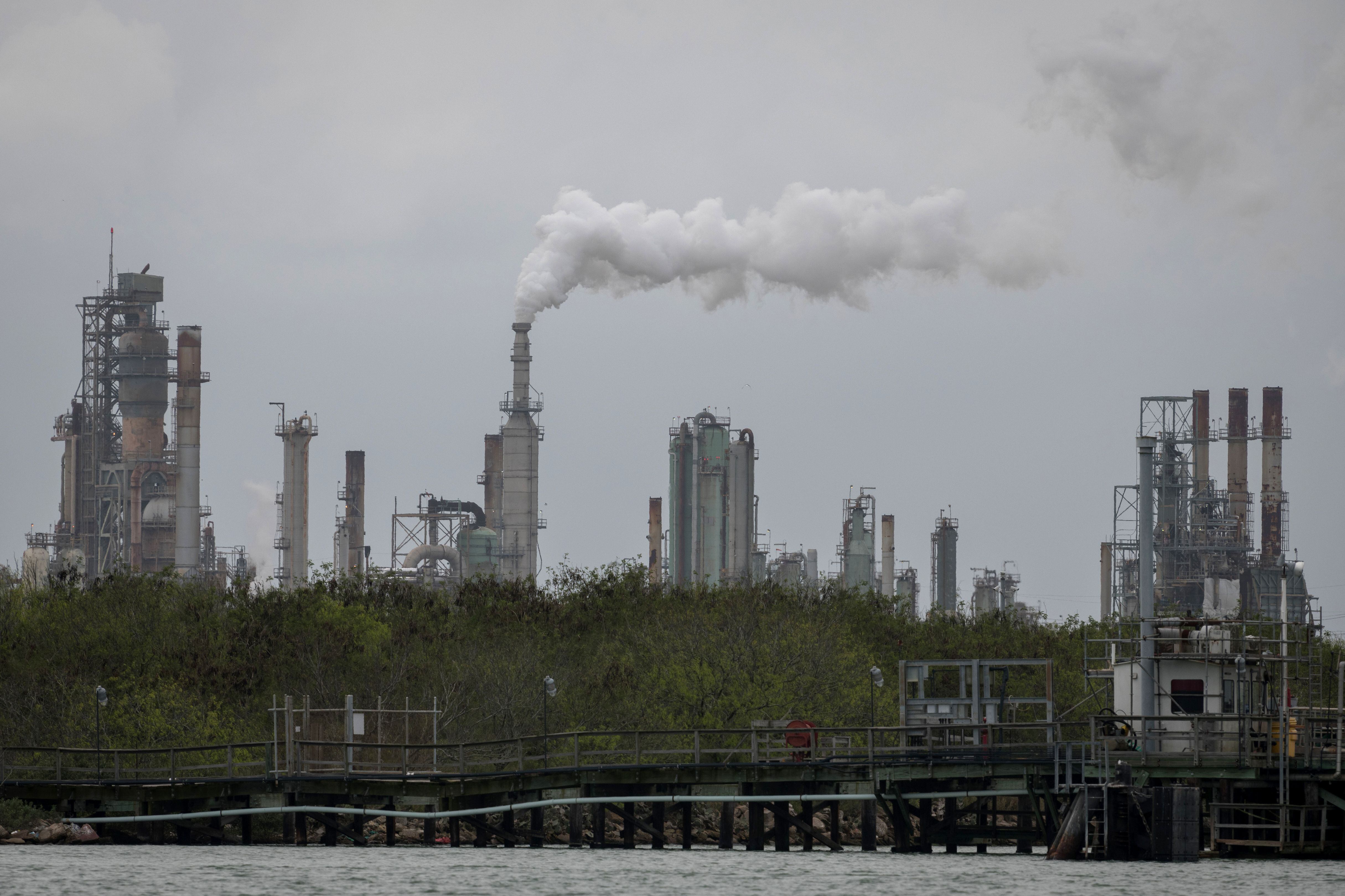
The move underscores the pain being inflicted on U.S. oil producers by the abrupt crash in oil prices earlier this month, sparked by the outbreak of a price war between Saudi Arabia and Russia and exacerbated by the global response to the coronavirus.
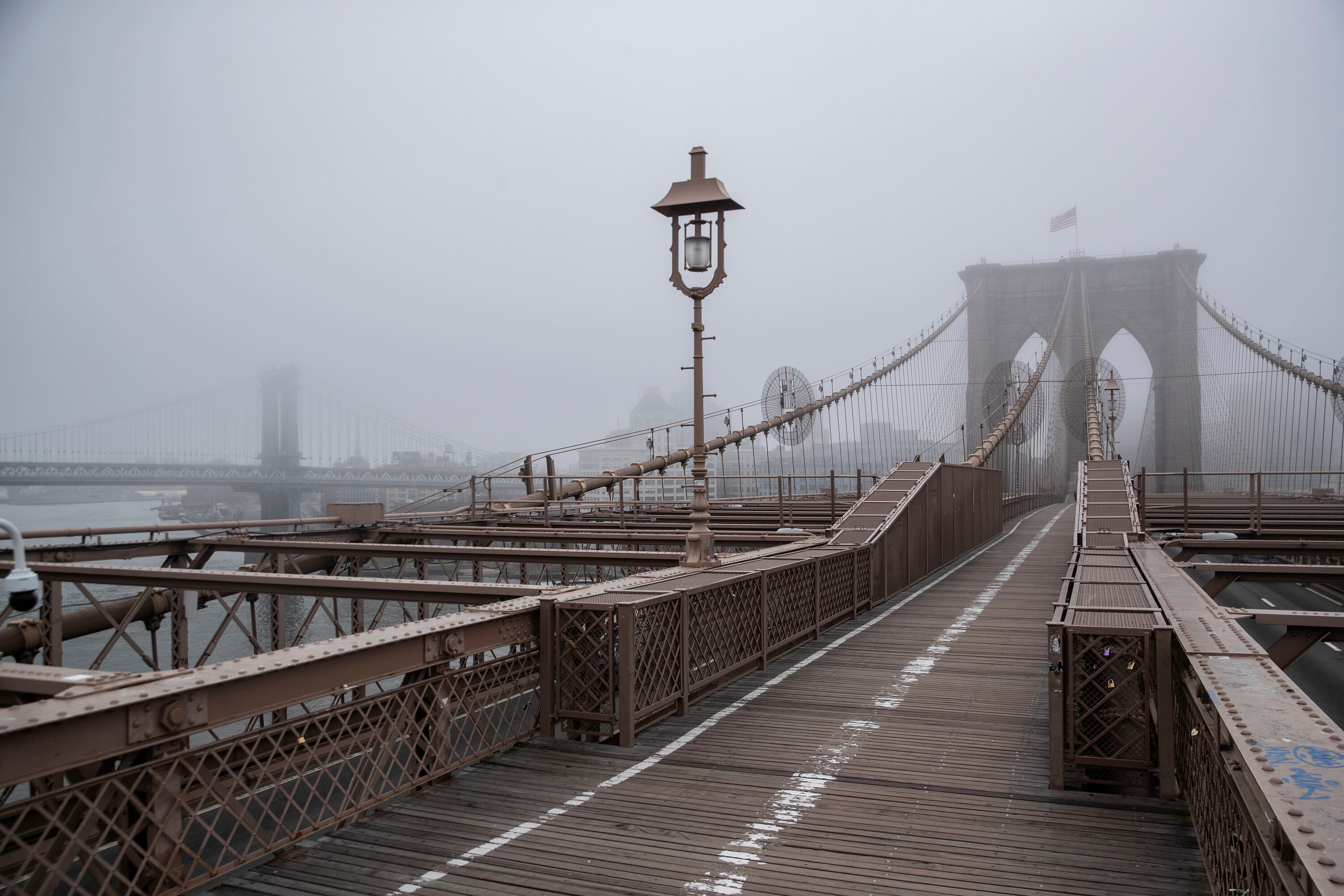
New York is joining California in seriously altering daily operations after Governor Andrew Cuomo announced he will sign an executive order mandating that 100 percent of the non-essential workforce stay home. The order will go into effect Sunday night.