By Jessica Gresko
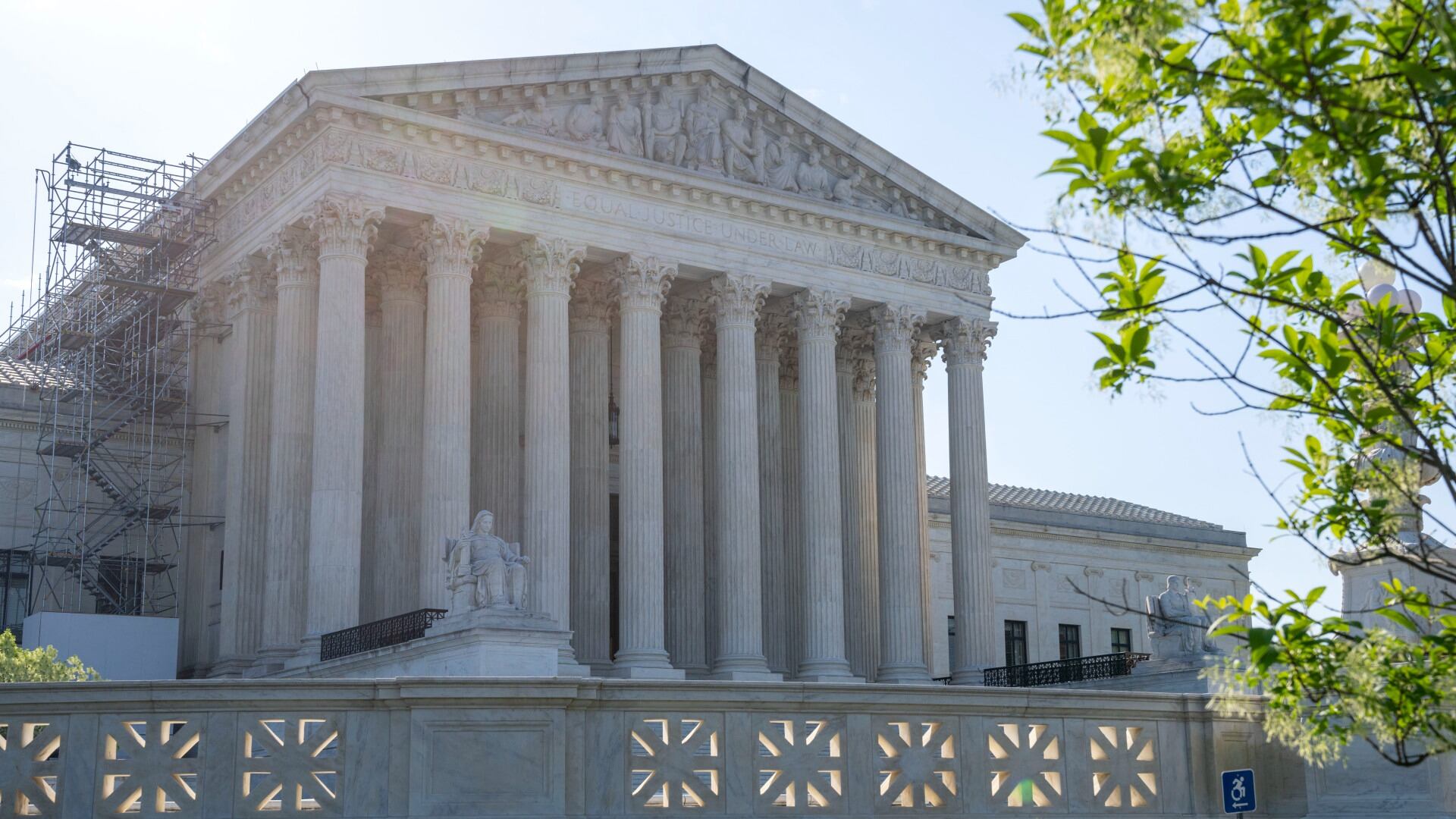
The Supreme Court said Monday it won't review North Carolina's decision to stop issuing specialty license plates with the Confederate flag.
As is typical, the court did not comment in declining to hear the case, which challenged the state's decision. The dispute was one of many the court said Monday it would not hear. It was similar to a case originating in Texas that the court heard in 2015, when it ruled the license plates are state property.
The current dispute stems from North Carolina's 2021 decision to stop issuing specialty license plates bearing the insignia of the North Carolina chapter of the Sons of Confederate Veterans. The chapter sued, claiming that the state's decision violated state and federal law. A lower court dismissed the case, and a federal appeals court agreed with that decision.
North Carolina offers three standard license plates and more than 200 specialty plates. Civic clubs including the Sons of Confederate Veterans can create specialty plates by meeting specific requirements.
In 2021, however, the state Department of Transportation sent the group a letter saying it would "no longer issue or renew specialty license plates bearing the Confederate battle flag or any variation of that flag" because the plates "have the potential to offend those who view them."
The state said it would consider alternate artwork for the plates' design if it does not contain the Confederate flag.
The organization unsuccessfully argued that the state's decision violated its free speech rights under the Constitution's First Amendment and state law governing specialty license plates.
In 2015, the Sons of Confederate Veterans’ Texas chapter claimed Texas was wrong not to issue a specialty license plate with the group's insignia. But the Supreme Court ruled 5-4 that Texas could limit the content of license plates because they are state property.
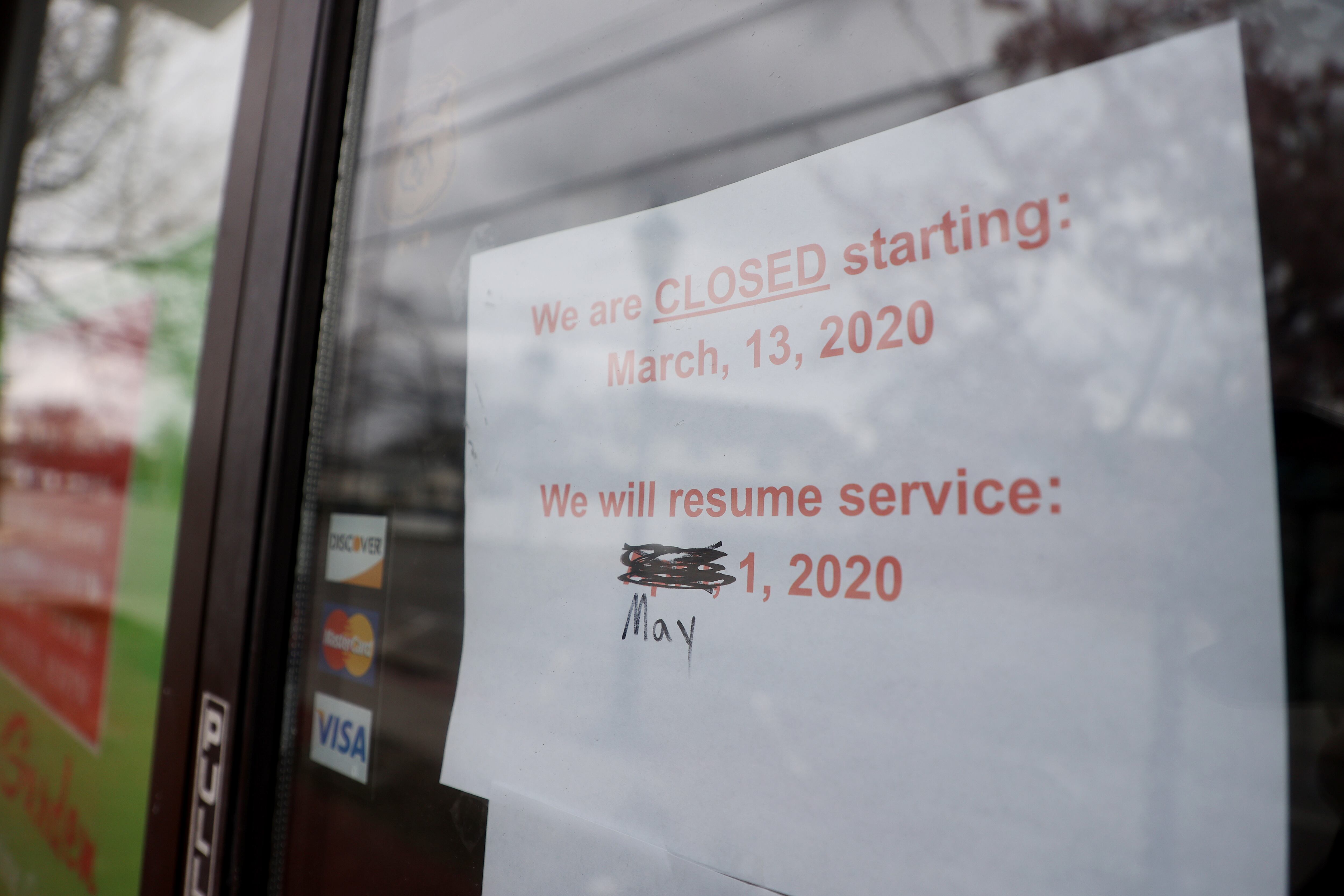
Lenders are raising serious concerns about the Payroll Protection Program, which was scheduled to launch Friday, citing a lack of information from the government on how and if the emergency loan program will even work and leading some to opt out of it.
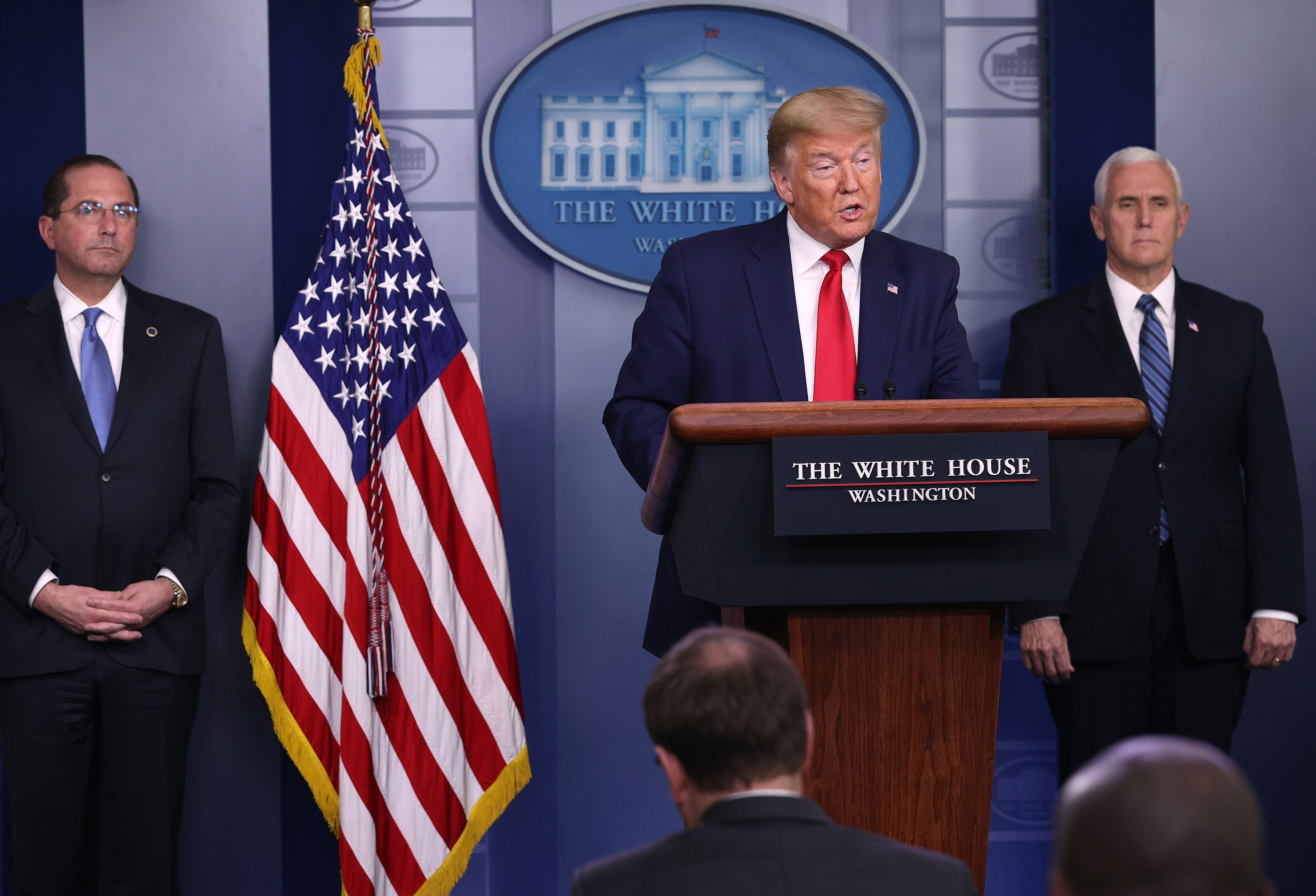
President Donald Trump has announced new federal guidelines recommending that Americans wear face coverings when in public. The president immediately said he had no intention of following the advice himself.
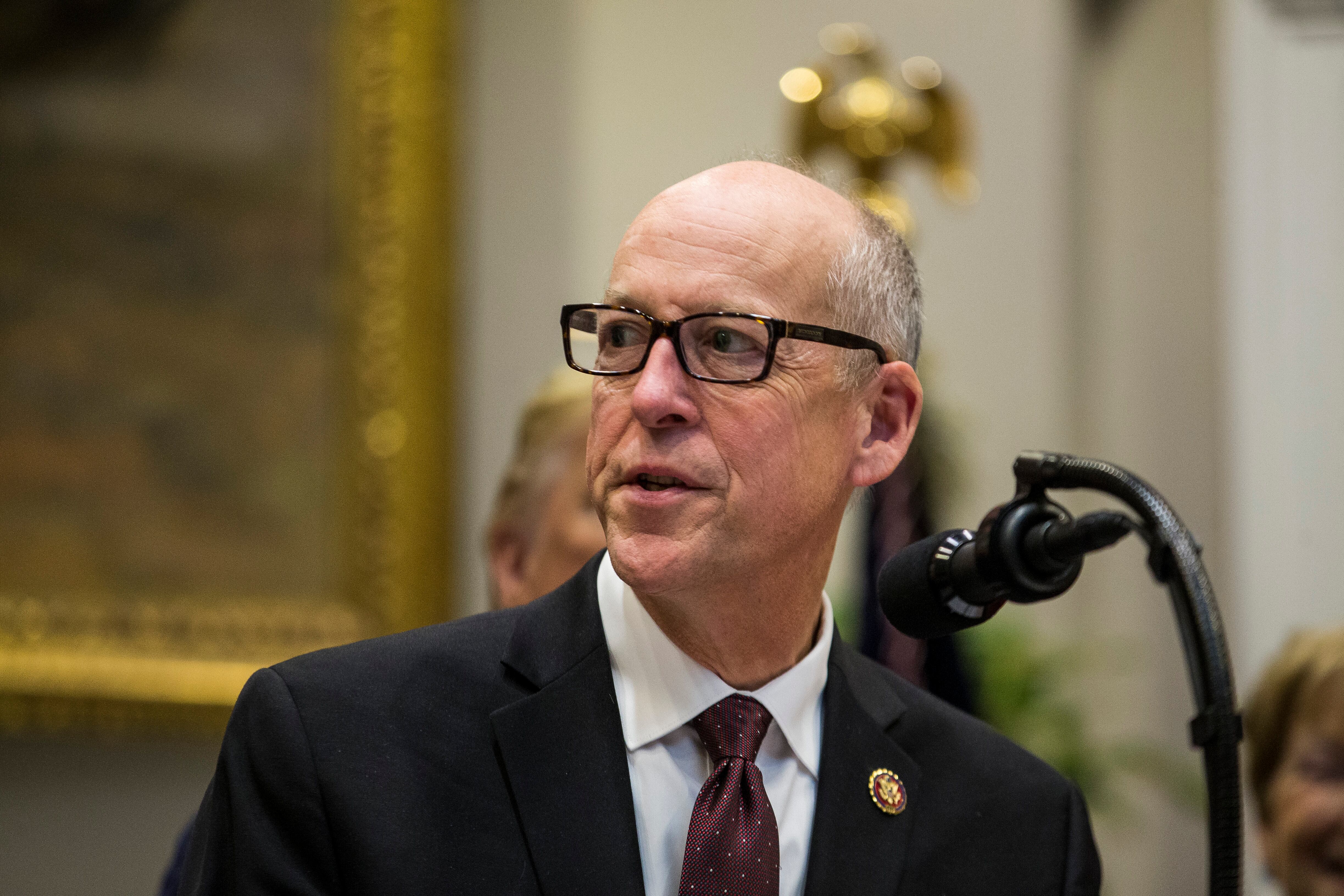
Rep. Greg Walden (R-Ore. 2nd District) supports the "basic public health protocol" is leading to drastic mitigation of the pandemic in his state of Oregon.
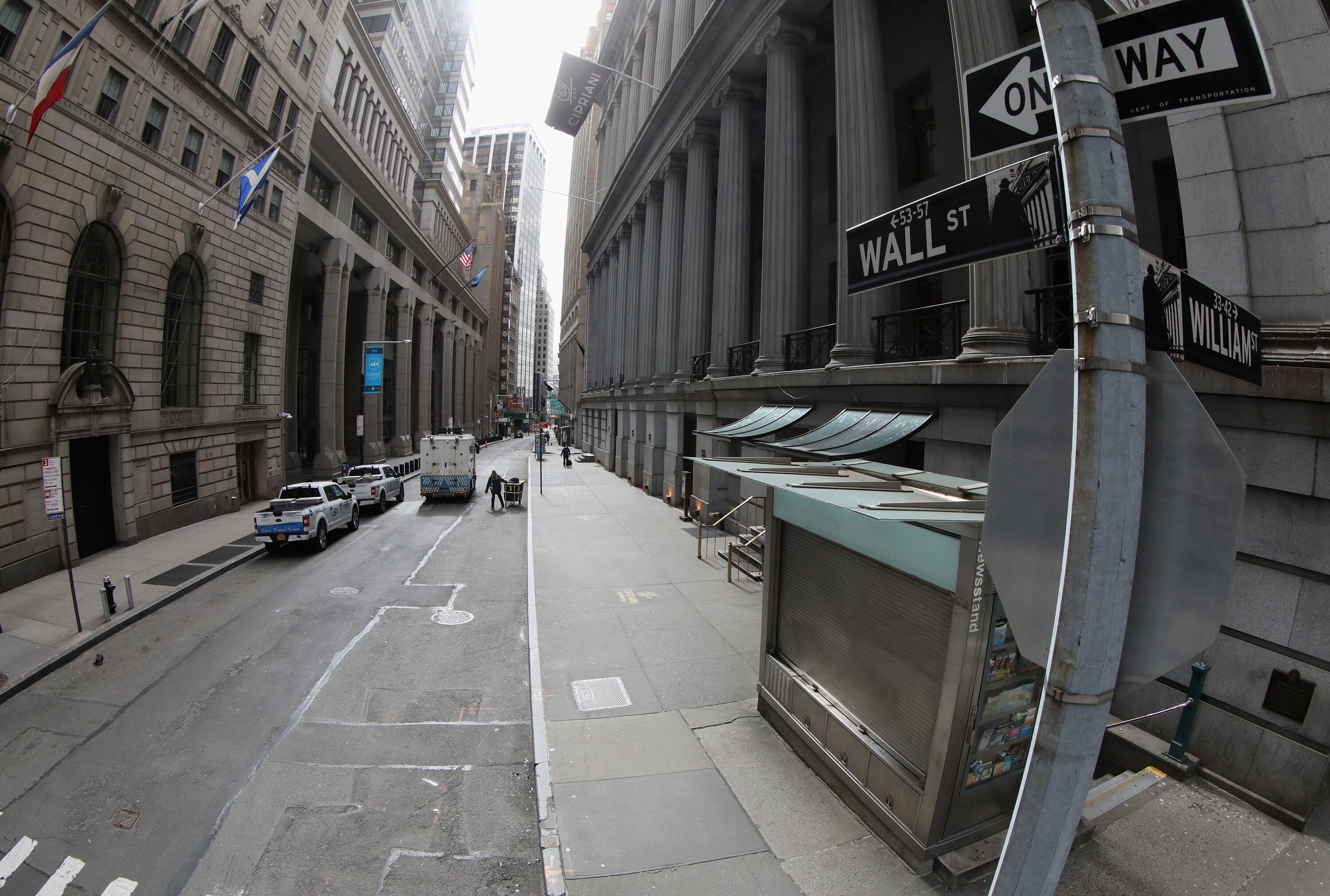
Stocks are falling again on Wall Street, putting the market on track for its third down week in the last four. The S&P 500, Dow and Nasdaq were each down more than 2.5%.
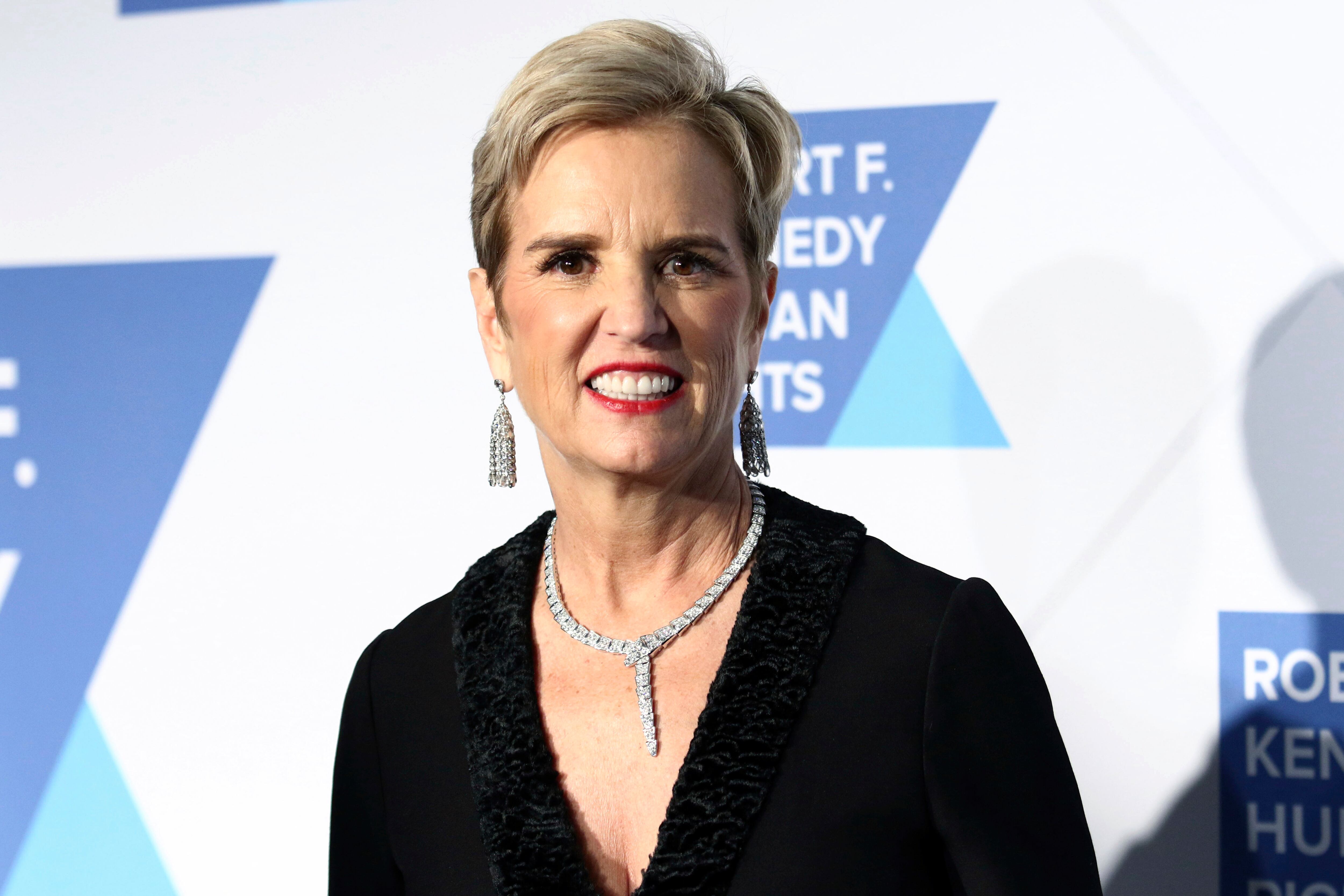
Kerry Kennedy, daughter of Robert F. Kennedy, and ex-wife of New York Governor Andrew Cuomo, said that RFK Human Rights has freed over 200 people in 10 cities over the last two and a half weeks. These people were put in jail and awaiting trial, some for as little as a $25 fine for an overdue parking ticket.
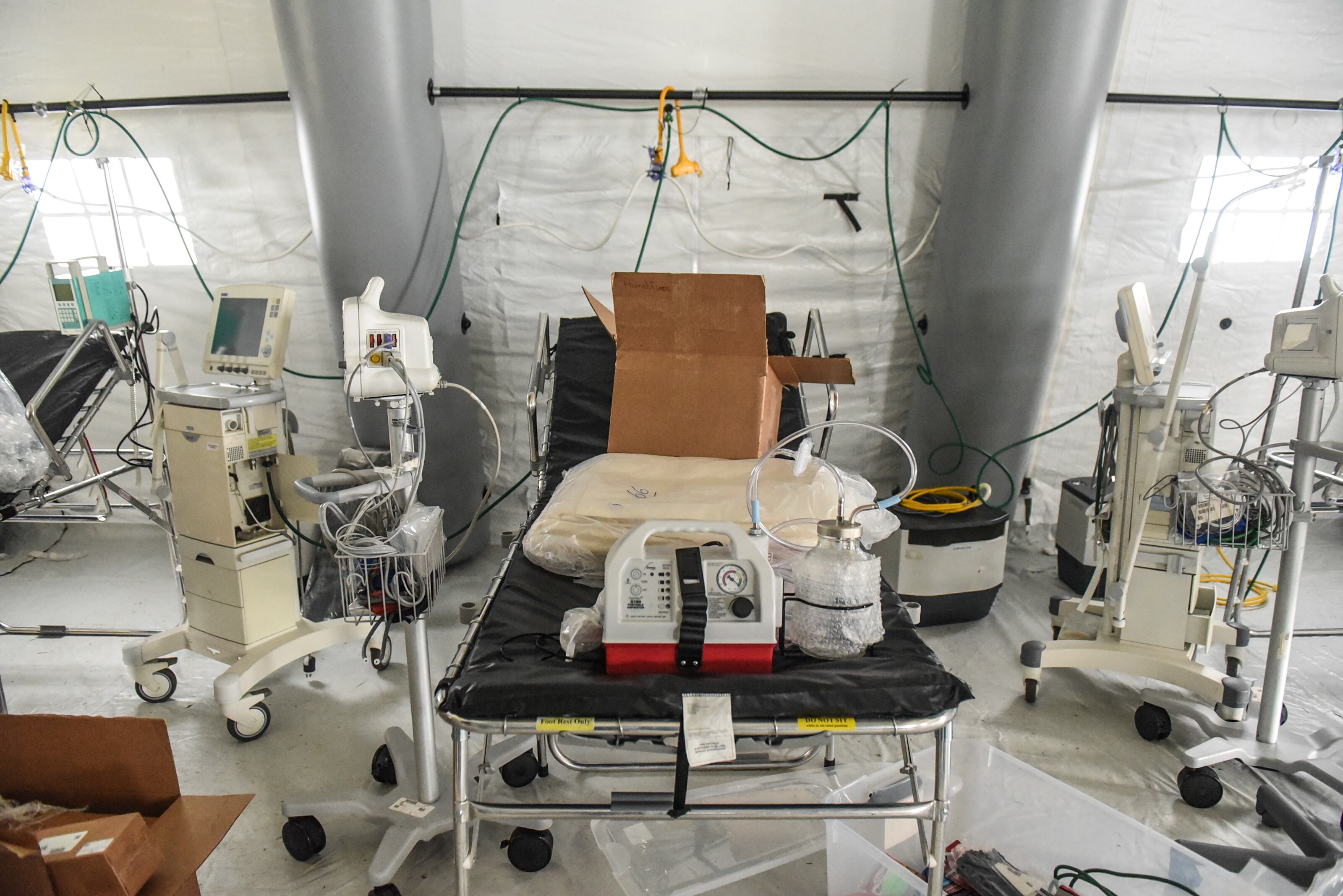
The governor said he has spoken with hospital administrators and understands the reluctance to give up essential equipment, but that he wants to avoid a situation where COVID-19 patients are dying in one part of the state while ventilators sit unused in another part of the state.
Stocks are falling in morning trading on Wall Street, putting the S&P 500 on track for its third down week in the last four. But the losses are much milder than what's rocked investors the last couple months.
The Trump administration is formalizing new guidance to recommend that many Americans wear face coverings in an effort to slow the spread of the new coronavirus, as the president is aggressively defending his response to the public health crisis.
The coronavirus outbreak has triggered a stunning collapse in the U.S. workforce, with 10 million people losing their jobs in the past two weeks. Meanwhile, the number of confirmed infections worldwide has hit 1 million, with more than 50,000 deaths, according to the tally kept by Johns Hopkins University.
Stock indexes turned wobbly on Wall Street Thursday, giving up most of an early gain driven by a surge in oil prices.