By Jessica Gresko
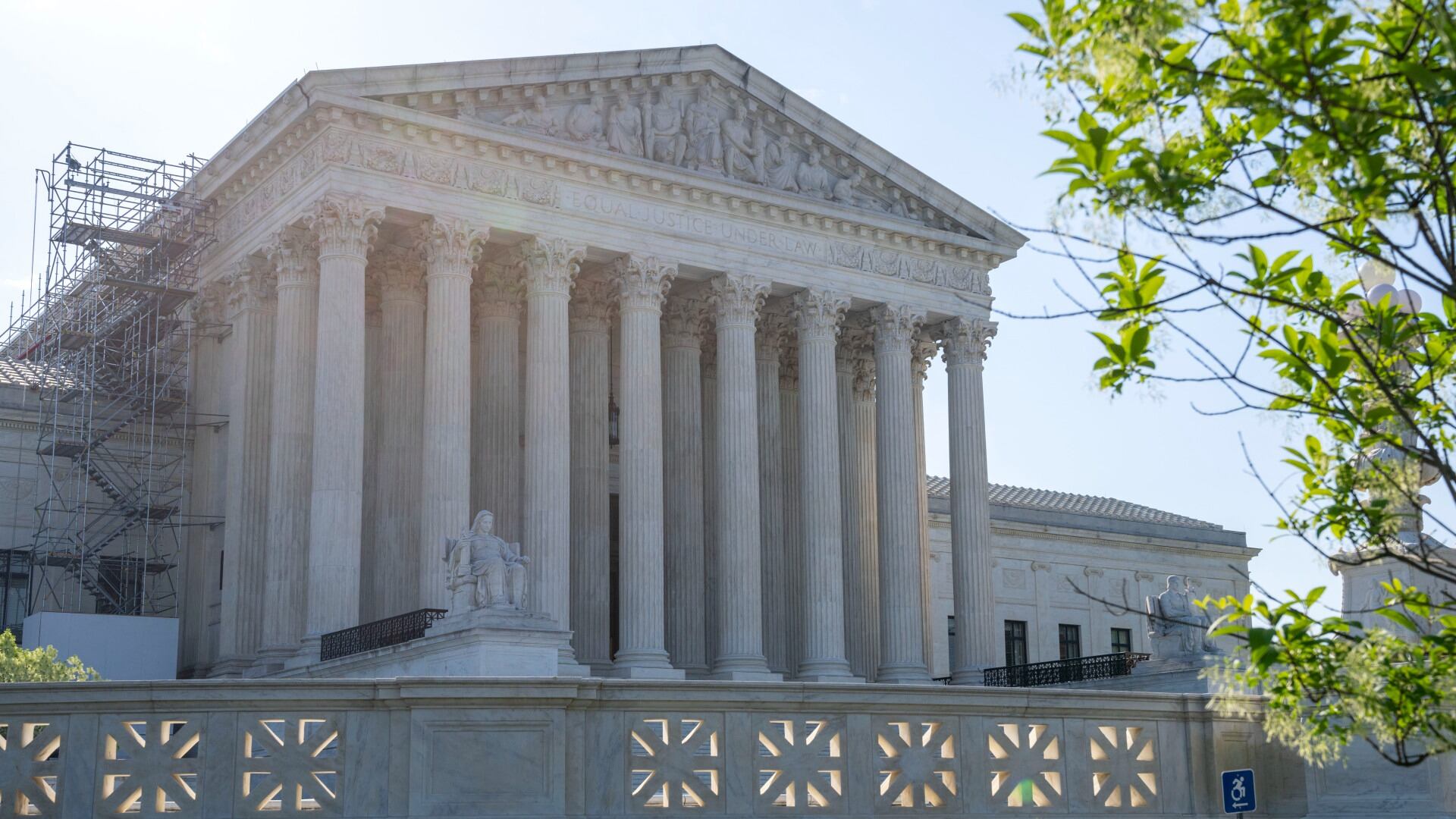
The Supreme Court said Monday it won't review North Carolina's decision to stop issuing specialty license plates with the Confederate flag.
As is typical, the court did not comment in declining to hear the case, which challenged the state's decision. The dispute was one of many the court said Monday it would not hear. It was similar to a case originating in Texas that the court heard in 2015, when it ruled the license plates are state property.
The current dispute stems from North Carolina's 2021 decision to stop issuing specialty license plates bearing the insignia of the North Carolina chapter of the Sons of Confederate Veterans. The chapter sued, claiming that the state's decision violated state and federal law. A lower court dismissed the case, and a federal appeals court agreed with that decision.
North Carolina offers three standard license plates and more than 200 specialty plates. Civic clubs including the Sons of Confederate Veterans can create specialty plates by meeting specific requirements.
In 2021, however, the state Department of Transportation sent the group a letter saying it would "no longer issue or renew specialty license plates bearing the Confederate battle flag or any variation of that flag" because the plates "have the potential to offend those who view them."
The state said it would consider alternate artwork for the plates' design if it does not contain the Confederate flag.
The organization unsuccessfully argued that the state's decision violated its free speech rights under the Constitution's First Amendment and state law governing specialty license plates.
In 2015, the Sons of Confederate Veterans’ Texas chapter claimed Texas was wrong not to issue a specialty license plate with the group's insignia. But the Supreme Court ruled 5-4 that Texas could limit the content of license plates because they are state property.
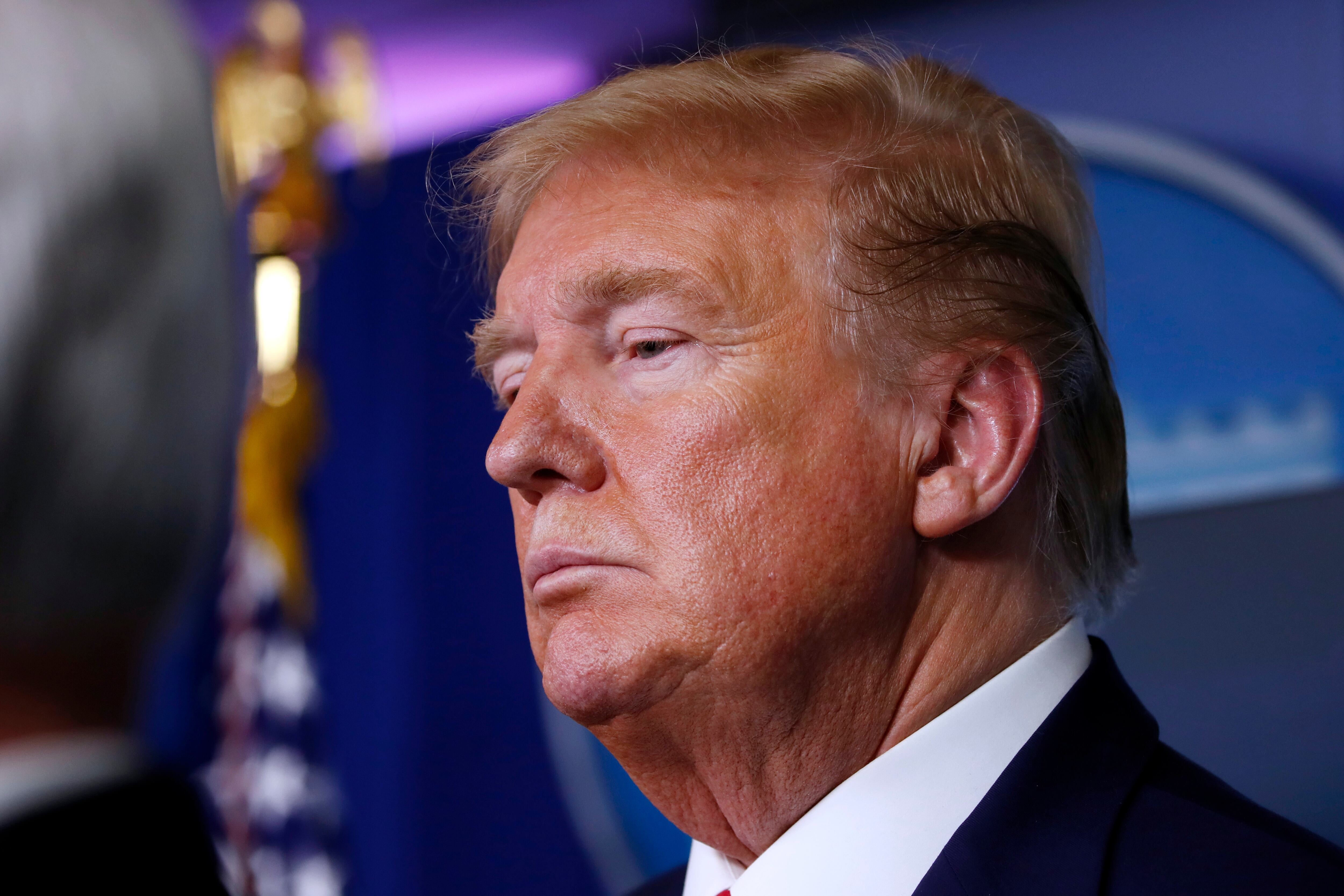
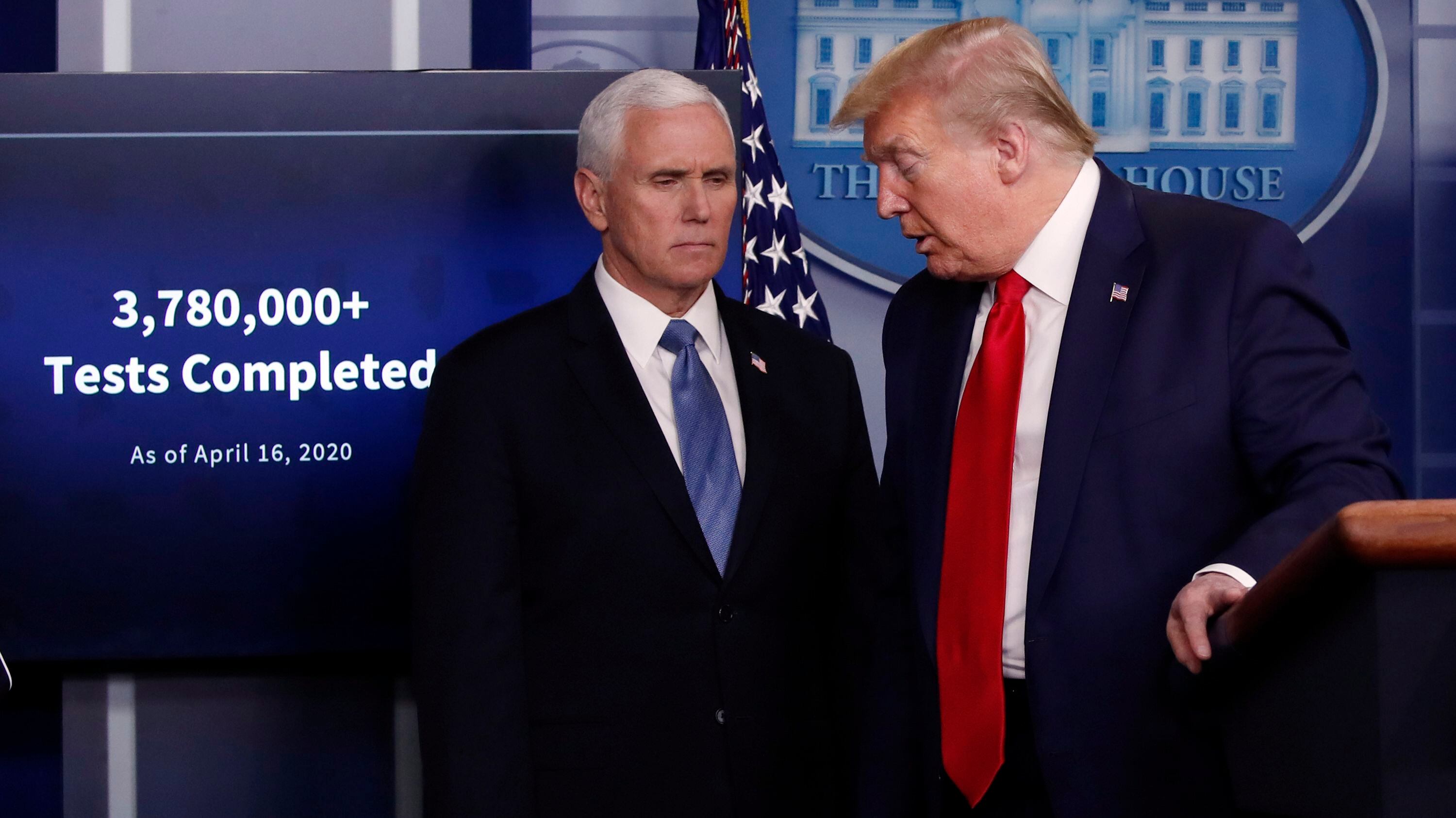
President Donald Trump said that he will sign an executive order “to temporarily suspend immigration into the United States” because of the coronavirus.
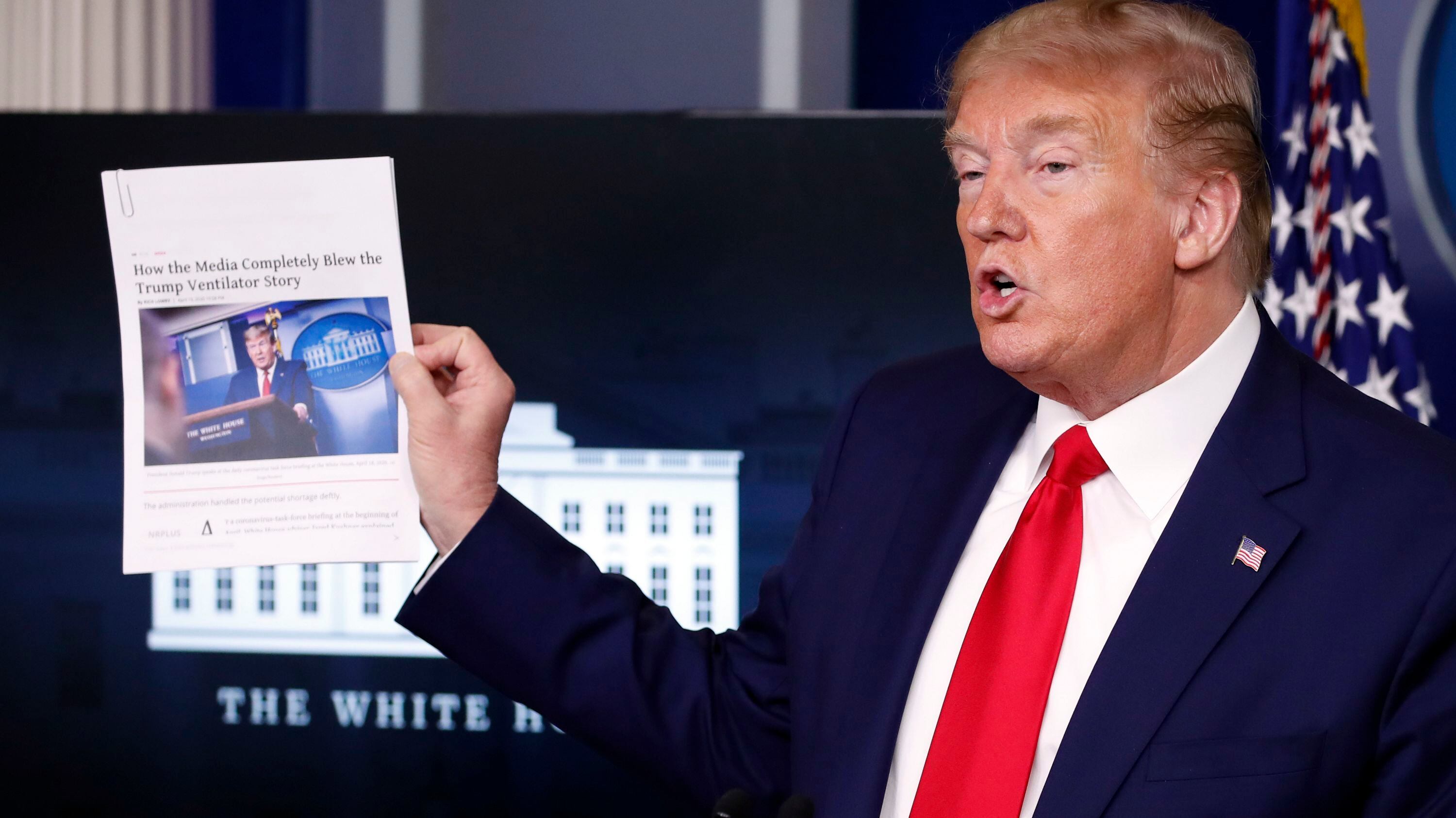
A chorus of governors from both parties pushed back hard Monday after President Donald Trump accused Democrats of playing “a very dangerous political game” by insisting there is a shortage of tests for coronavirus. The governors countered that the White House must do more to help states do the testing that's needed before they can ease up on stay-at-home orders.
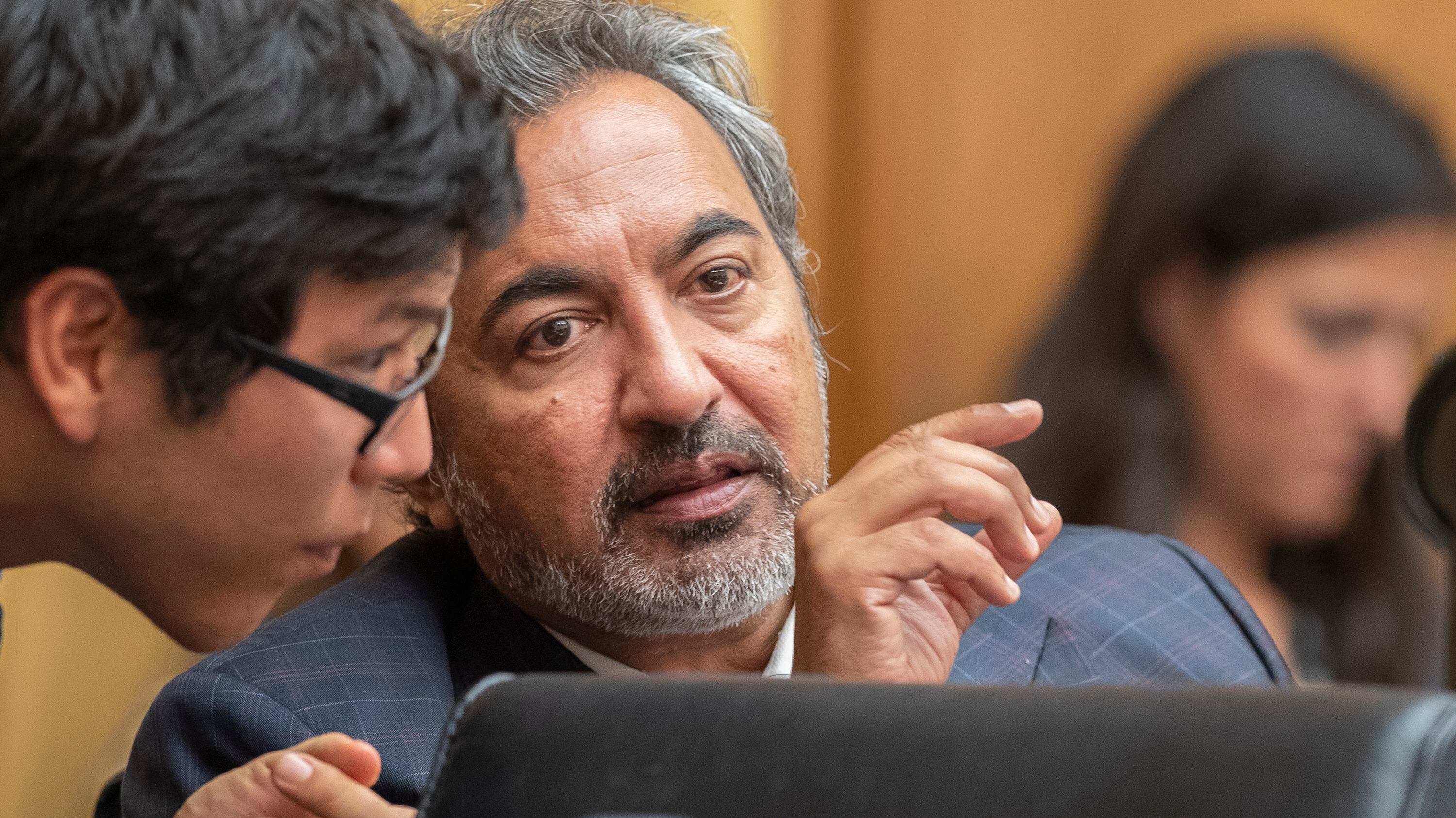
Rep. Ami Bera (D-Calif. 7th District), a doctor himself, added his voice to the chorus of experts on Monday, giving the commander-in-chief a C-minus.
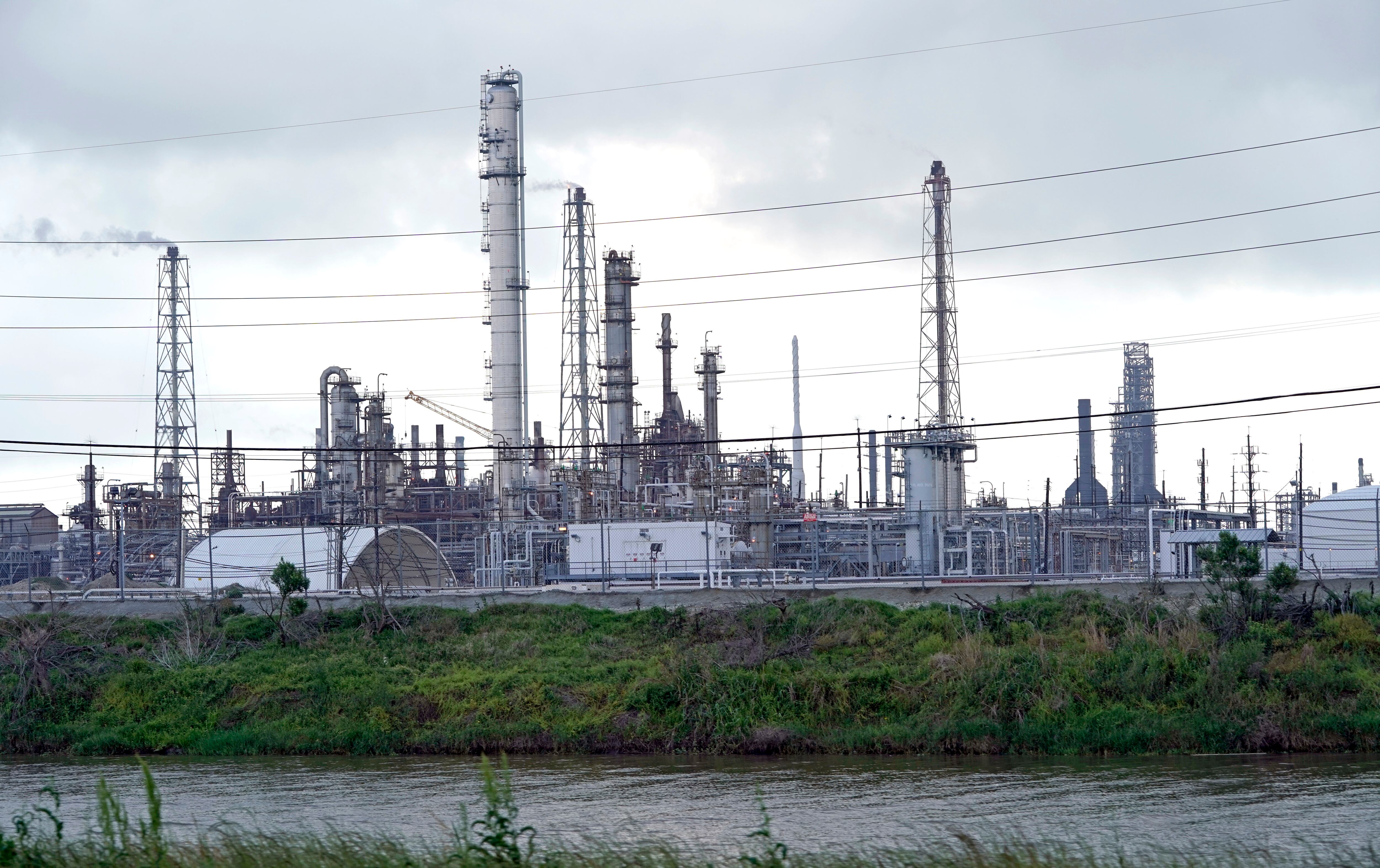
Oil prices plunged below zero on Monday as demand for energy collapses amid the coronavirus pandemic and traders didn’t want to get stuck owning crude oil with nowhere to store it. A barrel of benchmark U.S. oil for May delivery fell to negative $3.70 per barrel.
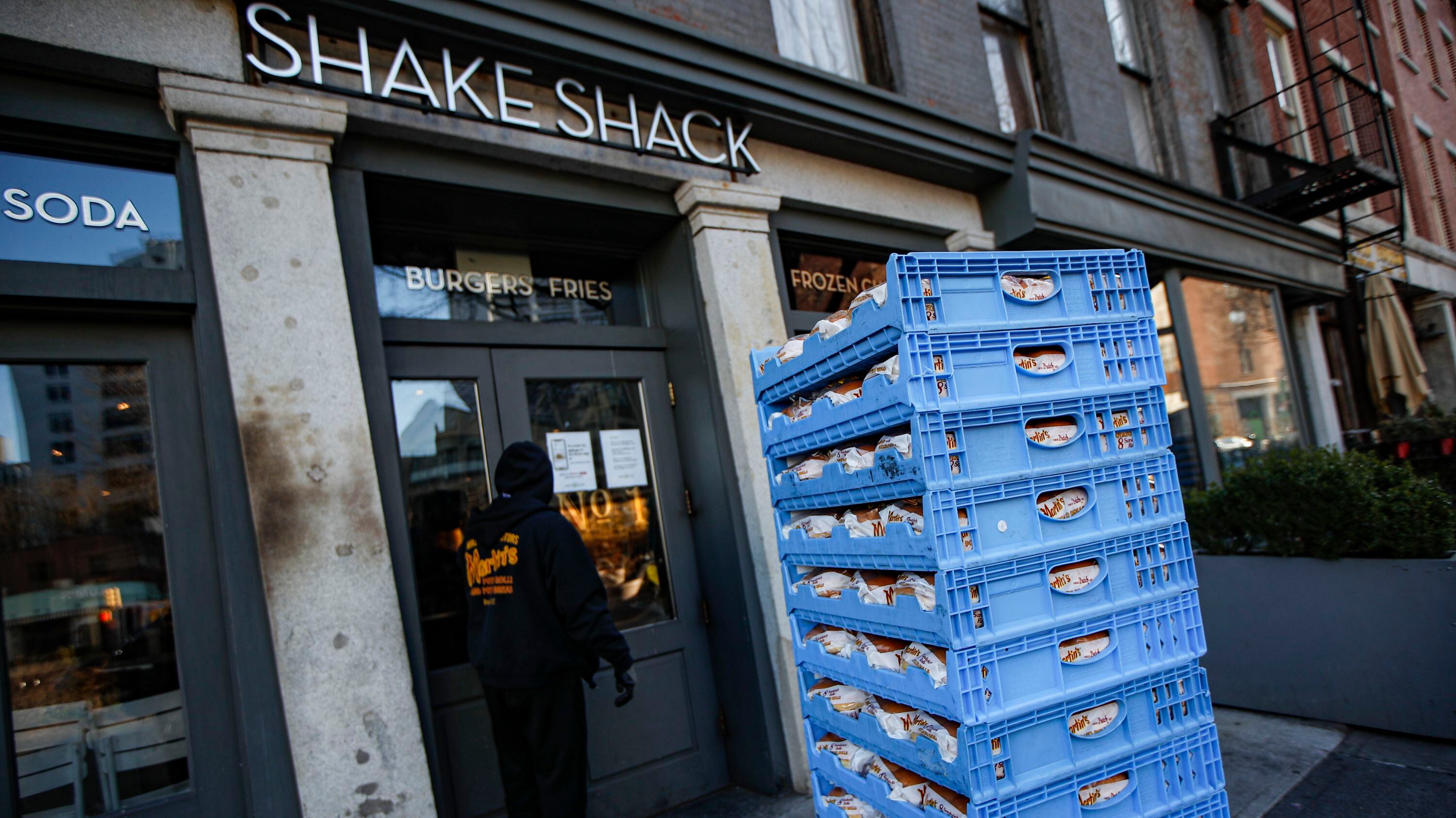
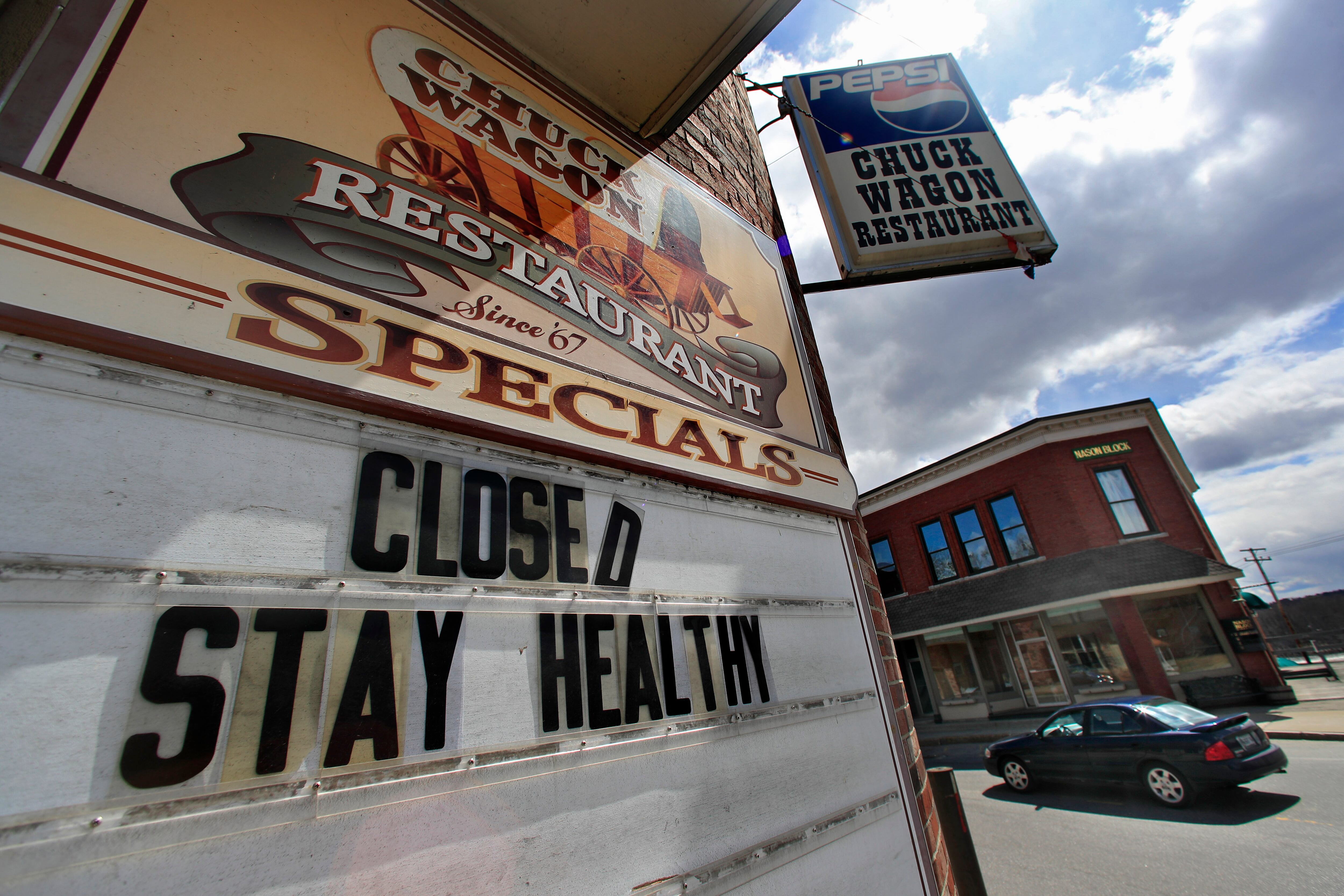
Shake Shack, one of the chains that received money, said Monday it will return its loan to give smaller restaurants a chance to get government money. Congress and the White House are close to an agreement that would add $300 billion to the program.
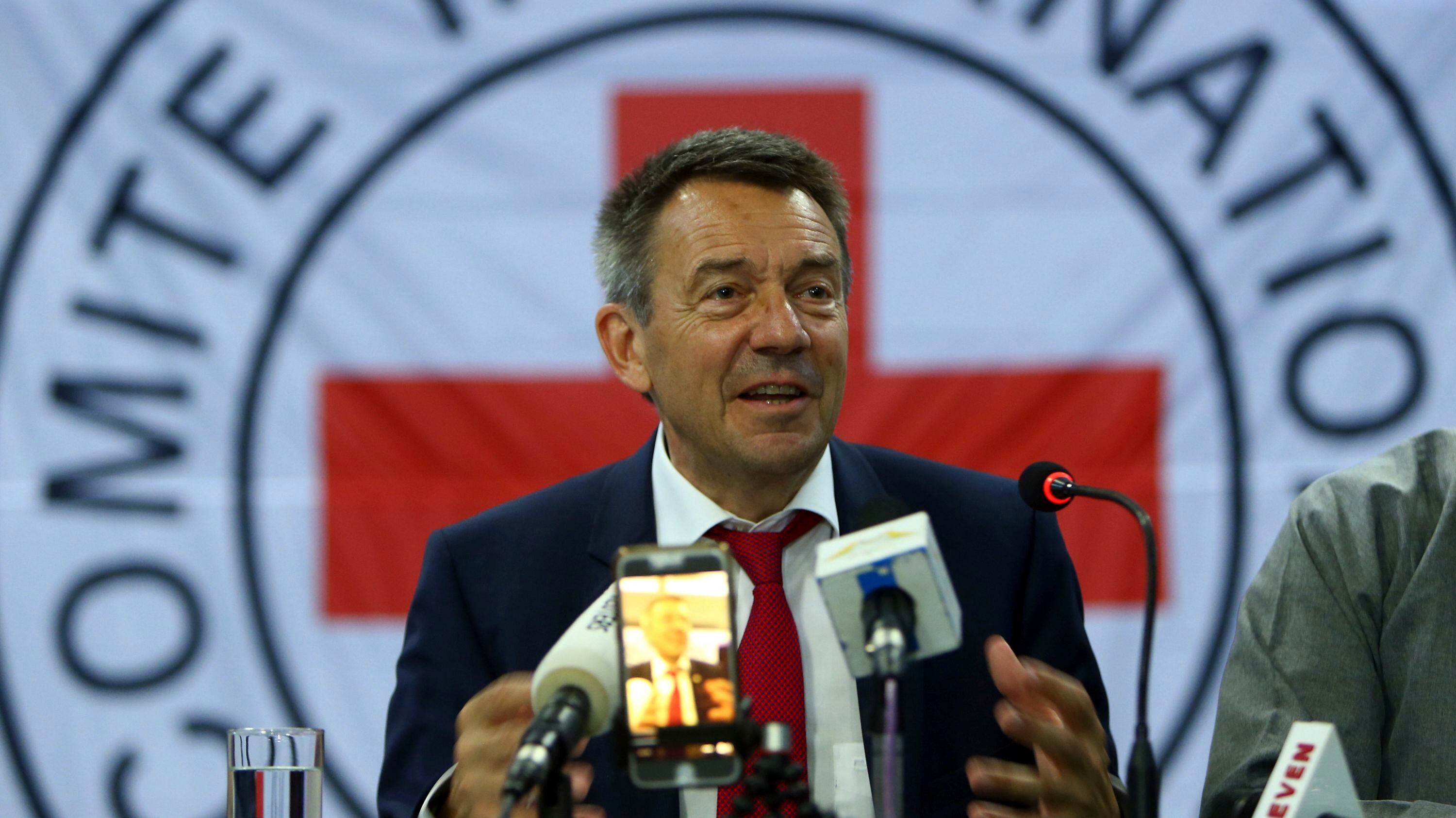
Peter Maurer, president of the International Committee of the Red Cross (ICRC), told Cheddar Monday that the countries that drew the most concerns could take this opportunity to build better health systems going forward.
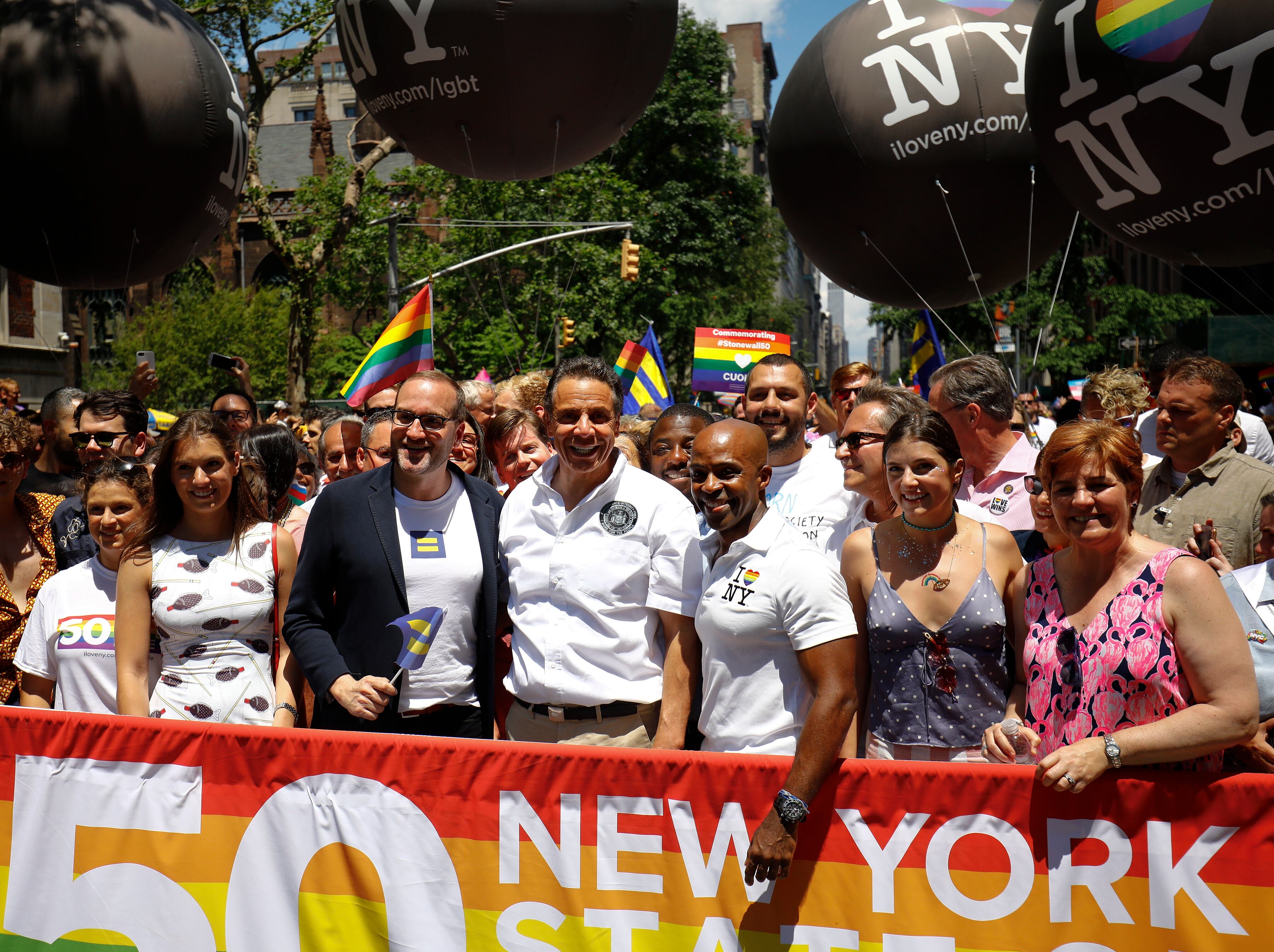
New York City won’t allow public events in June, including three of the city’s major annual celebrations: the National Puerto Rican Day Parade, the Celebrate Israel parade, and the Pride parade on its 50th anniversary.
Stocks are falling in early trading on Wall Street as oil prices collapse and momentum from a recent rally faded. Crude prices are plummeting amid concerns that storage facilities are close to being full.
The United States is struggling to test enough people for the novel coronavirus so officials can track and control the spread of the disease.
From Wall Street to Silicon Valley, these are the top stories that moved markets and had investors, business leaders, and entrepreneurs talking this week on Cheddar.