By Jessica Gresko
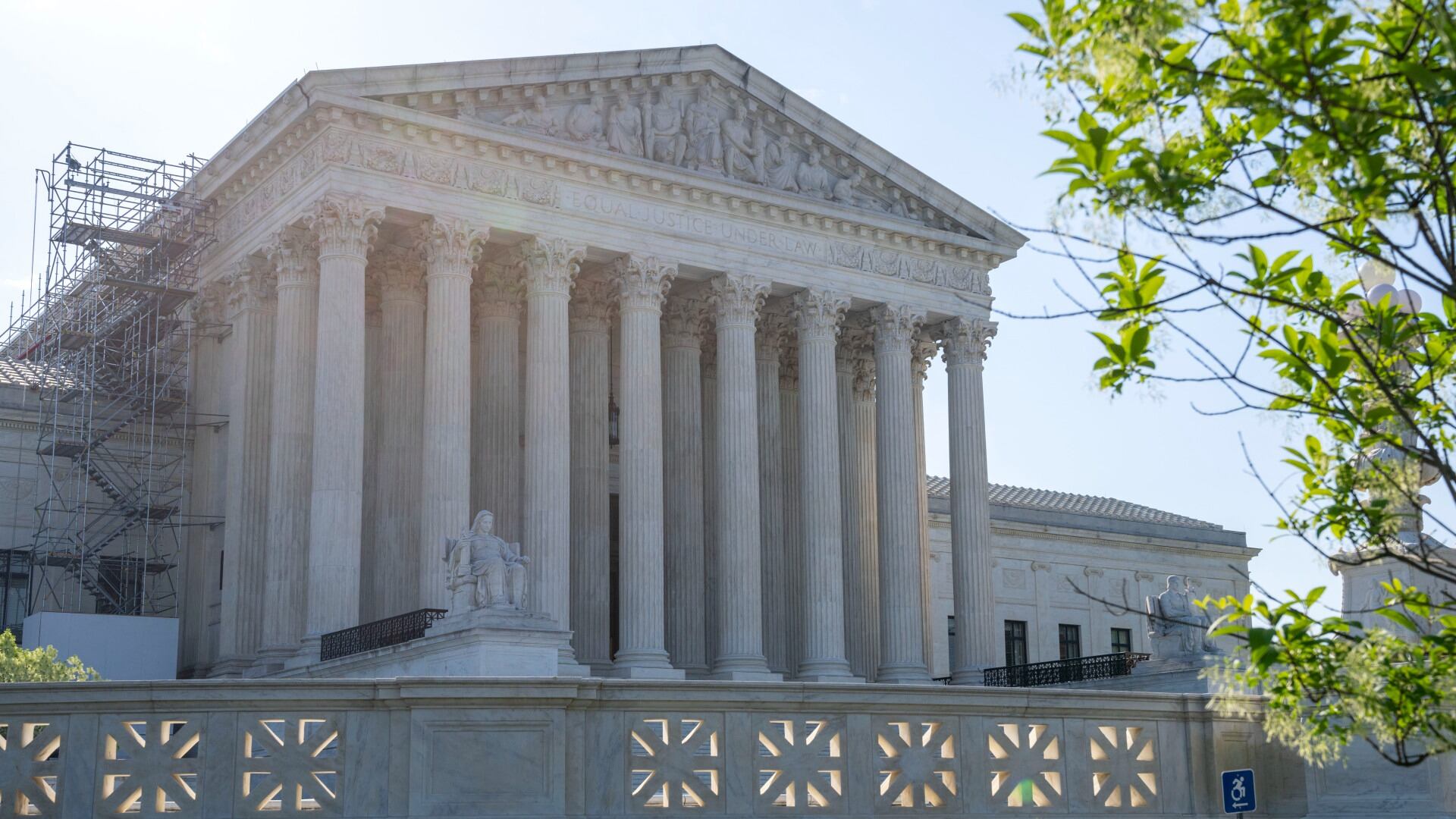
The Supreme Court said Monday it won't review North Carolina's decision to stop issuing specialty license plates with the Confederate flag.
As is typical, the court did not comment in declining to hear the case, which challenged the state's decision. The dispute was one of many the court said Monday it would not hear. It was similar to a case originating in Texas that the court heard in 2015, when it ruled the license plates are state property.
The current dispute stems from North Carolina's 2021 decision to stop issuing specialty license plates bearing the insignia of the North Carolina chapter of the Sons of Confederate Veterans. The chapter sued, claiming that the state's decision violated state and federal law. A lower court dismissed the case, and a federal appeals court agreed with that decision.
North Carolina offers three standard license plates and more than 200 specialty plates. Civic clubs including the Sons of Confederate Veterans can create specialty plates by meeting specific requirements.
In 2021, however, the state Department of Transportation sent the group a letter saying it would "no longer issue or renew specialty license plates bearing the Confederate battle flag or any variation of that flag" because the plates "have the potential to offend those who view them."
The state said it would consider alternate artwork for the plates' design if it does not contain the Confederate flag.
The organization unsuccessfully argued that the state's decision violated its free speech rights under the Constitution's First Amendment and state law governing specialty license plates.
In 2015, the Sons of Confederate Veterans’ Texas chapter claimed Texas was wrong not to issue a specialty license plate with the group's insignia. But the Supreme Court ruled 5-4 that Texas could limit the content of license plates because they are state property.
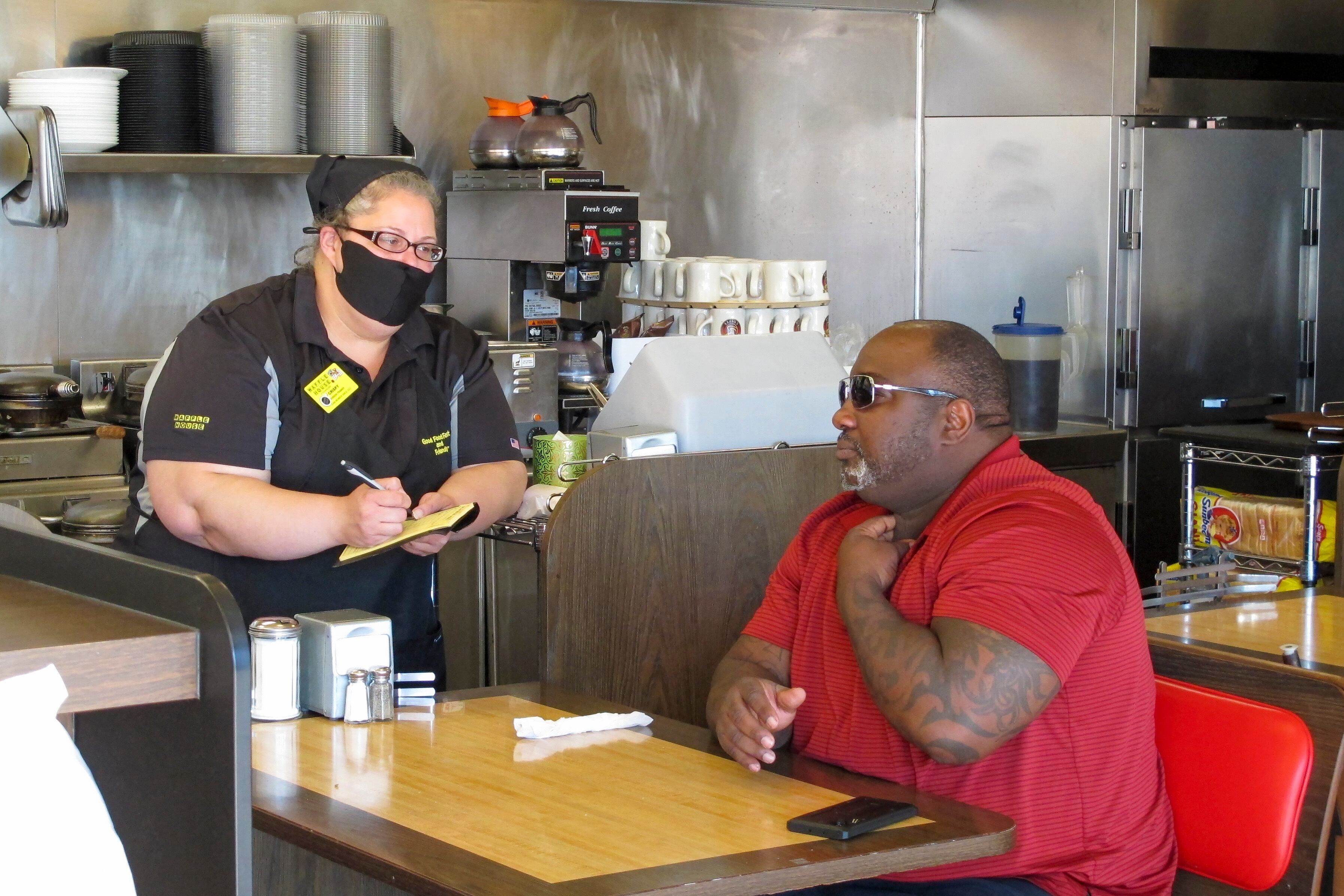
Some Georgia restaurants began reopening dine-in areas in line with an executive order from Gov. Brian Kemp that went into effect Monday.
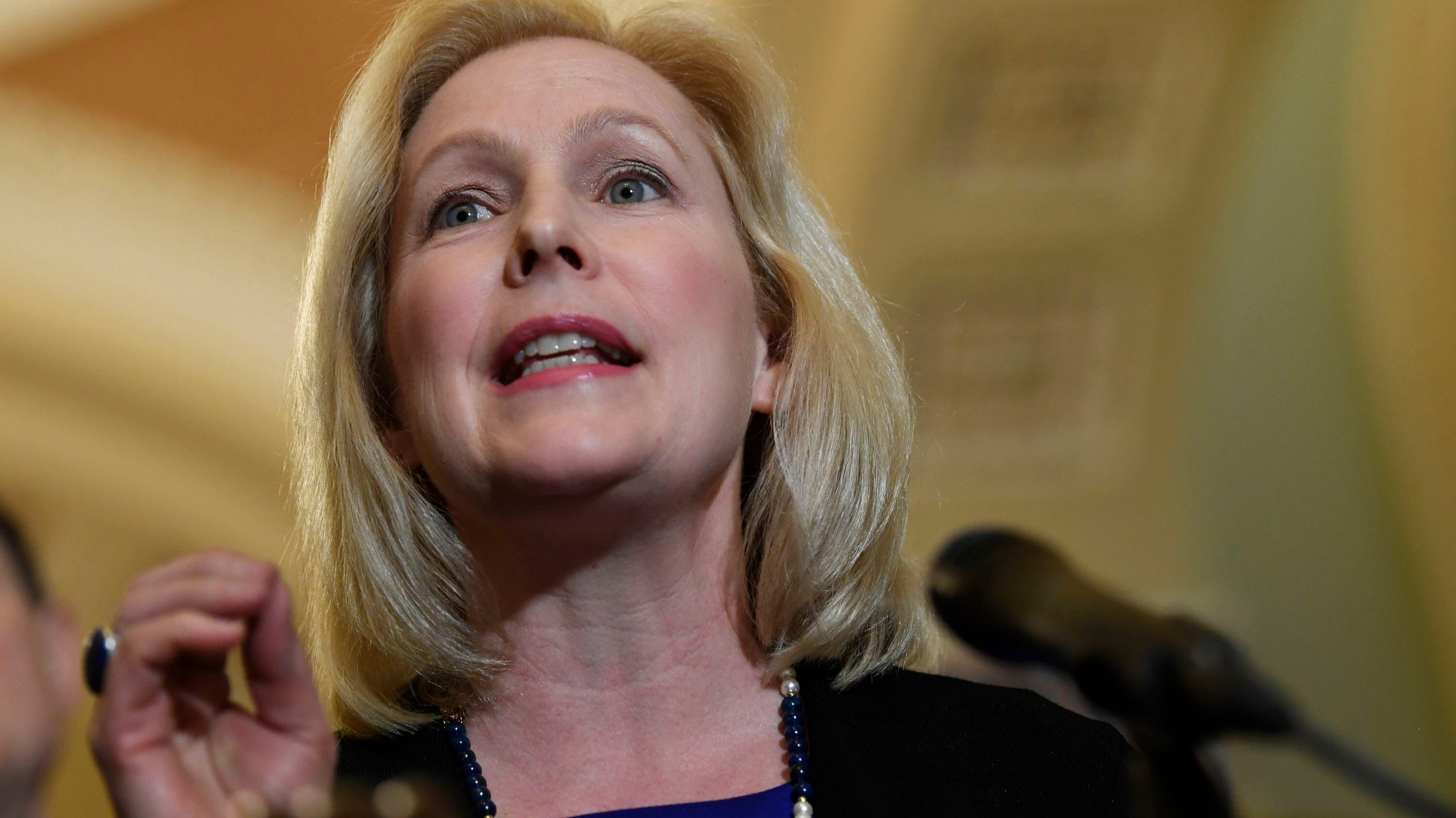
The senator told Cheddar Monday that banking through the U.S. Postal Service will be able to serve more people during the pandemic, specifically low-income families, who are more likely to be unbanked.
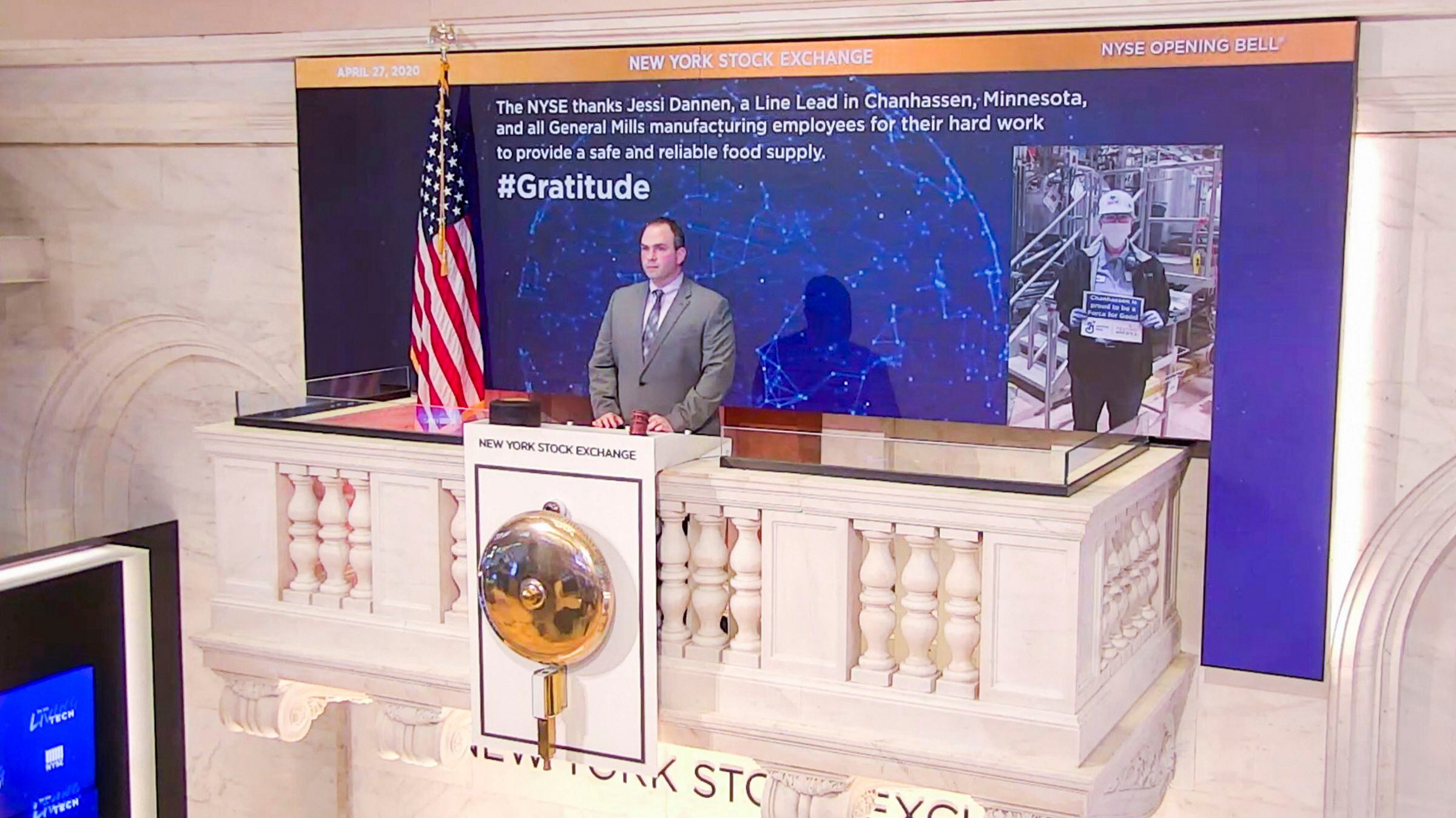
Stocks are closing higher on Wall Street and around the world as governments prepare to gradually lift restrictions they imposed on businesses to slow the sweep of the coronavirus pandemic.
The Trump administration is reviewing new federal plans designed to guide restaurants, schools and others as states look to gradually lift their coronavirus restrictions. The draft guidance from the Centers for Disease Control and Prevention has been sent to Washington and still could change.
New York has canceled its Democratic presidential primary originally scheduled for June 23 amid the coronavirus epidemic in an unprecedented move. The Democratic members of the State’s Board of Elections voted Monday to nix the primary.
Stocks are rising around the world as governments prepare to gradually lift restrictions they imposed on businesses to slow the sweep of the coronavirus pandemic.
From Wall Street to Silicon Valley, these are the top stories that moved markets and had investors, business leaders, and entrepreneurs talking this week on Cheddar.
Stocks are closing out a tumultuous week with broad gains, led by familiar names in technology including Apple. The S&P 500 rose 1.4% Friday but still ended the week lower, breaking a two-week winning streak.
Jay Farner, CEO of Quicken Loans, told Cheddar Friday that the company is focused on educating customers about their available options.
Cheddar spoke with several small business owners across Georgia to find out which factors went into their decision to either reopen this Friday or stay closed until further notice.