By Jessica Gresko
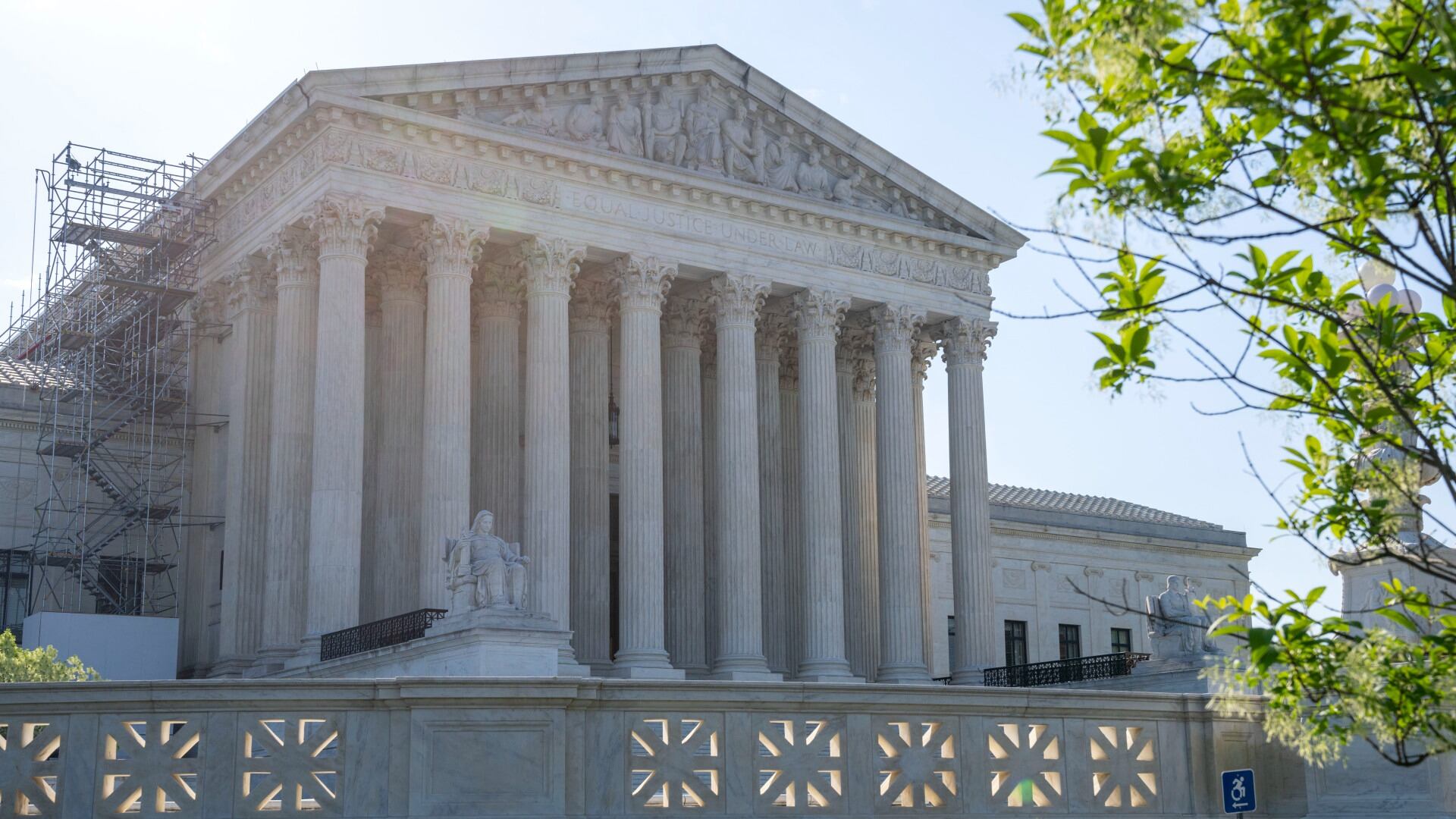
The Supreme Court said Monday it won't review North Carolina's decision to stop issuing specialty license plates with the Confederate flag.
As is typical, the court did not comment in declining to hear the case, which challenged the state's decision. The dispute was one of many the court said Monday it would not hear. It was similar to a case originating in Texas that the court heard in 2015, when it ruled the license plates are state property.
The current dispute stems from North Carolina's 2021 decision to stop issuing specialty license plates bearing the insignia of the North Carolina chapter of the Sons of Confederate Veterans. The chapter sued, claiming that the state's decision violated state and federal law. A lower court dismissed the case, and a federal appeals court agreed with that decision.
North Carolina offers three standard license plates and more than 200 specialty plates. Civic clubs including the Sons of Confederate Veterans can create specialty plates by meeting specific requirements.
In 2021, however, the state Department of Transportation sent the group a letter saying it would "no longer issue or renew specialty license plates bearing the Confederate battle flag or any variation of that flag" because the plates "have the potential to offend those who view them."
The state said it would consider alternate artwork for the plates' design if it does not contain the Confederate flag.
The organization unsuccessfully argued that the state's decision violated its free speech rights under the Constitution's First Amendment and state law governing specialty license plates.
In 2015, the Sons of Confederate Veterans’ Texas chapter claimed Texas was wrong not to issue a specialty license plate with the group's insignia. But the Supreme Court ruled 5-4 that Texas could limit the content of license plates because they are state property.
Driven by a rare urgency, Senate Republicans are poised to unveil an extensive package of policing changes that includes new restrictions on police chokeholds and other practices.
From Wall Street to Silicon Valley, these are the top stories that moved markets and had investors, business leaders, and entrepreneurs talking this week on Cheddar.
In its semi-annual monetary policy report to Congress, the central bank said that the COVID-19 outbreak was causing “tremendous human and economic hardship across the United States and around the world.”
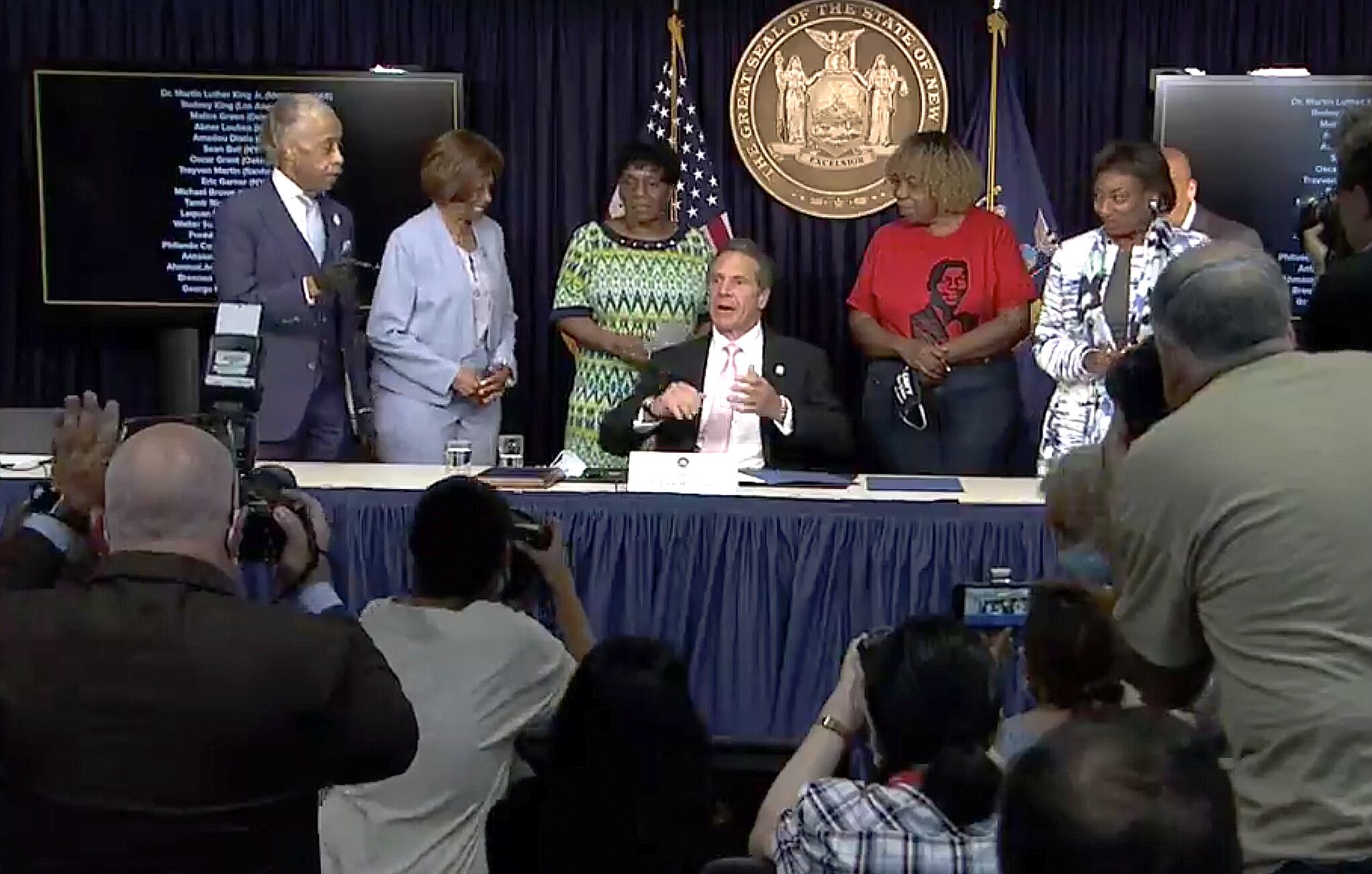
New York Gov. Andrew Cuomo has signed into law a sweeping package of police accountability measures that received new backing following protests of George Floyd's killing.
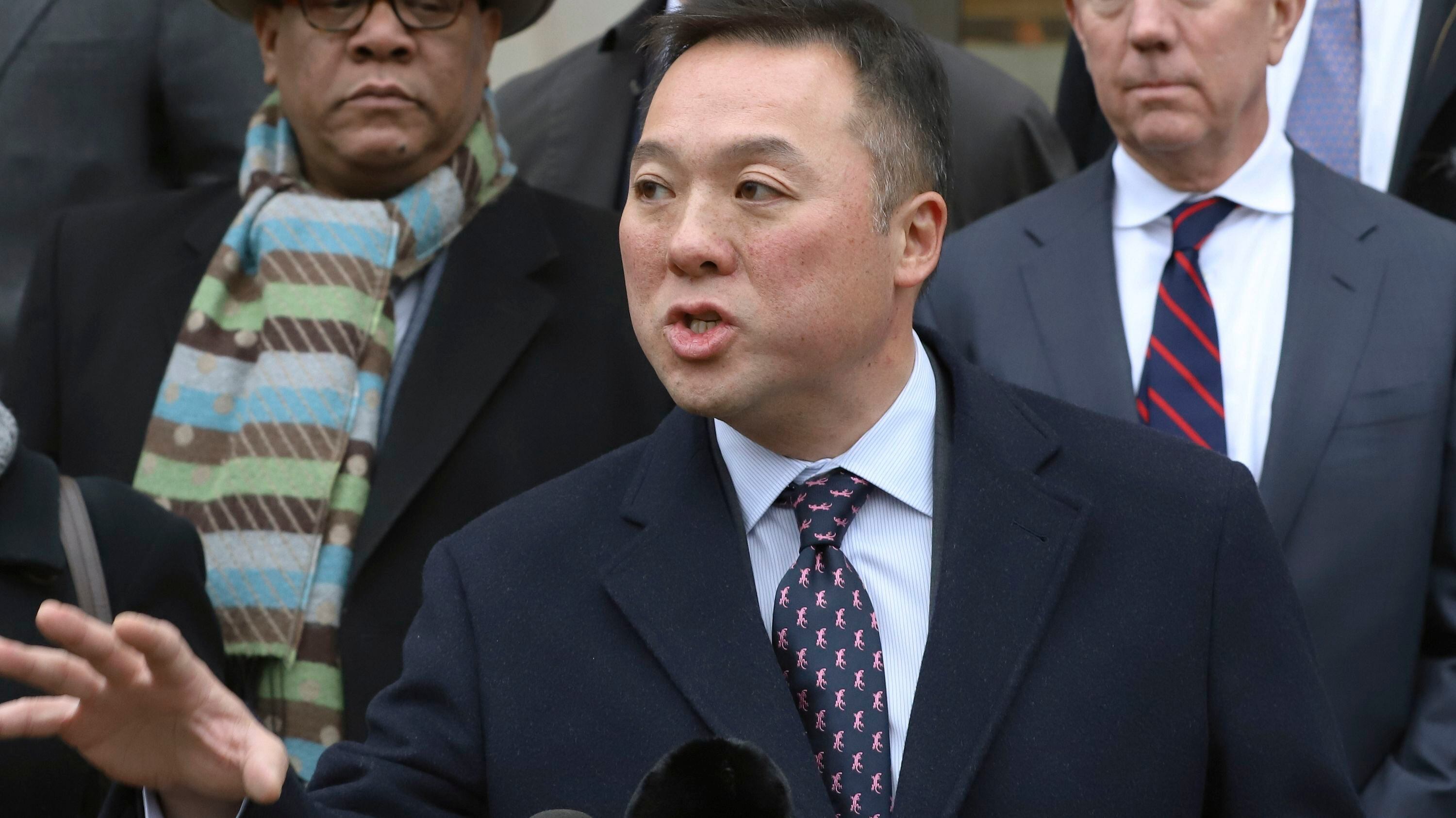
Connecticut Attorney General William Tong joined Cheddar to discuss the details of the investigation into the price-fixing of generic drugs.
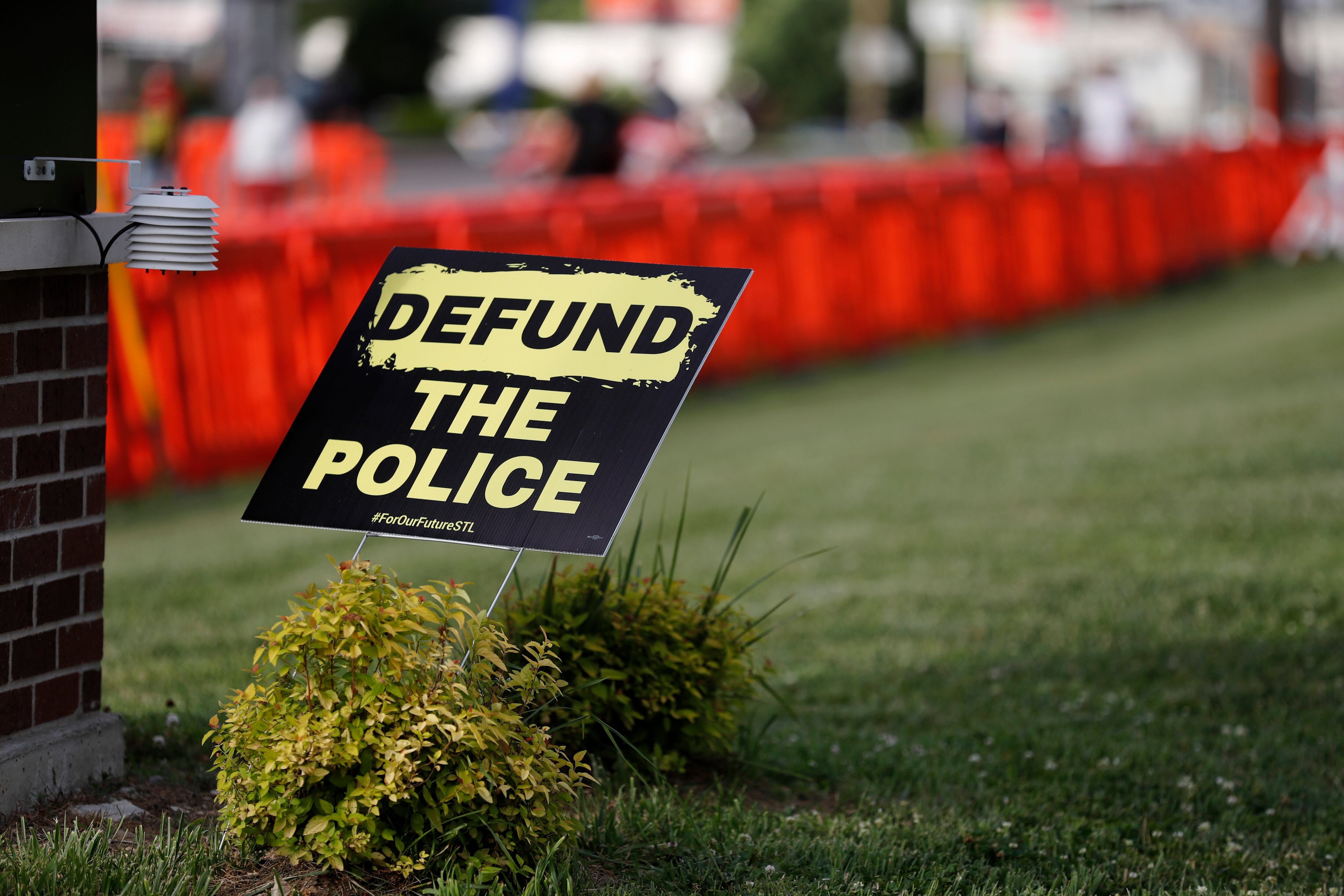
What exactly "defund" means in practice varies depending on who you're asking, but the broader goal is simple: funnel money away from law enforcement into other public programs.
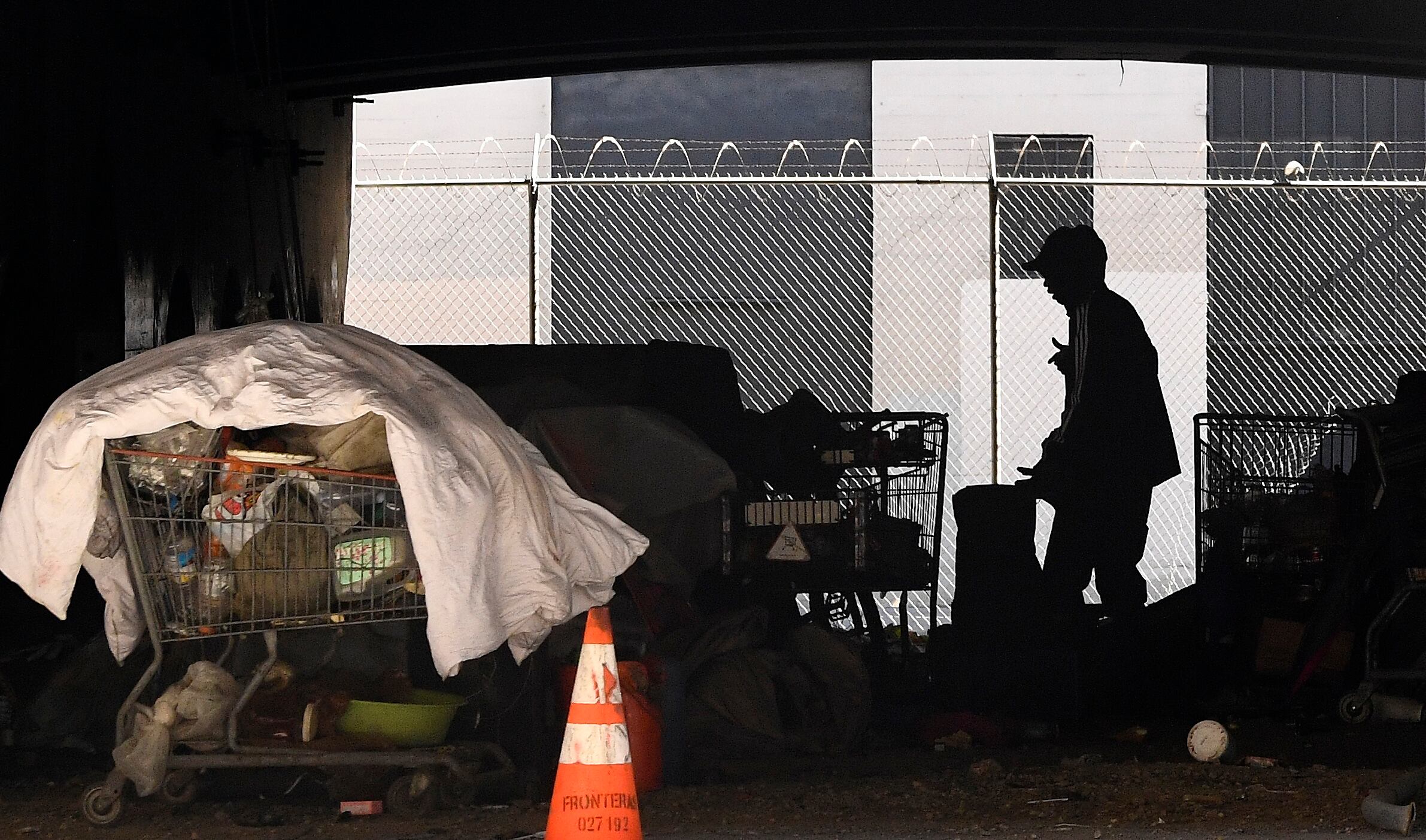
The problem of homelessness continues to get worse in Los Angeles County. The number of homeless people counted over the past year jumped nearly 13% to more than 66,000 and officials fear another spike due to the impact of the coronavirus pandemic.
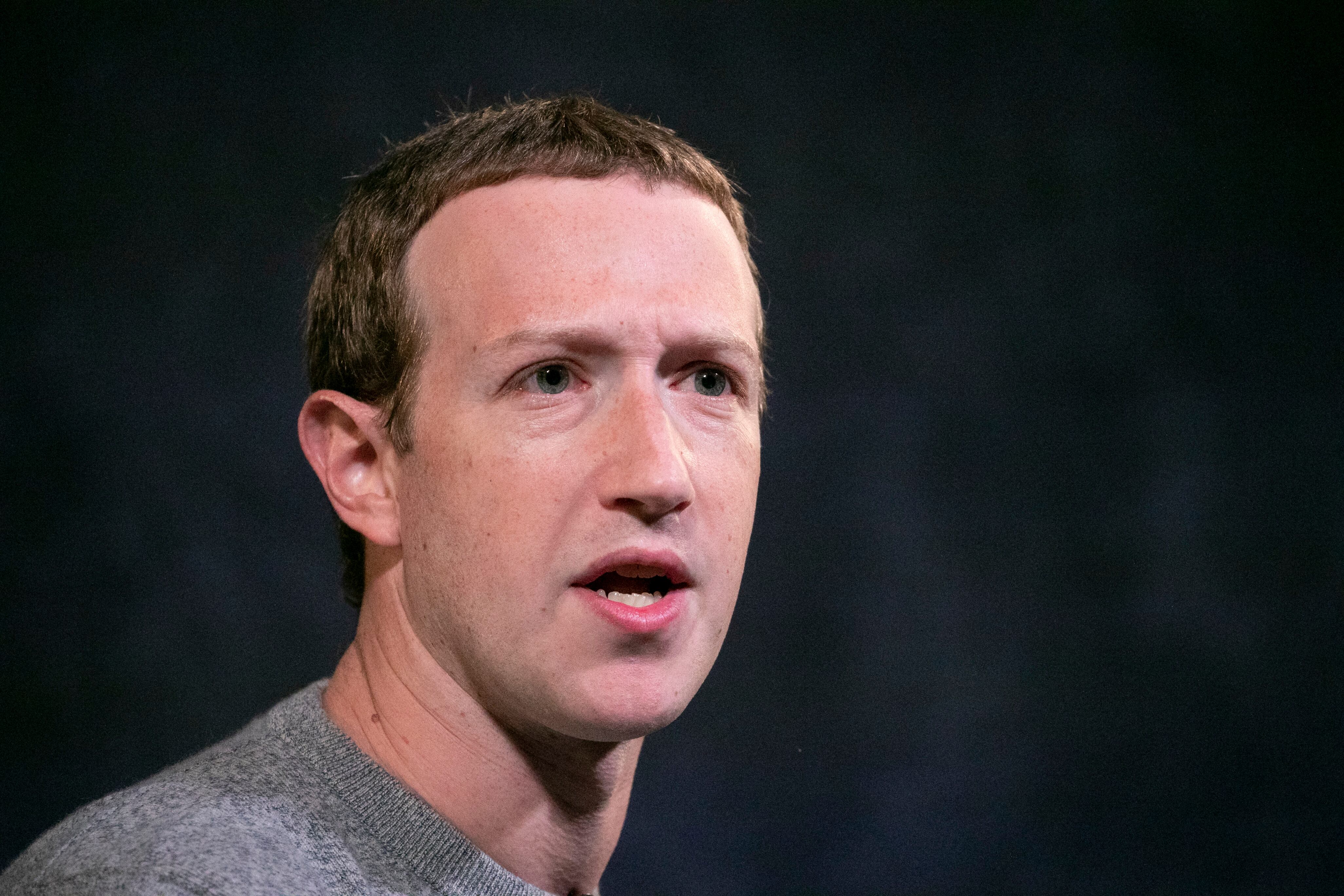
As Twitter waded into controversy for taking steps to fight misinformation and controversial remarks from perhaps its most famous tweeter, President Donald Trump, Facebook has taken the opposite tack, but with no less backlash.
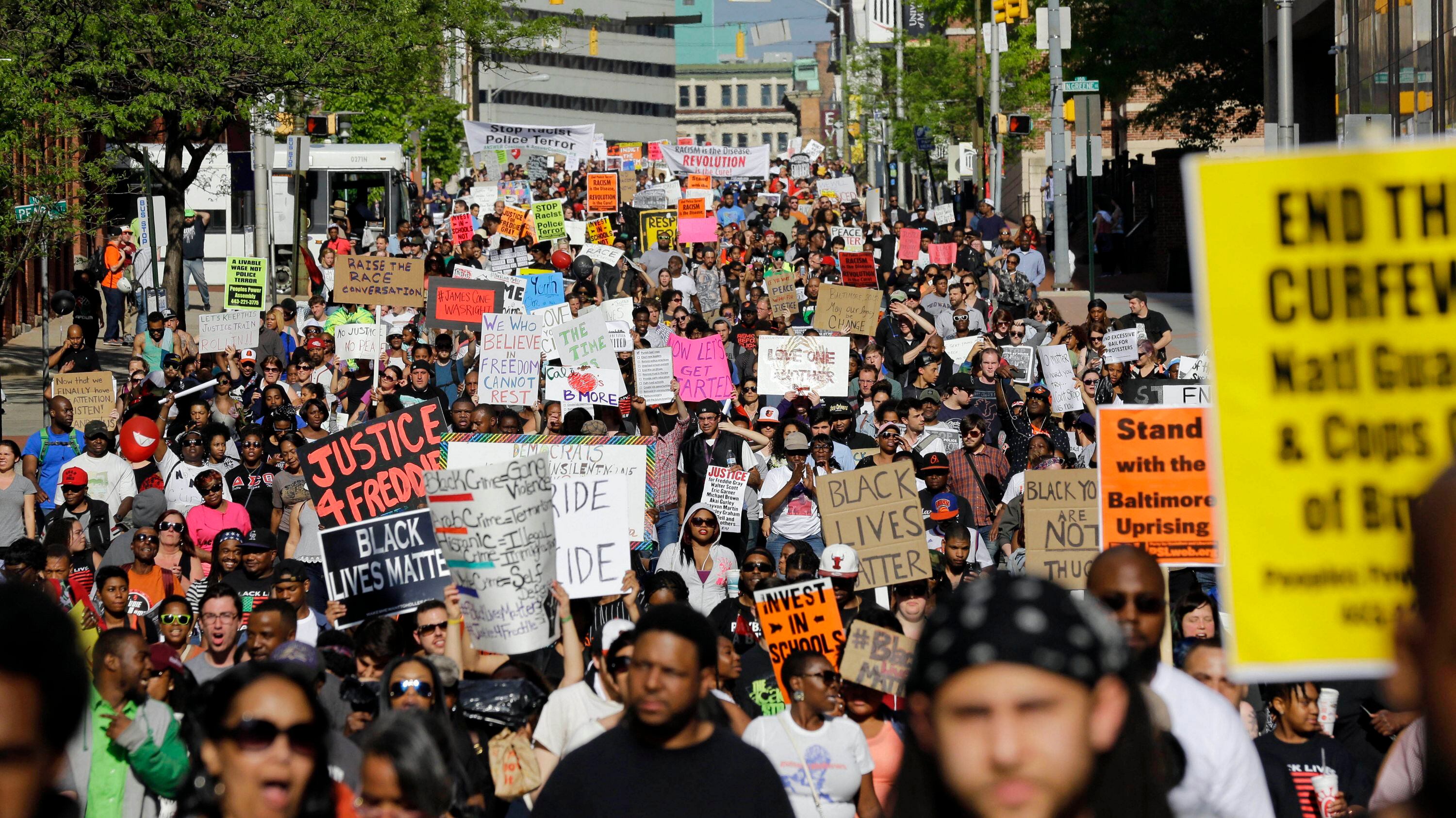
Will Jawando, Montgomery County, Maryland councilmember, has introduced a resolution deeming racism a public health crisis. Jawando explains how systemic racism negatively impacts the black community beyond policing.
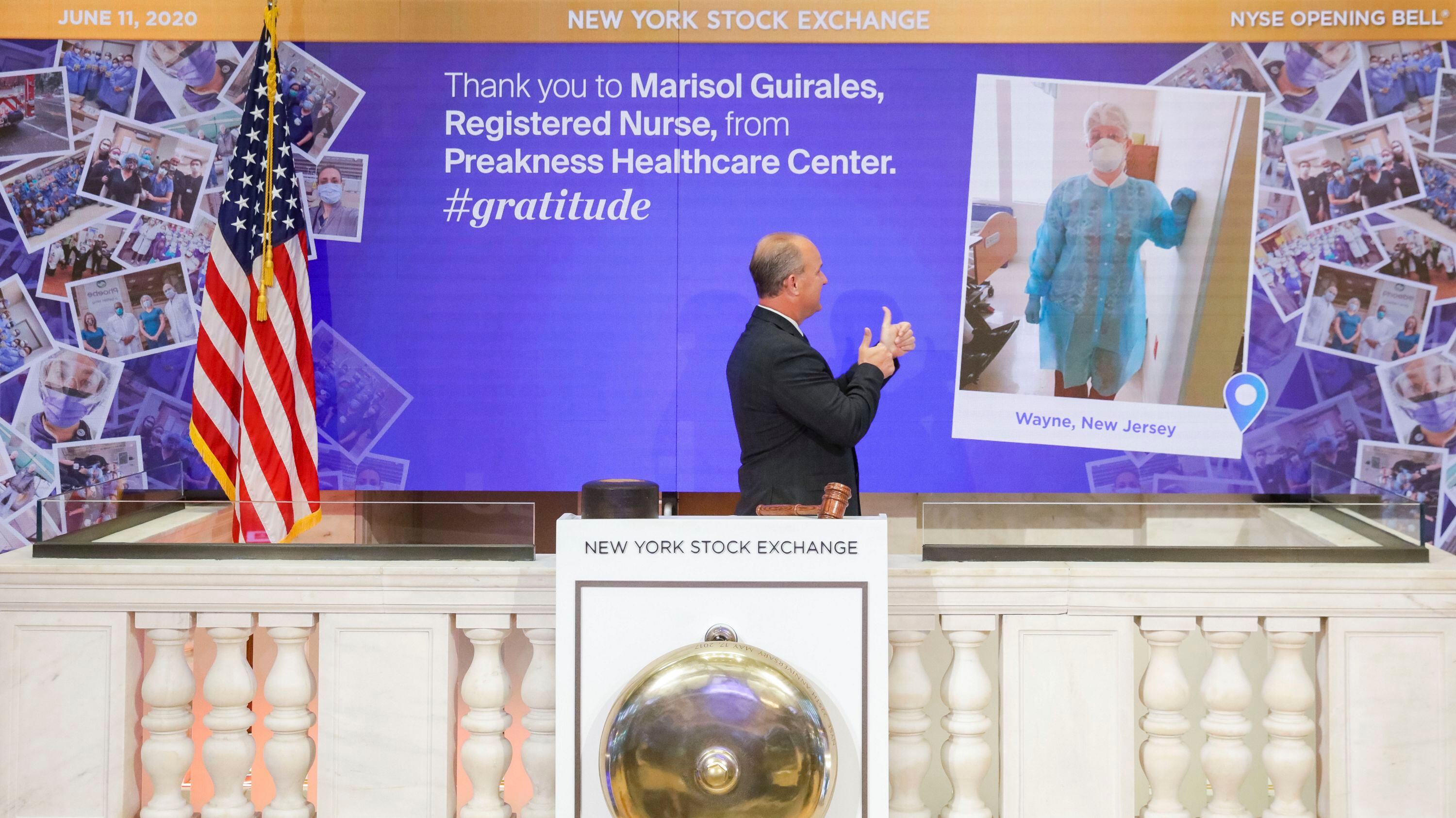
he Dow Jones industrials lost more than 1,800 points, nearly 7%, as increases in coronavirus cases deflated optimism that the economy could recover quickly from its worst crisis in decades.