By Jessica Gresko
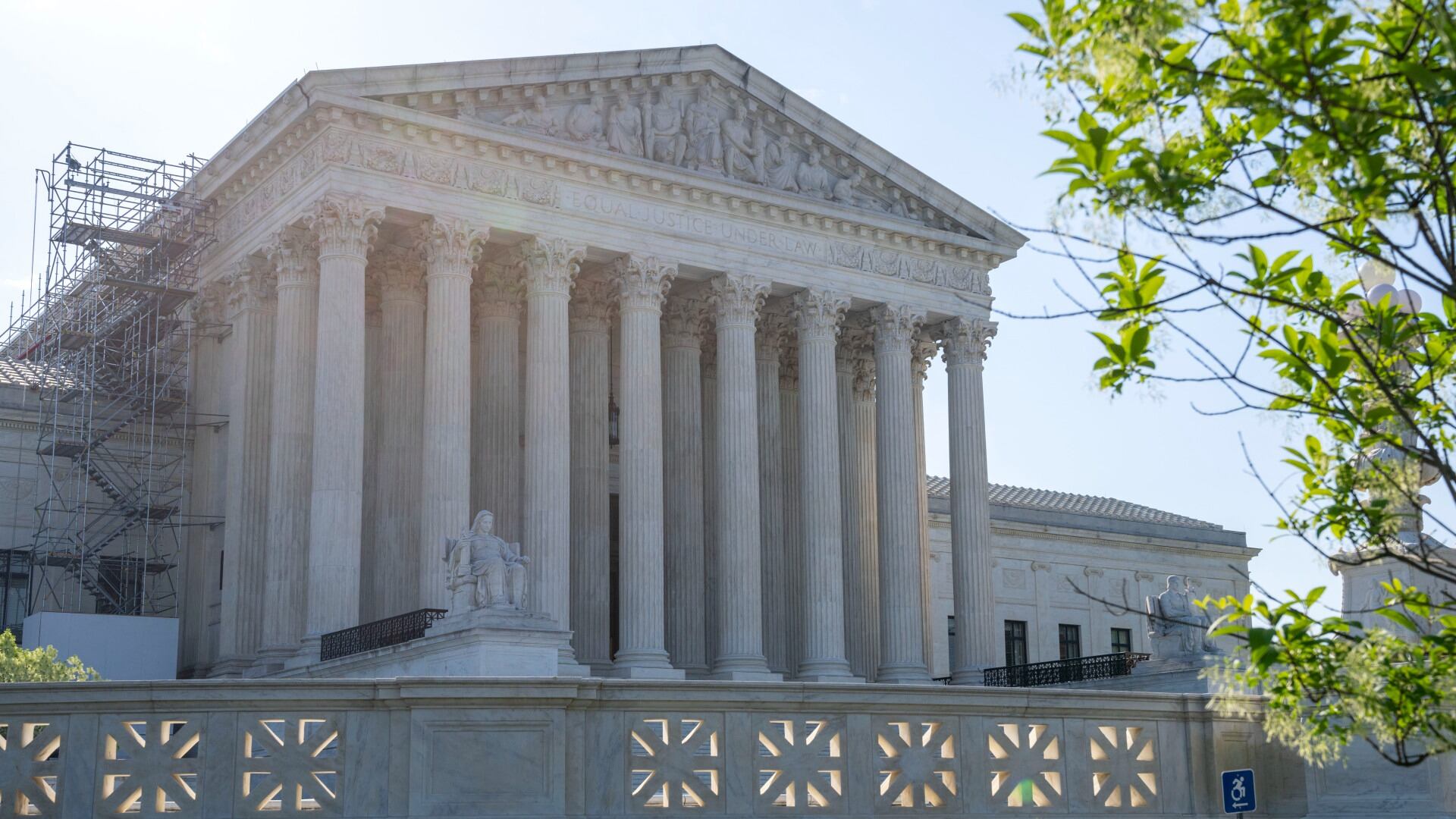
The Supreme Court said Monday it won't review North Carolina's decision to stop issuing specialty license plates with the Confederate flag.
As is typical, the court did not comment in declining to hear the case, which challenged the state's decision. The dispute was one of many the court said Monday it would not hear. It was similar to a case originating in Texas that the court heard in 2015, when it ruled the license plates are state property.
The current dispute stems from North Carolina's 2021 decision to stop issuing specialty license plates bearing the insignia of the North Carolina chapter of the Sons of Confederate Veterans. The chapter sued, claiming that the state's decision violated state and federal law. A lower court dismissed the case, and a federal appeals court agreed with that decision.
North Carolina offers three standard license plates and more than 200 specialty plates. Civic clubs including the Sons of Confederate Veterans can create specialty plates by meeting specific requirements.
In 2021, however, the state Department of Transportation sent the group a letter saying it would "no longer issue or renew specialty license plates bearing the Confederate battle flag or any variation of that flag" because the plates "have the potential to offend those who view them."
The state said it would consider alternate artwork for the plates' design if it does not contain the Confederate flag.
The organization unsuccessfully argued that the state's decision violated its free speech rights under the Constitution's First Amendment and state law governing specialty license plates.
In 2015, the Sons of Confederate Veterans’ Texas chapter claimed Texas was wrong not to issue a specialty license plate with the group's insignia. But the Supreme Court ruled 5-4 that Texas could limit the content of license plates because they are state property.
Senator Jon Tester of Montana joined Cheddar to discuss movement on a new stimulus deal in Congress after talks paused in August. Tester also discusses how Joe Biden can win back rural voters this November.
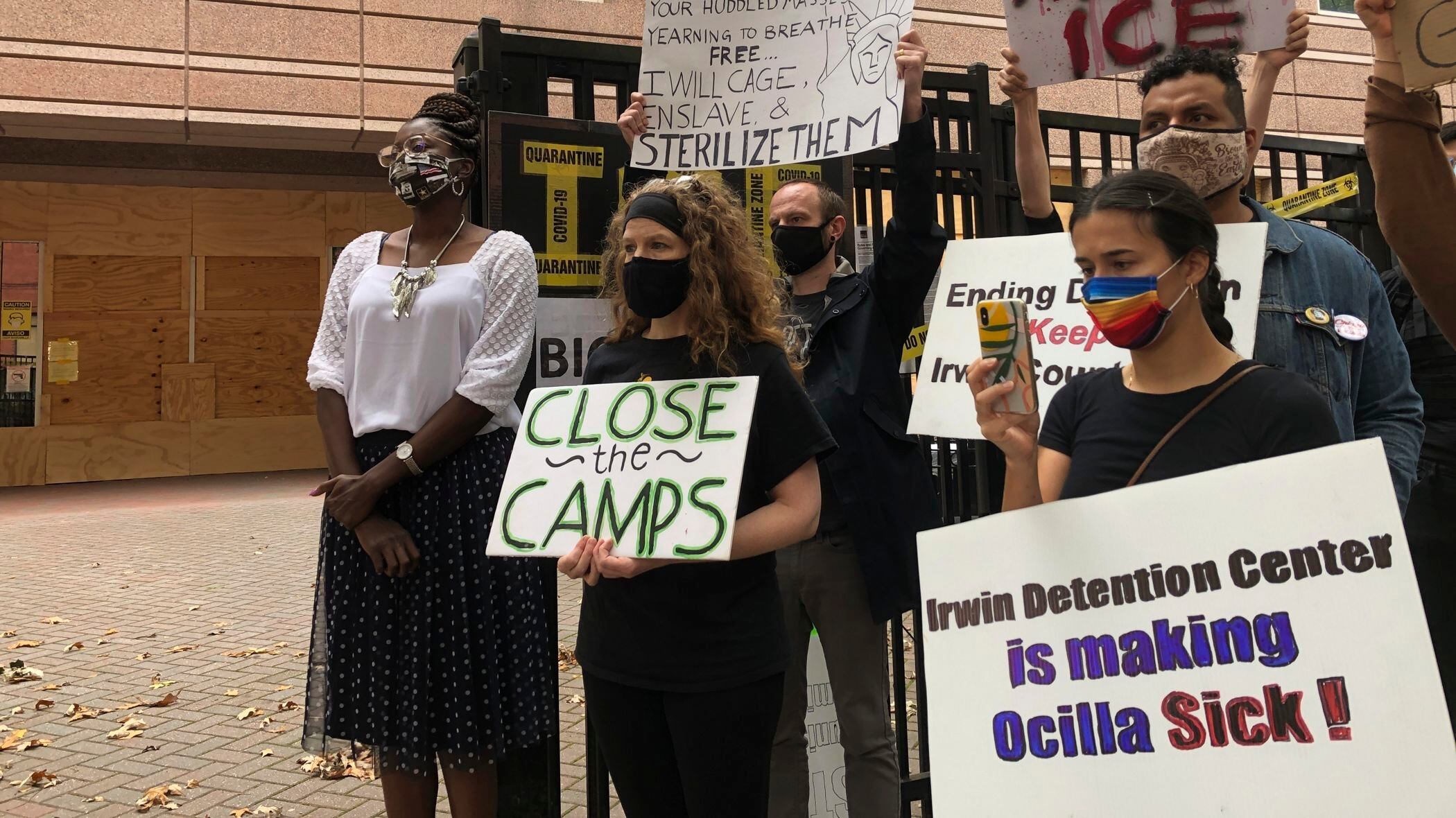
An Associated Press review found growing allegations that a gynecologist performed surgeries and other procedures that detained migrant women never sought or didn’t fully understand.
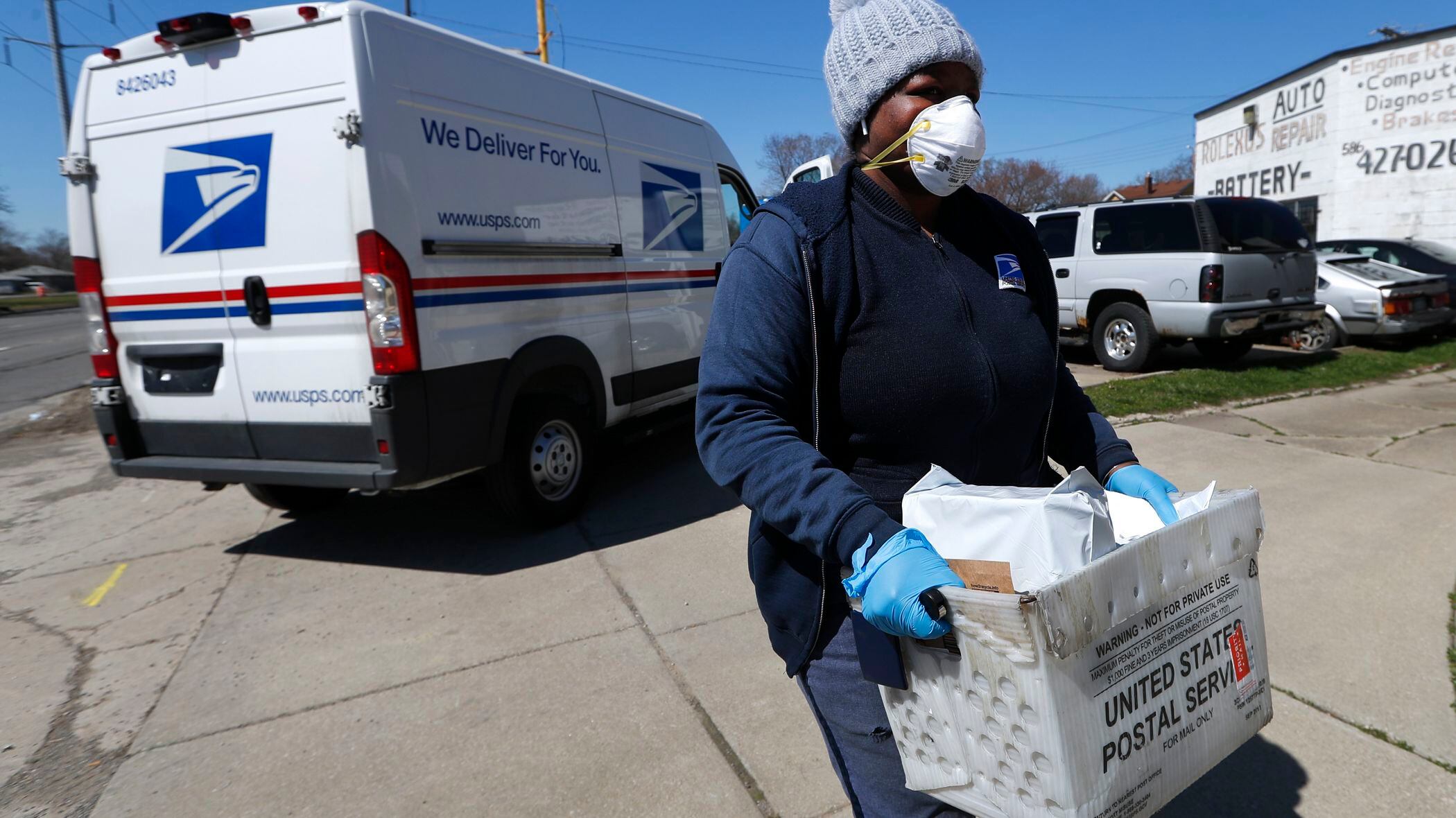
Judge Stanley Bastian in Yakima, Washington, said he was issuing a nationwide preliminary injunction sought by 14 states that sued the Trump administration and the U.S. Postal Service.
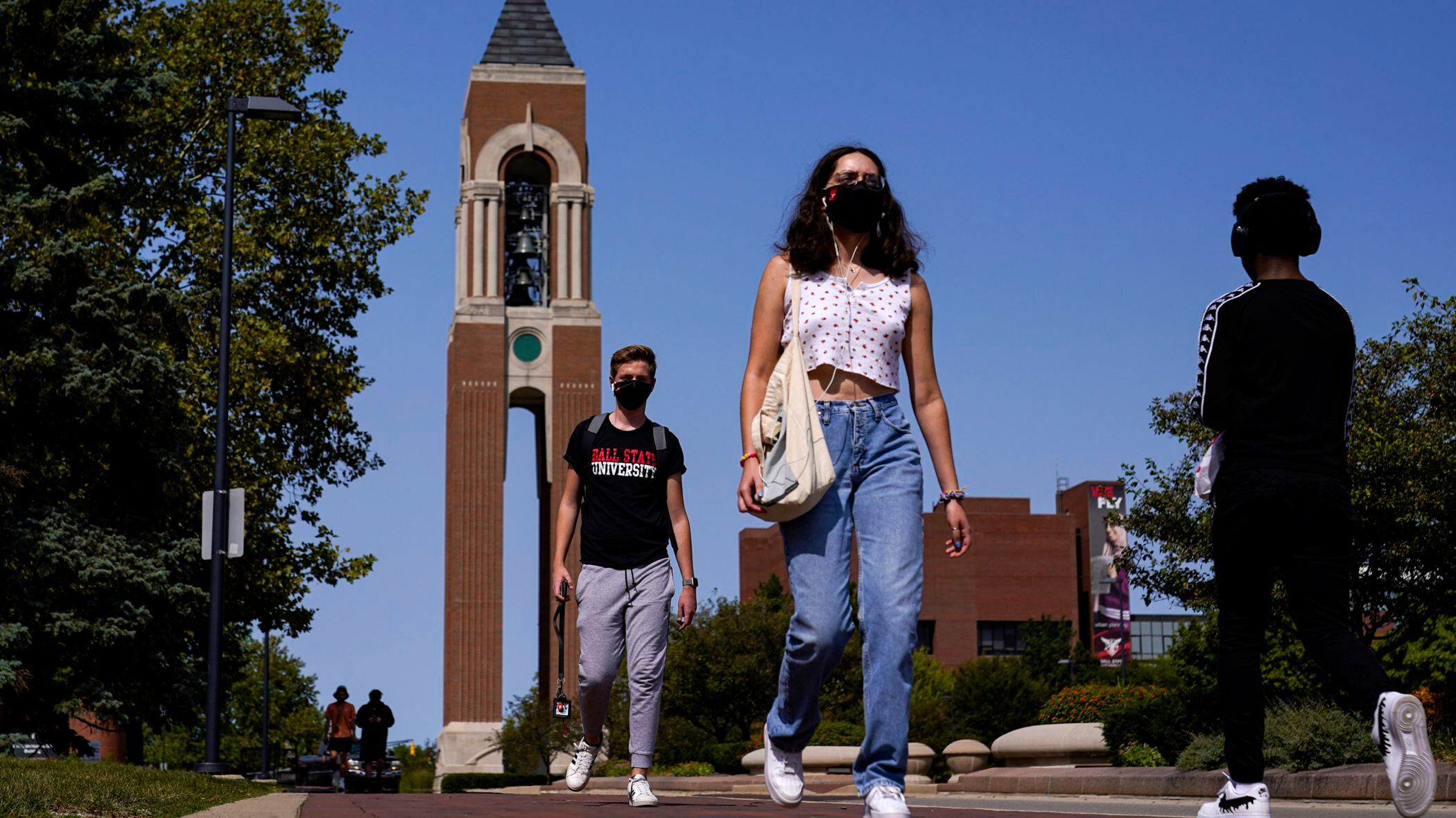
College towns across the U.S. have emerged as virus hot spots in recent weeks as schools struggle to contain the virus.
As the U.S. treks into the 7th month of the coronavirus pandemic, trust in government agencies and top medical officials is dropping among Republican voters. Dr. Richard Besser, president and CEO of the Robert Wood Johnson Foundation, joined Cheddar to discuss how people can navigate advice from medical professionals as some guidances are deemed political.
The Federal Reserve adjusted its inflation target to seek price increases above 2% annually, a move that will likely keep interest rates low for years to come.
The federal government is outlining a sweeping plan to make COVID-19 vaccines available for free to all Americans.
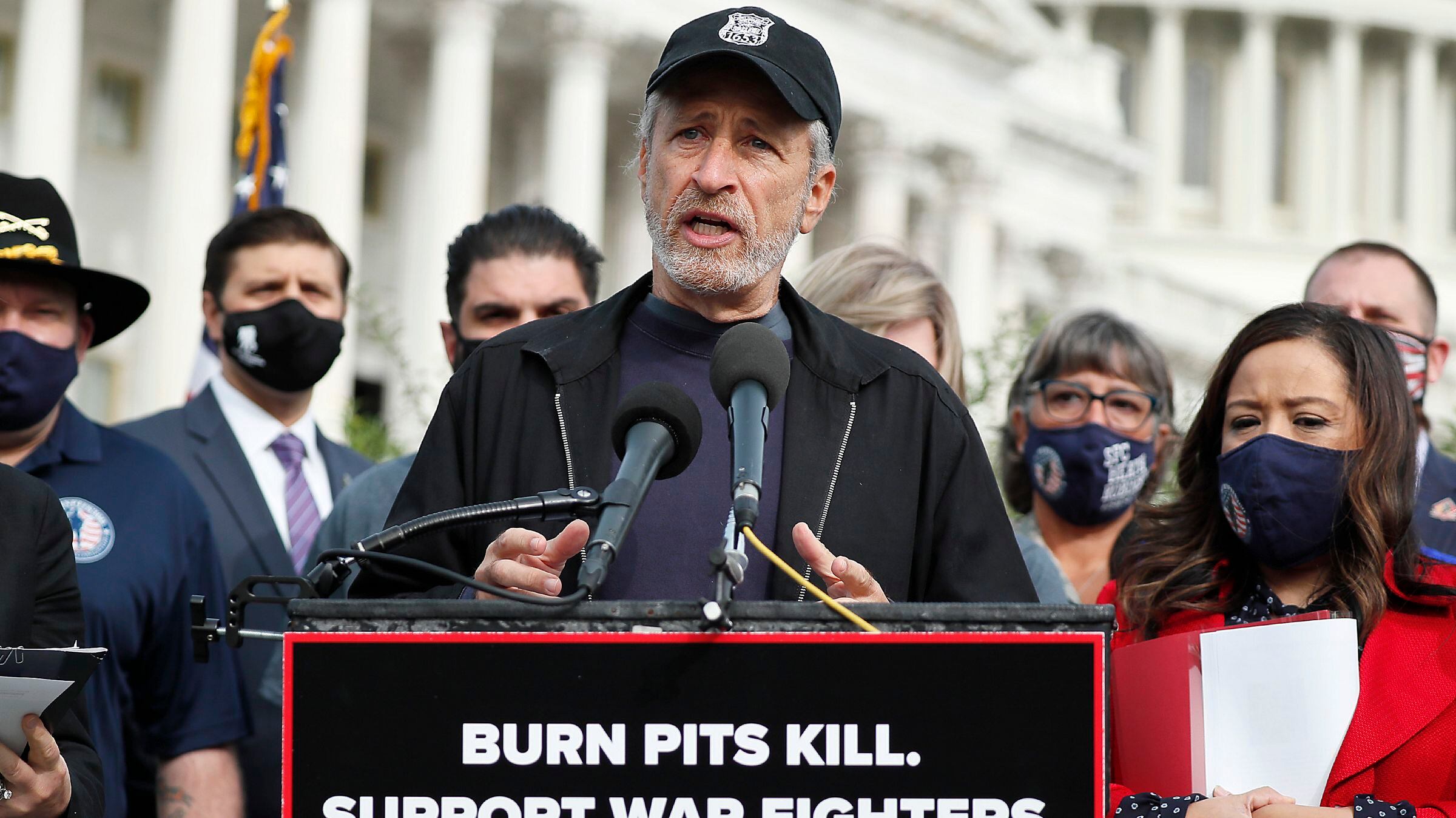
This week Jon Stewart helped bring forth new legislation aimed at providing financial relief for burn pit victims. Stewart said the battle with congress is just a continued fight in getting first responders aid in the 9/11 Victim Compensation Fund. Cheddar's JD Durkin reports.
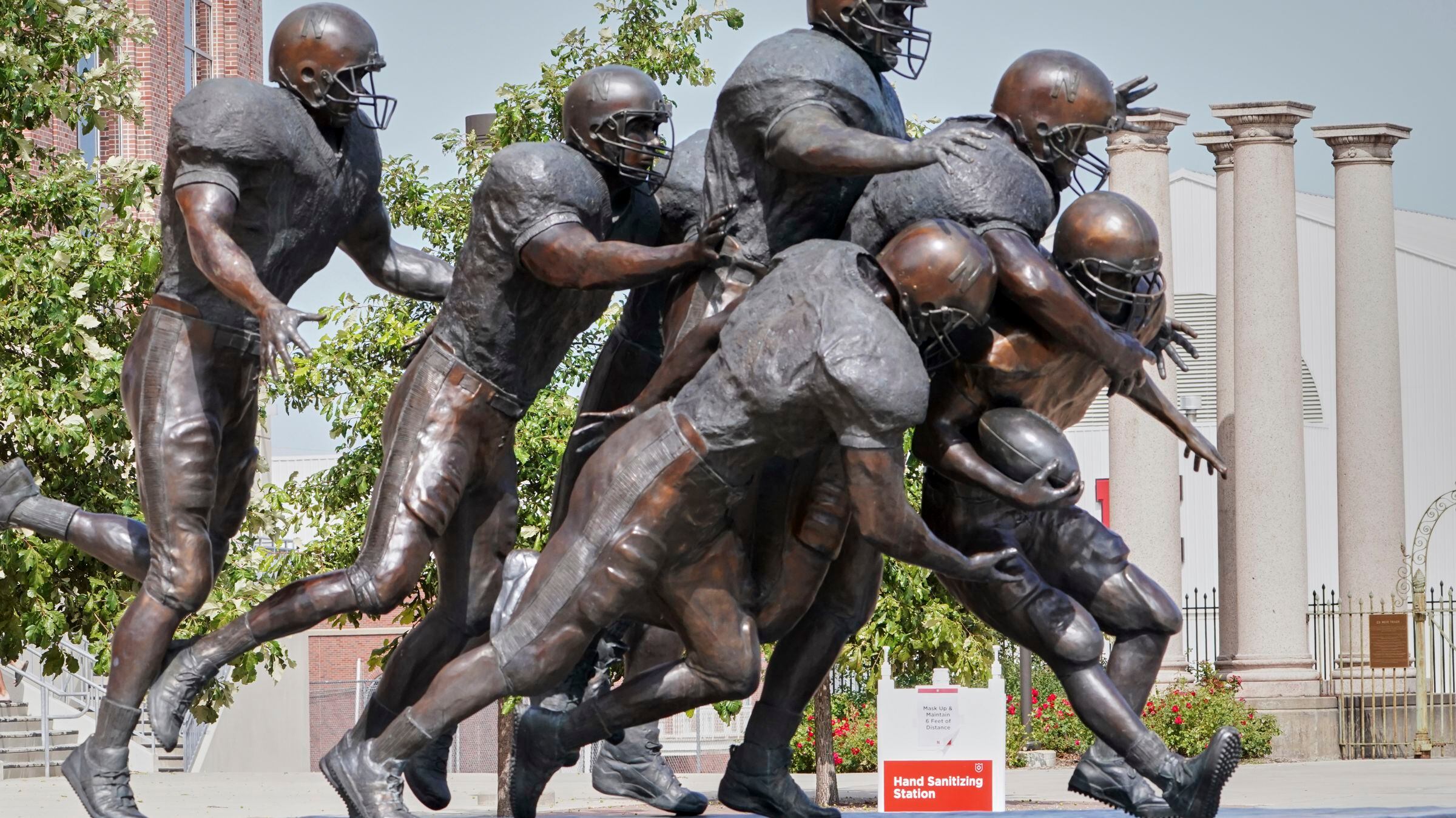
Less than five weeks after the conference announced it would push football and other fall sports to spring because of the pandemic, the conference changed course.
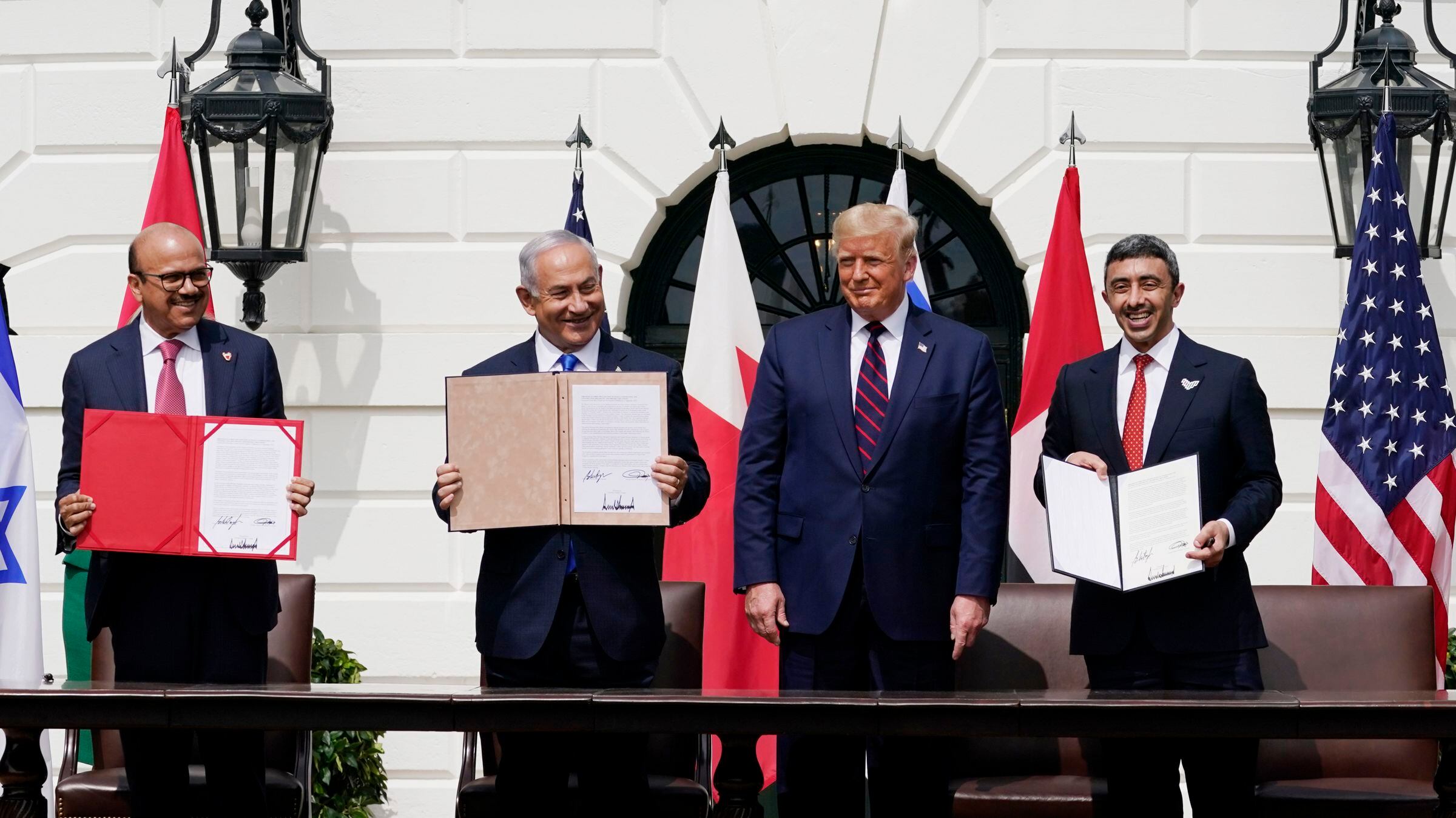
President Donald Trump is presiding over the signing of historic diplomatic deals between Israel and the United Arab Emirates and Bahrain that could herald a dramatic shift in Middle East power dynamics.