By Jessica Gresko
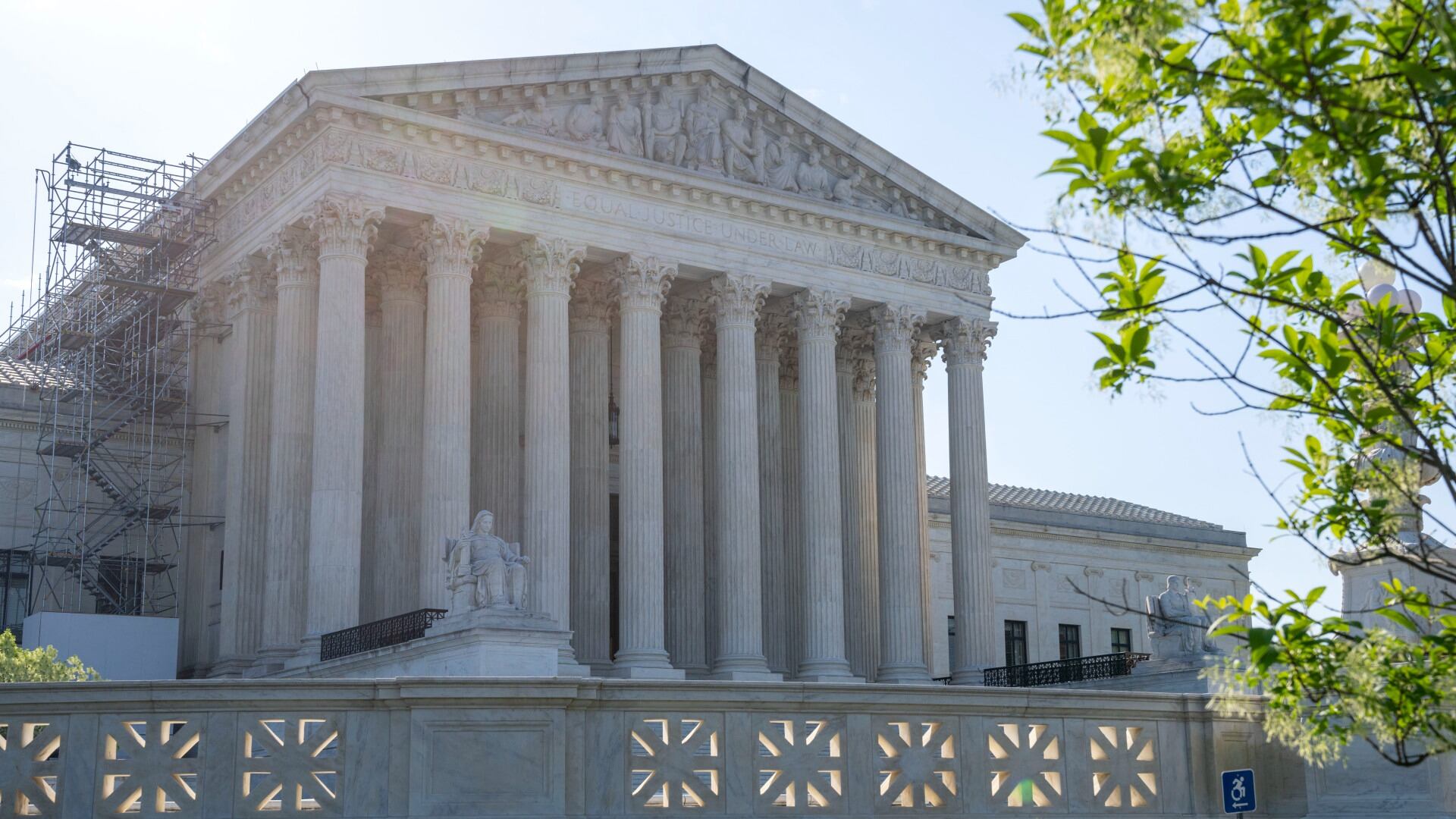
The Supreme Court said Monday it won't review North Carolina's decision to stop issuing specialty license plates with the Confederate flag.
As is typical, the court did not comment in declining to hear the case, which challenged the state's decision. The dispute was one of many the court said Monday it would not hear. It was similar to a case originating in Texas that the court heard in 2015, when it ruled the license plates are state property.
The current dispute stems from North Carolina's 2021 decision to stop issuing specialty license plates bearing the insignia of the North Carolina chapter of the Sons of Confederate Veterans. The chapter sued, claiming that the state's decision violated state and federal law. A lower court dismissed the case, and a federal appeals court agreed with that decision.
North Carolina offers three standard license plates and more than 200 specialty plates. Civic clubs including the Sons of Confederate Veterans can create specialty plates by meeting specific requirements.
In 2021, however, the state Department of Transportation sent the group a letter saying it would "no longer issue or renew specialty license plates bearing the Confederate battle flag or any variation of that flag" because the plates "have the potential to offend those who view them."
The state said it would consider alternate artwork for the plates' design if it does not contain the Confederate flag.
The organization unsuccessfully argued that the state's decision violated its free speech rights under the Constitution's First Amendment and state law governing specialty license plates.
In 2015, the Sons of Confederate Veterans’ Texas chapter claimed Texas was wrong not to issue a specialty license plate with the group's insignia. But the Supreme Court ruled 5-4 that Texas could limit the content of license plates because they are state property.
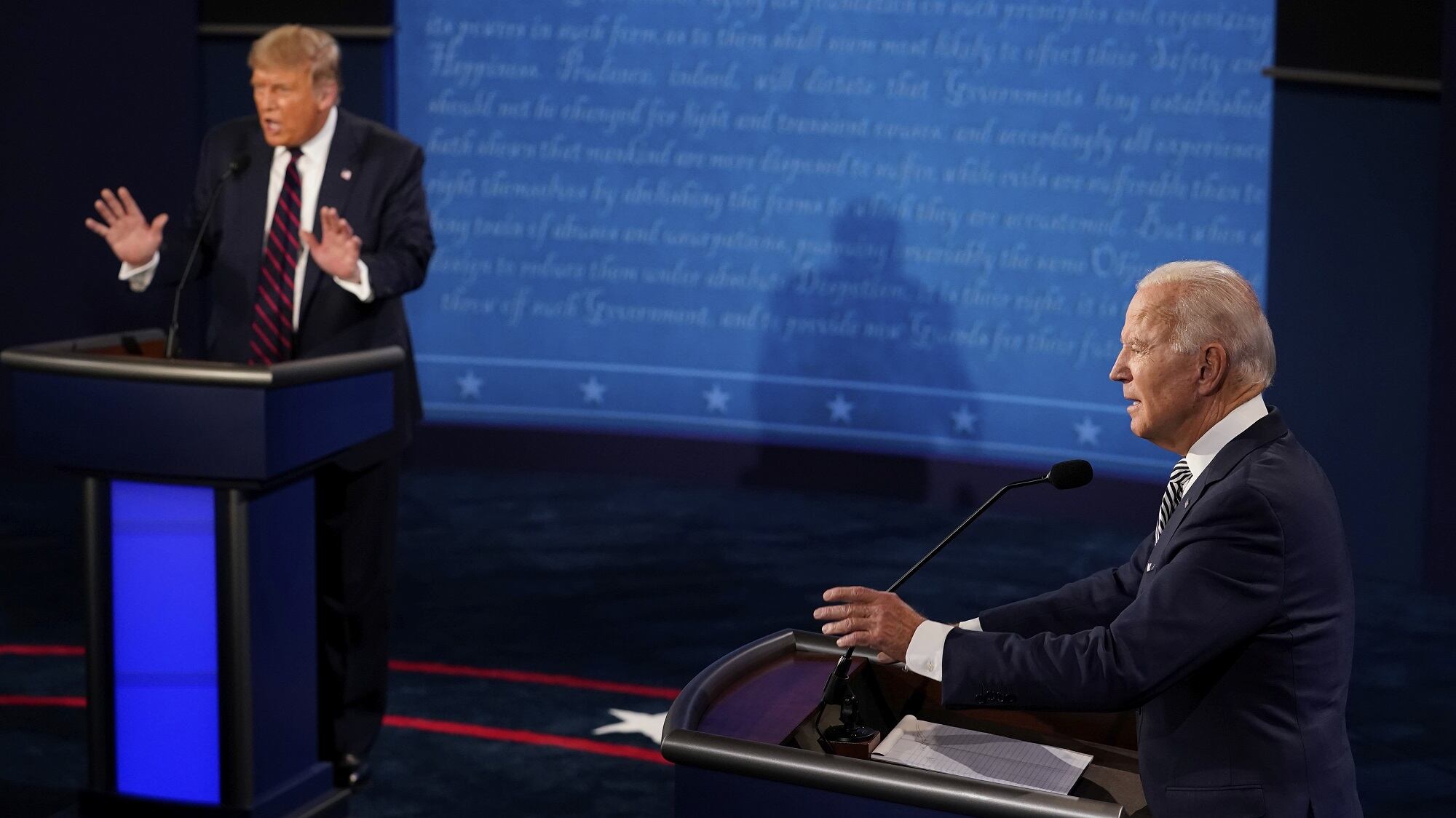
President Donald Trump and Democratic rival Joe Biden sparred Tuesday in their first of three debates, hoping to sway undecided voters planning to cast ballots by mail and in person in the final weeks leading up to the Nov. 3 election.
A look at how their statements from Cleveland stack up with the facts.
Stocks ended with moderate losses Tuesday as investors waited for the first debate between President Donald Trump and Democratic challenger Joe Biden.
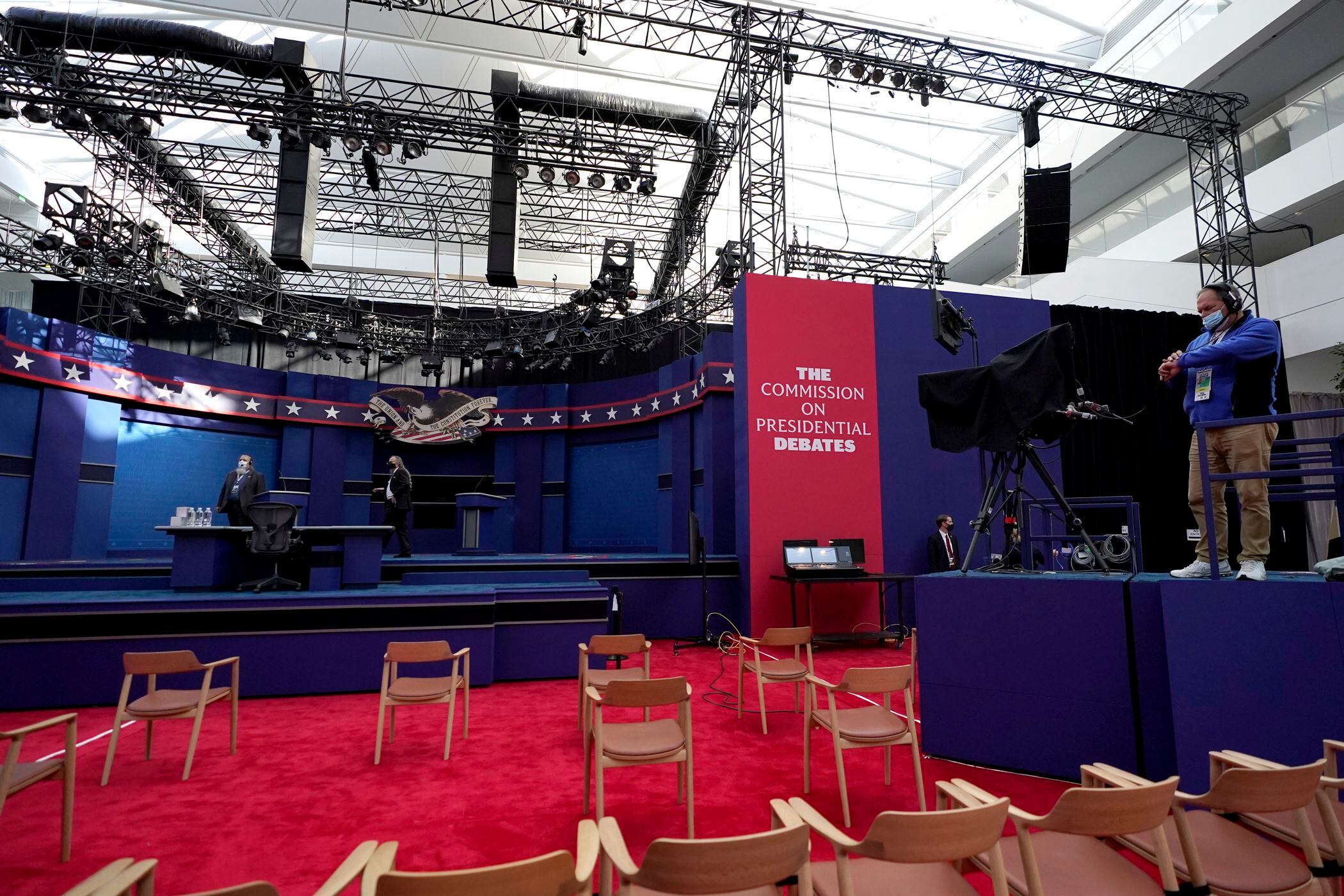
Joey Bergstein, Seventh Generation CEO, joined Cheddar to discuss the climate crisis and the presidential debate.
Democratic presidential nominee Joe Biden paid nearly $288,000 in federal income taxes last year, according to returns he released just hours before his debate with President Donald Trump.
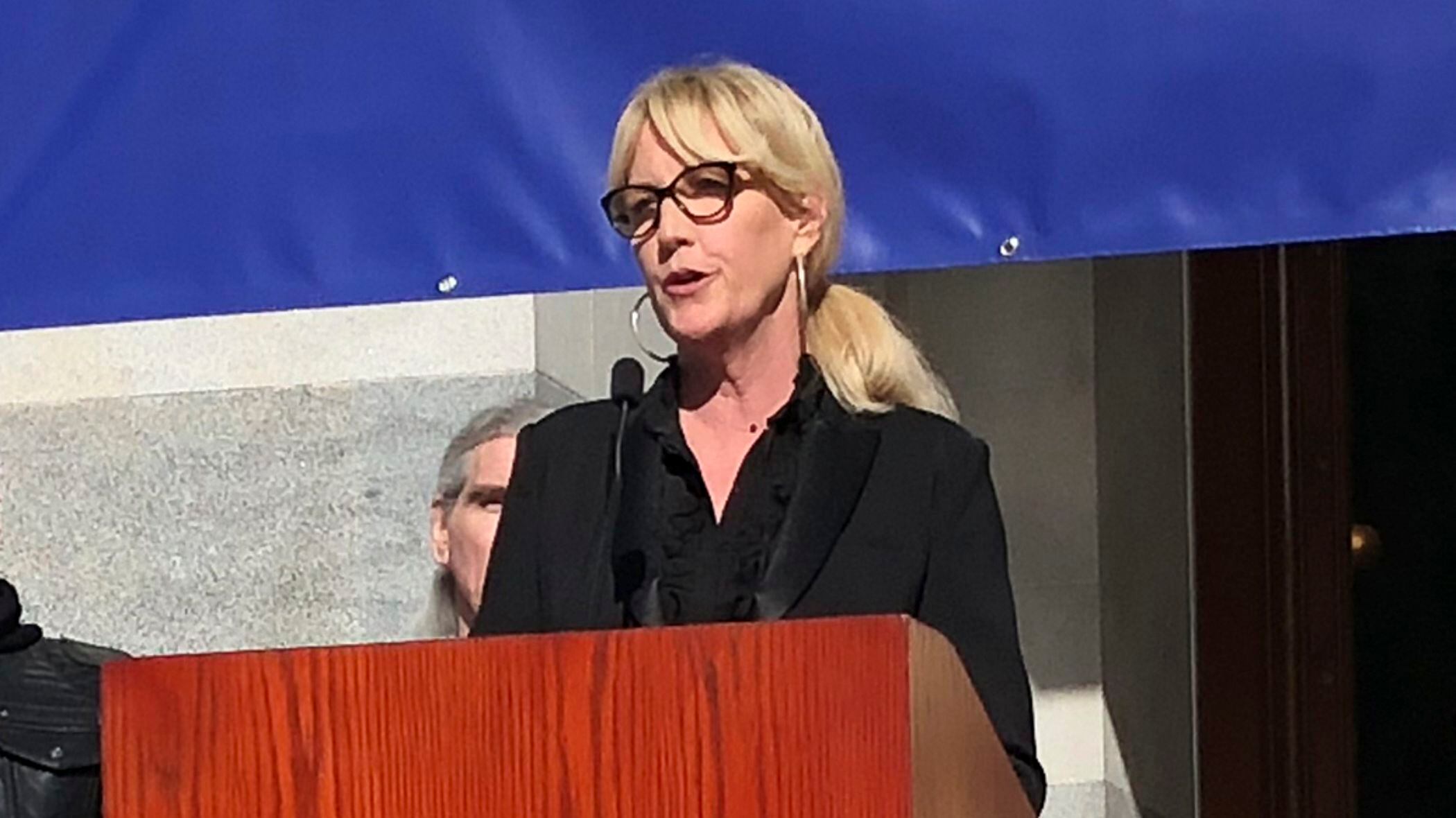
Activist, Erin Brockovich joined Cheddar to advocate for 911 operators to be classified as first responders and address problems plaguing the water supply in U.S. communities.
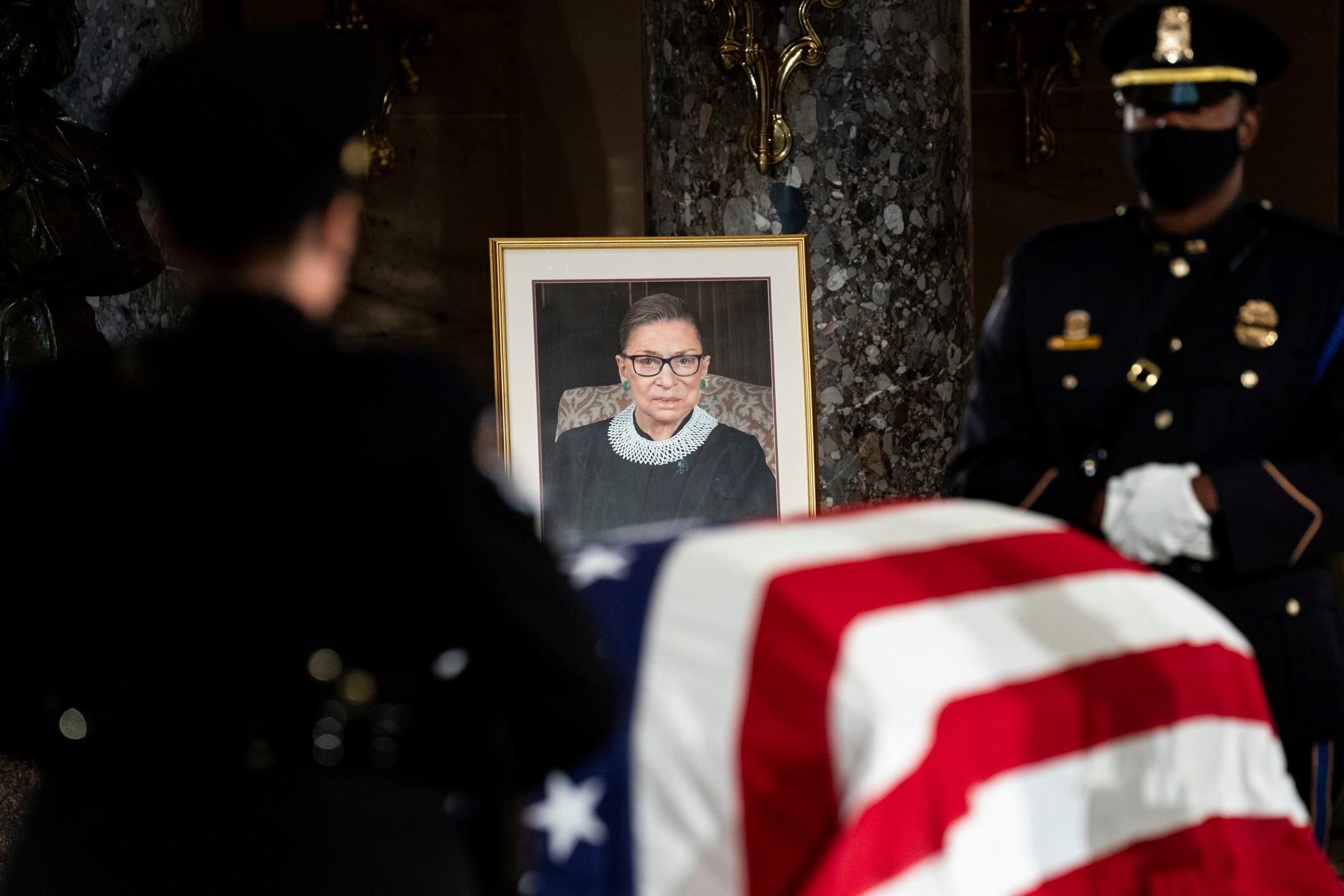
Supreme Court Justice Ruth Bader Ginsburg was buried Tuesday in a private ceremony at Arlington National Cemetery. She is the 14th justice to be buried at the cemetery.
The milestone, recorded by Johns Hopkins University, comes nine months into a crisis that has devastated the global economy, tested world leaders’ resolve, pitted science against politics and forced multitudes to change the way they live, learn and work.
President Donald Trump is expected to announce the shipment of millions of rapid coronavirus tests to states this week. He plans to urge governors to use them to reopen schools.
President Donald Trump paid just $750 in federal income taxes the year he ran for president and in his first year in the White House, according to a report Sunday in The New York Times.
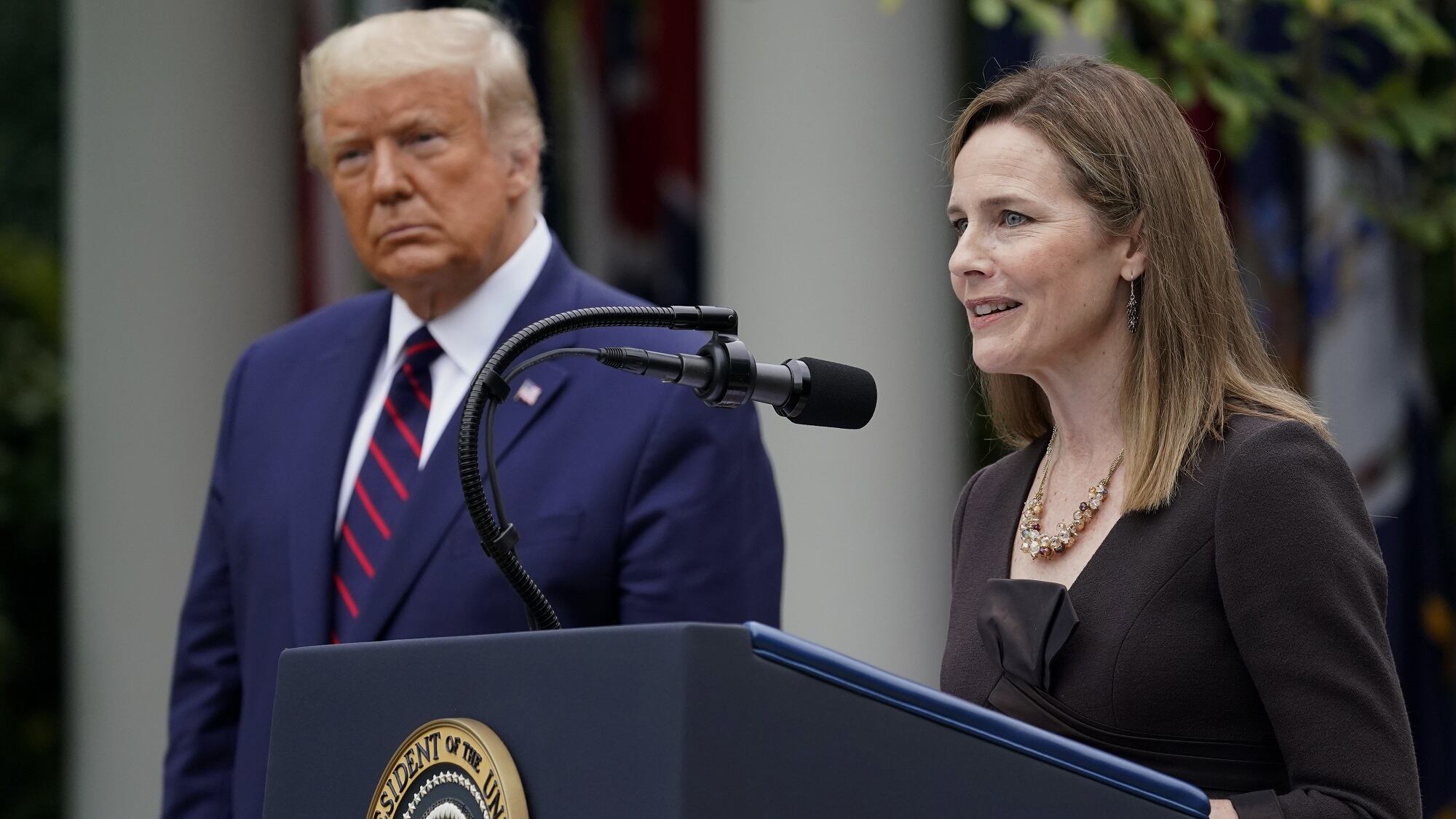
President Donald Trump nominated Judge Amy Coney Barrett to the Supreme Court on Saturday, capping a dramatic reshaping of the federal judiciary that will resonate for a generation and that he hopes will provide a needed boost to his reelection effort.