By Jessica Gresko
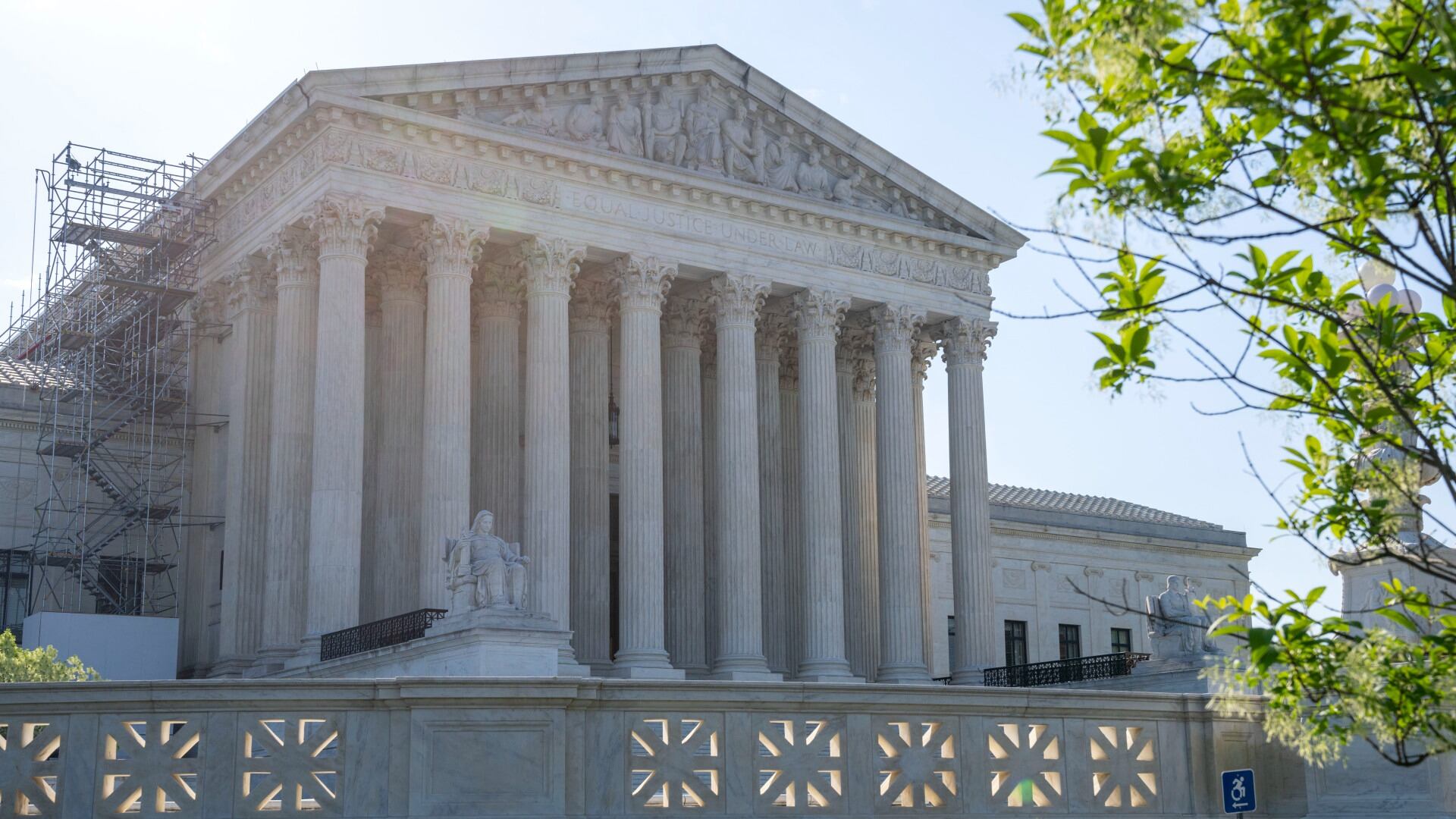
The Supreme Court said Monday it won't review North Carolina's decision to stop issuing specialty license plates with the Confederate flag.
As is typical, the court did not comment in declining to hear the case, which challenged the state's decision. The dispute was one of many the court said Monday it would not hear. It was similar to a case originating in Texas that the court heard in 2015, when it ruled the license plates are state property.
The current dispute stems from North Carolina's 2021 decision to stop issuing specialty license plates bearing the insignia of the North Carolina chapter of the Sons of Confederate Veterans. The chapter sued, claiming that the state's decision violated state and federal law. A lower court dismissed the case, and a federal appeals court agreed with that decision.
North Carolina offers three standard license plates and more than 200 specialty plates. Civic clubs including the Sons of Confederate Veterans can create specialty plates by meeting specific requirements.
In 2021, however, the state Department of Transportation sent the group a letter saying it would "no longer issue or renew specialty license plates bearing the Confederate battle flag or any variation of that flag" because the plates "have the potential to offend those who view them."
The state said it would consider alternate artwork for the plates' design if it does not contain the Confederate flag.
The organization unsuccessfully argued that the state's decision violated its free speech rights under the Constitution's First Amendment and state law governing specialty license plates.
In 2015, the Sons of Confederate Veterans’ Texas chapter claimed Texas was wrong not to issue a specialty license plate with the group's insignia. But the Supreme Court ruled 5-4 that Texas could limit the content of license plates because they are state property.
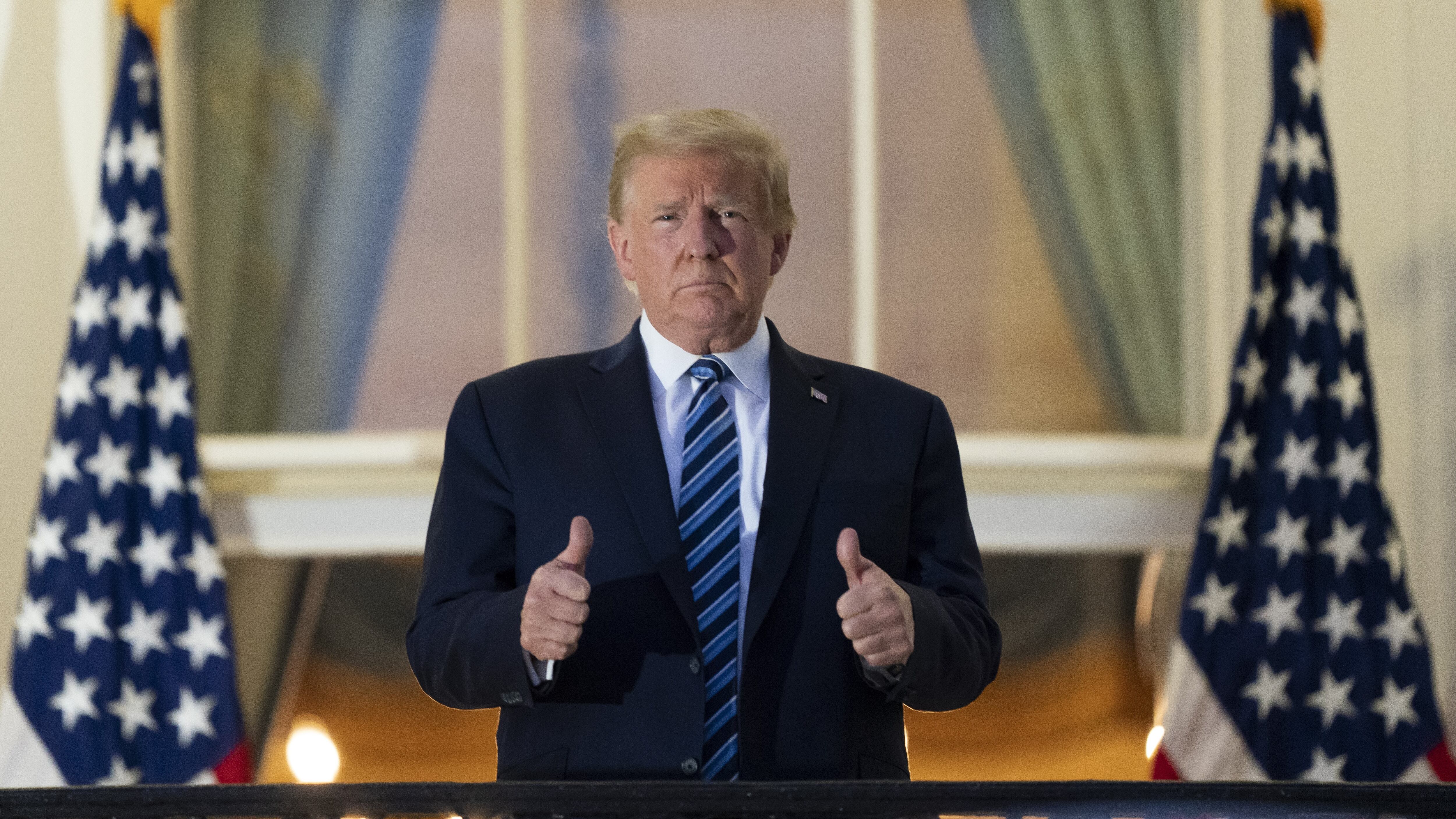
President Donald Trump is back at the White House after staging a dramatic return from the military hospital where he has been receiving an unprecedented level of care for COVID-19.
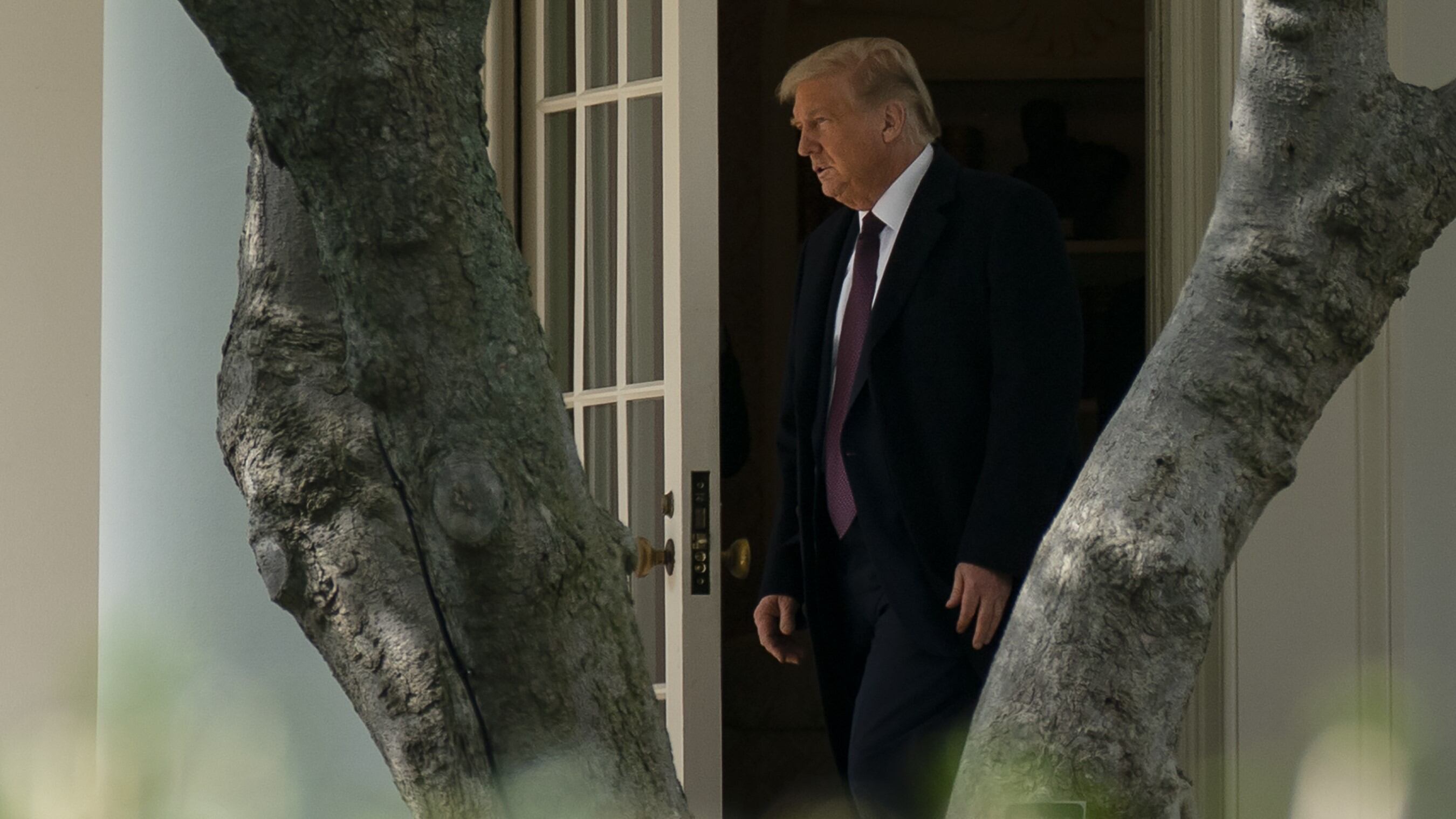
President Donald Trump says he will leave the military hospital and return to the White House Monday evening.
Former Obama officials say that the protocols in place are up to the task of preserving the continuity of the U.S. government in the event President Trump may be incapacitated.
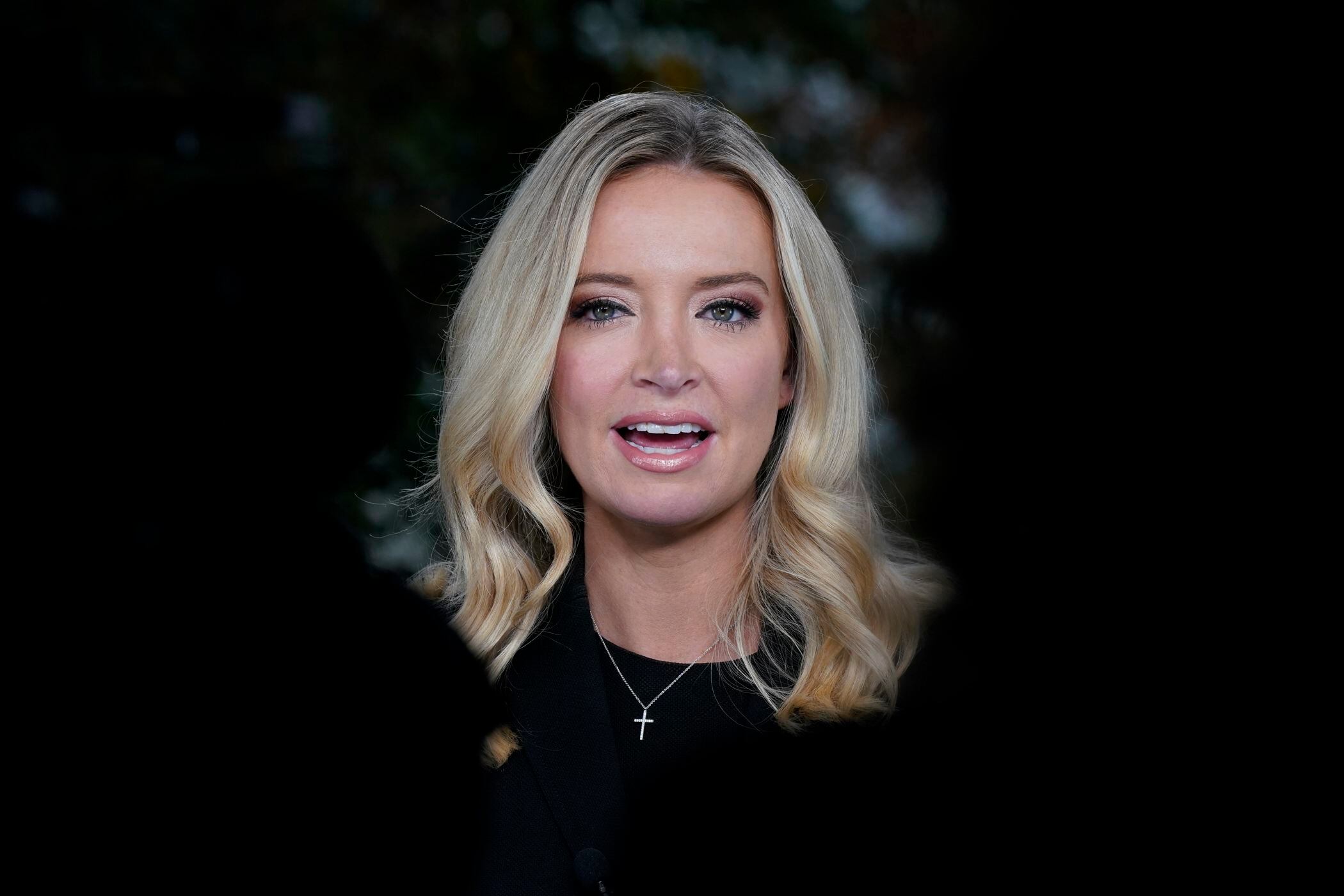
White House press secretary Kayleigh McEnany says she has tested positive for COVID 19 days after President Trump's diagnosis.
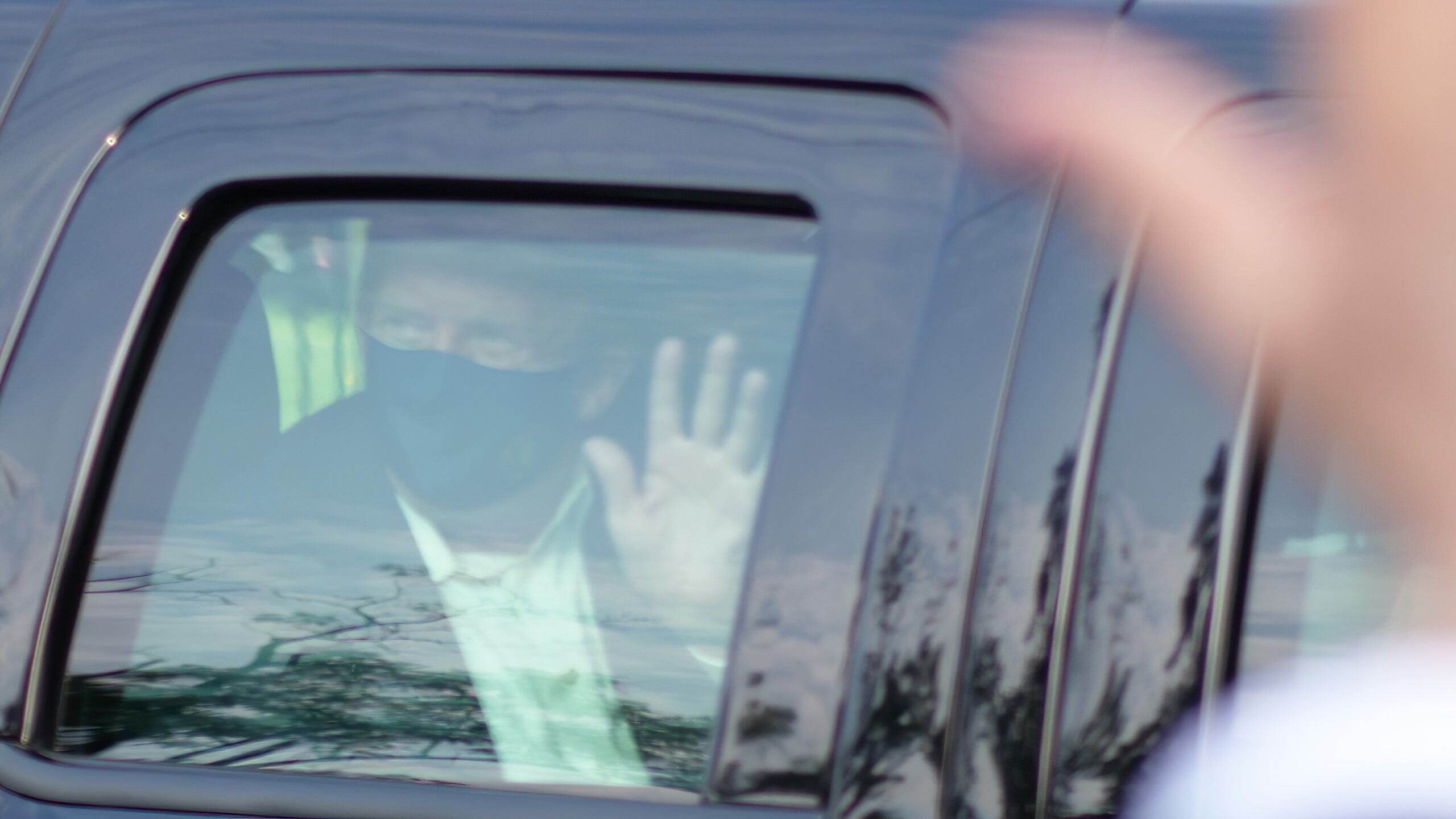
Two days after being hospitalized with COVID-19, President Donald Trump declared, “I get it,” in a message to the nation Sunday before briefly leaving the hospital to salute supporters from his motorcade.
President Donald Trump faces “critical” coming days after a “very concerning” period in his fight against COVID-19 at a military hospital, his chief of staff said Saturday — in contrast to a rosier assessment moments earlier by Trump doctors, who took pains not to reveal the president had received supplemental oxygen at the White House before his hospital admission.
President Donald Trump went through a “very concerning” period Friday and faces a “critical” next two days in his fight against COVID-19 at a military hospital, his chief of staff said Saturday — in contrast to a rosier assessment moments earlier by Trump doctors, who took pains not to reveal the president had received supplemental oxygen at the White House before his hospital admission.
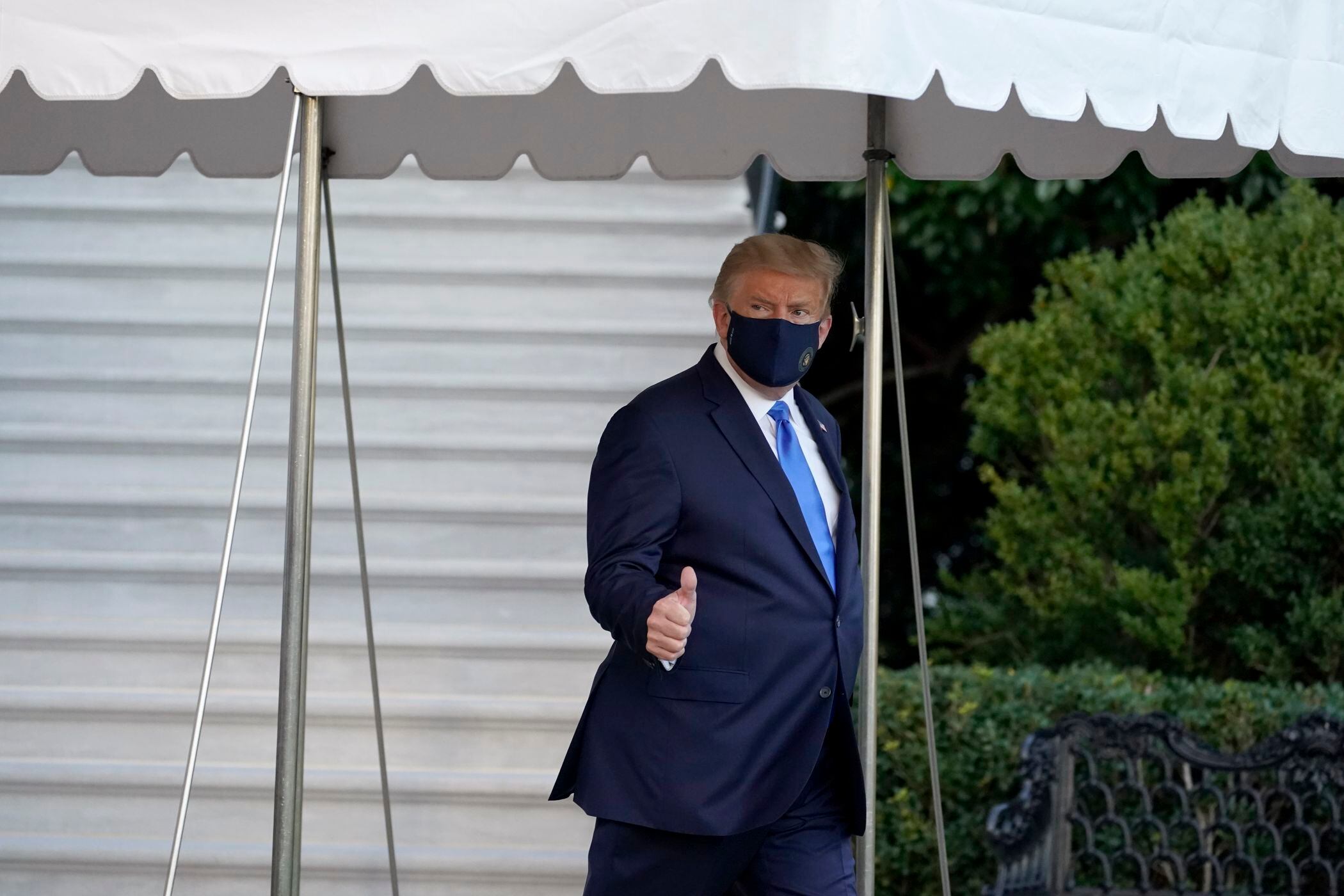
President Donald Trump appeared in public Friday evening for first time since testing positive for COVID-19 as he boarded Marine One for what was expected to be a stay of a “few days” at a military hospital.
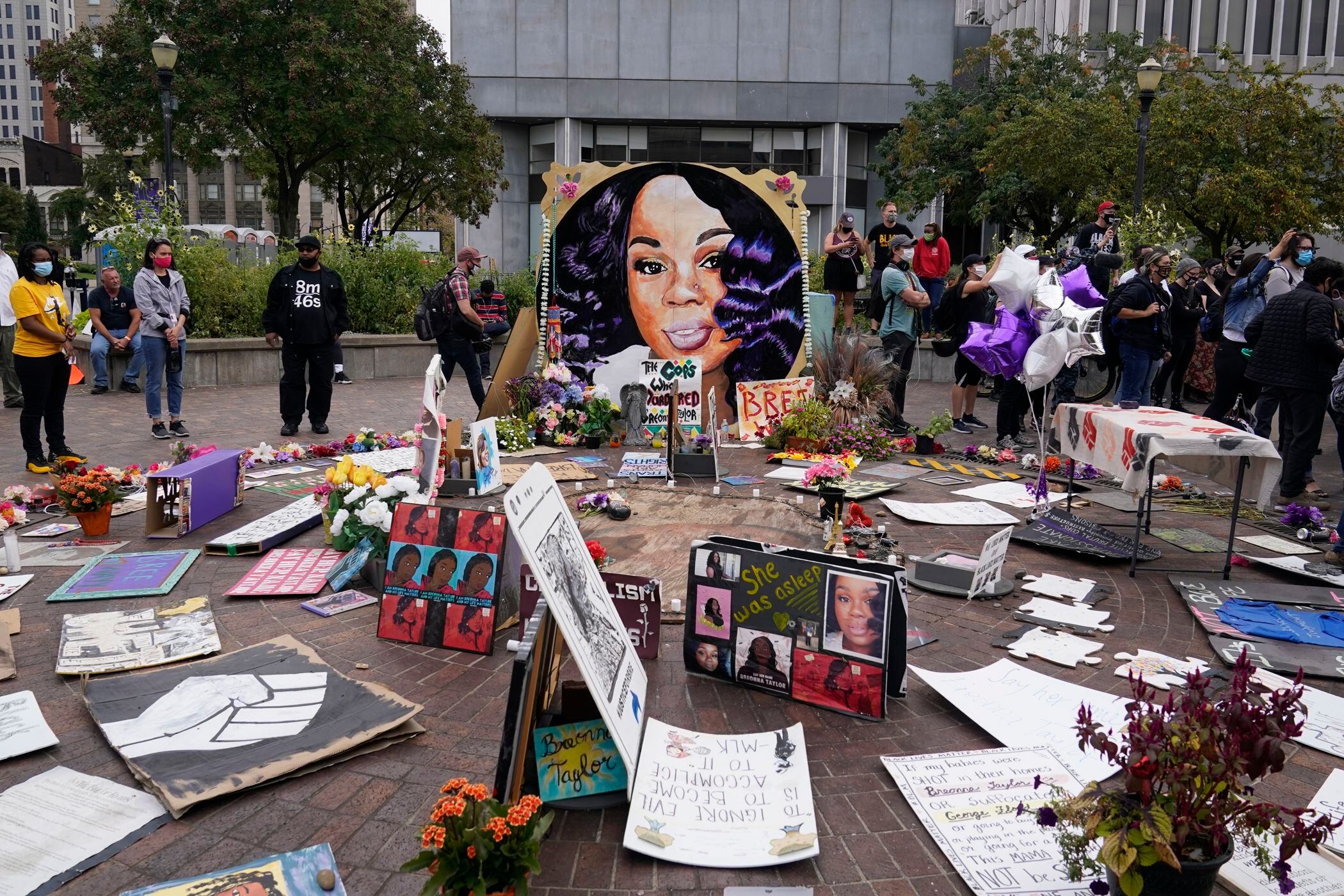
Police said they knocked and announced themselves for a minute or more before bursting into Breonna Taylor’s apartment, but her boyfriend said he did not hear officers identify themselves, according to Kentucky grand jury recordings released Friday.
White House chief economist Joe LaVorgna joined Cheddar to discuss the economy's current standing.