By Jessica Gresko
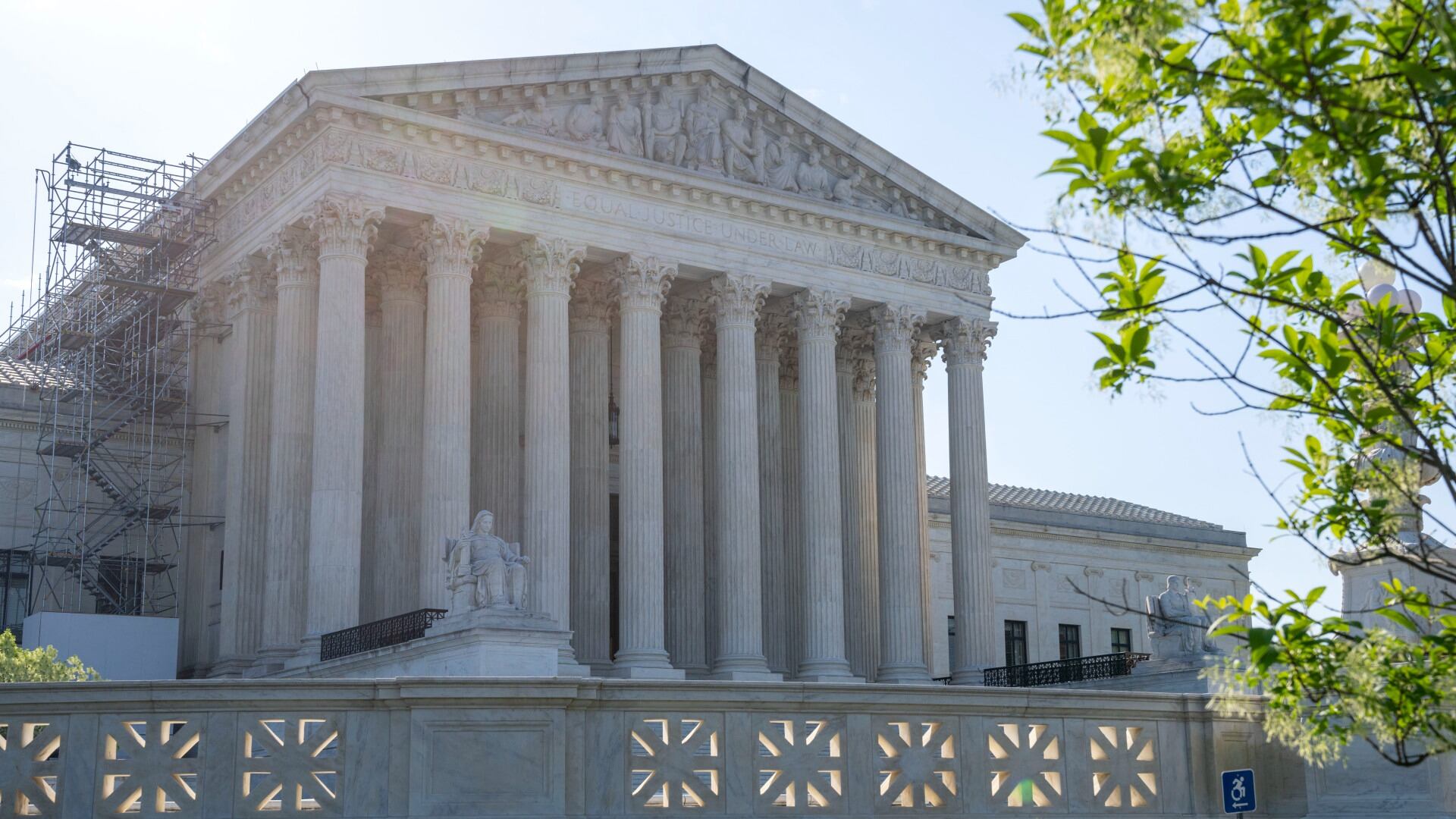
The Supreme Court said Monday it won't review North Carolina's decision to stop issuing specialty license plates with the Confederate flag.
As is typical, the court did not comment in declining to hear the case, which challenged the state's decision. The dispute was one of many the court said Monday it would not hear. It was similar to a case originating in Texas that the court heard in 2015, when it ruled the license plates are state property.
The current dispute stems from North Carolina's 2021 decision to stop issuing specialty license plates bearing the insignia of the North Carolina chapter of the Sons of Confederate Veterans. The chapter sued, claiming that the state's decision violated state and federal law. A lower court dismissed the case, and a federal appeals court agreed with that decision.
North Carolina offers three standard license plates and more than 200 specialty plates. Civic clubs including the Sons of Confederate Veterans can create specialty plates by meeting specific requirements.
In 2021, however, the state Department of Transportation sent the group a letter saying it would "no longer issue or renew specialty license plates bearing the Confederate battle flag or any variation of that flag" because the plates "have the potential to offend those who view them."
The state said it would consider alternate artwork for the plates' design if it does not contain the Confederate flag.
The organization unsuccessfully argued that the state's decision violated its free speech rights under the Constitution's First Amendment and state law governing specialty license plates.
In 2015, the Sons of Confederate Veterans’ Texas chapter claimed Texas was wrong not to issue a specialty license plate with the group's insignia. But the Supreme Court ruled 5-4 that Texas could limit the content of license plates because they are state property.
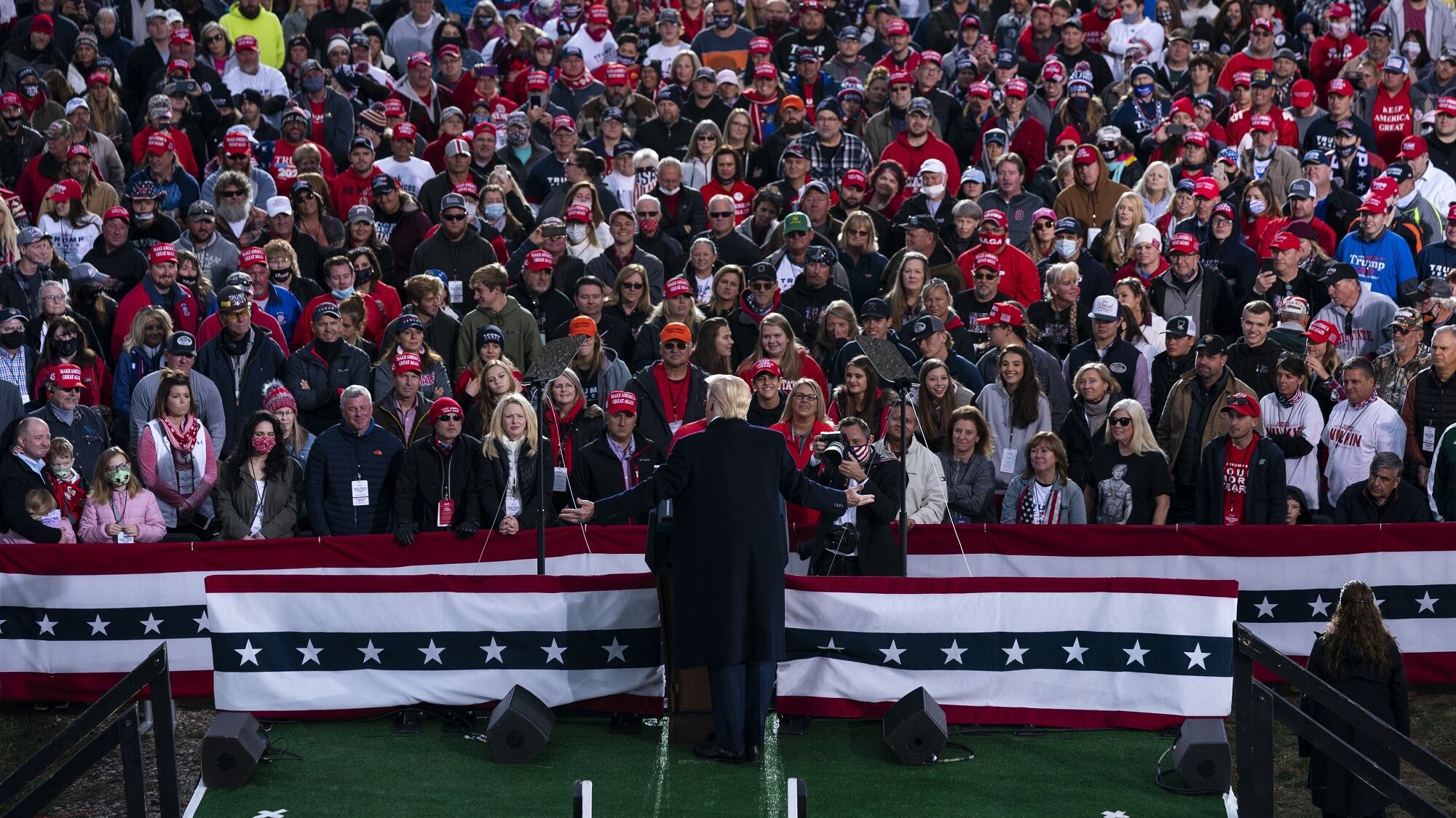
President Donald Trump’s 2020 reelection campaign was powered by a cell phone app that allowed staff to monitor the movements of his millions of supporters, and offered intimate access to their social networks.
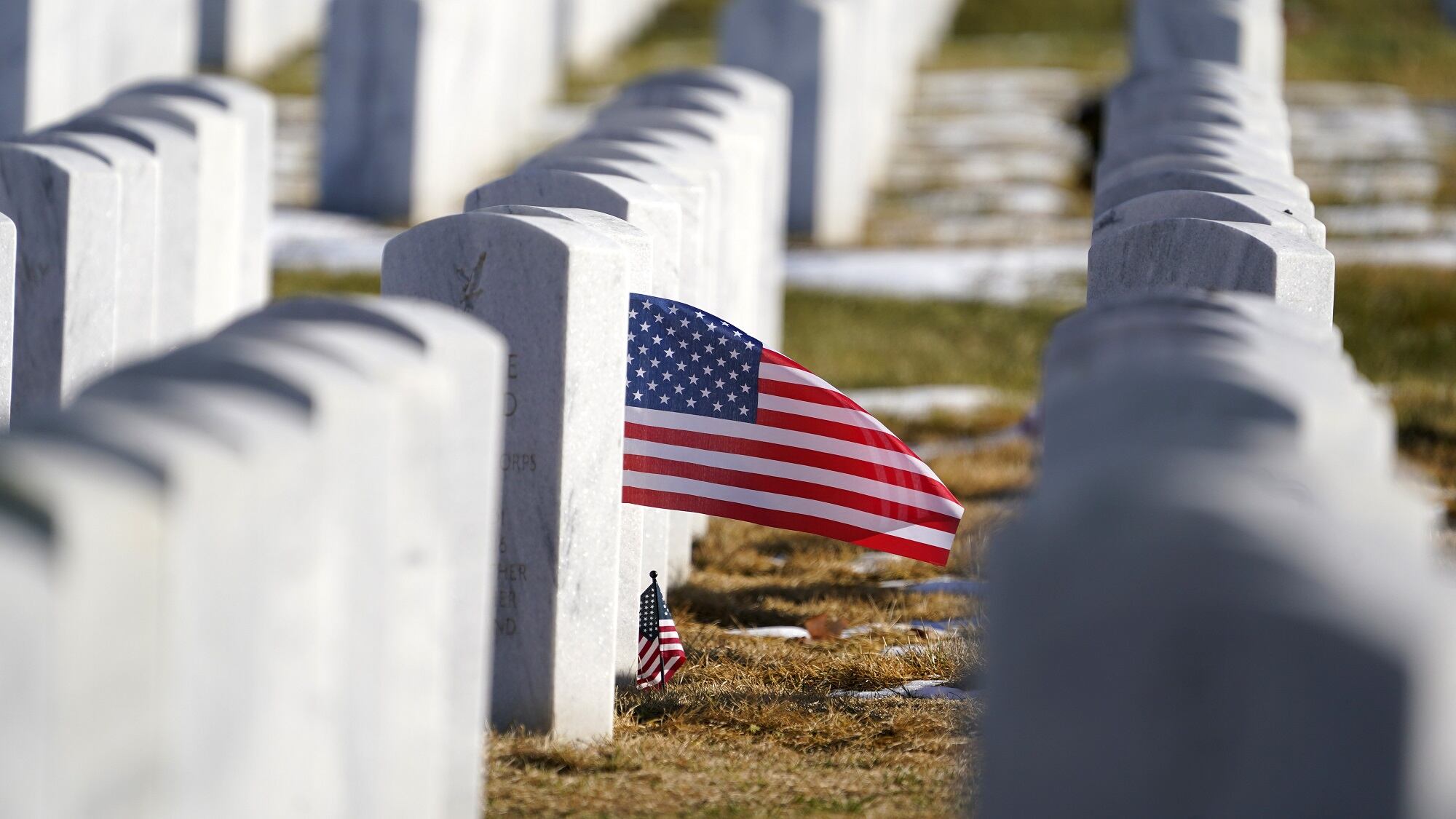
Rep. Chris Pappas is optimistic that President Donald Trump will sign the bipartisan Veterans COMPACT Act to provide mental health care and prevent veteran suicides.
the Trump administration’s unwillingness to begin steps to transition power to President-elect Joe Biden is preventing him from creating a national response, said Kathleen Sebelius, former United States Secretary of Health and Human Services under President Barack Obama.
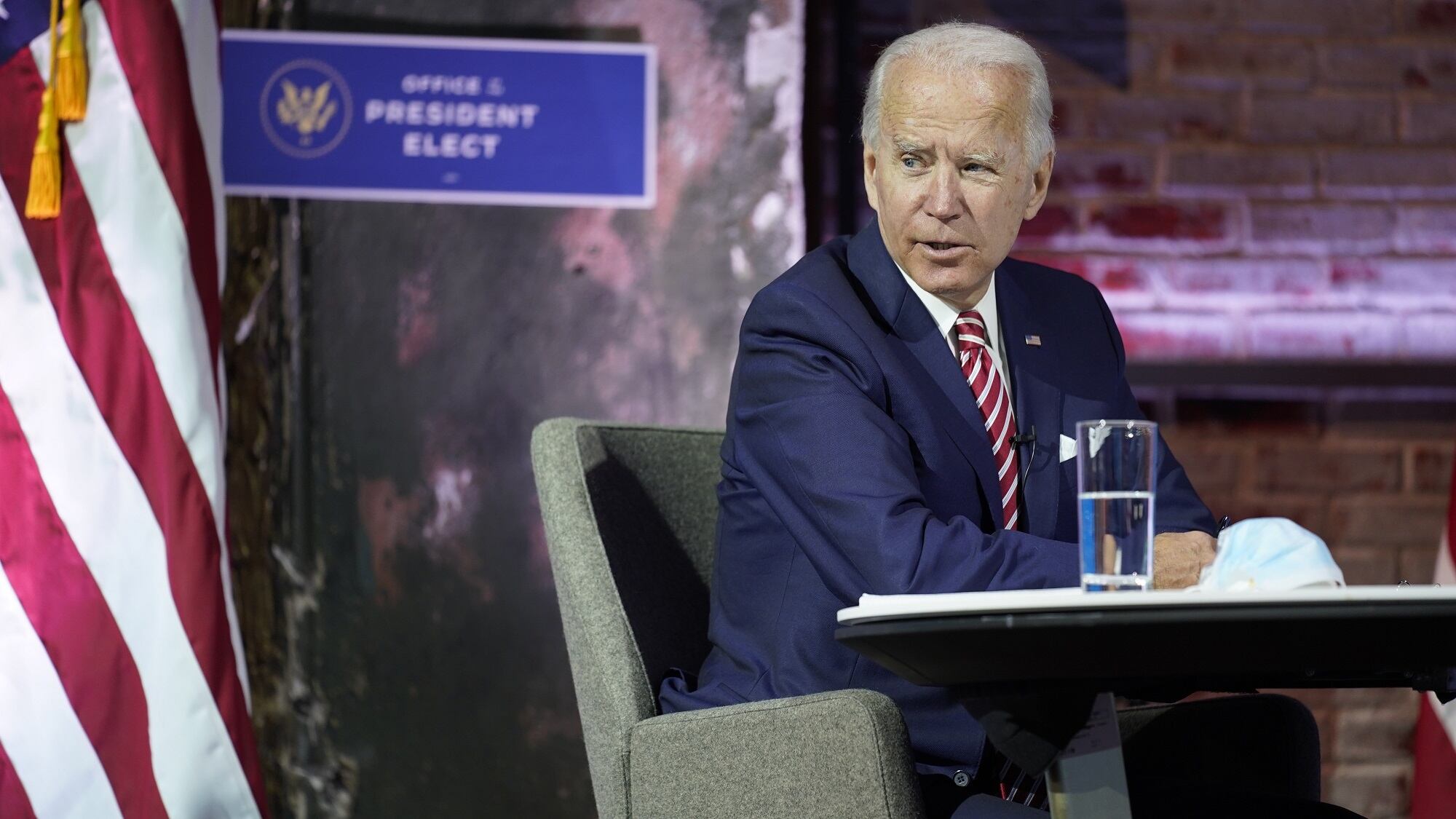
President-elect Joe Biden on Monday said his administration would strengthen the country's vulnerable economy despite the exploding pandemic as he pushed forward with the business of preparing to assume the presidency.
President Donald Trump has hailed developments in the race for a vaccine for the resurgent coronavirus. He delivered his first public remarks Friday since his defeat by President-elect Joe Biden, even as he refuses to concede the election.
The reason for such calm is that Wall Street doesn't see Trump's anger, tweets or legal actions changing the results. And encouraging data about a potential COVID-19 vaccine has renewed investors' optimism even though virus cases are on the rise.
Just days following the presidential election, Twitter has stepped up its efforts to crackdown on misinformation, but questions are being raised about how marketers and users will interact with social media platforms going forward. Cheddar's Michelle Castillo reports.
New York's Lieutenant Governor, Kathy Hochul, joined Cheddar to discuss new state guidelines set to take effect as COVID-19 cases spike nationwide.
The report by Deutsche Bank proposed a 5% daily tax on each employee that continues to work from home.
California Rep. Ami Bera joined Cheddar to discuss what a transition to the Biden administration could look like for Americans in regards to the coronavirus pandemic. Bera also discusses how a Biden administration will tackle COVID-19 with science.