By Jessica Gresko
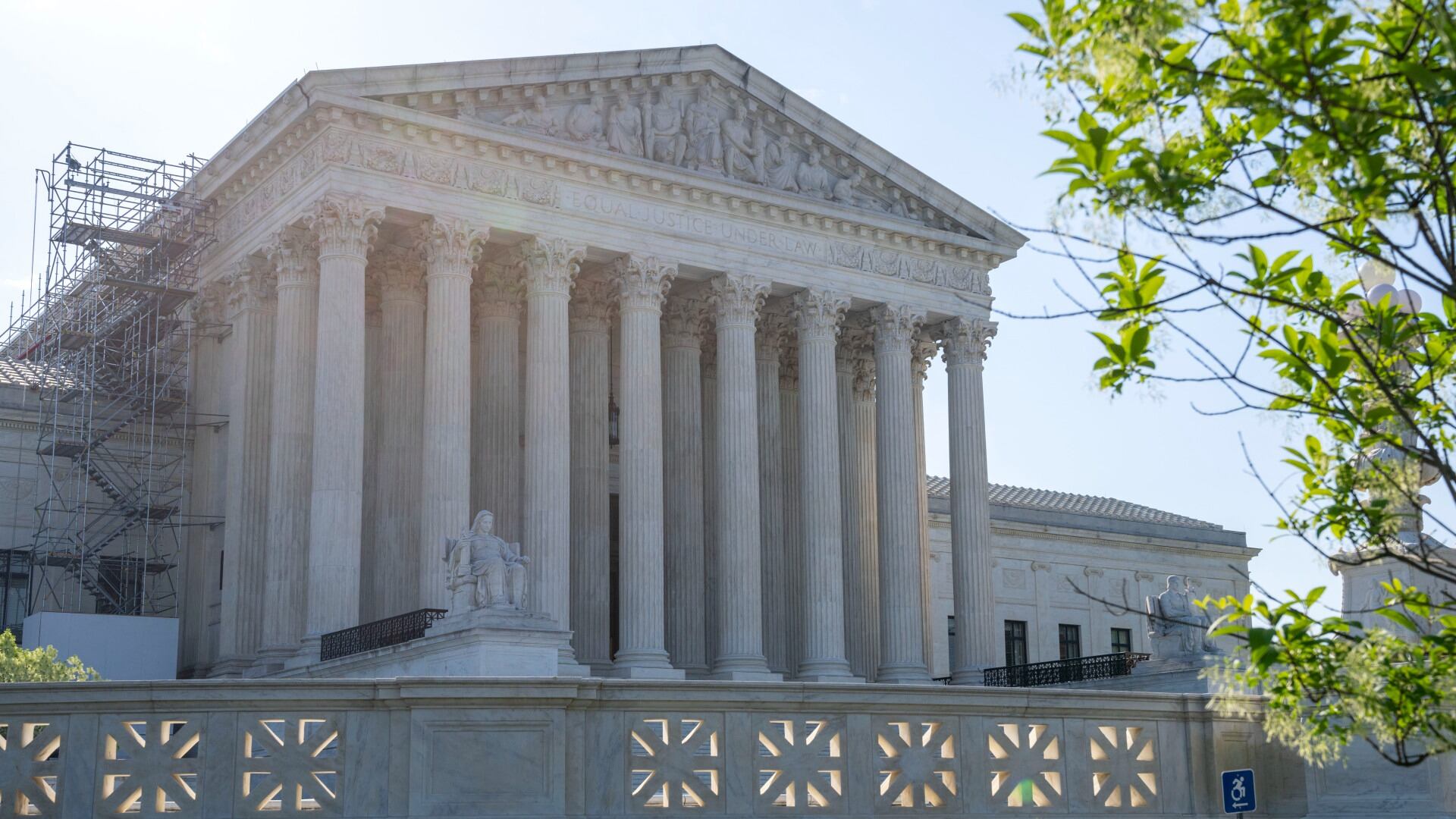
The Supreme Court said Monday it won't review North Carolina's decision to stop issuing specialty license plates with the Confederate flag.
As is typical, the court did not comment in declining to hear the case, which challenged the state's decision. The dispute was one of many the court said Monday it would not hear. It was similar to a case originating in Texas that the court heard in 2015, when it ruled the license plates are state property.
The current dispute stems from North Carolina's 2021 decision to stop issuing specialty license plates bearing the insignia of the North Carolina chapter of the Sons of Confederate Veterans. The chapter sued, claiming that the state's decision violated state and federal law. A lower court dismissed the case, and a federal appeals court agreed with that decision.
North Carolina offers three standard license plates and more than 200 specialty plates. Civic clubs including the Sons of Confederate Veterans can create specialty plates by meeting specific requirements.
In 2021, however, the state Department of Transportation sent the group a letter saying it would "no longer issue or renew specialty license plates bearing the Confederate battle flag or any variation of that flag" because the plates "have the potential to offend those who view them."
The state said it would consider alternate artwork for the plates' design if it does not contain the Confederate flag.
The organization unsuccessfully argued that the state's decision violated its free speech rights under the Constitution's First Amendment and state law governing specialty license plates.
In 2015, the Sons of Confederate Veterans’ Texas chapter claimed Texas was wrong not to issue a specialty license plate with the group's insignia. But the Supreme Court ruled 5-4 that Texas could limit the content of license plates because they are state property.
From Wall Street to Silicon Valley, these are the top stories that moved markets and had investors, business leaders, and entrepreneurs talking this week on Cheddar.
It’s been Immigration Week on Capitol Hill but now it’s time to move on. So what will drive headlines in the week ahead? Here’s a look at the Washington Week Ahead.
The Secure and Fair Enforcement (SAFE) Banking Act is expected to pass the Democrat-controlled House, where it passed before in 2019 and 2020, but could face a tougher battle in the split Senate.
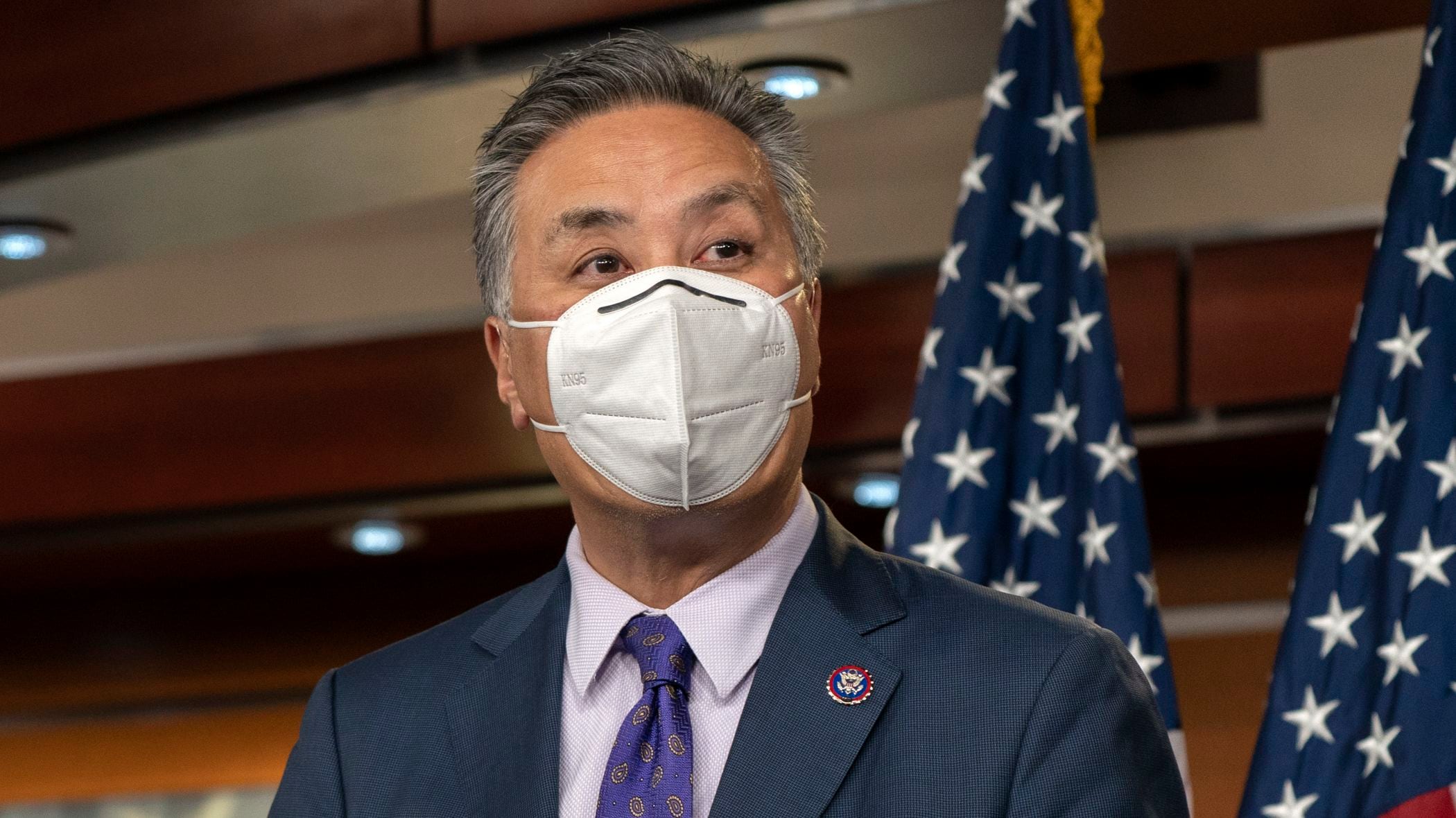
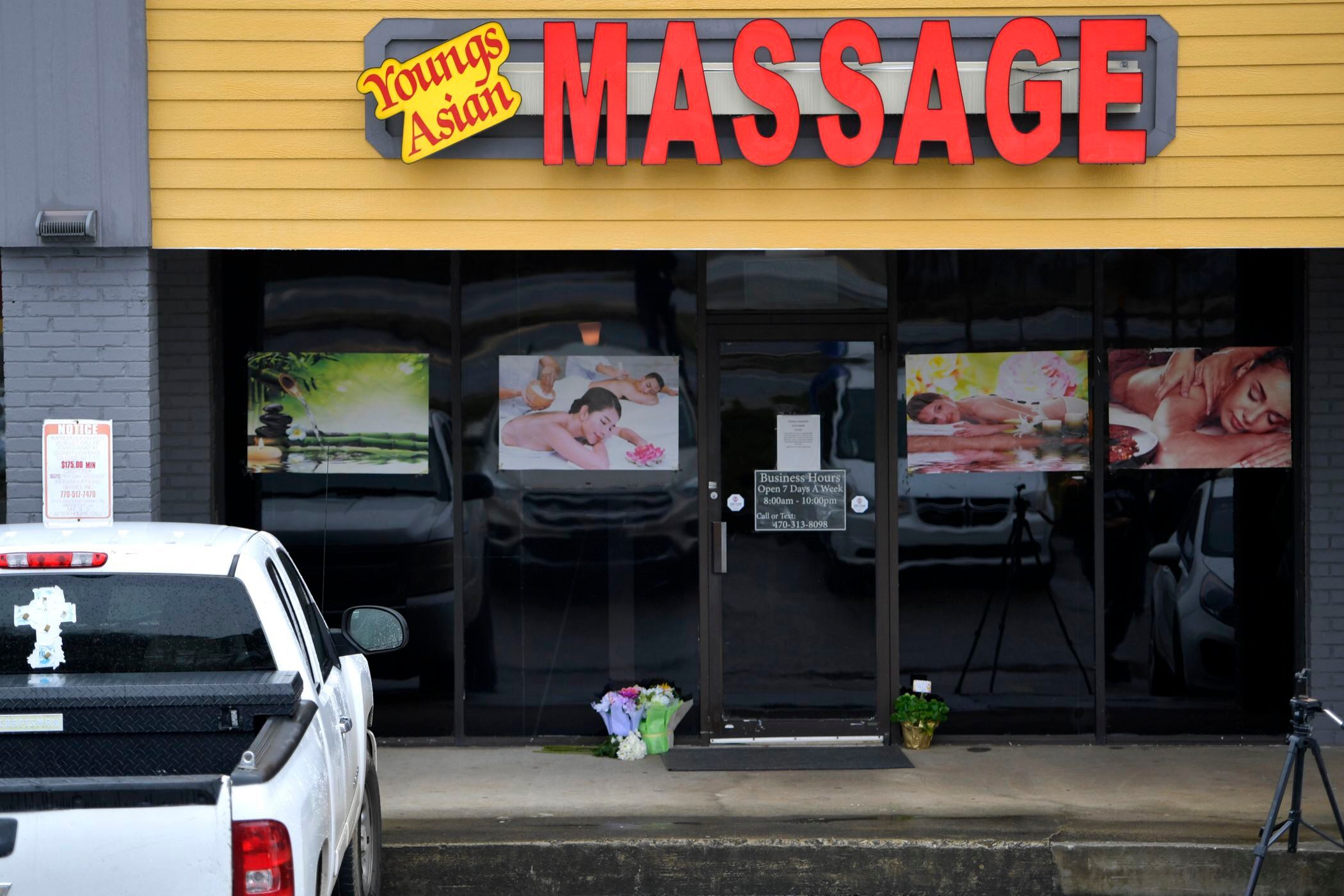
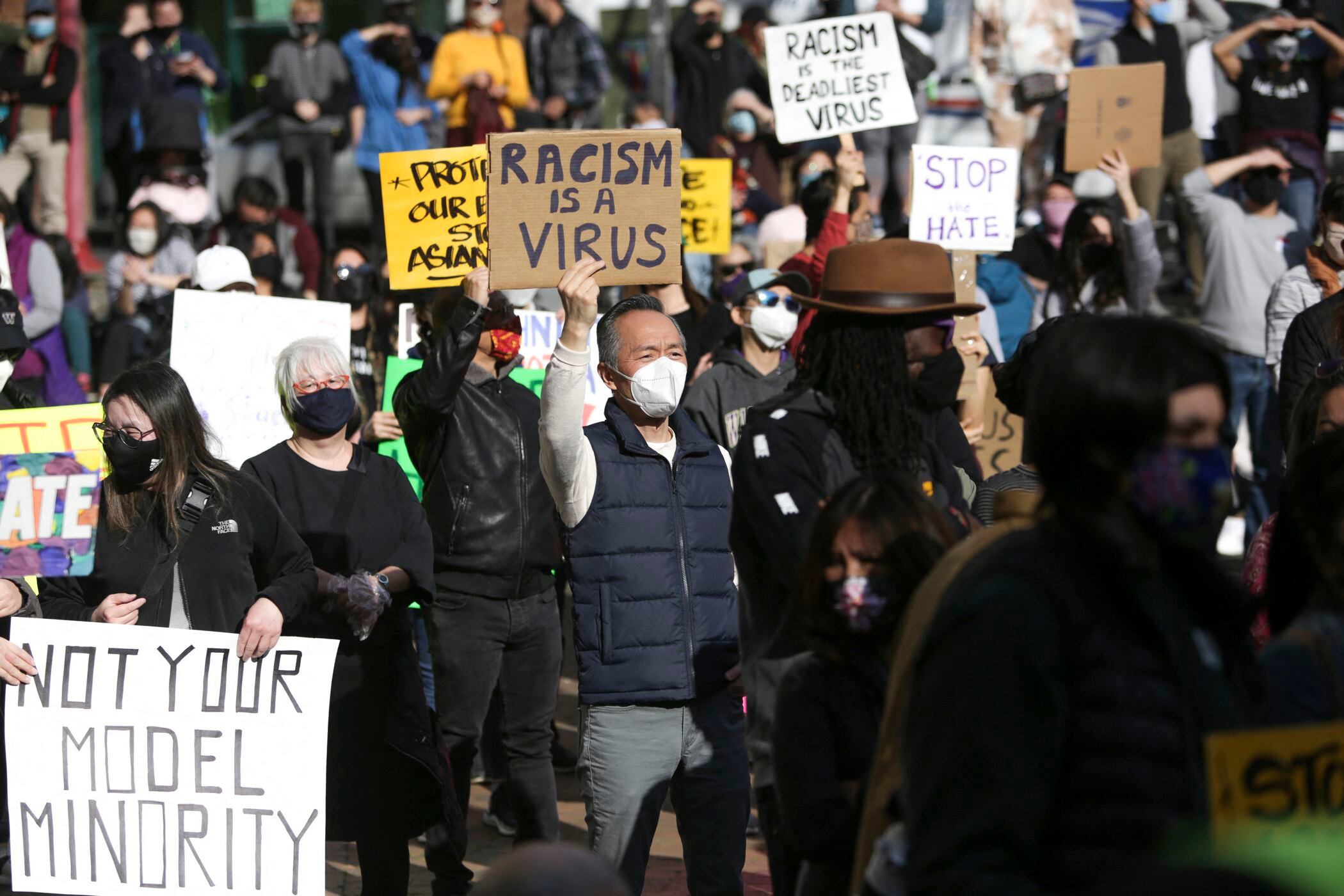
Rep. Mark Takano (D- Calif. 41st District) discusses the need to pass the COVID-19 Hate Crimes Act especially in the wake of the shooting deaths of eight people in Atlanta area spas, six of them being women of Asian descent.
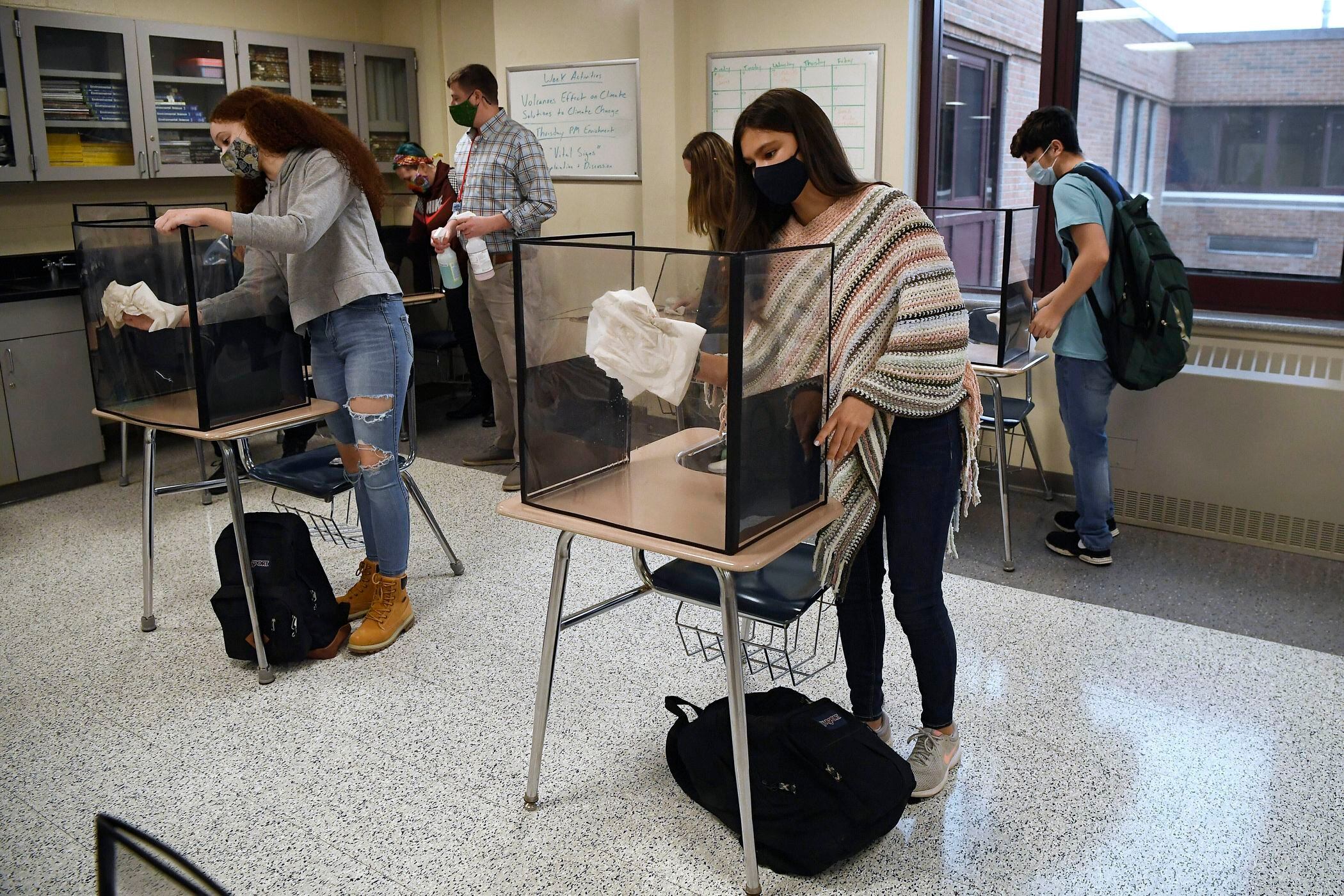
U.S. health officials are relaxing social distancing recommendations for schools, now saying students can sit as close as 3 feet to each other in classrooms.
The Federal Reserve says it will restore capital requirements for large banks that were relaxed as part of the Fed’s efforts to shore up the financial system during the early days of the pandemic.
Rep. Marilyn Strickland (D-Wash. 10th District), one of four Korean Americans to be elected to Congress, talked about the need for urgency and accountability following the killing of eight people, including six Asian women.
The number of Americans seeking unemployment benefits rose last week to 770,000, a sign that layoffs remain high even as much of the U.S. economy is steadily recovering from the coronavirus recession.
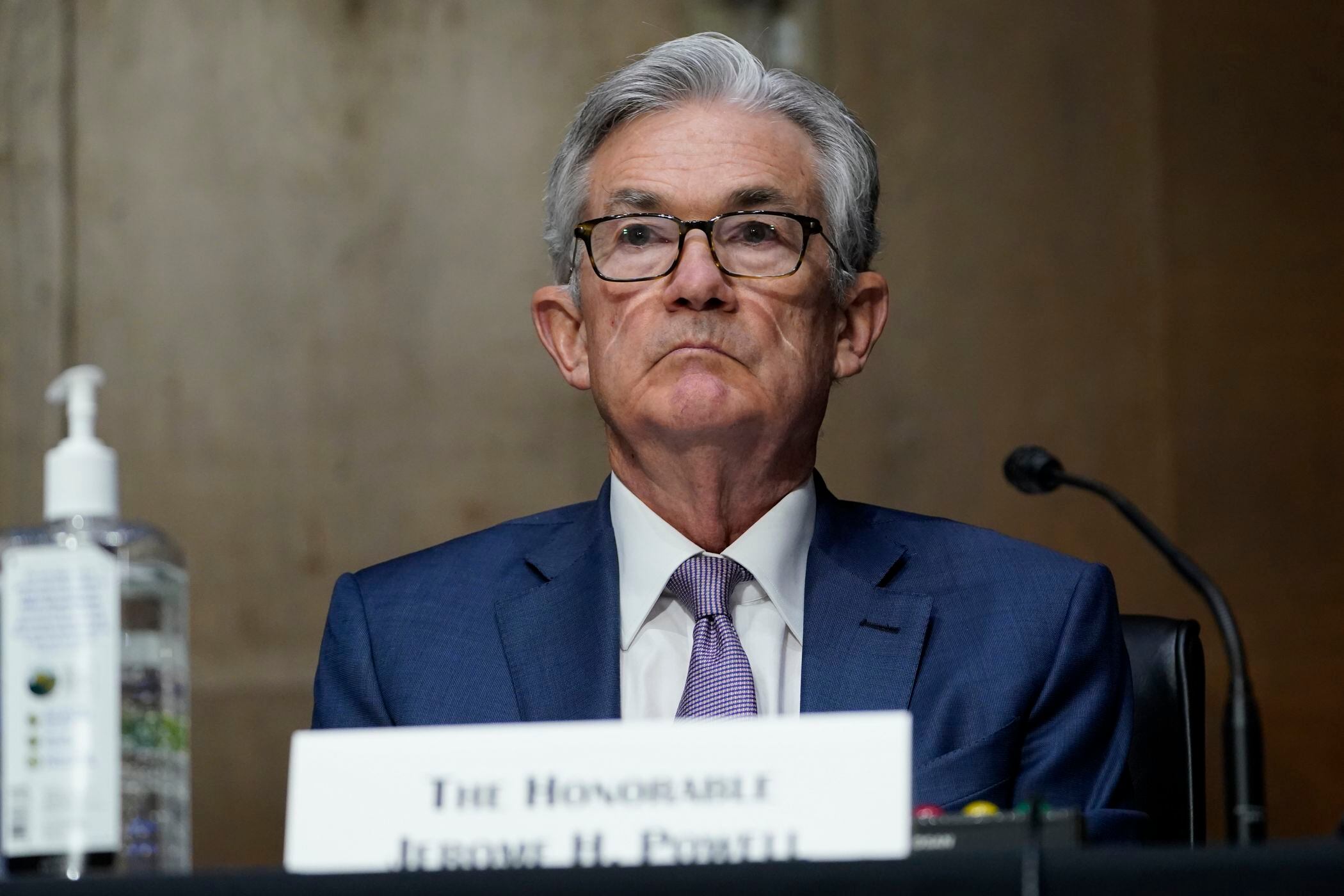
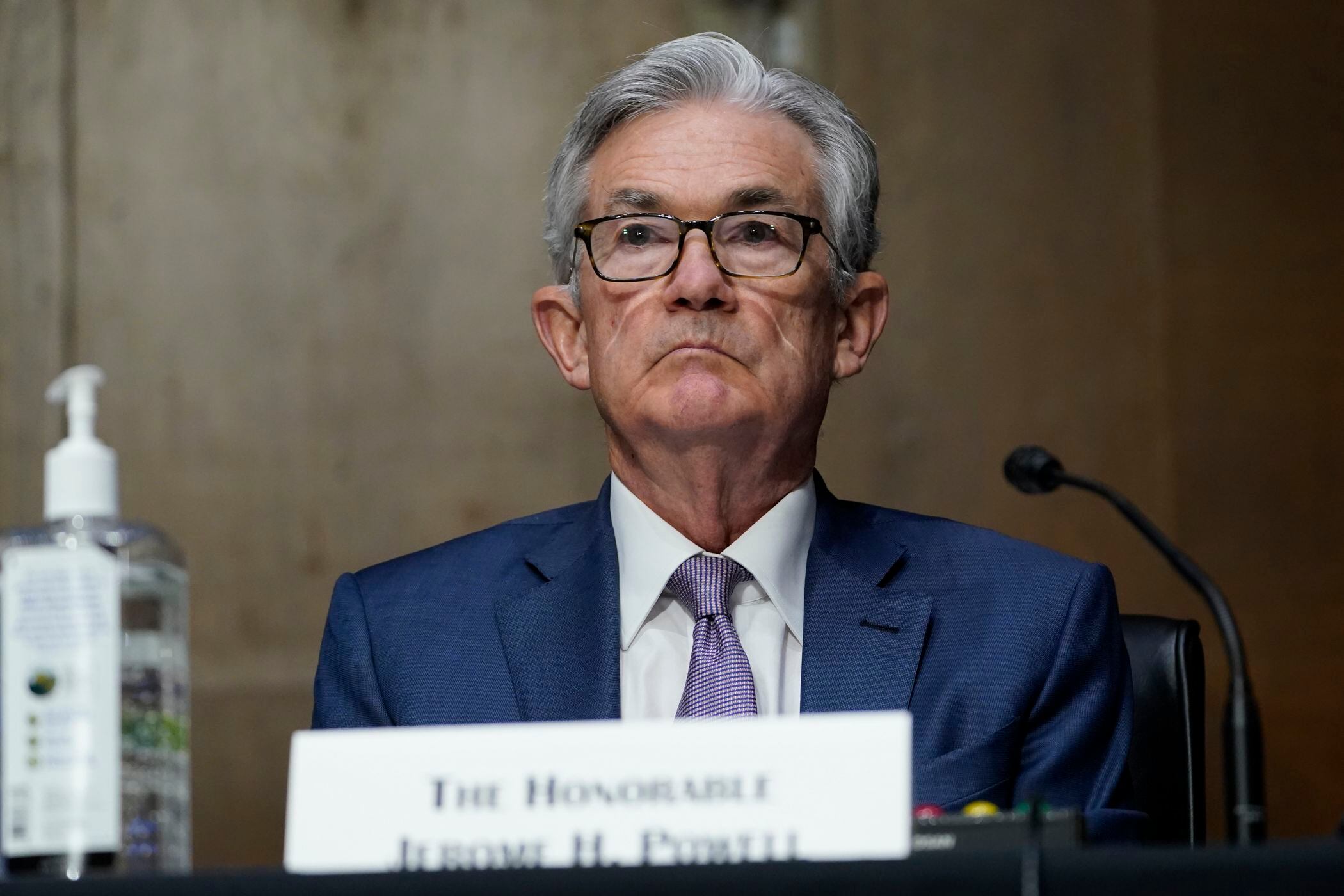
Federal Reserve Chairman Jerome Powell once again doubled down on the easy money policies that have defined the central bank's response to the pandemic-fueled economic downturn.
Stop AAPI Hate co-founder Cynthia Choi joined Cheddar to discuss anti-Asian hate crime reporting and what Americans can do to combat incidents of racial discrimination against Asian and Pacific Islander Americans.