By Jessica Gresko
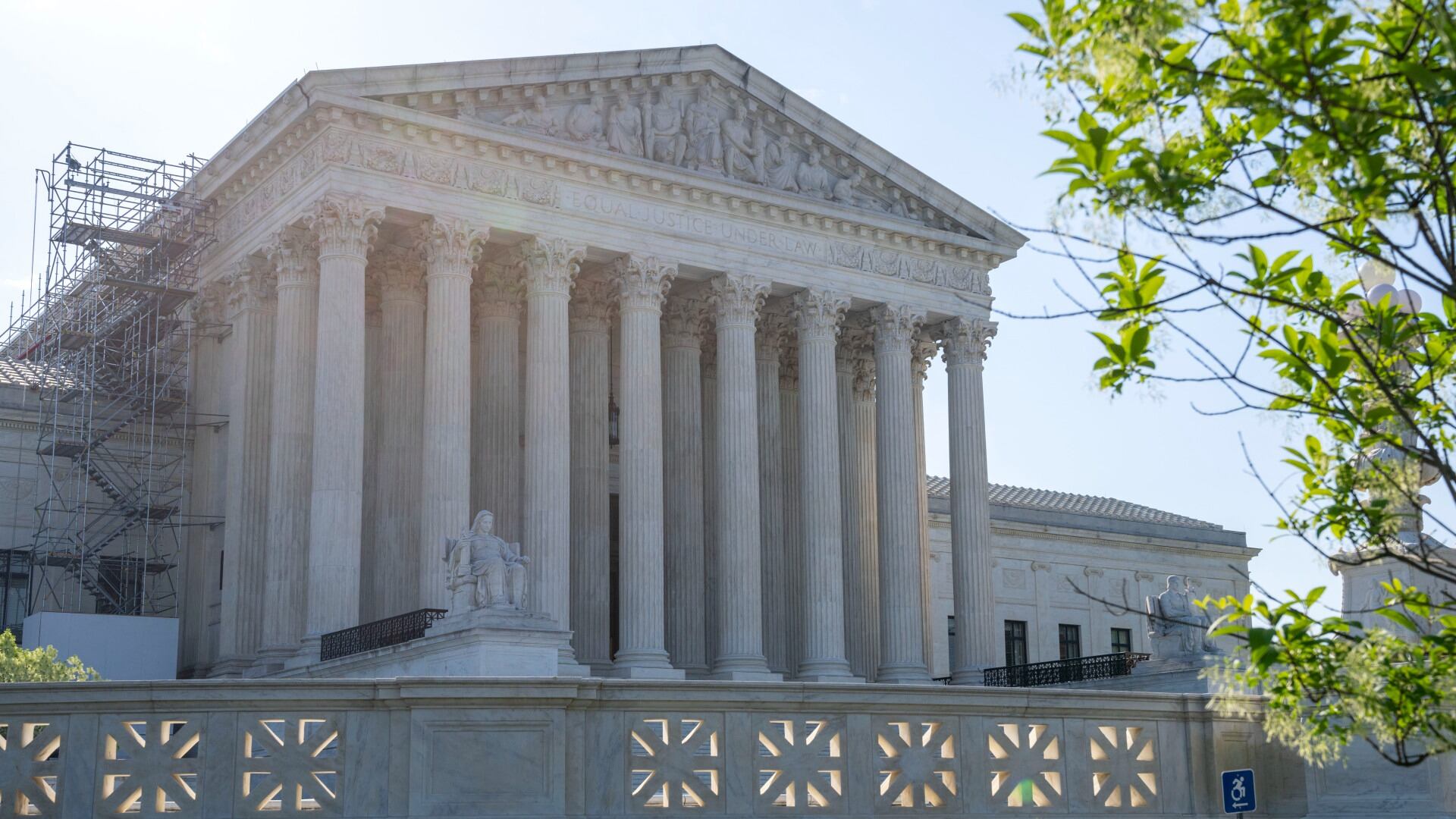
The Supreme Court said Monday it won't review North Carolina's decision to stop issuing specialty license plates with the Confederate flag.
As is typical, the court did not comment in declining to hear the case, which challenged the state's decision. The dispute was one of many the court said Monday it would not hear. It was similar to a case originating in Texas that the court heard in 2015, when it ruled the license plates are state property.
The current dispute stems from North Carolina's 2021 decision to stop issuing specialty license plates bearing the insignia of the North Carolina chapter of the Sons of Confederate Veterans. The chapter sued, claiming that the state's decision violated state and federal law. A lower court dismissed the case, and a federal appeals court agreed with that decision.
North Carolina offers three standard license plates and more than 200 specialty plates. Civic clubs including the Sons of Confederate Veterans can create specialty plates by meeting specific requirements.
In 2021, however, the state Department of Transportation sent the group a letter saying it would "no longer issue or renew specialty license plates bearing the Confederate battle flag or any variation of that flag" because the plates "have the potential to offend those who view them."
The state said it would consider alternate artwork for the plates' design if it does not contain the Confederate flag.
The organization unsuccessfully argued that the state's decision violated its free speech rights under the Constitution's First Amendment and state law governing specialty license plates.
In 2015, the Sons of Confederate Veterans’ Texas chapter claimed Texas was wrong not to issue a specialty license plate with the group's insignia. But the Supreme Court ruled 5-4 that Texas could limit the content of license plates because they are state property.
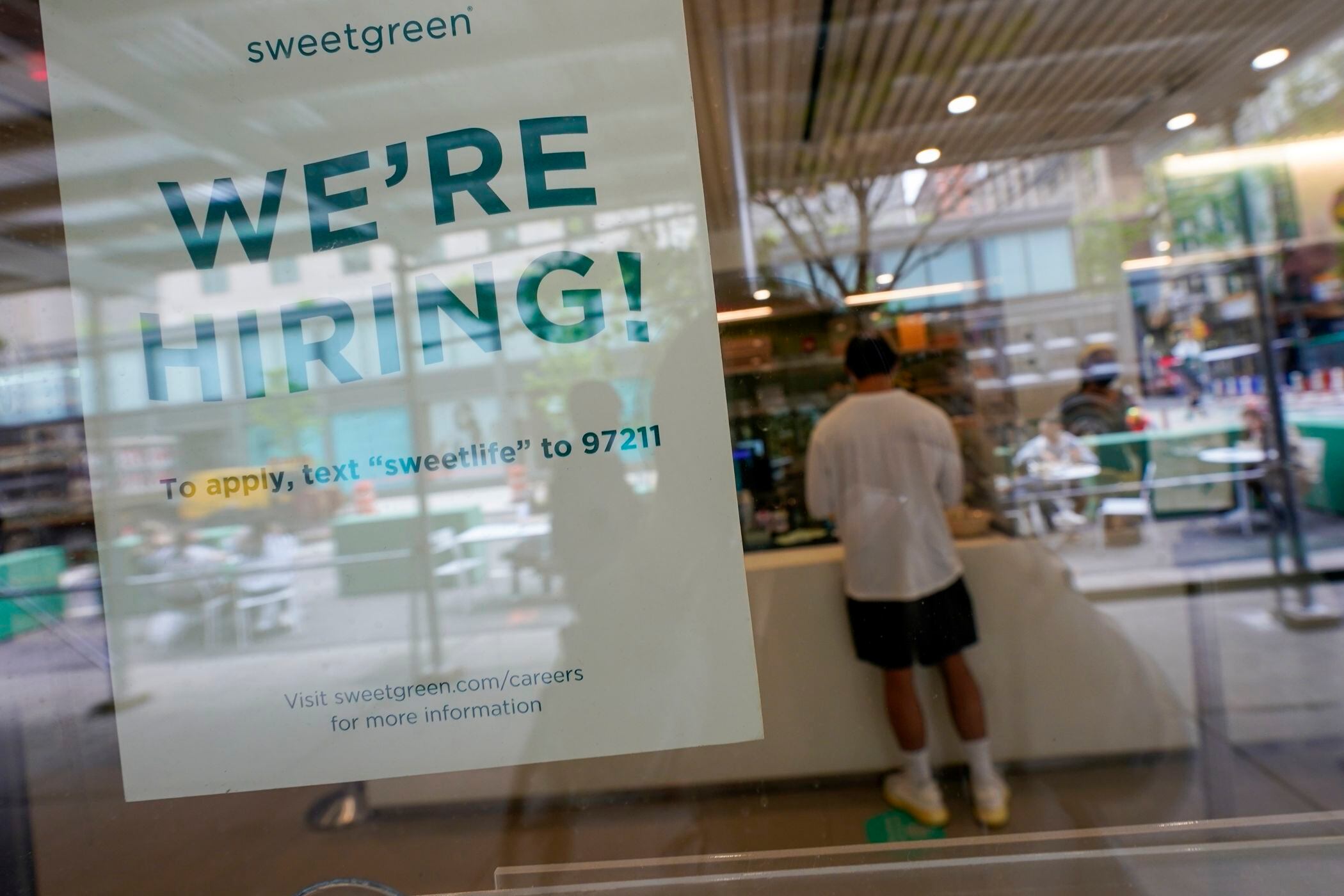
The recovery of America’s job market hit a pause last month as many businesses — from restaurants and hotels to factories and construction companies — struggled to find enough workers to catch up with a rapidly strengthening economic rebound.
Amusement park regulation varies from state to state, but no American amusement park receives federal oversight. In fact, the largest parks are free to regulate themselves.
Edward Snowden, a former U.S. National Security Agency and CIA contractor-turned whistleblower, on Thursday criticized what he called bitcoin's lack of privacy protections.
The largest section of the rocket that launched the main module of China’s first permanent space station into orbit is expected to plunge back to Earth as early as Saturday at an unknown location.
The number of Americans seeking unemployment aid fell last week to 498,000, the lowest point since the viral pandemic struck 14 months ago
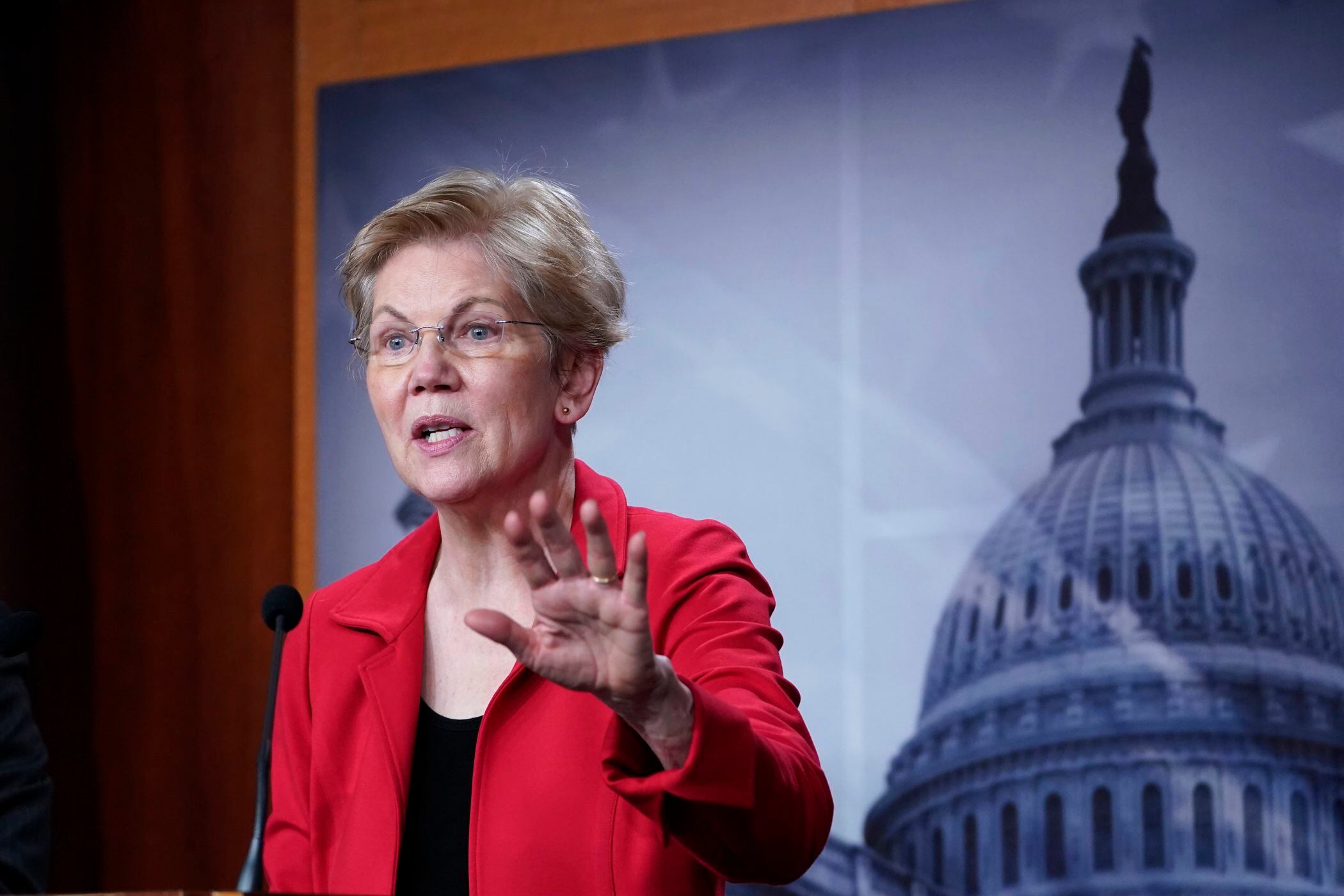
Sen. Elizabeth Warren (D-Mass.), who stopped by Cheddar to discuss her new memoir "Persist," touched on topics ranging from Facebook's ban of former President Trump to dismissing worries over inflation.
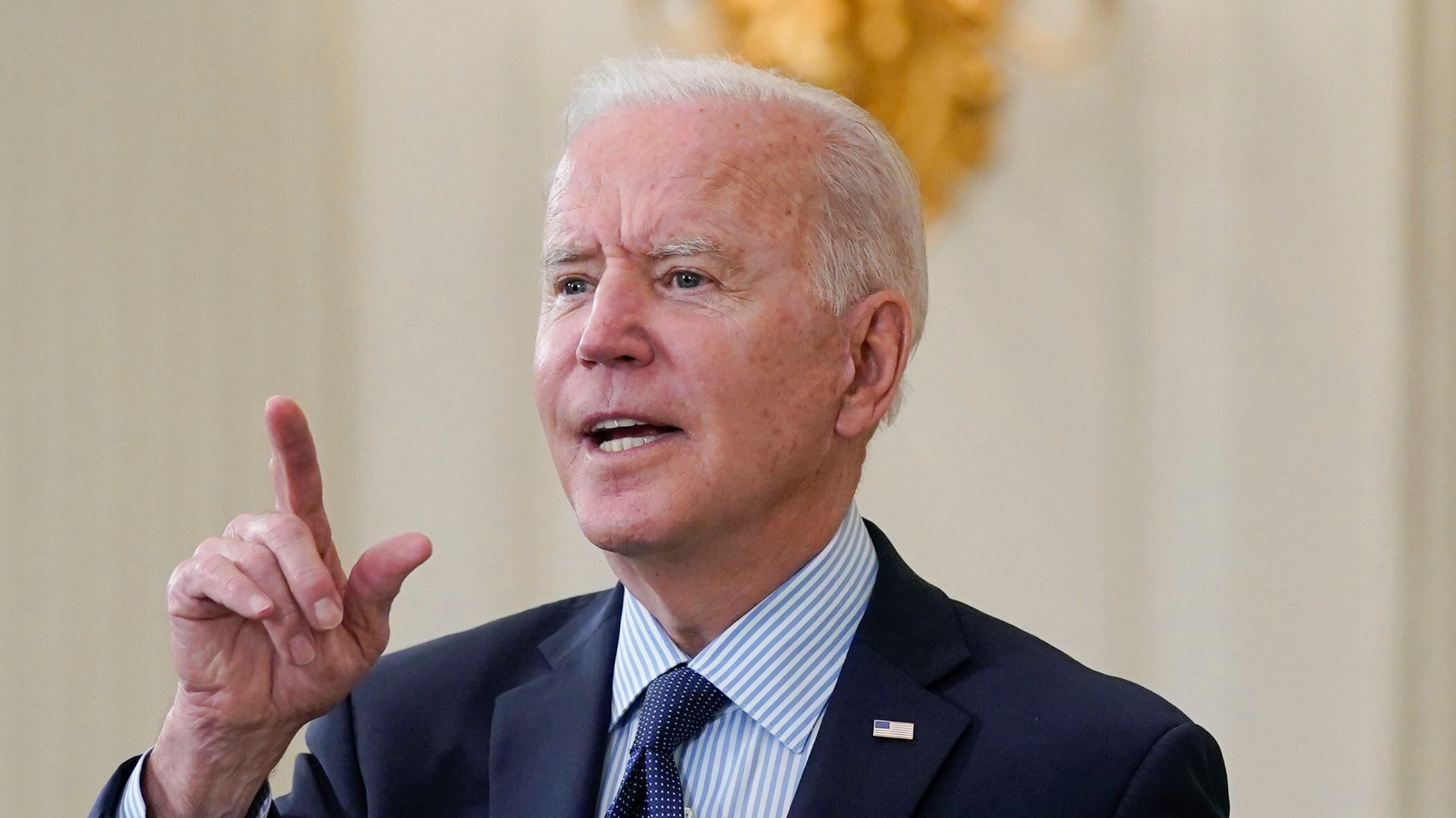
President Joe Biden has made a Cinco de Mayo taco and enchilada run to highlight his administration’s $28.6 billion program to help eateries that lost business because of the coronavirus pandemic.
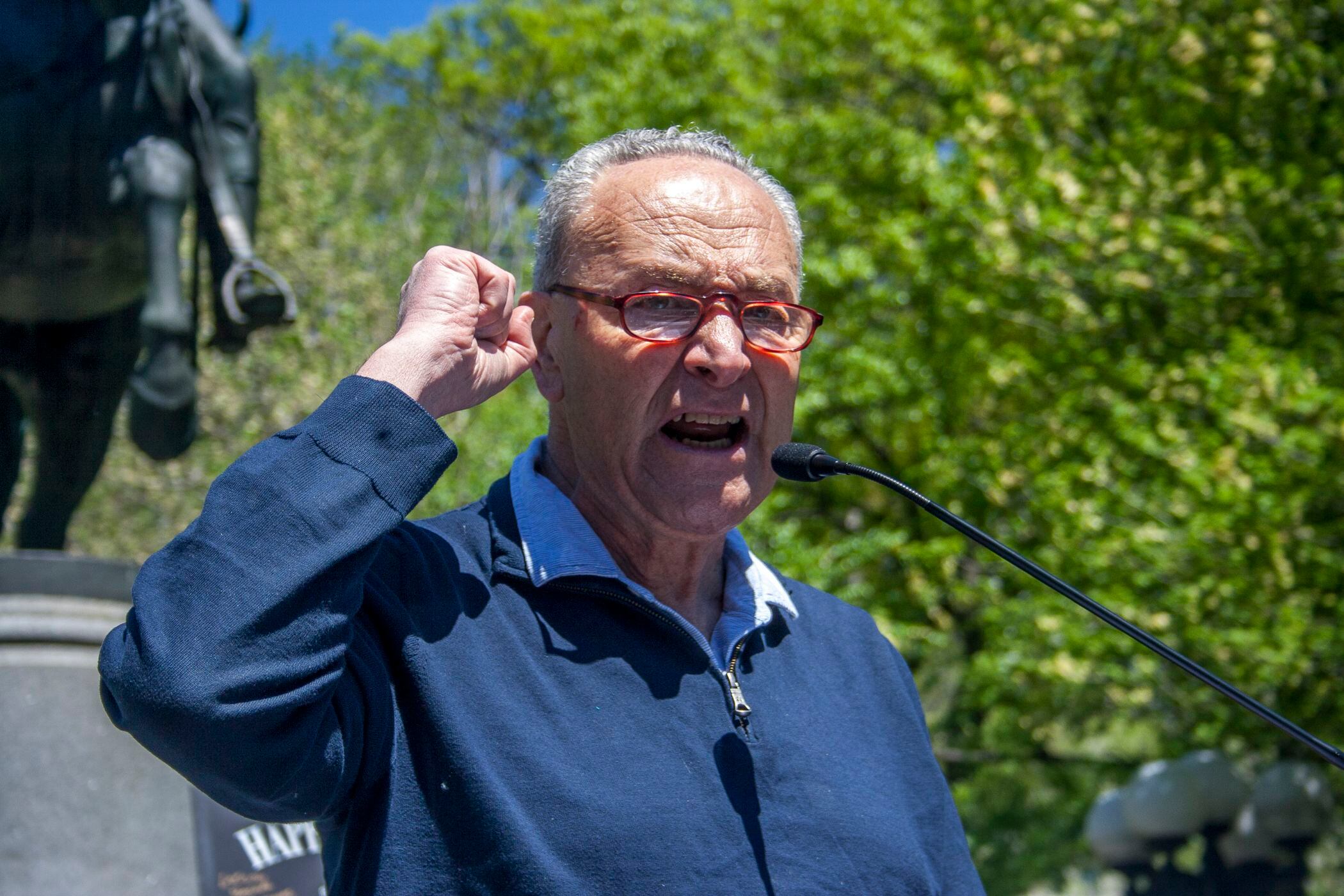
Sen. Chuck Schumer (D-N.Y.) joined the NYC Cannabis Parade, the first since the Empire State legalized marijuana. The senator promised to continue to fight for "fair, just, and full legalization" on a federal level.
Former President Donald Trump won’t return to Facebook. The social network’s quasi-independent Oversight Board has voted to permanently ban his account after it was suspended four months ago for inciting violence that led to the deadly Jan. 6 Capitol riot.
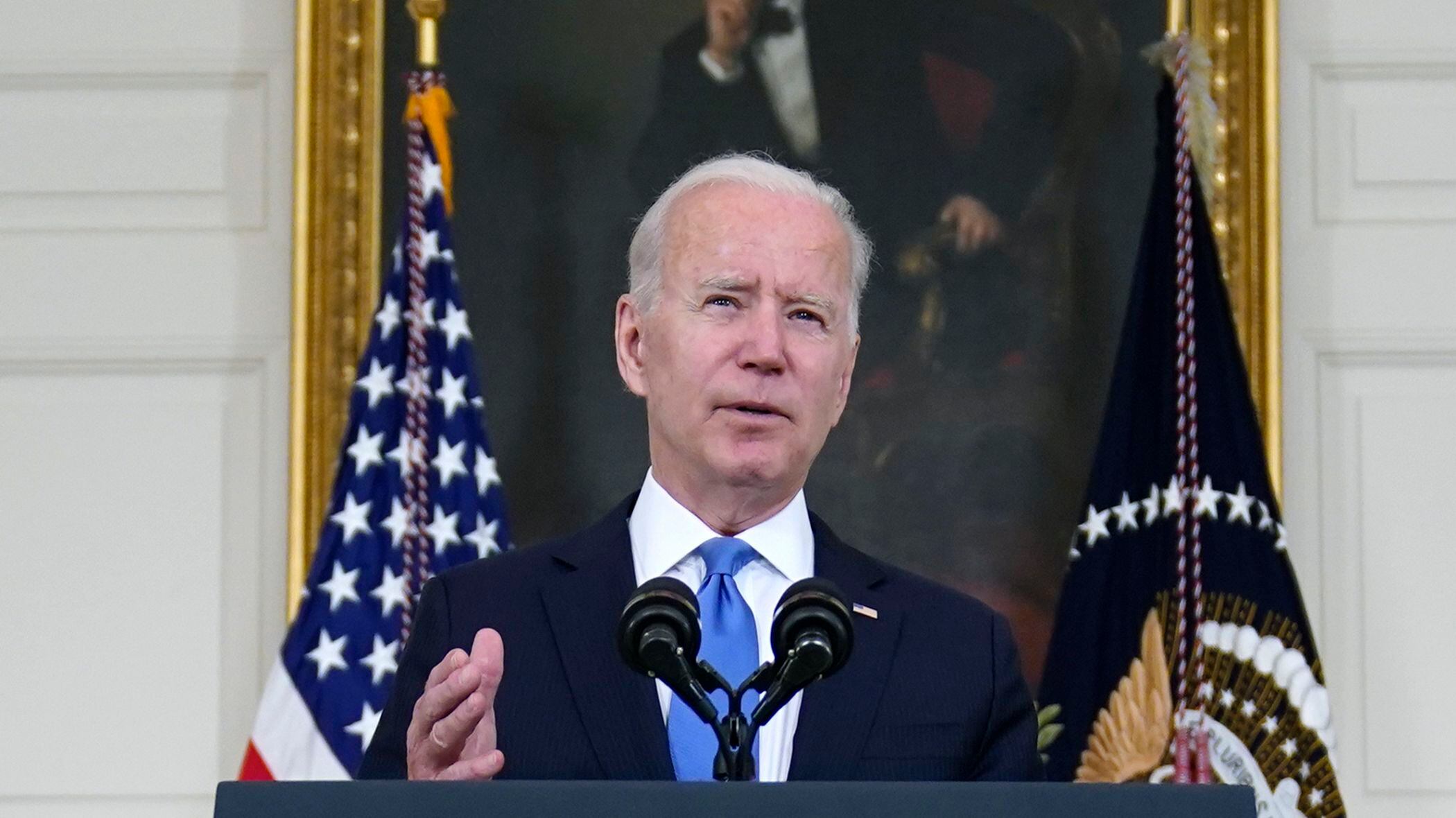
President Joe Biden has set a new vaccination goal to deliver at least one dose to 70% of American adults by July Fourth.