By Jessica Gresko
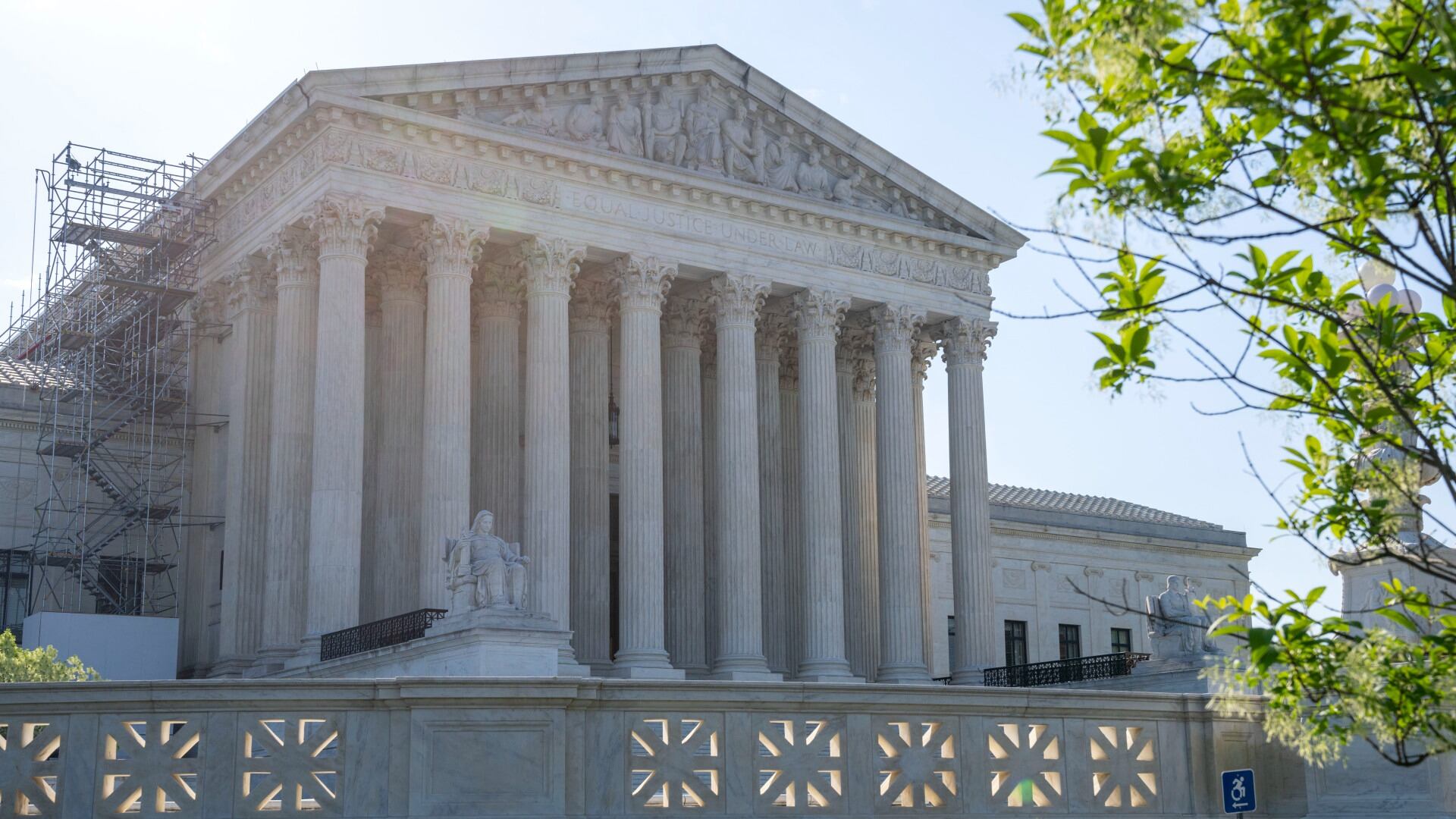
The Supreme Court said Monday it won't review North Carolina's decision to stop issuing specialty license plates with the Confederate flag.
As is typical, the court did not comment in declining to hear the case, which challenged the state's decision. The dispute was one of many the court said Monday it would not hear. It was similar to a case originating in Texas that the court heard in 2015, when it ruled the license plates are state property.
The current dispute stems from North Carolina's 2021 decision to stop issuing specialty license plates bearing the insignia of the North Carolina chapter of the Sons of Confederate Veterans. The chapter sued, claiming that the state's decision violated state and federal law. A lower court dismissed the case, and a federal appeals court agreed with that decision.
North Carolina offers three standard license plates and more than 200 specialty plates. Civic clubs including the Sons of Confederate Veterans can create specialty plates by meeting specific requirements.
In 2021, however, the state Department of Transportation sent the group a letter saying it would "no longer issue or renew specialty license plates bearing the Confederate battle flag or any variation of that flag" because the plates "have the potential to offend those who view them."
The state said it would consider alternate artwork for the plates' design if it does not contain the Confederate flag.
The organization unsuccessfully argued that the state's decision violated its free speech rights under the Constitution's First Amendment and state law governing specialty license plates.
In 2015, the Sons of Confederate Veterans’ Texas chapter claimed Texas was wrong not to issue a specialty license plate with the group's insignia. But the Supreme Court ruled 5-4 that Texas could limit the content of license plates because they are state property.
California Governor Gavin Newsom is facing a recall election in about two weeks. Newsom was elected governor in 2018 with nearly 62% of the vote after working as lieutenant governor for eight years. However, his popularity took a hit after his handling of Covid-19 pandemic, although the White House is refusing to cite this as the direct reason for the September 14th recall election. There are 46 candidates running to be Newsom's replacement, and some are saying that California could end up electing a republican governor.
Jeremy White, California politics reporter and co-writer of daily California Playbook Newsletter at Politico, joined Cheddar Politics to discuss more about the election and its possible outcomes.
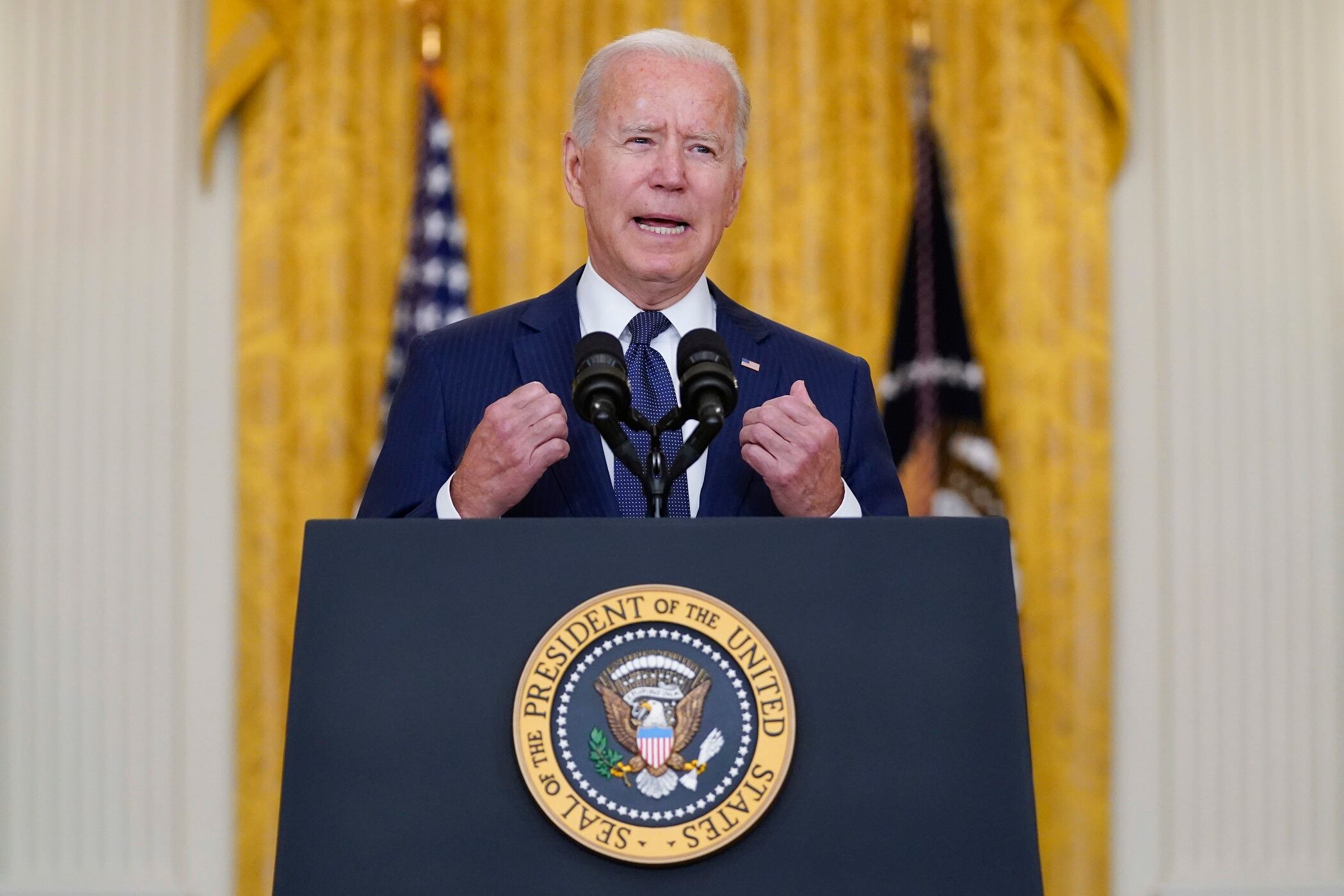
President Joe Biden says the United States will complete it's evacuation of Americans and others from Kabul, despite the attack that killed 12 U.S. service members and many Afghan civilians.
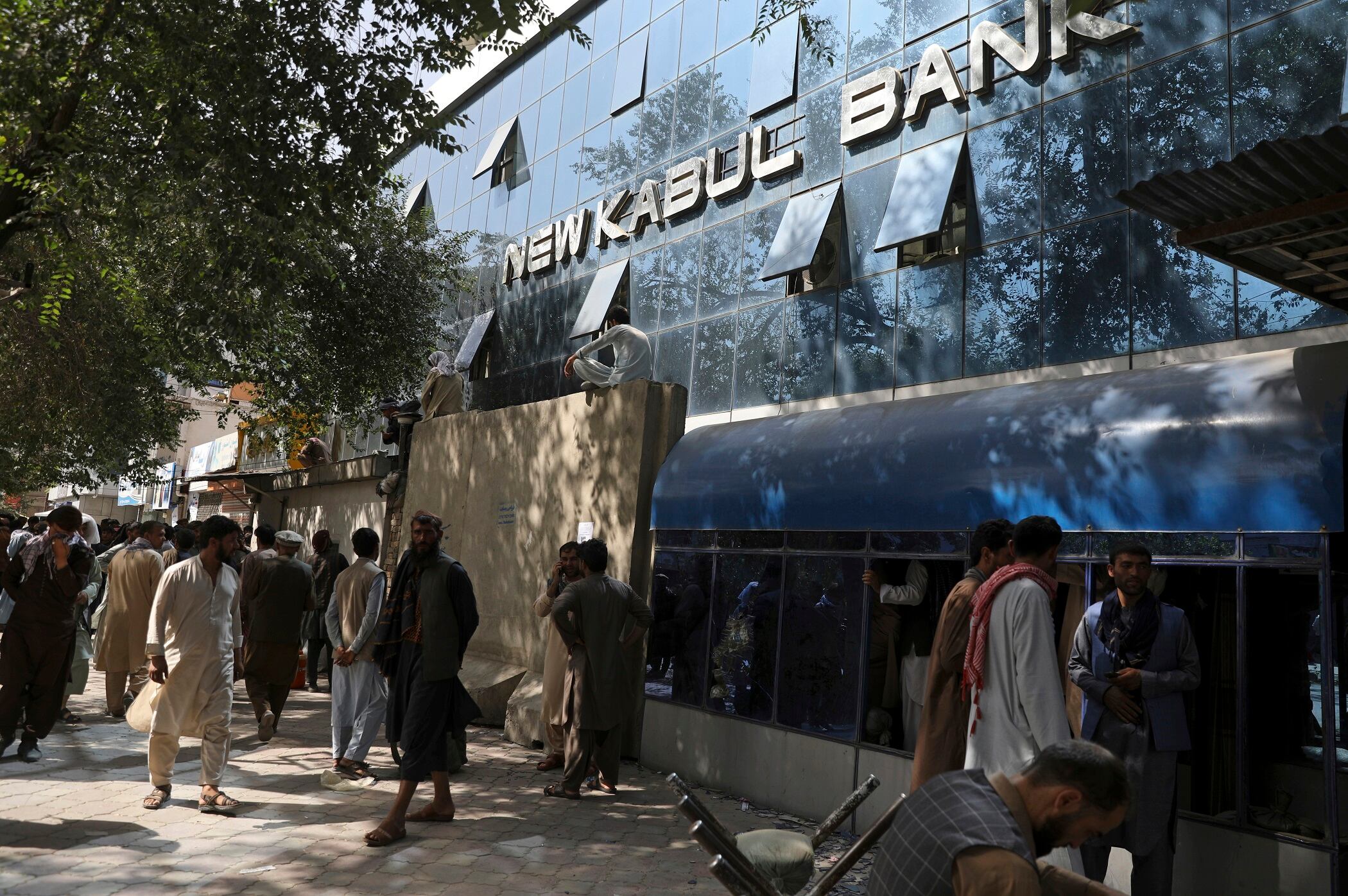
Crypto-enthusiasts are taking to social media to urge regular Afghans to adopt bitcoin in the face of considerable economic uncertainty.
The U.S. economy grew at a 6.6% annual rate last quarter, slightly faster than previously estimated, the government said Thursday in a report that pointed to a sustained consumer-led rebound from the pandemic recession.
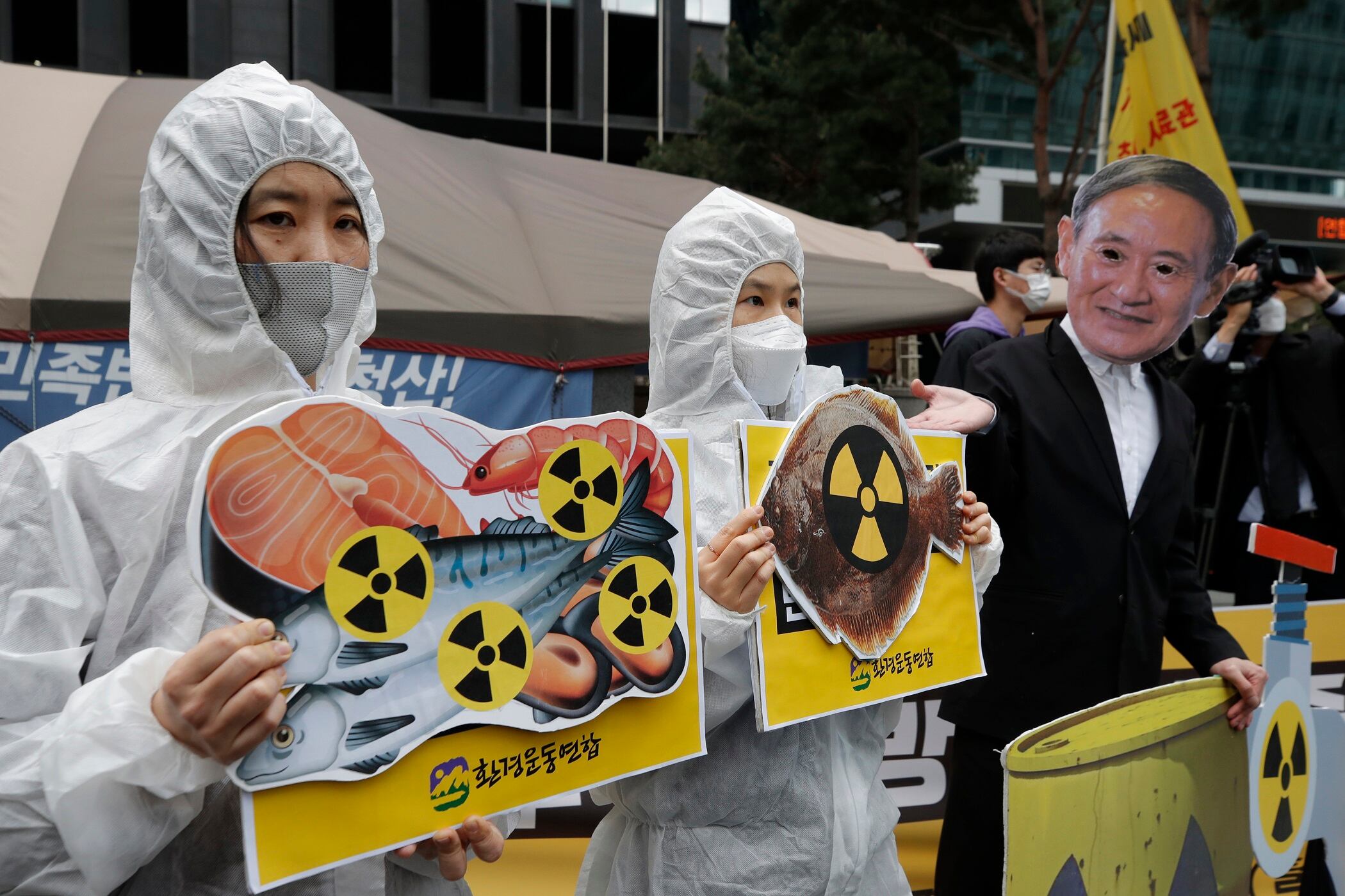
The operator of the wrecked Fukushima nuclear power plant says it plans to build an undersea tunnel so that massive amounts of treated but still radioactive water can be released into the ocean about 1 kilometer (0.6 mile) away from the plant to avoid interference with local fishing.
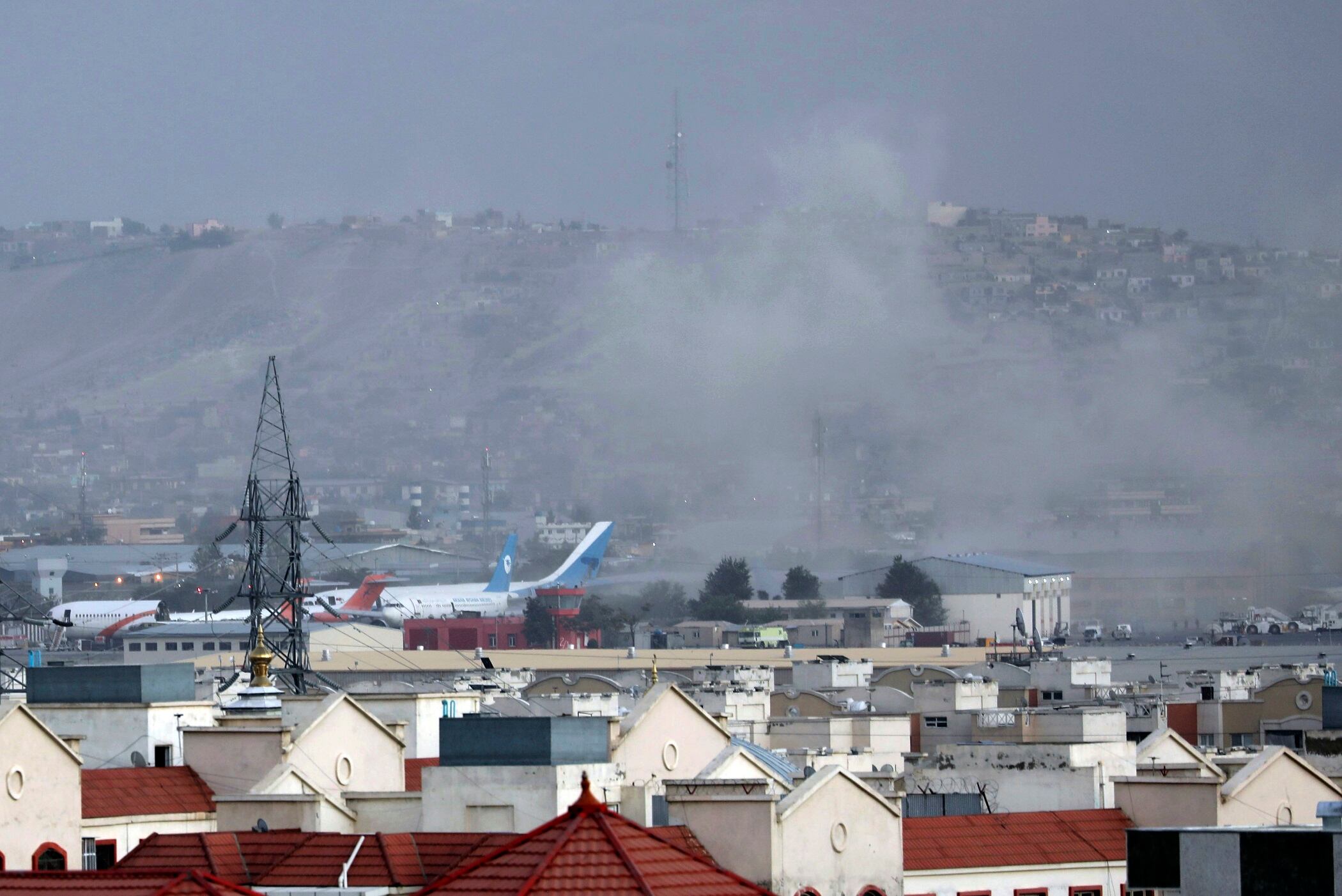
Two suicide bombers and gunmen have targeted crowds of Afghans flocking to Kabul’s airport, in the waning days of a massive airlift that has drawn thousands of people seeking to flee the Taliban takeover of Afghanistan.
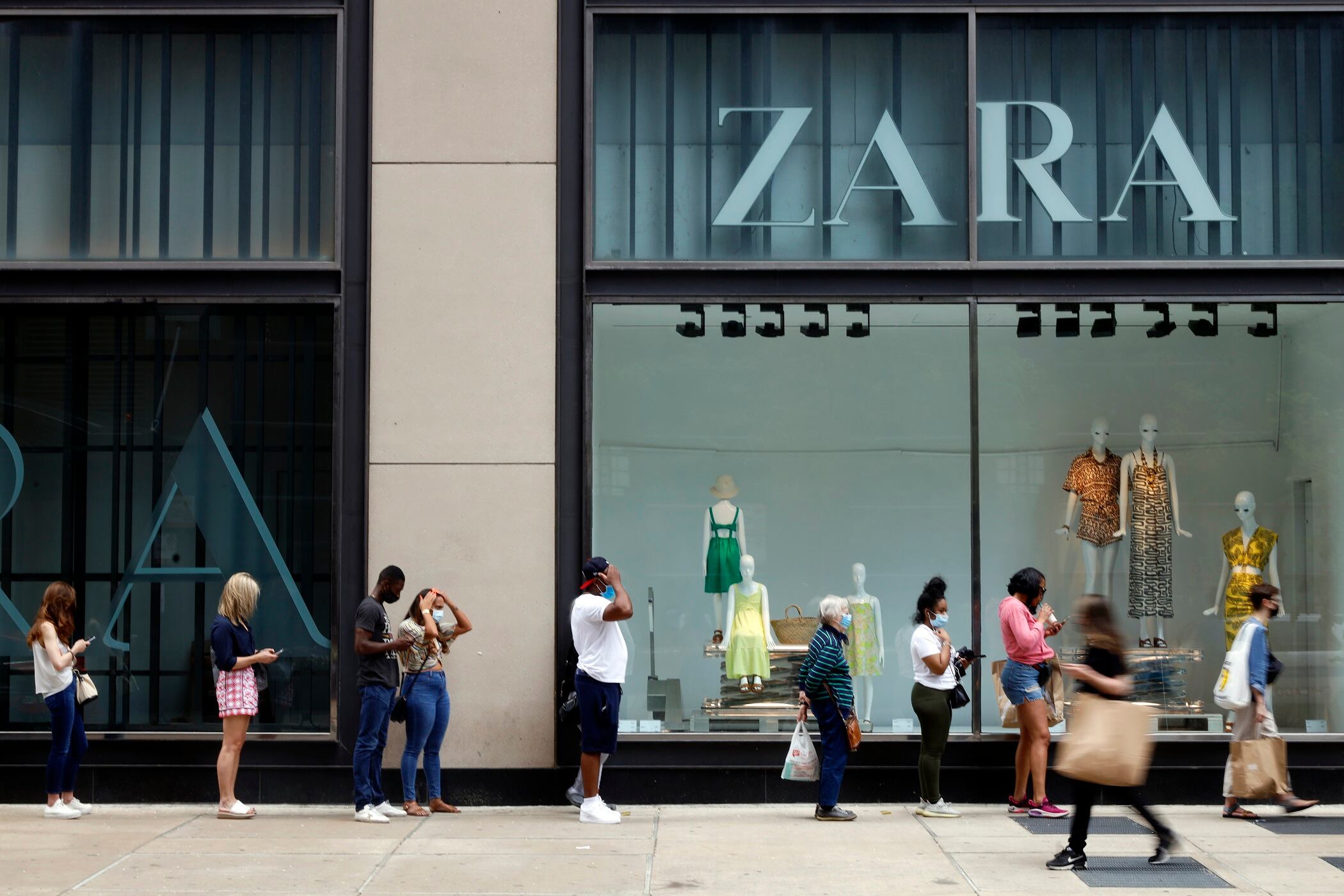
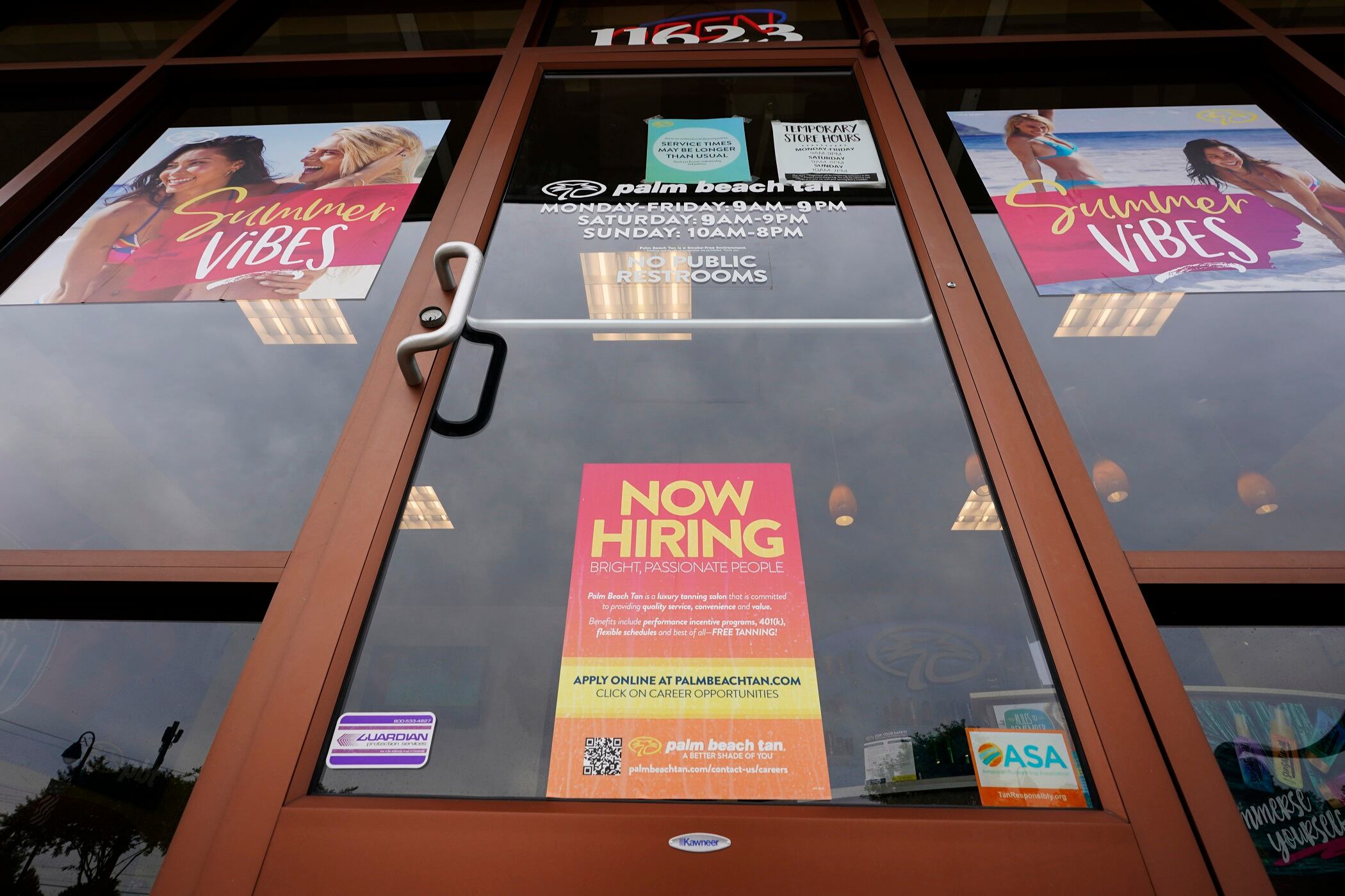
The number of Americans applying for unemployment benefits rose for the first time in five weeks even though the economy and job market have been recovering briskly from the coronavirus pandemic.
Secretary of State Blinken said Wednesday that as many as 1,500 Americans may be awaiting evacuation from Afghanistan.
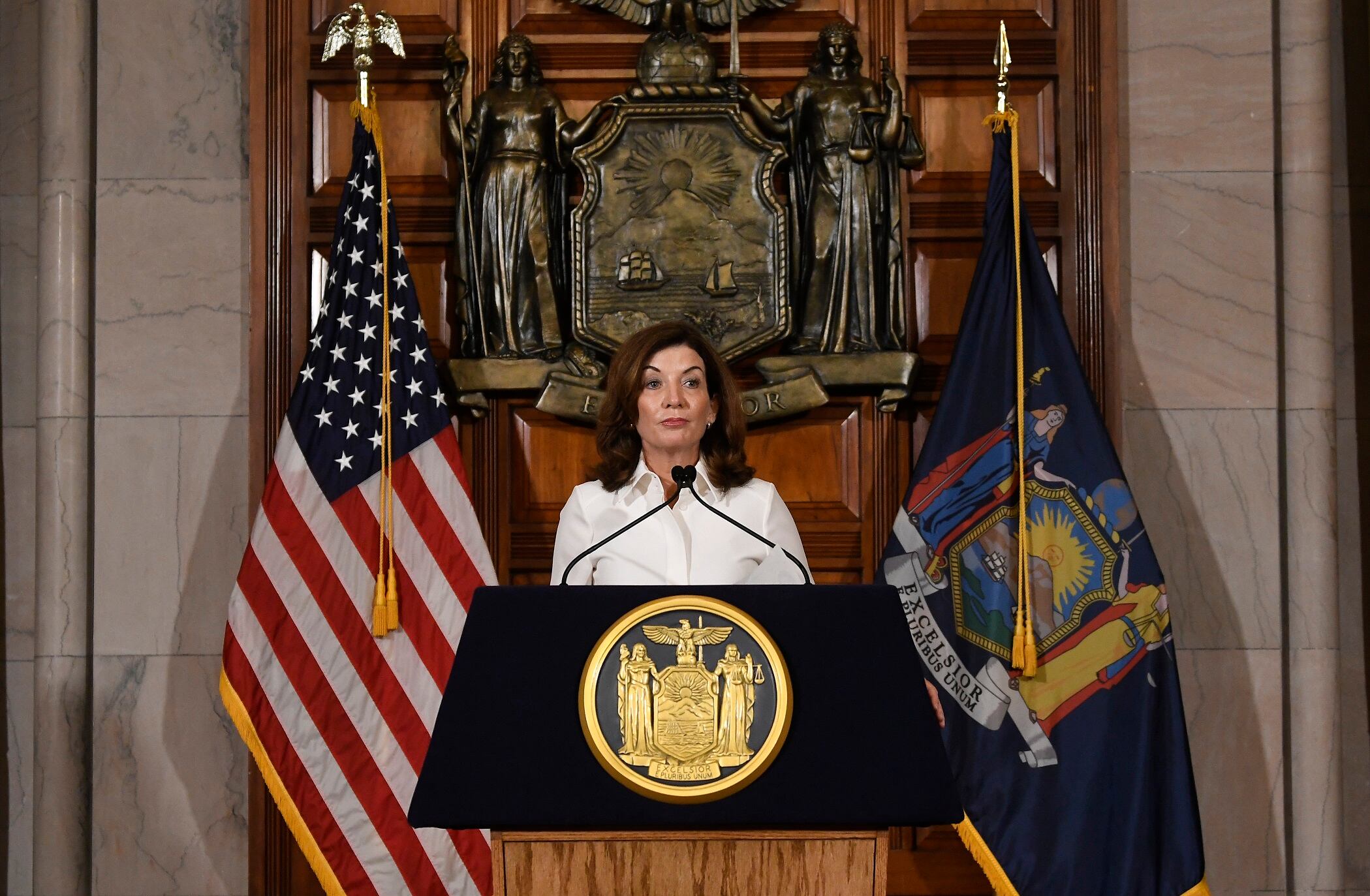
Kathy Hochul became the first female governor of New York on Tuesday, vowing to bring new energy and urgency to solving immense challenges as she took over an administration criticized for inaction.
U.S military troops flying round the clock have managed their biggest day of airlifts out of Afghanistan by far.