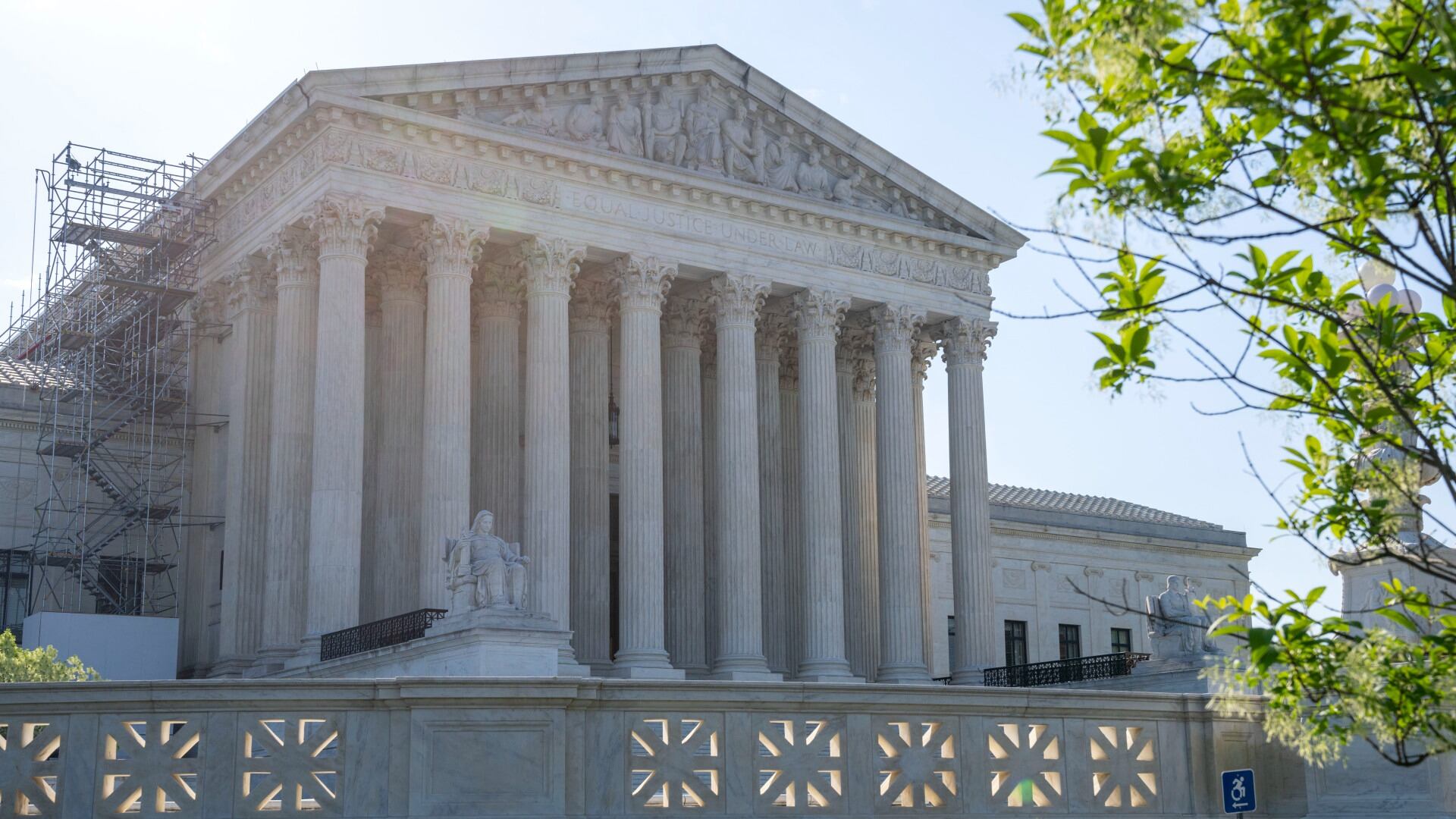
The Supreme Court is seen, Friday, April 21, 2023, ahead of an abortion pill decision in Washington. (AP Photo/Jacquelyn Martin)
By Jessica Gresko
The Supreme Court said Monday it won't review North Carolina's decision to stop issuing specialty license plates with the Confederate flag.
As is typical, the court did not comment in declining to hear the case, which challenged the state's decision. The dispute was one of many the court said Monday it would not hear. It was similar to a case originating in Texas that the court heard in 2015, when it ruled the license plates are state property.
The current dispute stems from North Carolina's 2021 decision to stop issuing specialty license plates bearing the insignia of the North Carolina chapter of the Sons of Confederate Veterans. The chapter sued, claiming that the state's decision violated state and federal law. A lower court dismissed the case, and a federal appeals court agreed with that decision.
North Carolina offers three standard license plates and more than 200 specialty plates. Civic clubs including the Sons of Confederate Veterans can create specialty plates by meeting specific requirements.
In 2021, however, the state Department of Transportation sent the group a letter saying it would "no longer issue or renew specialty license plates bearing the Confederate battle flag or any variation of that flag" because the plates "have the potential to offend those who view them."
The state said it would consider alternate artwork for the plates' design if it does not contain the Confederate flag.
The organization unsuccessfully argued that the state's decision violated its free speech rights under the Constitution's First Amendment and state law governing specialty license plates.
In 2015, the Sons of Confederate Veterans’ Texas chapter claimed Texas was wrong not to issue a specialty license plate with the group's insignia. But the Supreme Court ruled 5-4 that Texas could limit the content of license plates because they are state property.
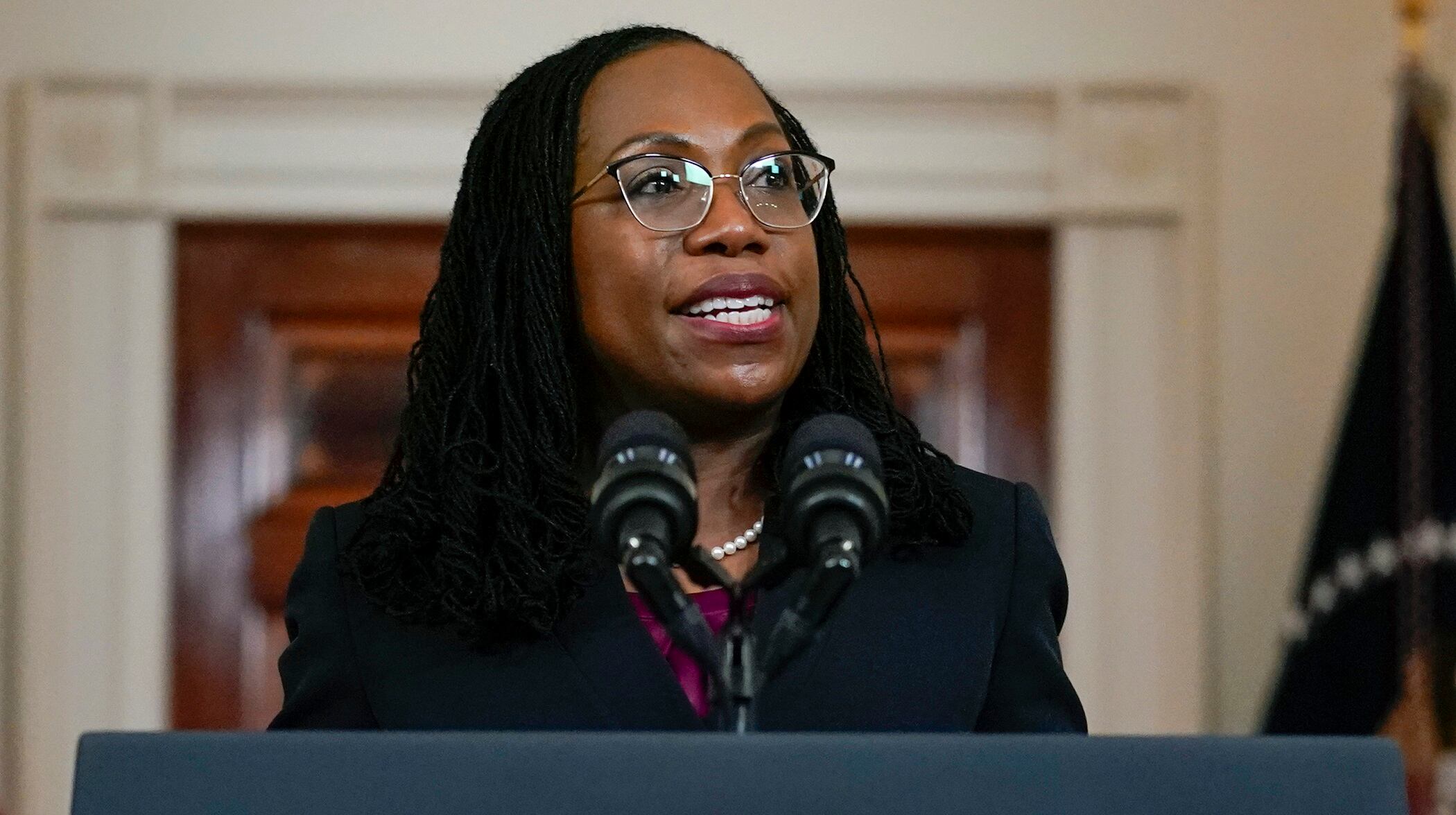
As we celebrate Black History Month, Cheddar is highlighting prominent Black Americans who are carving their own historic paths and trailblazing in their fields. Today we feature Ketanji Brown Jackson, the first Black woman SCOTUS nominee.
Russia's invasion of Ukraine went hand in hand with cyberattacks against Ukrainian government websites and financial institutions. Cheddar News speaks with cybersecurity expert Karim Hijazi, CEO of Prevaillon, on why the Russian cyberwarfare is concerning to other nations.
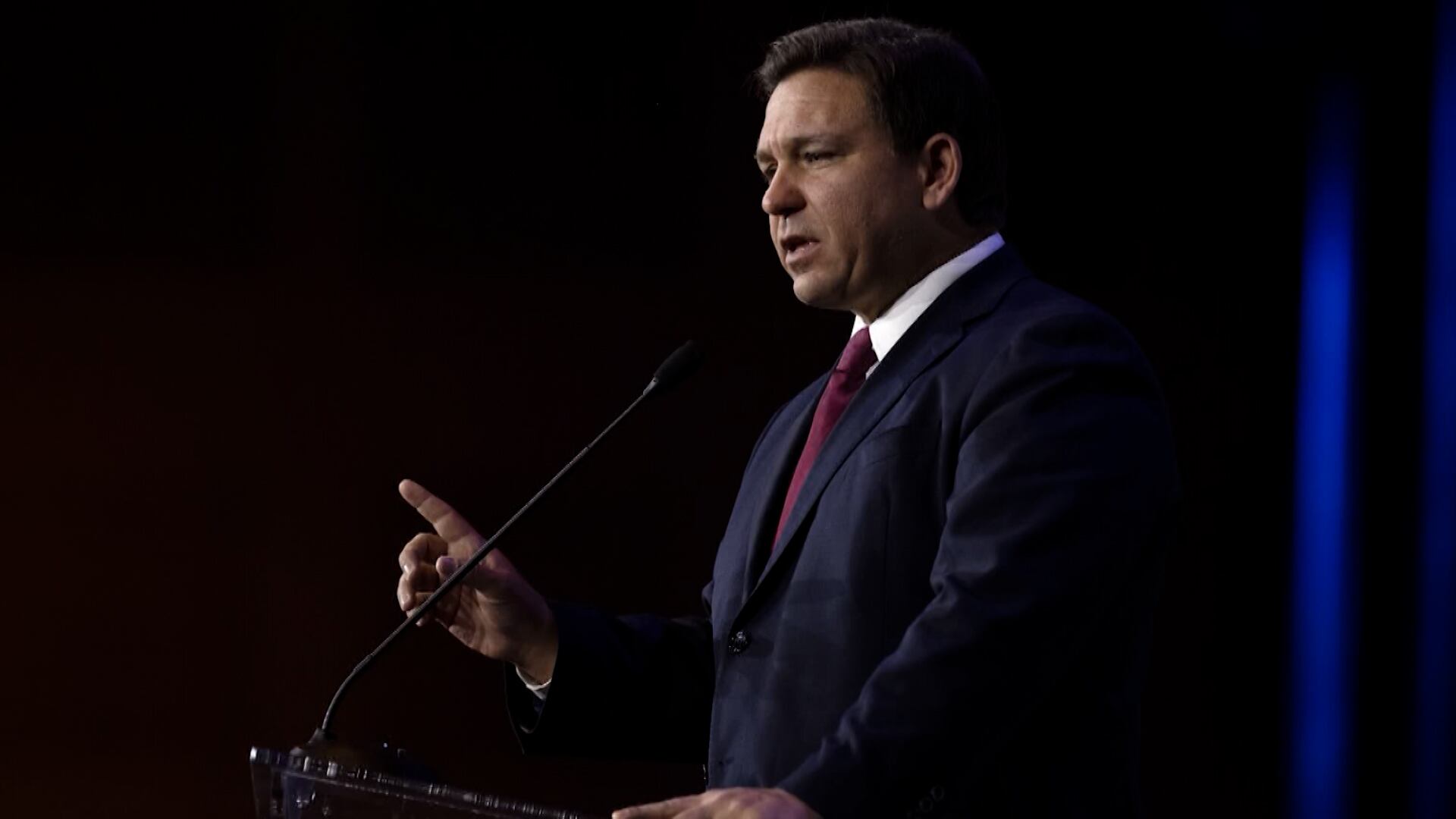
Florida legislation being called the 'Don't Say Gay' bill would restrict some discussion of sexual orientation and gender identity in classrooms with young students. Jon Harris Maurer, public policy director at Equality Florida, joins Cheddar News to discuss.
President Joe Biden promised during his campaign to focus on stable and ally-focused foreign policy, and the Russia-Ukraine crisis seems like an opportunity for him to focus on that tactic after last year's chaotic Afghanistan withdrawal. So far, Biden and western allies have banned together to sanction Russian banks, billionaires, and even President Vladimir Putin himself. Meanwhile, Biden has not deployed U.S. troops to intervene directly in Ukraine. Jack Detsch, national security reporter at Foreign Policy, joins Closing Bell to discuss why Biden is focusing on a sanctions-based, ally-focused strategy, what impact sanctions could have on Russia's economy, and more.
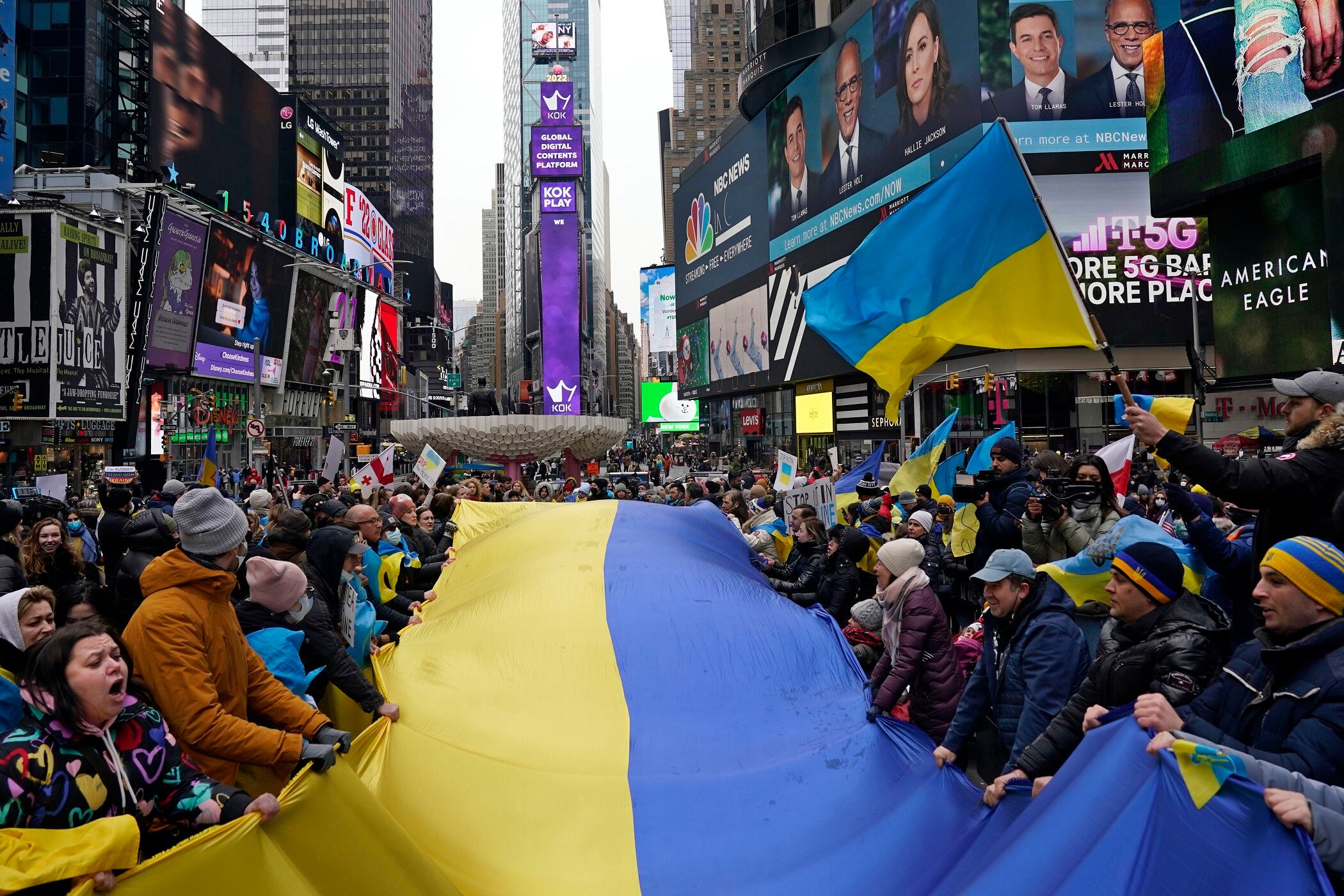
As Russia continues its attack on Ukraine, protests are popping up in major cities across the U.S., including across the street from the United Nations in New York City.. Chloe Aiello reports.