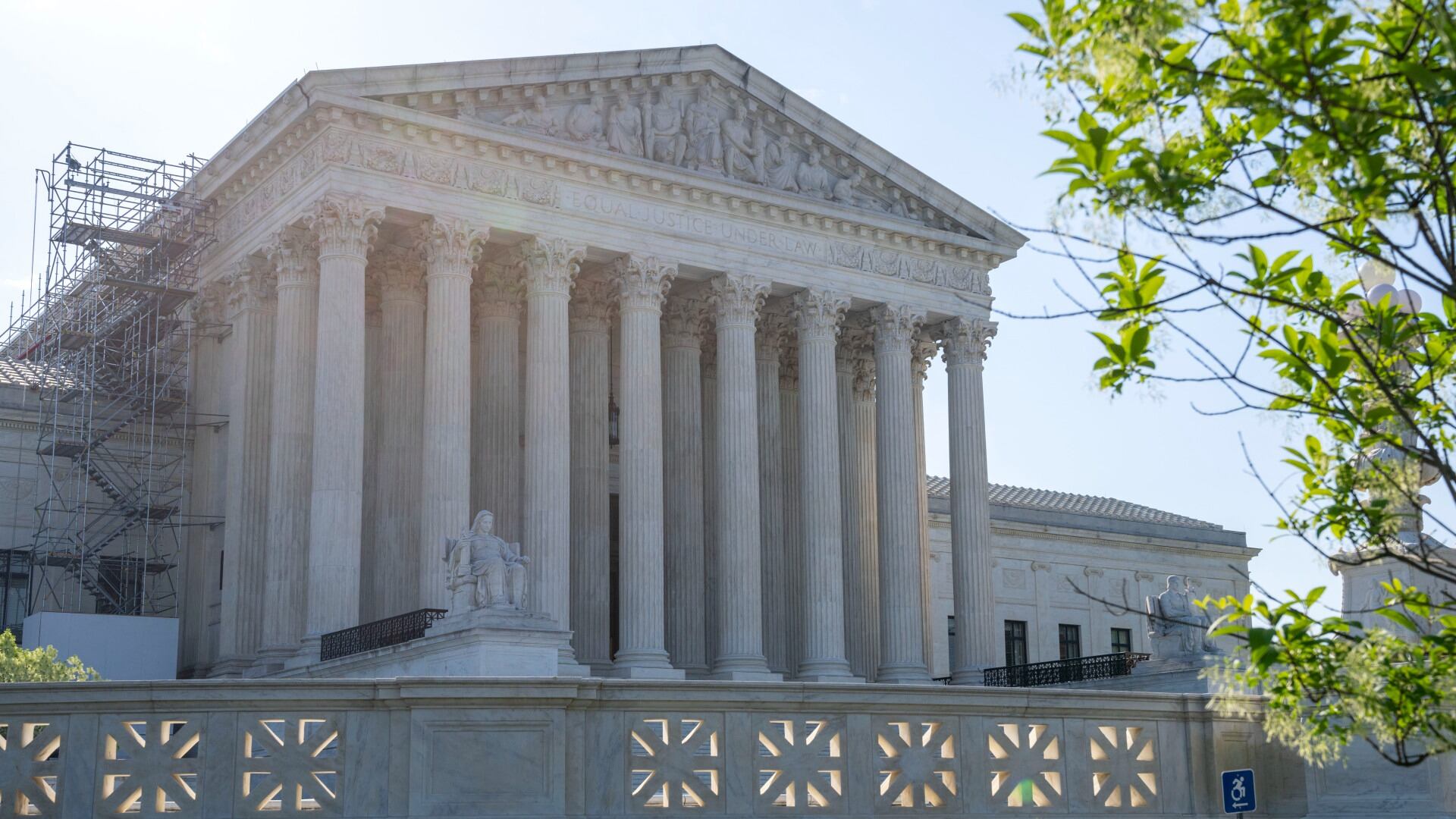
The Supreme Court is seen, Friday, April 21, 2023, ahead of an abortion pill decision in Washington. (AP Photo/Jacquelyn Martin)
By Jessica Gresko
The Supreme Court said Monday it won't review North Carolina's decision to stop issuing specialty license plates with the Confederate flag.
As is typical, the court did not comment in declining to hear the case, which challenged the state's decision. The dispute was one of many the court said Monday it would not hear. It was similar to a case originating in Texas that the court heard in 2015, when it ruled the license plates are state property.
The current dispute stems from North Carolina's 2021 decision to stop issuing specialty license plates bearing the insignia of the North Carolina chapter of the Sons of Confederate Veterans. The chapter sued, claiming that the state's decision violated state and federal law. A lower court dismissed the case, and a federal appeals court agreed with that decision.
North Carolina offers three standard license plates and more than 200 specialty plates. Civic clubs including the Sons of Confederate Veterans can create specialty plates by meeting specific requirements.
In 2021, however, the state Department of Transportation sent the group a letter saying it would "no longer issue or renew specialty license plates bearing the Confederate battle flag or any variation of that flag" because the plates "have the potential to offend those who view them."
The state said it would consider alternate artwork for the plates' design if it does not contain the Confederate flag.
The organization unsuccessfully argued that the state's decision violated its free speech rights under the Constitution's First Amendment and state law governing specialty license plates.
In 2015, the Sons of Confederate Veterans’ Texas chapter claimed Texas was wrong not to issue a specialty license plate with the group's insignia. But the Supreme Court ruled 5-4 that Texas could limit the content of license plates because they are state property.
Christine McDaniel, Senior Research Fellow at the Mercatus Center, joined Cheddar News' Closing Bell to break down the long list of sanctions that the U.S. has levied against Russia since its invasion of Ukraine, and the impact - or lack thereof - they are having on Russia.
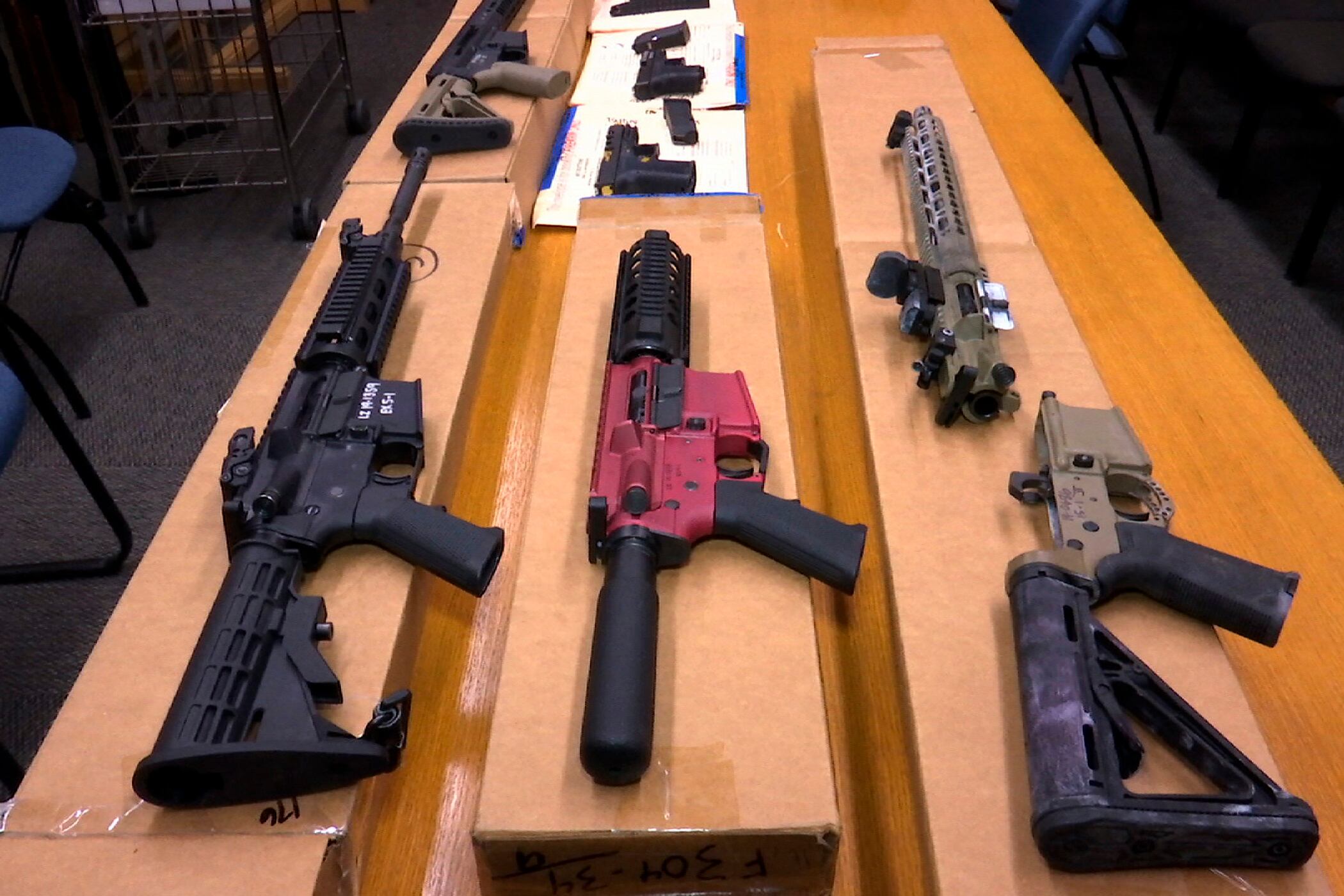
President Joe Biden is taking fresh aim at “ghost guns" and also announced the nomination of Steve Dettlebach, who served as a U.S. attorney in Ohio from 2009 to 2016, to run the ATF.
Stefanie O'Connell Rodriguez joined Cheddar's Opening Bell to discuss her newest mini-series on REAL SIMPLE's Money Confidential podcast, called 'Taxes in 10.'
As the Russian invasion of Ukraine continues, social media giant Meta said that it's using its technology to help the beleaguered nation Erin Egan, chief privacy officer, and Andrew Schroeder, vice president of research and analysis for direct relief, joined Cheddar News to discuss using data towards humanitarian relief. "Our goal with the program is to help organizations on the ground by sharing privacy-protected data sets to enable them to respond to crisis," Egan explained.
Catching you up on what you need to know on April 11, 2022, with updates on the Russia-Ukraine War, France’s presidential election, the record deforestation of the Amazon Rainforest, retail giant Amazon's objection to the Staten Island union vote, the worsening baby formula shortage, a lawsuit against Rutgers Law School, and a stomach illness possibly linked to Lucky Charms cereal.
Between Bells executive producer Conor White recaps some of the biggest stories of the week, and teaches Baker Machado and Hena Doba a thing or two at the same time. It's This Week In Trivia!
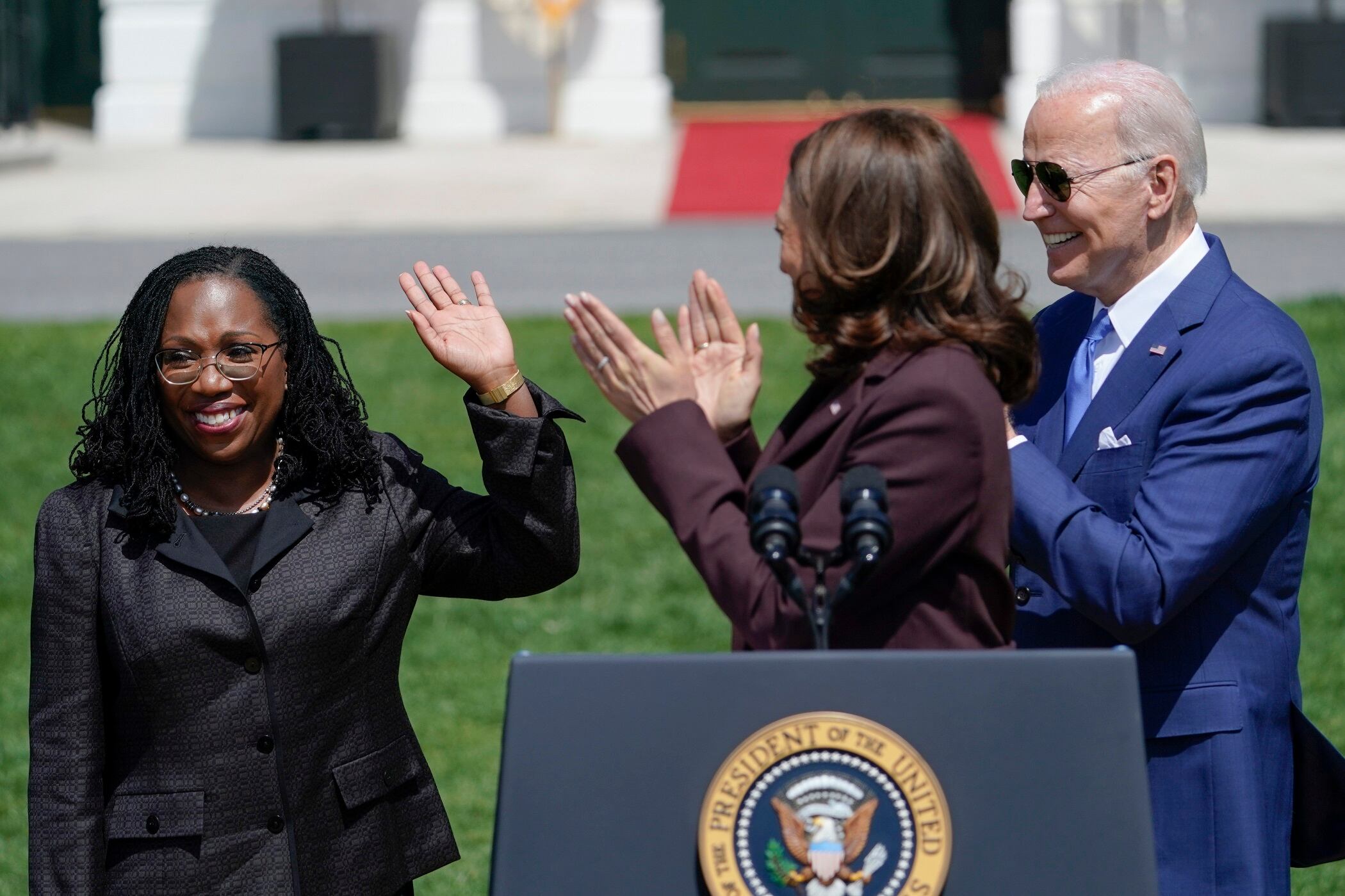
Tearfully embracing a history-making moment, Judge Ketanji Brown Jackson said Friday her confirmation as the first Black woman to the Supreme Court showed the progress of America.