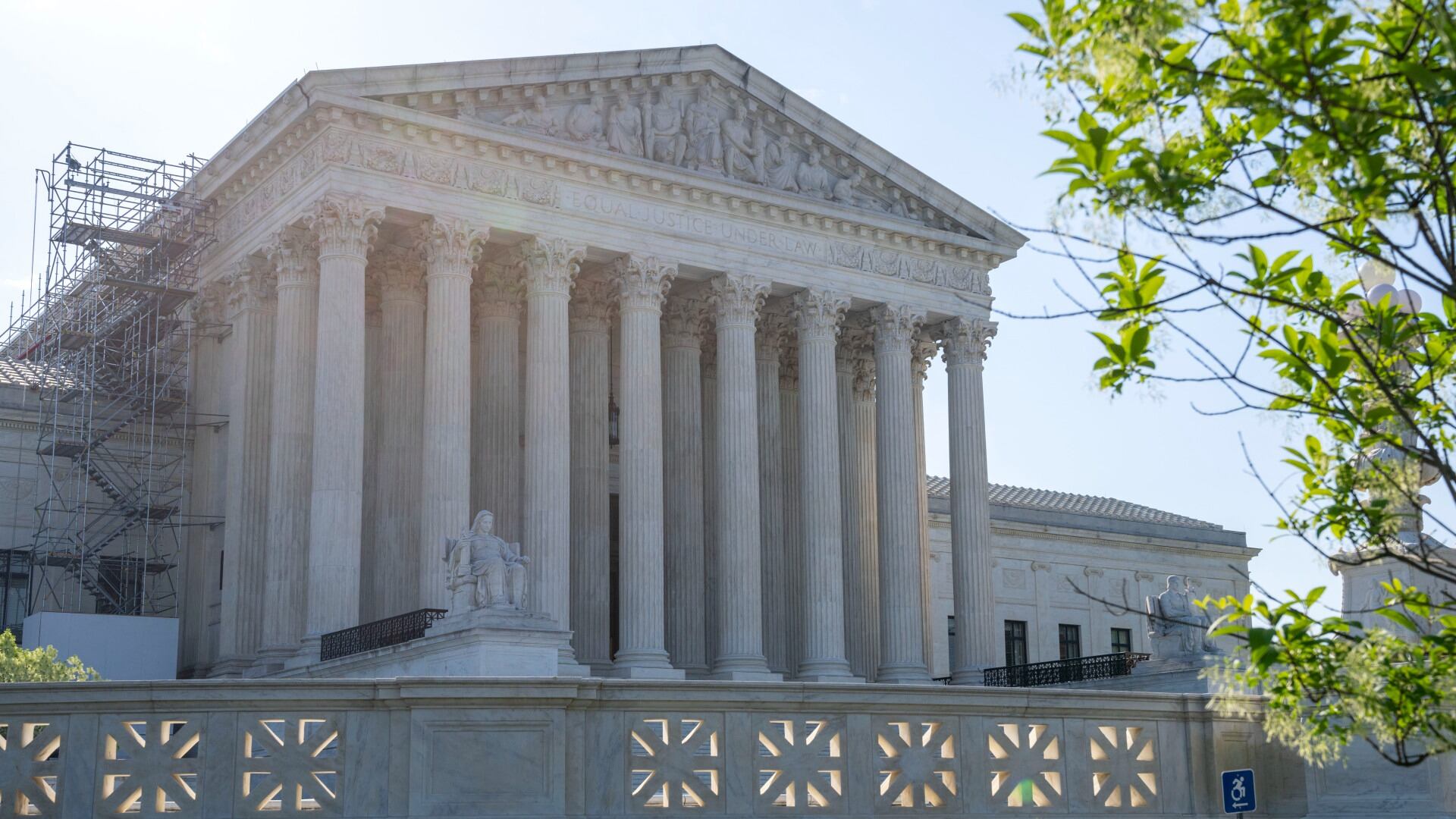
The Supreme Court is seen, Friday, April 21, 2023, ahead of an abortion pill decision in Washington. (AP Photo/Jacquelyn Martin)
By Jessica Gresko
The Supreme Court said Monday it won't review North Carolina's decision to stop issuing specialty license plates with the Confederate flag.
As is typical, the court did not comment in declining to hear the case, which challenged the state's decision. The dispute was one of many the court said Monday it would not hear. It was similar to a case originating in Texas that the court heard in 2015, when it ruled the license plates are state property.
The current dispute stems from North Carolina's 2021 decision to stop issuing specialty license plates bearing the insignia of the North Carolina chapter of the Sons of Confederate Veterans. The chapter sued, claiming that the state's decision violated state and federal law. A lower court dismissed the case, and a federal appeals court agreed with that decision.
North Carolina offers three standard license plates and more than 200 specialty plates. Civic clubs including the Sons of Confederate Veterans can create specialty plates by meeting specific requirements.
In 2021, however, the state Department of Transportation sent the group a letter saying it would "no longer issue or renew specialty license plates bearing the Confederate battle flag or any variation of that flag" because the plates "have the potential to offend those who view them."
The state said it would consider alternate artwork for the plates' design if it does not contain the Confederate flag.
The organization unsuccessfully argued that the state's decision violated its free speech rights under the Constitution's First Amendment and state law governing specialty license plates.
In 2015, the Sons of Confederate Veterans’ Texas chapter claimed Texas was wrong not to issue a specialty license plate with the group's insignia. But the Supreme Court ruled 5-4 that Texas could limit the content of license plates because they are state property.
President Biden wants to repeal a Trump-era policy called Title 42, which makes it harder for migrants to seek asylum. A federal judge has temporarily blocked the administration from letting this happen. Cheddar News is joined by Maria Pabon, Dean Brian Bromberger Distinguished Professor of Law at Loyola University, to discuss.
Politico's Defense Reporter Paul McLeary joined Cheddar News' Closing Bell to discuss the significance of cabinet members Secretary of State Antony Blinken and Defense Secretary Lloyd Austin's recent trip to Ukraine, and to break down how the U.S. is furthering its support for the besieged nation as Russian aggression intensifies.
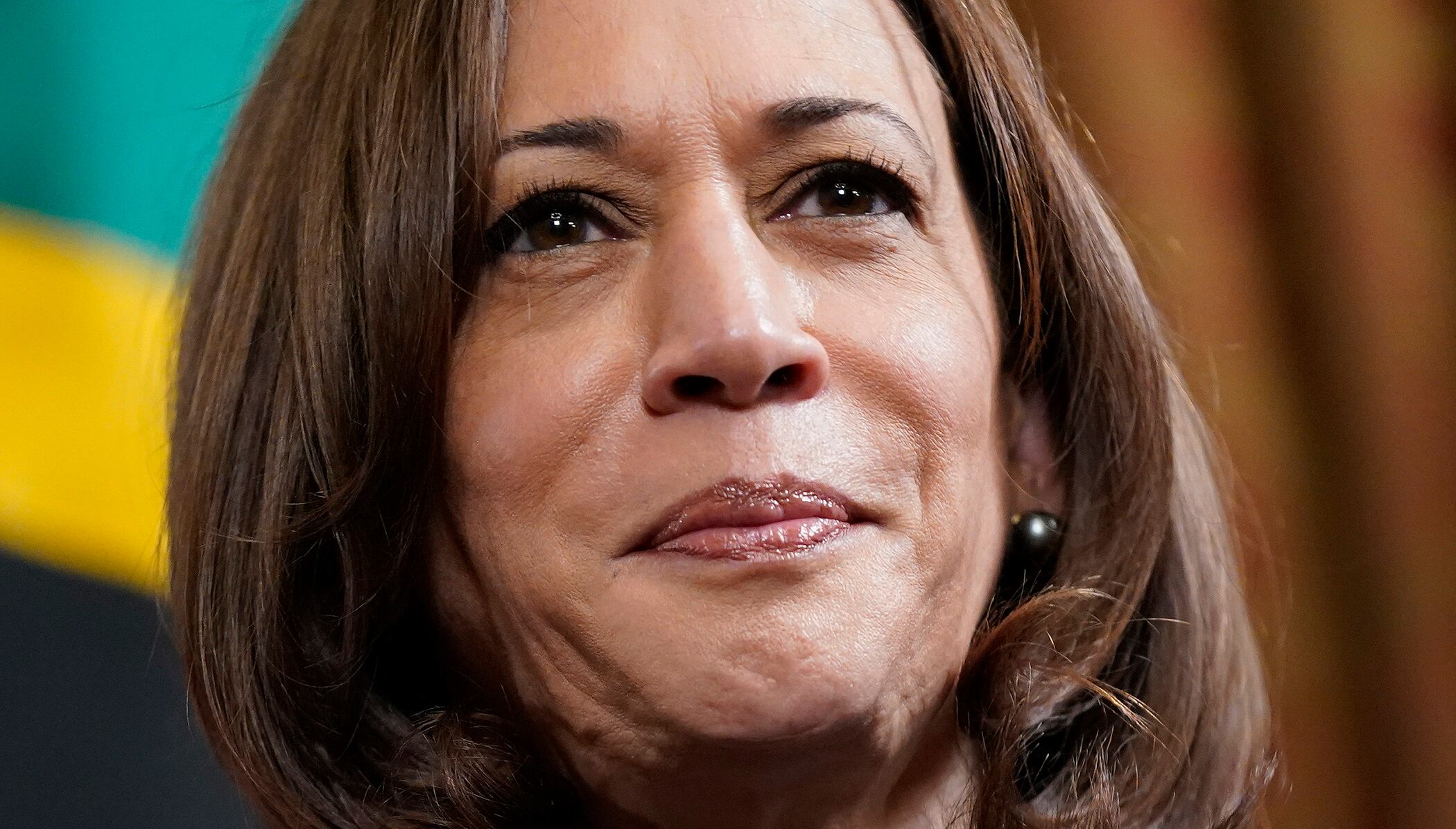
Vice President Kamala Harris tested positive for COVID-19 on Tuesday, the White House announced. That's underscoring the persistence of the highly contagious virus even as the U.S. eases restrictions in a bid to revert to pre-pandemic normalcy.
Catching you up on what you need to know on April 26, 2022, with Elon Musk’s purchase of Twitter for $44 billion, Russia warning of a possible threat of World War III, the FDA approving a COVID treatment for children under 12, and more.
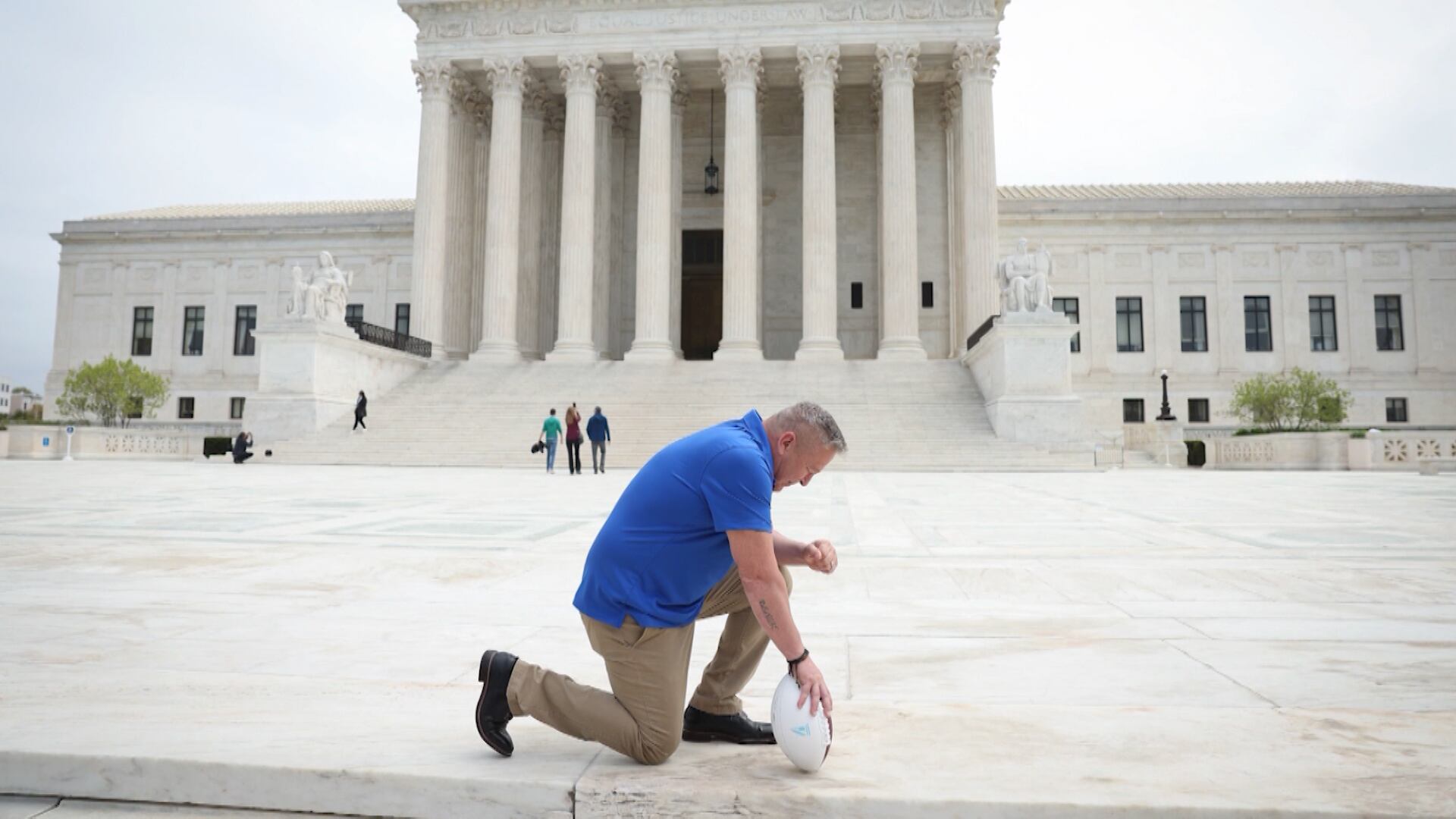
The Supreme Court is taking on the case of Joseph Kennedy, who was fired from his job as Bremerton High School assistant coach in Washington for his post-match prayers that were joined by students. Rachel Laser, President and CEO of Americans United for Separation of Church and State, joins Cheddar News to explain the possible implications of a ruling.
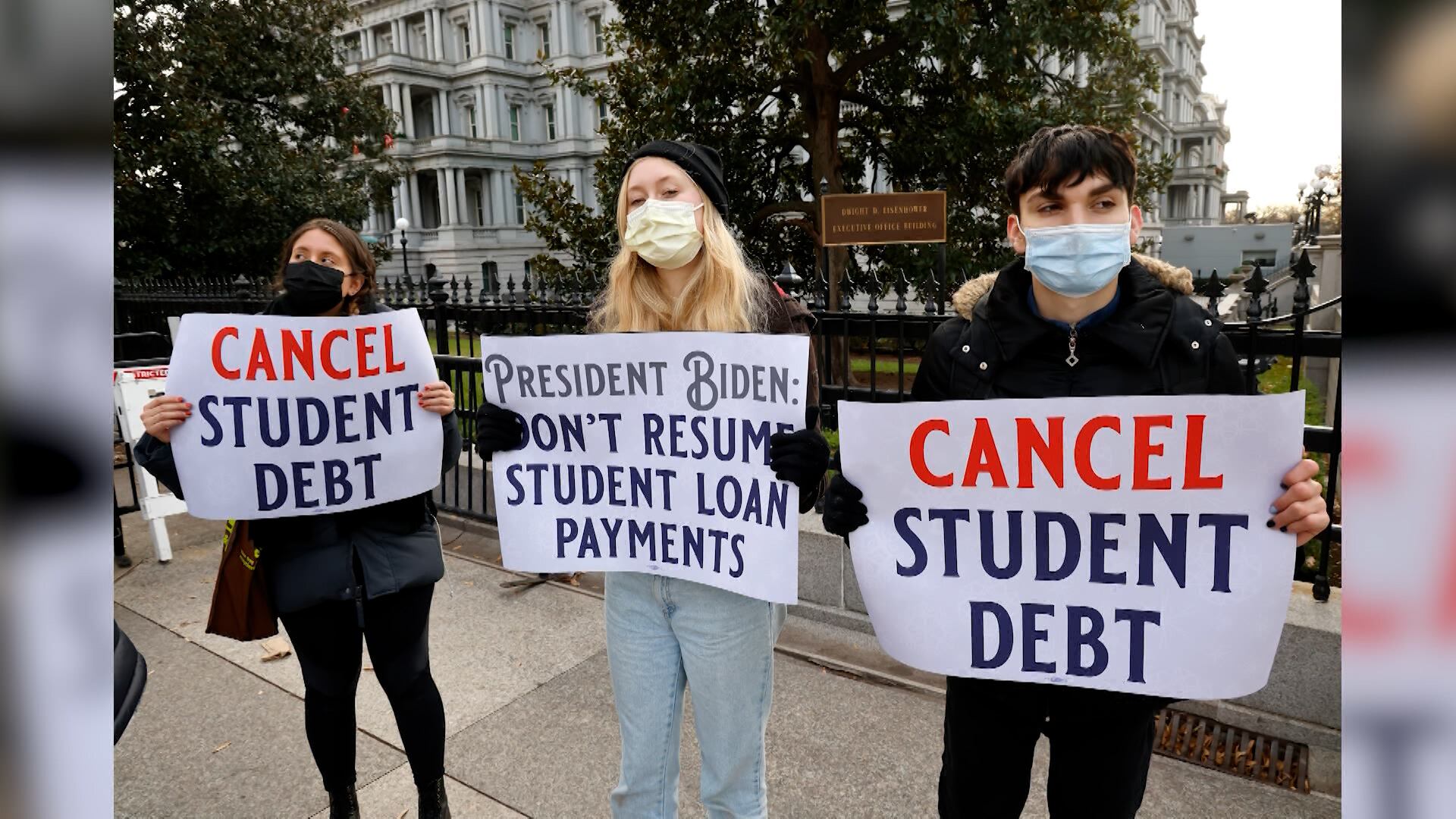
Student loans are affecting about 46 million Americans across the country, adding up to nearly $1.7 trillion of debt total. President Biden has announced a handful of actions designed to bring millions of borrowers a step closer to debt forgiveness. Katie Lobosco, writer for CNN Politics, joins Cheddar News to discuss.
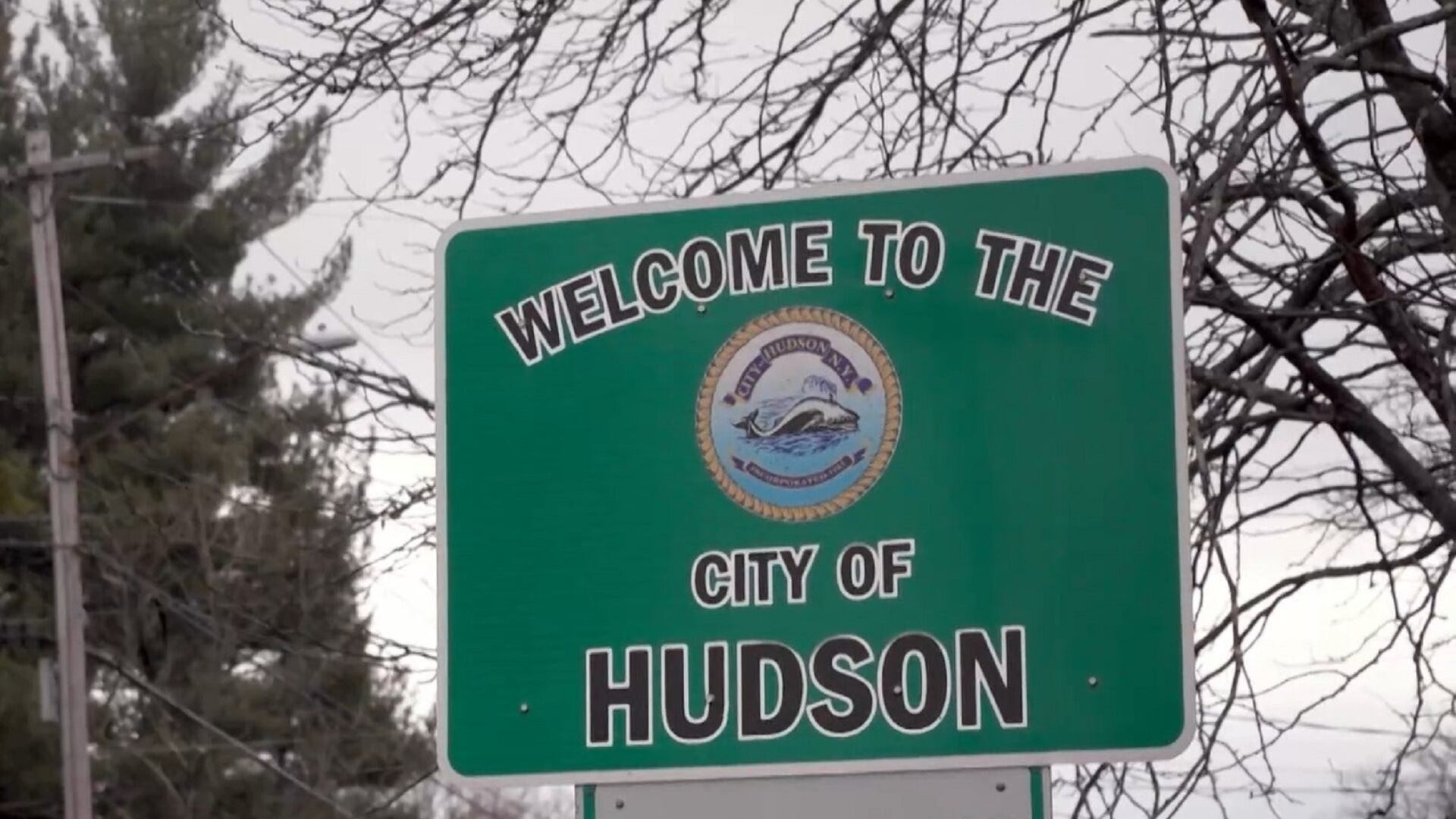
Once called the rent-forever generation, Millennials are bucking the trend. But just as they age into their prime home-buying years, they’ve run up against a red hot housing market exacerbated by the coronavirus pandemic. Cheddar News senior Reporter Chloe Aiello went to Hudson, N.Y., to learn more.
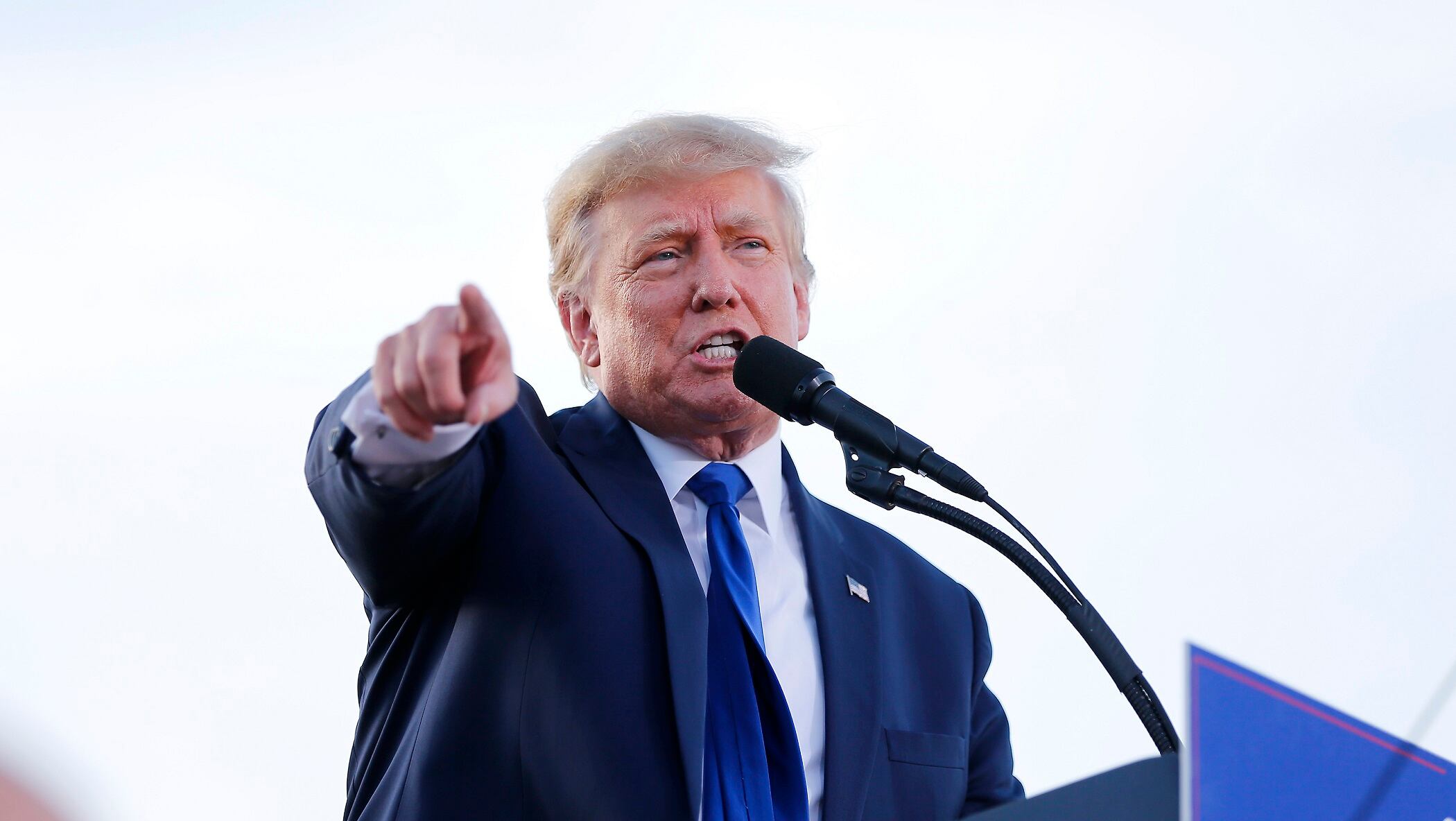
A New York judge has found former President Donald Trump in contempt of court for failing to adequately respond to a subpoena issued by the state’s attorney general as part of a civil investigation into his business dealings.