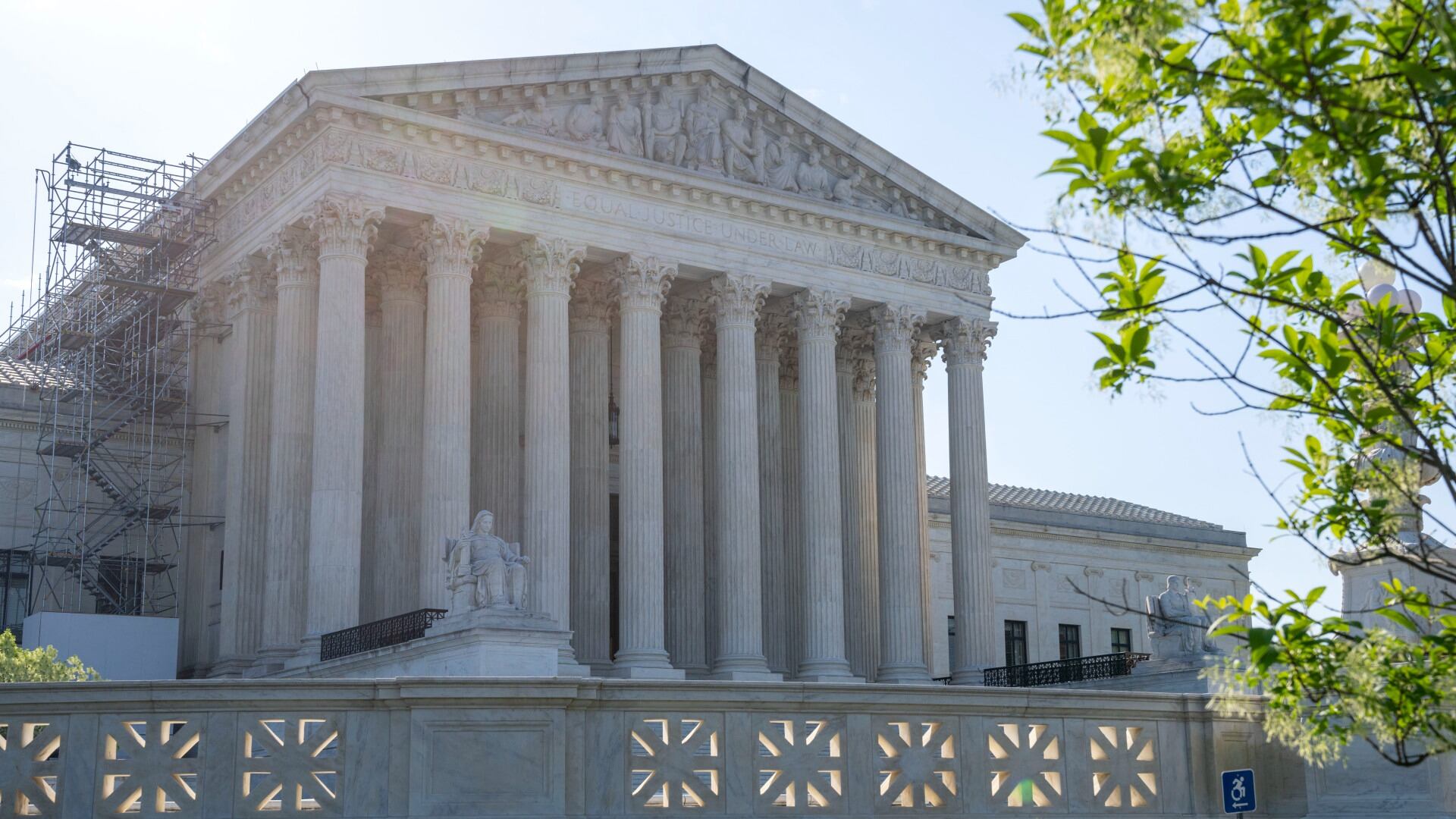
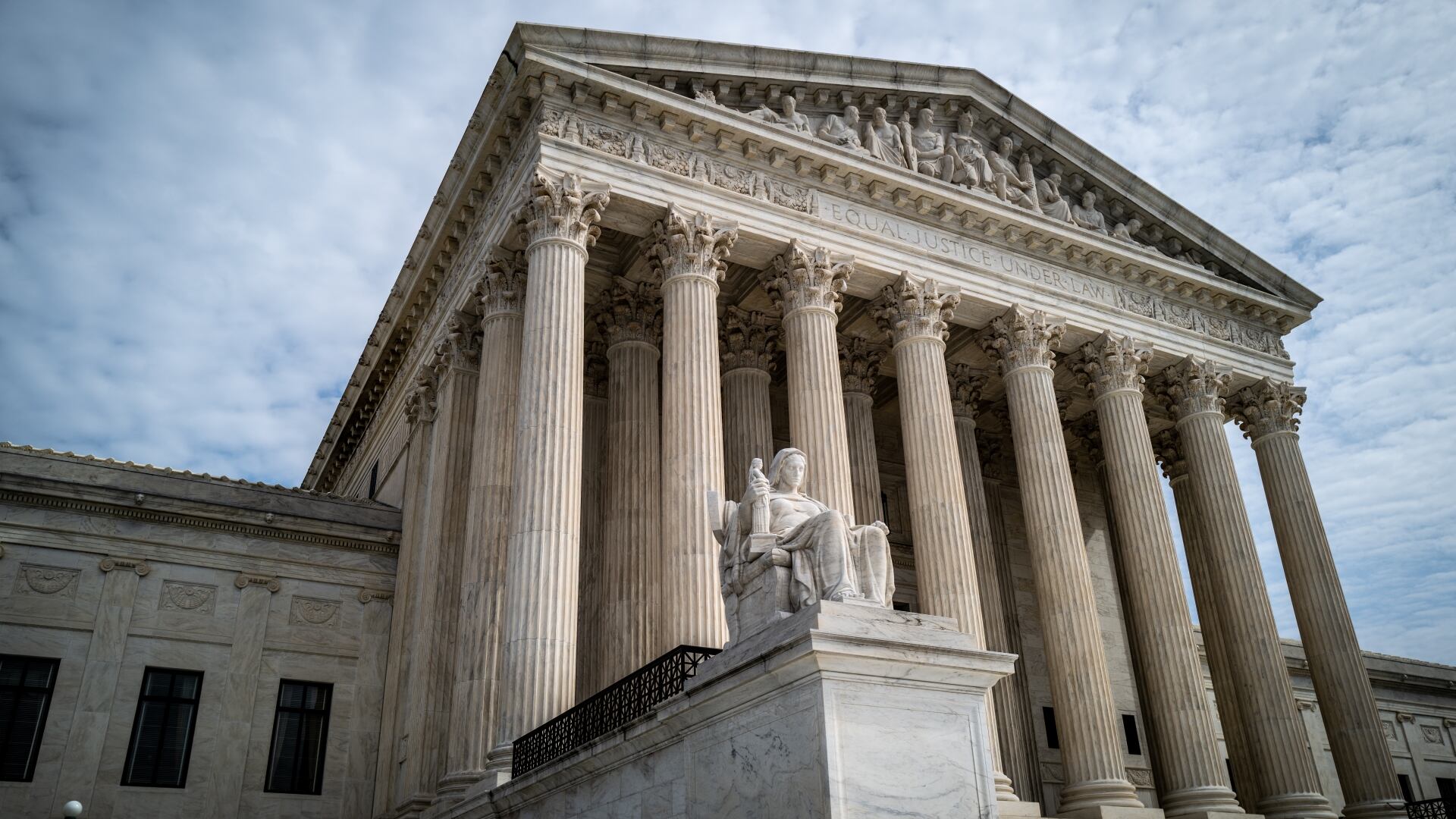
The Supreme Court is seen, Friday, April 21, 2023, ahead of an abortion pill decision in Washington. (AP Photo/Jacquelyn Martin)
By Jessica Gresko
The Supreme Court said Monday it won't review North Carolina's decision to stop issuing specialty license plates with the Confederate flag.
As is typical, the court did not comment in declining to hear the case, which challenged the state's decision. The dispute was one of many the court said Monday it would not hear. It was similar to a case originating in Texas that the court heard in 2015, when it ruled the license plates are state property.
The current dispute stems from North Carolina's 2021 decision to stop issuing specialty license plates bearing the insignia of the North Carolina chapter of the Sons of Confederate Veterans. The chapter sued, claiming that the state's decision violated state and federal law. A lower court dismissed the case, and a federal appeals court agreed with that decision.
North Carolina offers three standard license plates and more than 200 specialty plates. Civic clubs including the Sons of Confederate Veterans can create specialty plates by meeting specific requirements.
In 2021, however, the state Department of Transportation sent the group a letter saying it would "no longer issue or renew specialty license plates bearing the Confederate battle flag or any variation of that flag" because the plates "have the potential to offend those who view them."
The state said it would consider alternate artwork for the plates' design if it does not contain the Confederate flag.
The organization unsuccessfully argued that the state's decision violated its free speech rights under the Constitution's First Amendment and state law governing specialty license plates.
In 2015, the Sons of Confederate Veterans’ Texas chapter claimed Texas was wrong not to issue a specialty license plate with the group's insignia. But the Supreme Court ruled 5-4 that Texas could limit the content of license plates because they are state property.
The Supreme Court will be hearing arguments in Dobbs v. Jackson Women's Health on Wednesday over a Mississippi law banning abortions after 15 weeks. Jimmy Hoover, the Supreme Court editor-at-large for Law360, joined Cheddar to break down the momentous legal fight. "This is the biggest abortion case at the Supreme Court in 30 years," he said. "It is a … a direct challenge to Roe v. Wade."
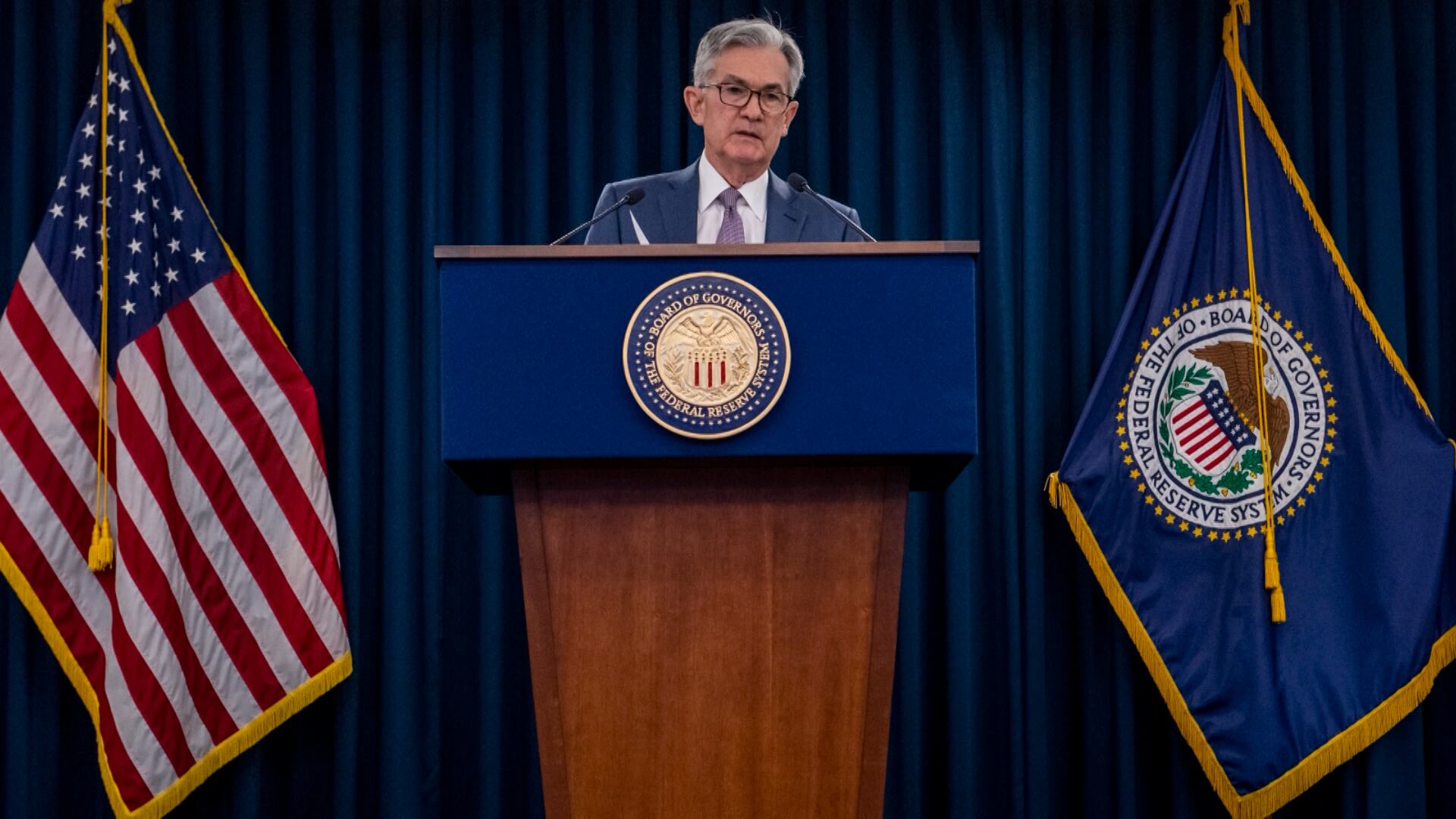
Matt Peron, Director of Research at Janus Henderson Investors, joins Cheddar News' Closing Bell, where he breaks down the factors leading to today's market slide and says there's more to it than Fed Chair Jerome Powell's comments about speeding up tapering efforts.
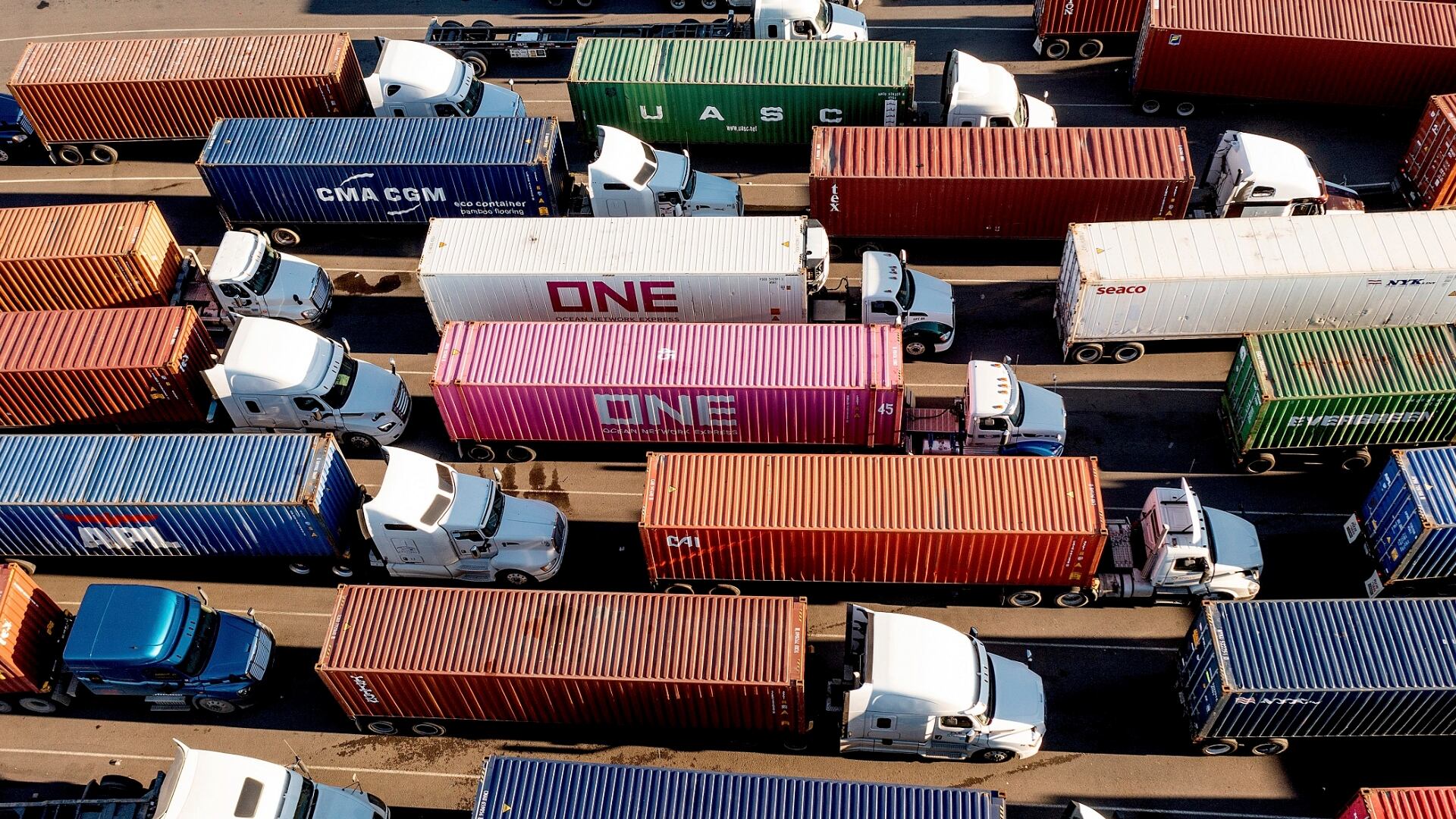
Walmart CEO Dough McMillon praised the Biden administration's efforts to ease supply chain constraints after the company saw a 26 percent jump in shipments over the last month. President Joe Biden had announced back in October that California ports would operate on a 24/7 basis.
Jill and Carlo cover the latest developments with the Omicron variant that are spooking markets once again. Twitter's @Jack is leaving, SCOTUS takes up abortion rights and the world has a brand new republic.
The Biden Administration is set to buy 10 million courses of Pfizer's Covid pill if it gains emergency use authorization from the FDA. With this purchase, the U.S. will receive more than 13 million courses of antiviral pills aimed at treating Covid and reducing severe illness and death. Pfizer's pill has been shown to reduce risk of hospitalization and death by 89 percent, proving it could be a key tool in the fight against the pandemic. Dr. Soumi Eachempati, Co-Founder, CEO & CMO of Cleared4, joined Cheddar News to discuss.
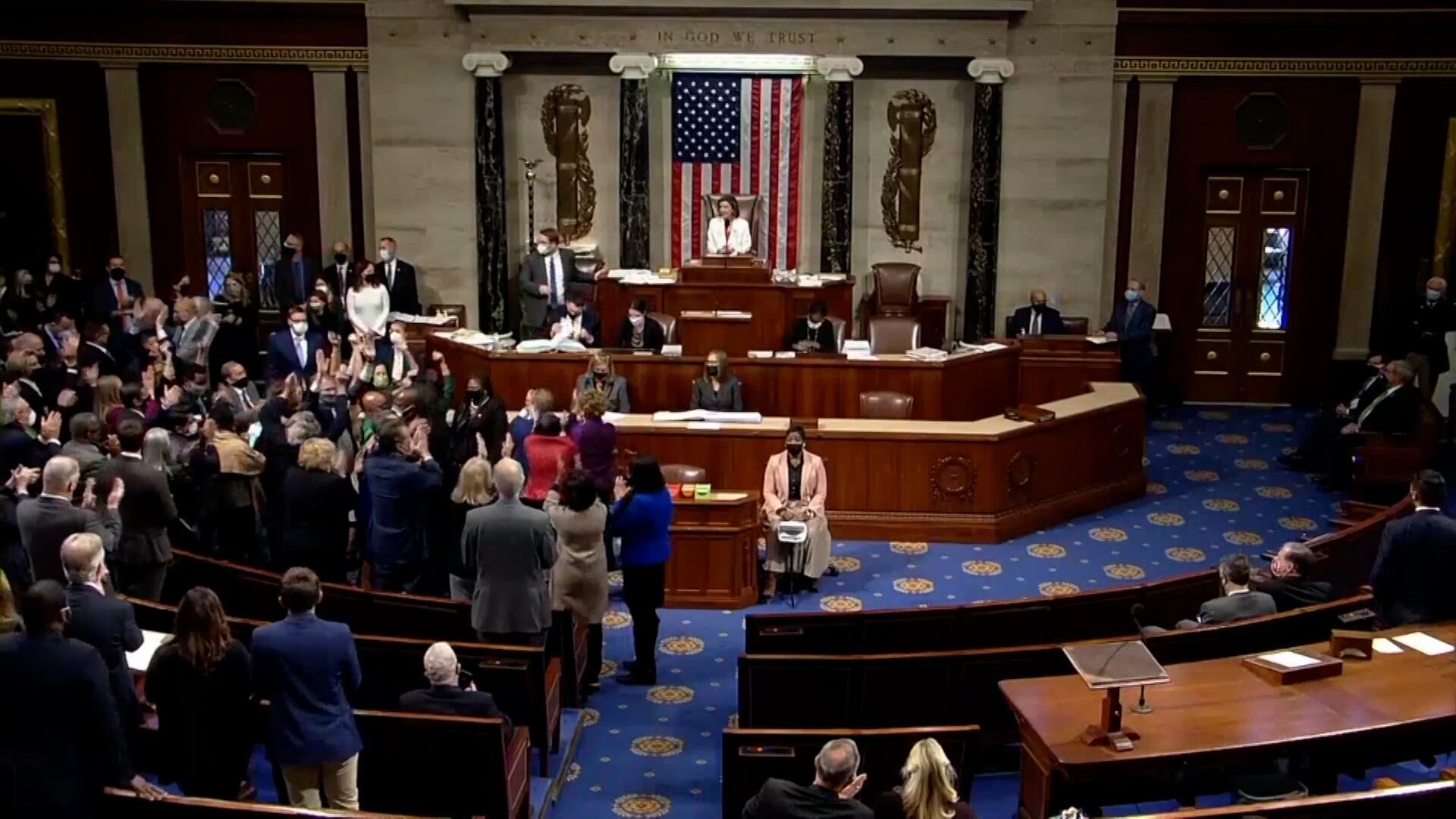
The Build Back Better Act has been at the center of endless negotiations and debate, ultimately landing as a nearly $1.8 trillion plan. One of the highlights is $170 billion dollars for affordable housing, making history as the largest investment in the sector to date. Eliza Collins, politics reporter for The Wall Street Journal, joins Cheddar News to break down the bill.
The Biden Administration is releasing 50 million barrels of oil from the U.S. oil reserves in hopes of easing soaring gas prices. Vijay Vaitheeswaran, Global Energy and Climate Innovation Editor at the Economist, joined Cheddar to discuss.