By Mark Sherman

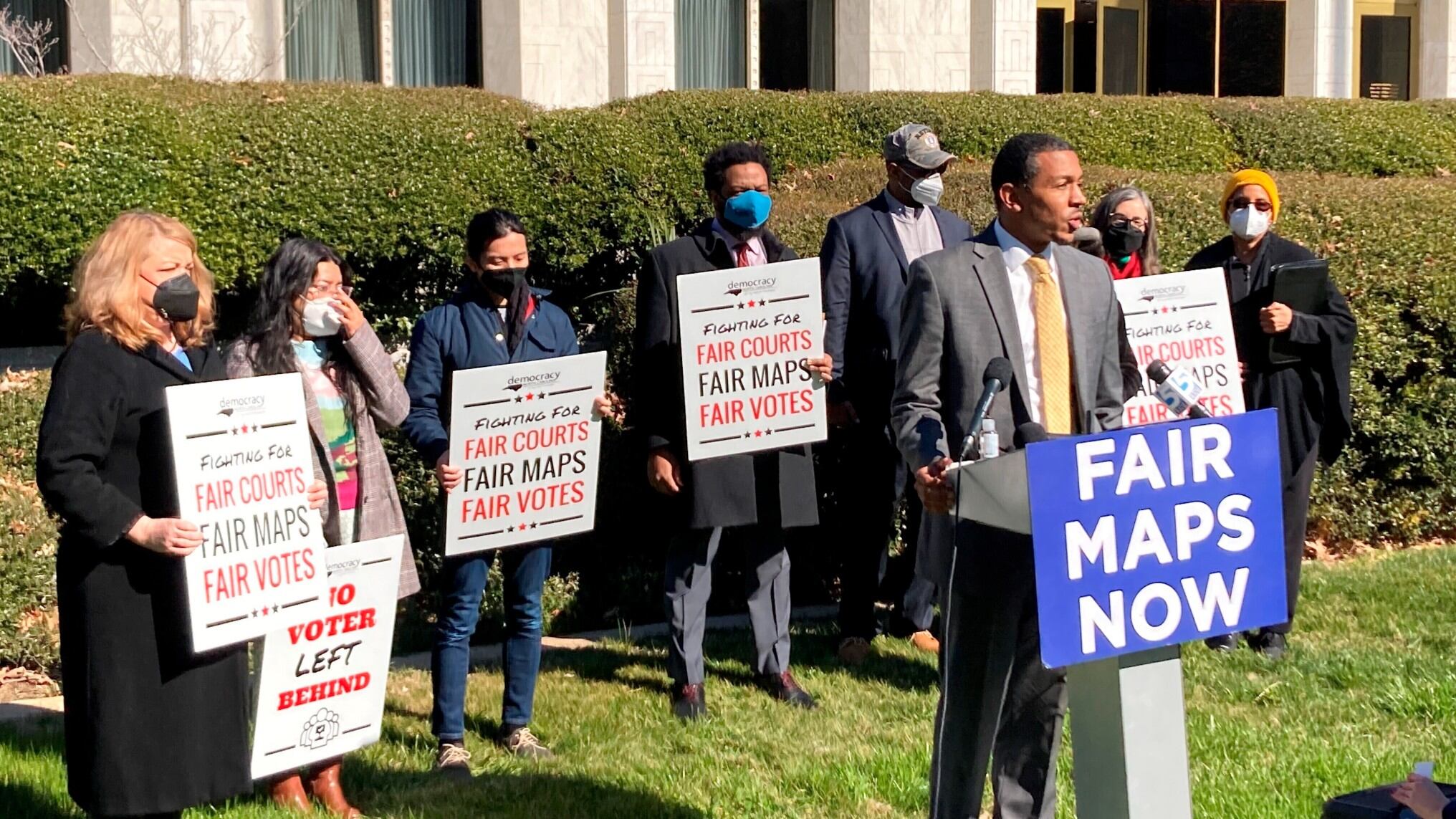
The Supreme Court ruled Tuesday that state courts can act as a check on their legislatures in redistricting and other issues affecting federal elections, rejecting arguments by North Carolina Republicans that could have transformed contests for Congress and president.

The justices by a 6-3 vote upheld a decision by North Carolina’s top court that struck down a congressional districting plan as excessively partisan under state law.

The high court did, though, suggest there could be limits on state court efforts to police elections for Congress and president.

Chief Justice John Roberts wrote for the court that “state courts retain the authority to apply state constitutional restraints when legislatures act under the power conferred upon them by the Elections Clause. But federal courts must not abandon their own duty to exercise judicial review.”

The practical effect of the decision is minimal in that the North Carolina Supreme Court, under a new Republican majority, already has undone its redistricting ruling.

Justices Samuel Alito, Clarence Thomas and Neil Gorsuch would have dismissed the case because of the intervening North Carolina court action.

Another redistricting case from Ohio is pending, if the justices want to say more about the issue before next year’s elections.

Former President Barack Obama applauded the outcome. “This ruling is a resounding rejection of the far-right theory that has been peddled by election deniers and extremists seeking to undermine our democracy. And it makes clear that courts can continue defending voters’ rights — in North Carolina and in every state,” Obama said in a statement.

Derek Muller, a University of Iowa law professor and elections expert, said Tuesday's decision leaves some room to challenge state court rulings on federal election issues, “but these are likely to be rare cases”

"The vast majority of state court decisions that could affect federal elections will likely continue without any change,” Muller said.

The North Carolina case attracted outsized attention because four conservative justices had suggested that the Supreme Court should rein in state courts in their oversight of elections for president and Congress.

Opponents of the idea, known as the independent legislature theory, had argued that the effects of a robust ruling for North Carolina Republicans could be much broader than just redistricting and could exacerbate political polarization.

Potentially at stake were more than 170 state constitutional provisions, over 650 state laws delegating authority to make election policies to state and local officials, and thousands of regulations down to the location of polling places, according to the Brennan Center for Justice at the New York University School of Law.

The justices heard arguments in December in an appeal by the state’s Republican leaders in the legislature. Their efforts to draw congressional districts heavily in their favor were blocked by a Democratic majority on the state Supreme Court because the GOP map violated the state Constitution.

court-drawn map produced seven seats for each party in last year’s midterm elections in highly competitive North Carolina.

The question for the justices was whether the U.S. Constitution’s provision giving state legislatures the power to make the rules about the “times, places and manner” of congressional elections cuts state courts out of the process.

Former federal judge Michael Luttig, a prominent conservative who has joined the legal team defending the North Carolina court decision, said in the fall that the outcome could have transformative effects on American elections. “This is the single most important case on American democracy — and for American democracy — in the nation’s history,” Luttig said.

Leading Republican lawmakers in North Carolina told the Supreme Court that the Constitution’s “carefully drawn lines place the regulation of federal elections in the hands of state legislatures, Congress and no one else.”

During nearly three hours of arguments, the justices seemed skeptical of making a broad ruling in the case. Liberal and conservative justices seemed to take issue with the main thrust of a challenge asking them to essentially eliminate the power of state courts to strike down legislature-drawn, gerrymandered congressional district maps on grounds that they violate state constitutions.

In North Carolina, a new round of redistricting is expected to go forward and produce a map with more Republican districts.

The state's Democratic governor, Roy Cooper, praised Tuesday's decision, but also implicitly acknowledged that it does nothing to inhibit Republicans who control the legislature from drawing a congressional map that is more favorable to them.

Cooper, who by state law can't block redistricting plans approved by lawmakers, said that "Republican legislators in North Carolina and across the country remain a very real threat to democracy as they continue to pass laws to manipulate elections for partisan gain by interfering with the freedom to vote.”


Share:
More In Politics
Senate Committee Votes to Advance Big Tech Antitrust Bill
Members of Congress have voted to advance a bill meant to address antitrust concerns related to tech giants including Amazon, Apple, Google, and Meta. The 'American Innovation and Choice Online Act' is largely seen as one of the best chances for the government to reign in Big Tech's dominance Seth Schachner, Managing Director StratAmericas; Digital Business Executive joined Cheddar's Opening Bell to discuss.
Biden Touts Intel's Chip Factory Plans Amid Shortages
American semiconductor company, Intel officially announcing plans to build a new $20 billion chip manufacturing complex outside Columbus, Ohio. This comes as the global chip shortage continues to hamper production of everything from smart phones, to cars. Jennifer Smith - Logistics and Supply Chain Reporter, WSJ joined Cheddar's Opening Bell to discuss.
U.S. Puts Troops On High Alert As Russia Increases Presence Near Ukraine Border
The U.S. has put more than 8,000 American troops on high alert for possible deployment to Eastern Europe as the West prepares for a potential Russian invasion of Ukraine. With Russia building up more than 100,000 troops near the Ukrainian border, concerns over the country's behavior are mounting. Joel Rubin, Former Deputy Assistant Secretary of State and President of the Washington Strategy Group, joined Cheddar to discuss what this means for U.S.-Russia relations, and where the conflict might be heading next.
As Midterm Elections Loom, Biden's Approval Rating Continues Decline
As the midterm election looms, things aren't looking too promising for President Joe Biden. One year into his term as president, Biden is facing one of the lowest approval ratings of any modern-day president, threatening his party's control of the House in 2022. Brian Bennett, Senior White House Correspondent for TIME, joined Cheddar's Opening Bell to discuss.
The Biden Administration: One Year Down, Three to Go
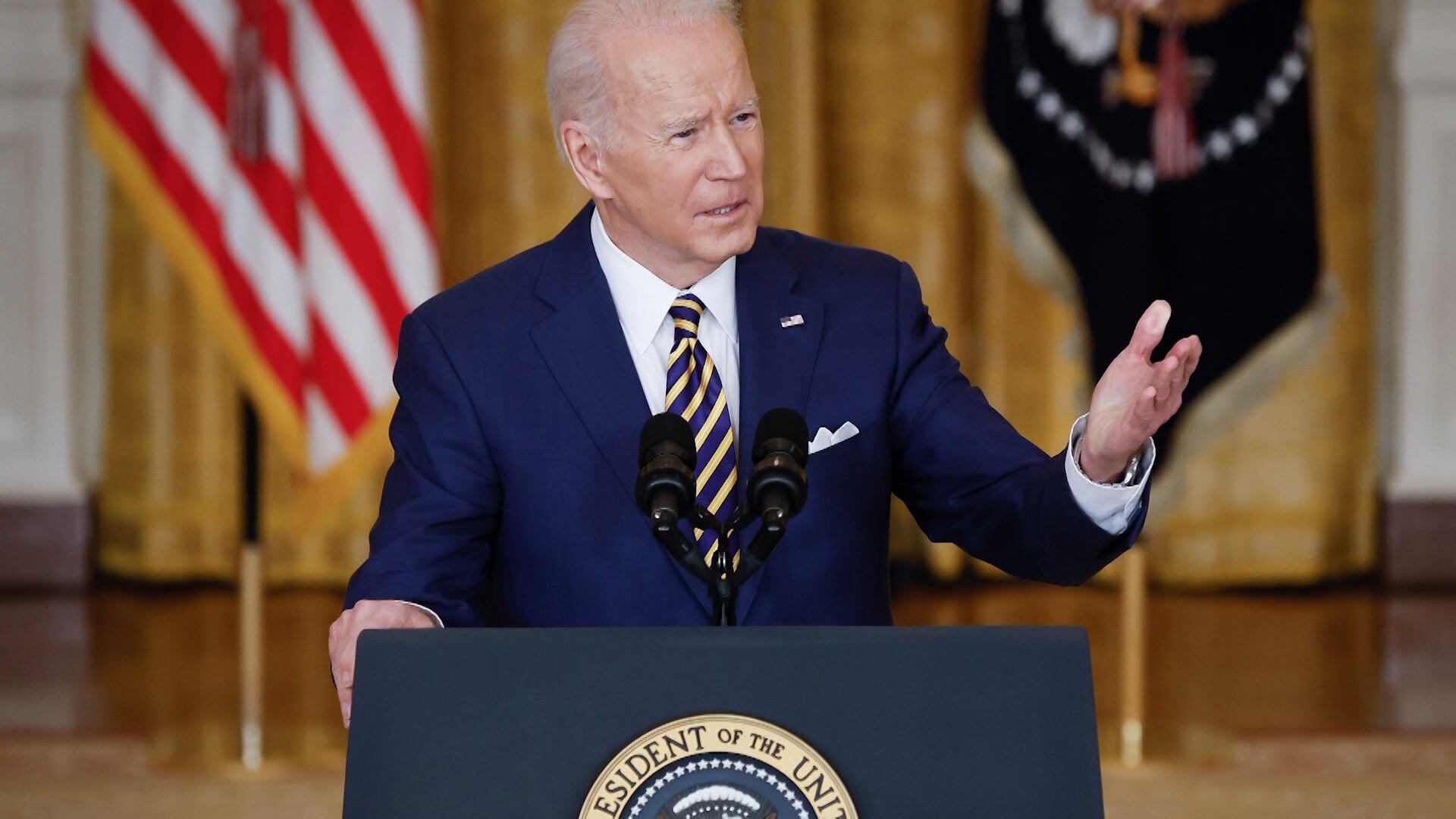
A full one year into his term as President of The United States, President Biden addressed the nation on Wednesday, facing questions on everything from inflation to chip shortages and covid-19. As Biden enters his second year in office, he is facing one of the lowest approval ratings of any modern-day president. Kate Davidson, Reporter, POLITICO joined Cheddar's Opening Bell to discuss.
New Documentary Highlights the Life and Role of Congresswoman Barbara Lee
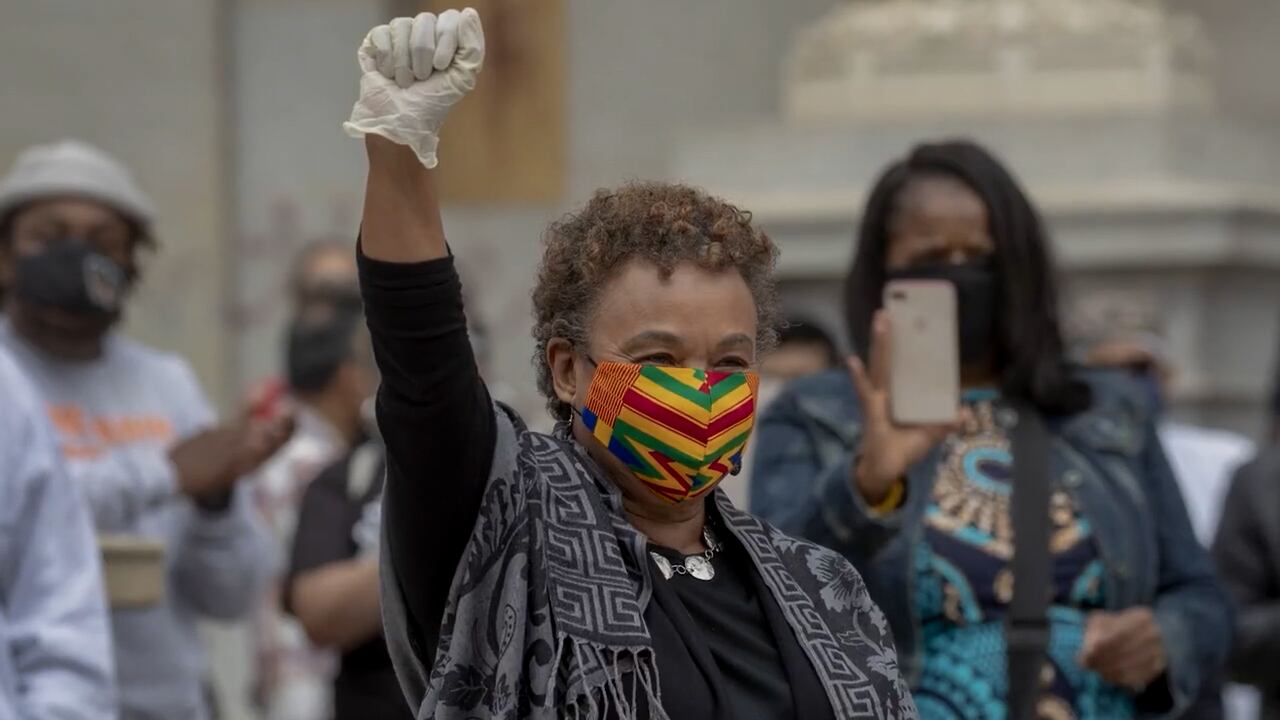
"Barbara Lee: Speaking Truth to Power" is the story of how the longtime House Democrat became, as she Is known to some, as "the Conscience of Congress." The film also shows Representative Lee from her days working to fight community poverty to famously becoming the only member of Congress to vote "no" against the war in Afghanistan days after 9/11. The film is nominated for an NAACP Image Award, and Premieres on Starz on February 1. Film director Abby Ginzberg and Rep. Barbara Lee (D-Calif. 13th District), joined Cheddar to discuss more.
New San Diego Law Funnels Grocery Waste To Food Banks
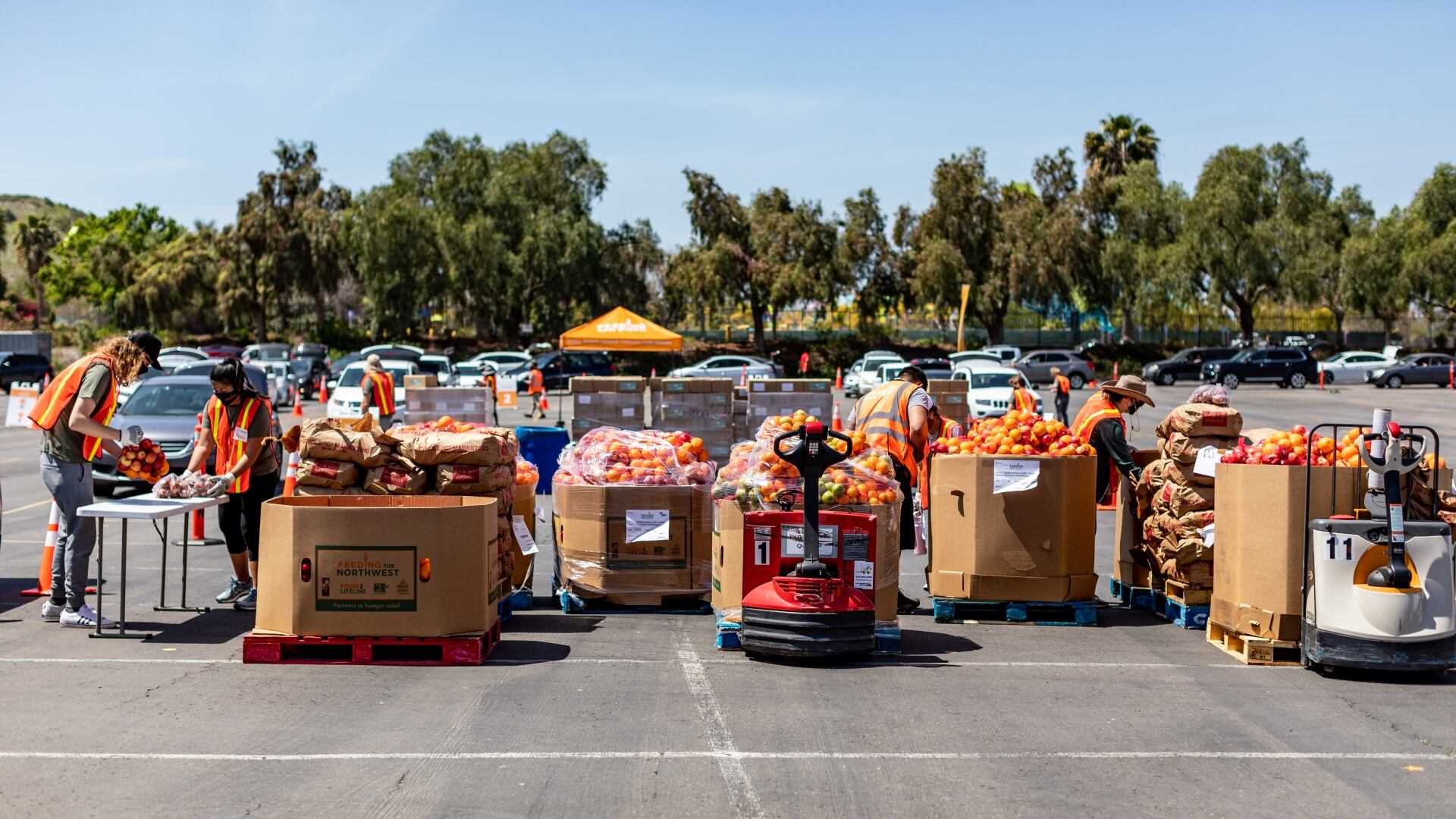
San Diego has just implemented a new law that could set the stage for how the country deals with food waste. This new law hopes to make a dent in that. Businesses and groceries stores out in San Diego will need to put a plan in place to *donate edible food rather than toss it straight to the trash. Food Rescue Manager at Feeding San Diego, Kate Garret
Bronx Twin Parks Apartment Fire Leaves 17 People Dead
Earlier this month, New York City experienced one of the deadliest fires it has seen in decades. 17 people lost their lives in the Fordham section of the Bronx. This was due to a faulty space heater which reportedly began on the lower floor of the 120 unit building. Thanks to the F. D. N. Y. And heroic neighbors, many were able to get out in time. Unfortunately, the toxic smoke surged upwards through a safety door. Now, many advocates say negligence by policymakers and landlords has led to the deaths in black and brown communities from fires that honestly could have been preventable. Legislative Director of Citizen Action of New York, Rebecca Garrard, and the Chair of Journalism and New Media Studies at St. Joseph's College Theodore Hamm, joined Cheddar to discuss more.
SCOTUS Denies Bid To Block Texas Abortion Law
The Supreme Court has declined to order the Texas Abortion case back to the original trial judge for further proceedings. Essentially if Texas abortion providers were able to get their case back to the lower court., It would have greatly helped the group move against the law. However, this decision is likely to prolong the case legal battle. Professor and Author of "The Turnaway Study: Ten Years, a Thousand Women, and the Consequences of Having — Or Being Denied — An Abortion", Diane Foster, joined Cheddar to discuss more.
Supreme Court Denies Bid to Block Texas Abortion Law
The Supreme Court rejected yet another bid by abortion providers to block Texas's law - which bans most abortions after six weeks of pregnancy. This is the fourth time that advocates have tried and failed to block the most restrictive abortion ban in the country. Leah Litman, assistant professor of law at The University of Michigan and co-host of the "Strict Scrutiny" podcast, joins Cheddar News to discuss.
Load More