By Mark Sherman
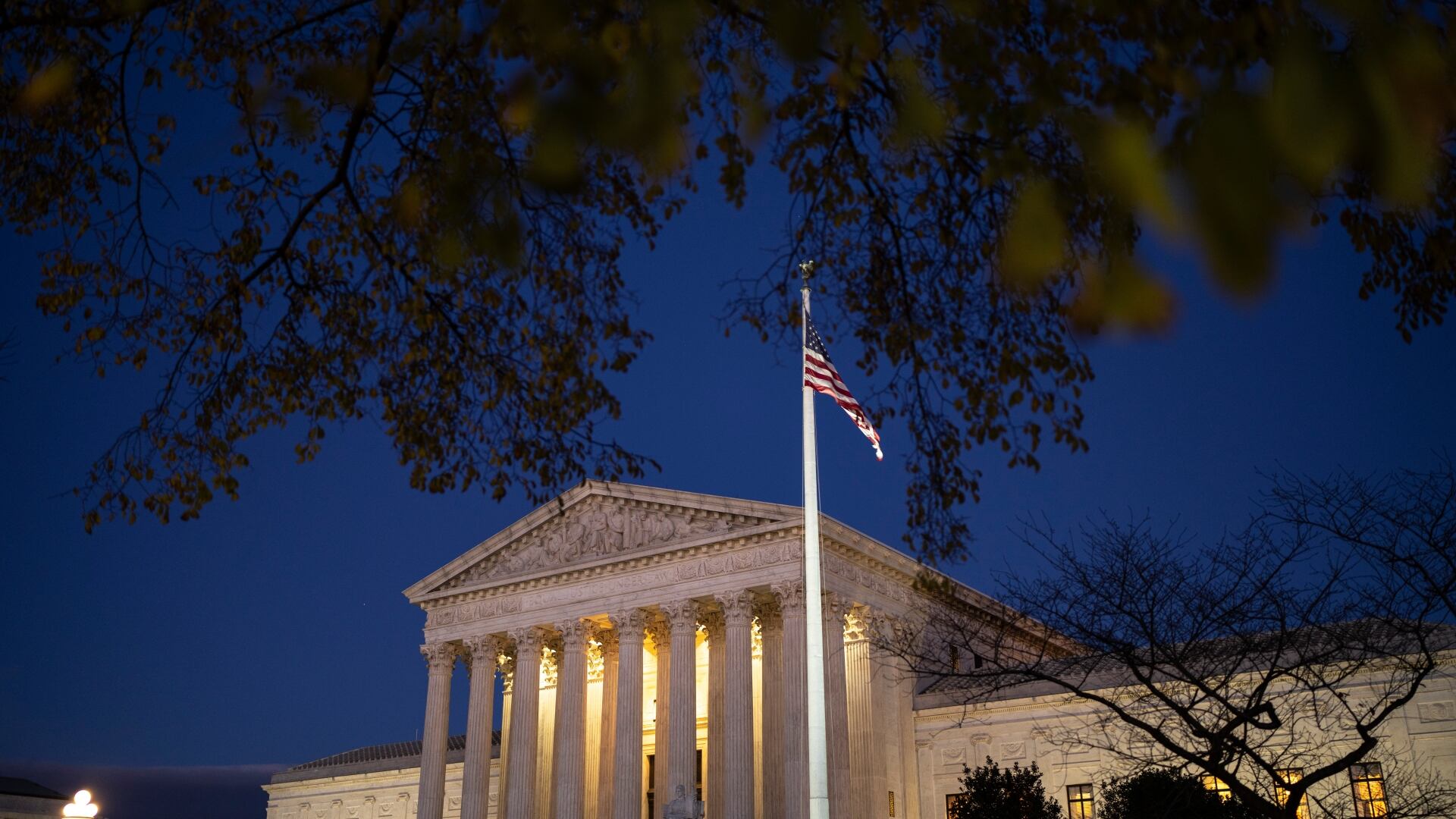
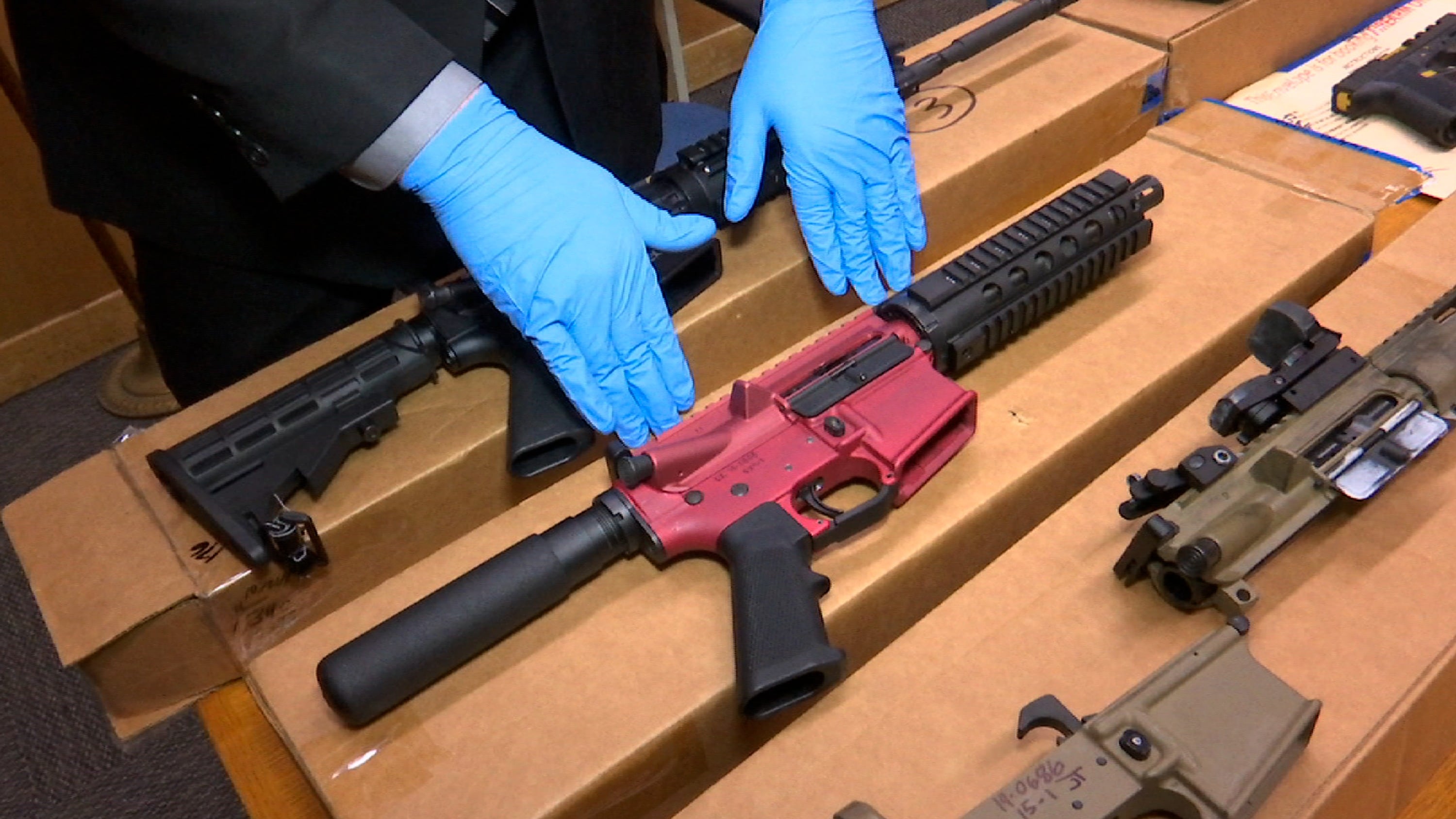
The Supreme Court is reinstating a regulation aimed at reining in the proliferation of ghost guns, firearms without serial numbers that have been turning up at crime scenes across the nation in increasing numbers.
The court on Tuesday voted 5-4 to put on hold a ruling from a federal judge in Texas that invalidated the Biden administration's regulation of ghost gun kits. The regulation will be in effect while the administration appeals the ruling to the 5th U.S. Circuit Court of Appeals in New Orleans — and potentially the Supreme Court.
Chief Justice John Roberts and Justice Amy Coney Barrett joined with the court's three liberal members to form the majority. Justices Samuel Alito, Neil Gorsuch, Brett Kavanaugh and Clarence Thomas would have kept the regulation on hold during the appeals process. Neither side provided an explanation.
The Justice Department had told the court that local law enforcement agencies seized more than 19,000 ghost guns at crime scenes in 2021, a more than tenfold increase in just five years.
"The public-safety interests in reversing the flow of ghost guns to dangerous and otherwise prohibited persons easily outweighs the minor costs that respondents will incur," Solicitor General Elizabeth Prelogar, the administration’s top Supreme Court lawyer, wrote in a court filing.
The new rule was issued last year and changed the definition of a firearm under federal law to include unfinished parts, like the frame of a handgun or the receiver of a long gun, so they can be tracked more easily. Those parts must be licensed and include serial numbers. Manufacturers must also run background checks before a sale — as they do with other commercially made firearms. The requirement applies regardless of how the firearm was made, meaning it includes ghost guns made from individual parts or kits or by 3D printers.
The rule does not prohibit people from purchasing a kit or any type of firearm.
U.S. District Judge Reed O'Connor, in Fort Worth, Texas, struck down the rule in late June, concluding that it exceeded the Bureau of Alcohol, Tobacco, Firearms and Explosives' authority. O'Connor wrote that the definition of a firearm in federal law does not cover all the parts of a gun. Congress could change the law, he wrote.
Lawyers for individuals, businesses and advocacy groups challenging the rule told the Supreme Court that O'Connor was right and that the ATF had departed from more than 50 years of regulatory practice in expanding the definition of a firearm.
“We’re deeply disappointed that the Court pressed pause on our defeat of ATF’s rule effectively redefining ‘firearm’ and ‘frame or receiver’ under federal law," Cody J. Wisniewski, general counsel of the Firearms Policy Coalition Action Foundation, said in a statement. “Regardless of today’s decision, we’re still confident that we will yet again defeat ATF and its unlawful rule at the Fifth Circuit when that Court has the opportunity to review the full merits of our case.”
The Giffords Law Center to Prevent Gun Violence, which has long supported regulation of ghost guns, praised the Supreme Court's action. “The challenged rule simply requires that ghost gun kits are regulated like the guns that they are. It will save lives,” David Pucino, the group's deputy chief counsel, said in a statement.