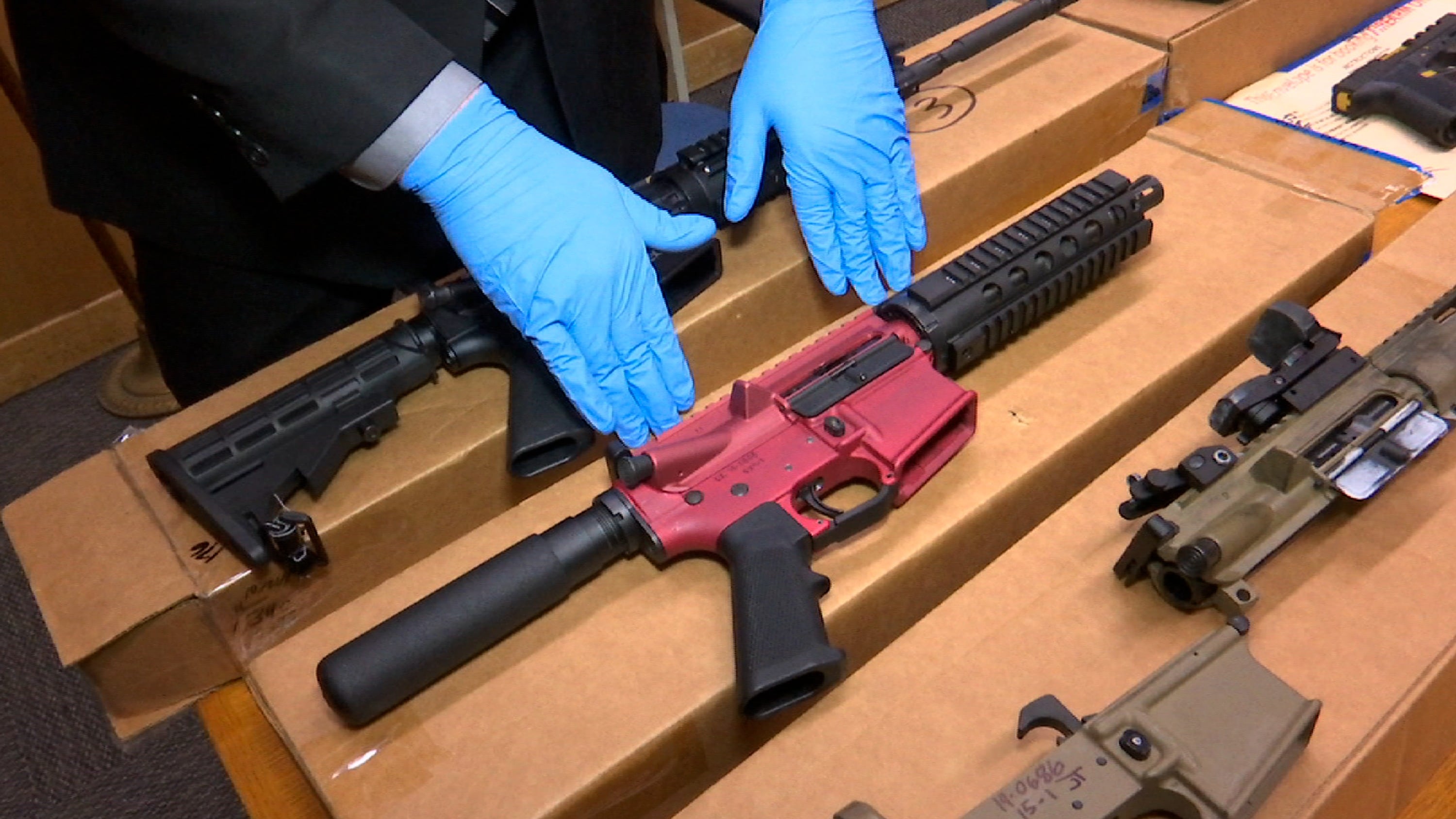
Ghost guns" are displayed at the headquarters of the San Francisco Police Department in San Francisco, Nov. 27, 2019. (AP Photo/Haven Daley, File)
By Mark Sherman
The Supreme Court is reinstating a regulation aimed at reining in the proliferation of ghost guns, firearms without serial numbers that have been turning up at crime scenes across the nation in increasing numbers.
The court on Tuesday voted 5-4 to put on hold a ruling from a federal judge in Texas that invalidated the Biden administration's regulation of ghost gun kits. The regulation will be in effect while the administration appeals the ruling to the 5th U.S. Circuit Court of Appeals in New Orleans — and potentially the Supreme Court.
Chief Justice John Roberts and Justice Amy Coney Barrett joined with the court's three liberal members to form the majority. Justices Samuel Alito, Neil Gorsuch, Brett Kavanaugh and Clarence Thomas would have kept the regulation on hold during the appeals process. Neither side provided an explanation.
The Justice Department had told the court that local law enforcement agencies seized more than 19,000 ghost guns at crime scenes in 2021, a more than tenfold increase in just five years.
"The public-safety interests in reversing the flow of ghost guns to dangerous and otherwise prohibited persons easily outweighs the minor costs that respondents will incur," Solicitor General Elizabeth Prelogar, the administration’s top Supreme Court lawyer, wrote in a court filing.
The new rule was issued last year and changed the definition of a firearm under federal law to include unfinished parts, like the frame of a handgun or the receiver of a long gun, so they can be tracked more easily. Those parts must be licensed and include serial numbers. Manufacturers must also run background checks before a sale — as they do with other commercially made firearms. The requirement applies regardless of how the firearm was made, meaning it includes ghost guns made from individual parts or kits or by 3D printers.
The rule does not prohibit people from purchasing a kit or any type of firearm.
U.S. District Judge Reed O'Connor, in Fort Worth, Texas, struck down the rule in late June, concluding that it exceeded the Bureau of Alcohol, Tobacco, Firearms and Explosives' authority. O'Connor wrote that the definition of a firearm in federal law does not cover all the parts of a gun. Congress could change the law, he wrote.
Lawyers for individuals, businesses and advocacy groups challenging the rule told the Supreme Court that O'Connor was right and that the ATF had departed from more than 50 years of regulatory practice in expanding the definition of a firearm.
“We’re deeply disappointed that the Court pressed pause on our defeat of ATF’s rule effectively redefining ‘firearm’ and ‘frame or receiver’ under federal law," Cody J. Wisniewski, general counsel of the Firearms Policy Coalition Action Foundation, said in a statement. “Regardless of today’s decision, we’re still confident that we will yet again defeat ATF and its unlawful rule at the Fifth Circuit when that Court has the opportunity to review the full merits of our case.”
The Giffords Law Center to Prevent Gun Violence, which has long supported regulation of ghost guns, praised the Supreme Court's action. “The challenged rule simply requires that ghost gun kits are regulated like the guns that they are. It will save lives,” David Pucino, the group's deputy chief counsel, said in a statement.
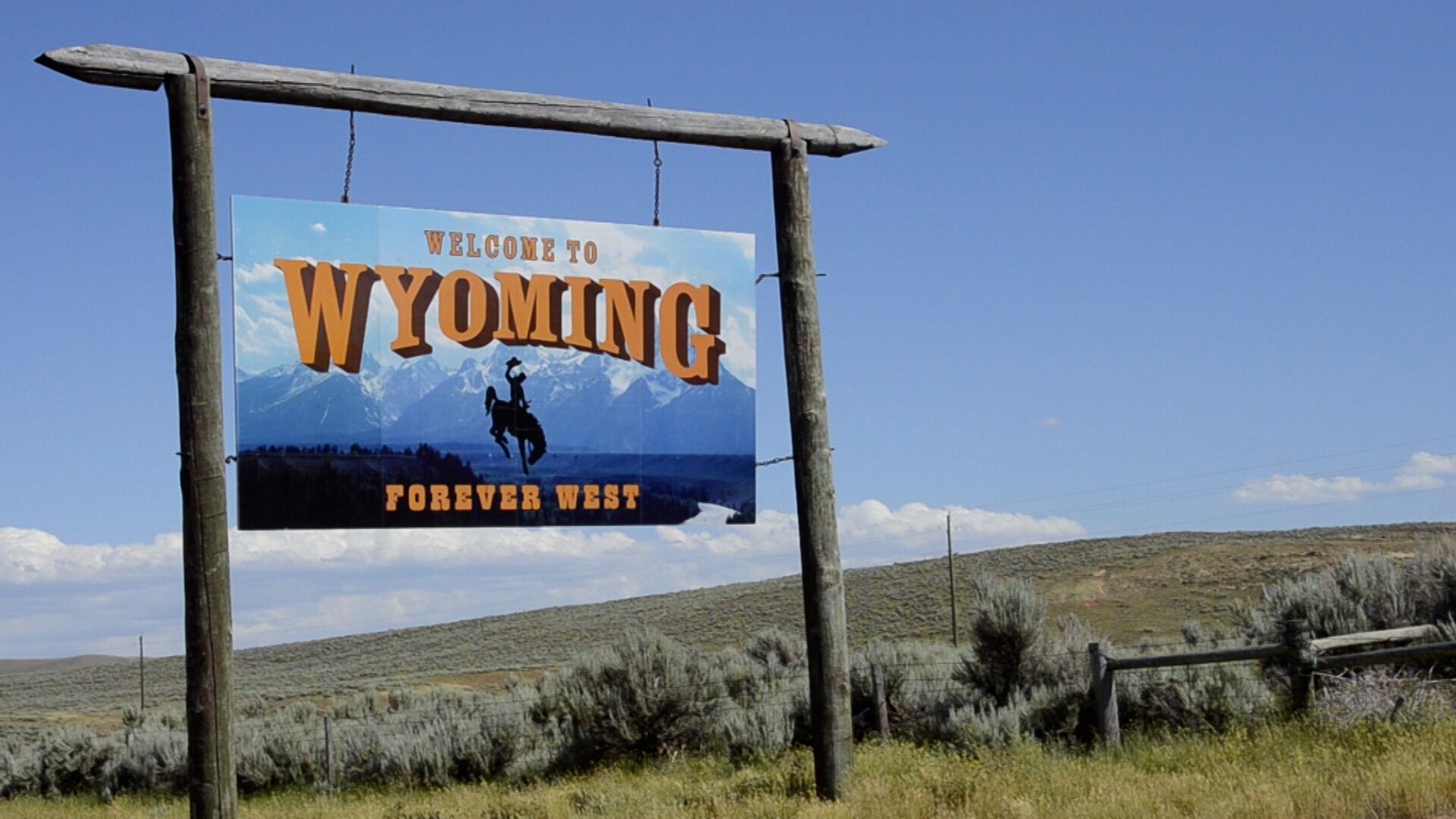
The Cowboy State has become one of the world's top tax havens, according to the Pandora Papers, a trove of more than 11.9 million documents obtained by the International Consortium of Investigative Journalists and The Washington Post. The papers reveal, among other things, how ultra-wealthy people from around the world move money into the U.S., invest, and spend it under a shroud of secrecy. Allison Tait, University of Richmond law professor, joined Cheddar to talk about Wyoming's laidback tax laws, their impact on the nation's economy, and provided some details on the financial arrangement known as the "cowboy cocktail."
Carlo and Baker preview President Biden's address to the nation as Omicron becomes the new dominant Covid strain. Plus, Trump gets booed for getting his booster and the White House gets a new puppy.
China and Russia are saying they want to work closer together in different areas after a recent call between Presidents Xi Jinping and Vladimir Putin. What are the implications of a close partnership between Beijing and Moscow? Cheddar News breaks things down with expert Hagar Chemali.
Michele Schneider, Partner and Director of Trading Research & Education for MarketGauge.com, joins Cheddar News' Closing Bell, where she says the spread of the Omicron variant and Jerome Powell's comments following the latest Fed decision are spooking investors heading into the weekend.
Carlo and Baker wrap up another week discussing the latest explosion in new Covid cases in the Northeast, President Biden's stalled agenda and more. Plus, Love, Hate, Ate featuring the question: why did movie dialogue get so hard to understand?
Since July 2021, families with children have received monthly payments from the federal government as part of the expanded child tax credit, a policy that may be expiring this month. Megan Curran, policy director at the Center on Poverty and Social Policy at Columbia University, joined Cheddar News to discuss.
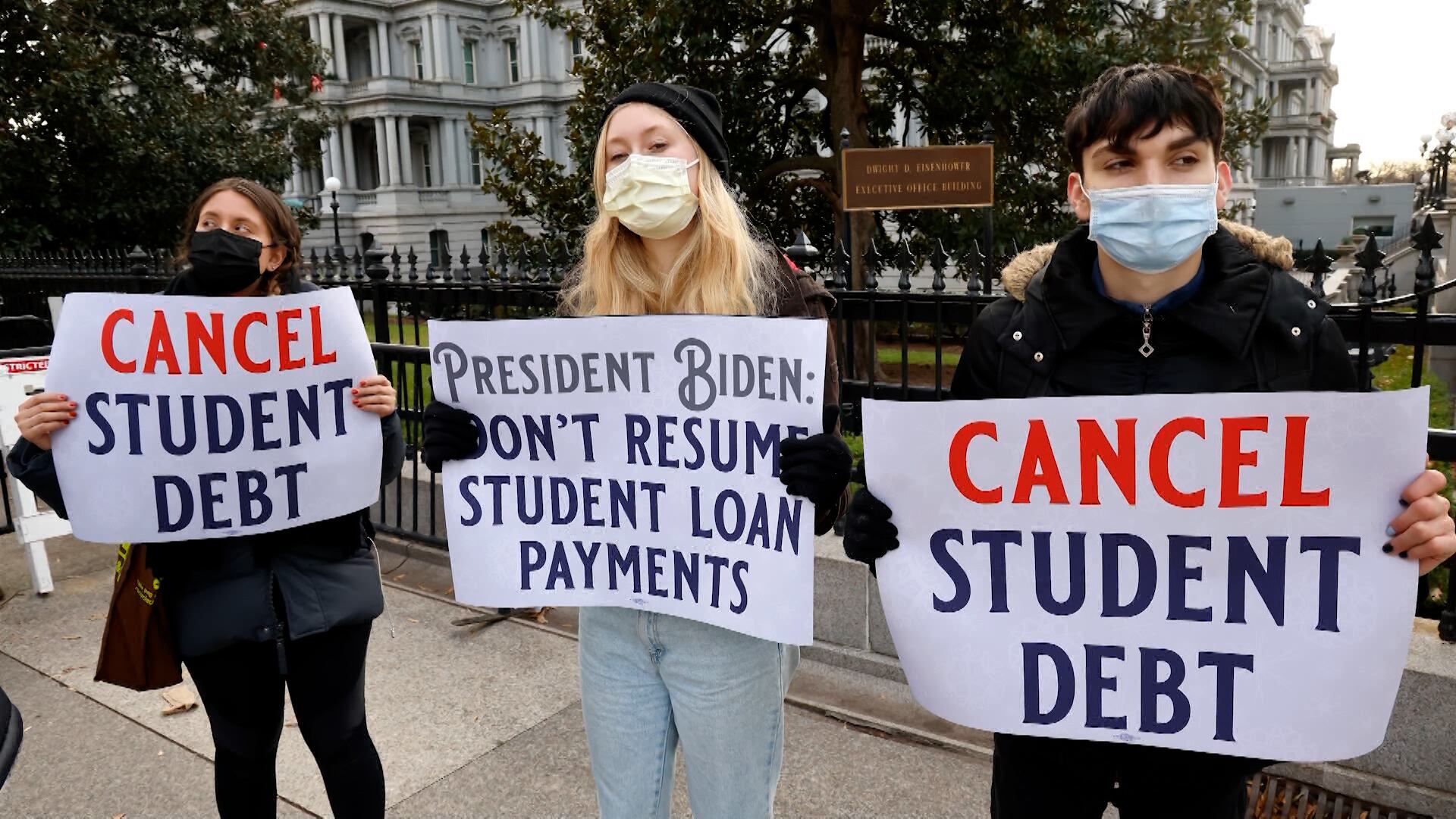
During the pandemic, student loan debt repayment was put on pause amid an unprecedented crisis. However, on February 1, 2022, the schedule is set to resume, and currently it looks as though the Biden administration has no plans to extend it. Cody Hounanian, the executive director of the Student Debt Crisis Center, spoke to Cheddar about why he believes the loan collection pause needs to at least be extended as borrowers are still struggling with the resurgent pandemic and inflation. "There's really no good economic or policy or political reason as far as why they're focused on getting payments started now," Hounanian said. "We surveyed 33,000 people with student loans last month. Nine out of 10 told us that they are not ready to resume payments."
As the 2022 midterm elections fast approach, here are some politicians Americans should be on the lookout for. Democratic Massachusetts state senator Sonia Chang-Diaz, who was the first Latina and Asian American woman to be elected to the state's senate, now has her eye on the governorship with Republican Charlie Baker leaving. New Jersey GOP candidate for Congress, Billy Prempeh also bears watching, and while Boston's newest mayor, Democrat Michelle Wu, was already sworn in last month, all eyes will be on Beantown as the first woman and first person of color to hold the office tries to usher in a new era for the city.