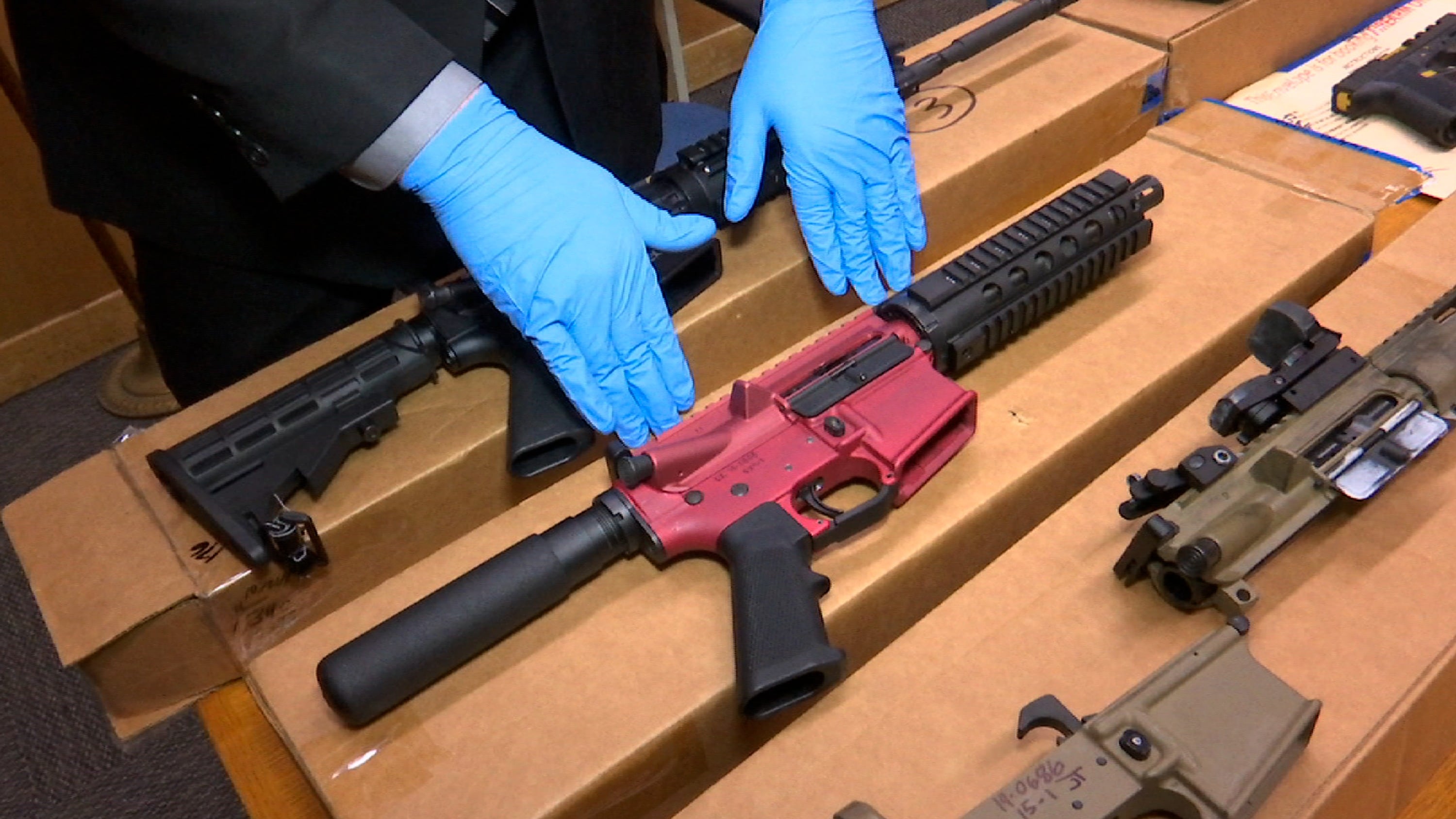
Ghost guns" are displayed at the headquarters of the San Francisco Police Department in San Francisco, Nov. 27, 2019. (AP Photo/Haven Daley, File)
By Mark Sherman
The Supreme Court is reinstating a regulation aimed at reining in the proliferation of ghost guns, firearms without serial numbers that have been turning up at crime scenes across the nation in increasing numbers.
The court on Tuesday voted 5-4 to put on hold a ruling from a federal judge in Texas that invalidated the Biden administration's regulation of ghost gun kits. The regulation will be in effect while the administration appeals the ruling to the 5th U.S. Circuit Court of Appeals in New Orleans — and potentially the Supreme Court.
Chief Justice John Roberts and Justice Amy Coney Barrett joined with the court's three liberal members to form the majority. Justices Samuel Alito, Neil Gorsuch, Brett Kavanaugh and Clarence Thomas would have kept the regulation on hold during the appeals process. Neither side provided an explanation.
The Justice Department had told the court that local law enforcement agencies seized more than 19,000 ghost guns at crime scenes in 2021, a more than tenfold increase in just five years.
"The public-safety interests in reversing the flow of ghost guns to dangerous and otherwise prohibited persons easily outweighs the minor costs that respondents will incur," Solicitor General Elizabeth Prelogar, the administration’s top Supreme Court lawyer, wrote in a court filing.
The new rule was issued last year and changed the definition of a firearm under federal law to include unfinished parts, like the frame of a handgun or the receiver of a long gun, so they can be tracked more easily. Those parts must be licensed and include serial numbers. Manufacturers must also run background checks before a sale — as they do with other commercially made firearms. The requirement applies regardless of how the firearm was made, meaning it includes ghost guns made from individual parts or kits or by 3D printers.
The rule does not prohibit people from purchasing a kit or any type of firearm.
U.S. District Judge Reed O'Connor, in Fort Worth, Texas, struck down the rule in late June, concluding that it exceeded the Bureau of Alcohol, Tobacco, Firearms and Explosives' authority. O'Connor wrote that the definition of a firearm in federal law does not cover all the parts of a gun. Congress could change the law, he wrote.
Lawyers for individuals, businesses and advocacy groups challenging the rule told the Supreme Court that O'Connor was right and that the ATF had departed from more than 50 years of regulatory practice in expanding the definition of a firearm.
“We’re deeply disappointed that the Court pressed pause on our defeat of ATF’s rule effectively redefining ‘firearm’ and ‘frame or receiver’ under federal law," Cody J. Wisniewski, general counsel of the Firearms Policy Coalition Action Foundation, said in a statement. “Regardless of today’s decision, we’re still confident that we will yet again defeat ATF and its unlawful rule at the Fifth Circuit when that Court has the opportunity to review the full merits of our case.”
The Giffords Law Center to Prevent Gun Violence, which has long supported regulation of ghost guns, praised the Supreme Court's action. “The challenged rule simply requires that ghost gun kits are regulated like the guns that they are. It will save lives,” David Pucino, the group's deputy chief counsel, said in a statement.
Members of Congress have voted to advance a bill meant to address antitrust concerns related to tech giants including Amazon, Apple, Google, and Meta. The 'American Innovation and Choice Online Act' is largely seen as one of the best chances for the government to reign in Big Tech's dominance
Seth Schachner, Managing Director StratAmericas; Digital Business Executive joined Cheddar's Opening Bell to discuss.
American semiconductor company, Intel officially announcing plans to build a new $20 billion chip manufacturing complex outside Columbus, Ohio. This comes as the global chip shortage continues to hamper production of everything from smart phones, to cars. Jennifer Smith - Logistics and Supply Chain Reporter, WSJ joined Cheddar's Opening Bell to discuss.
The U.S. has put more than 8,000 American troops on high alert for possible deployment to Eastern Europe as the West prepares for a potential Russian invasion of Ukraine. With Russia building up more than 100,000 troops near the Ukrainian border, concerns over the country's behavior are mounting. Joel Rubin, Former Deputy Assistant Secretary of State and President of the Washington Strategy Group, joined Cheddar to discuss what this means for U.S.-Russia relations, and where the conflict might be heading next.
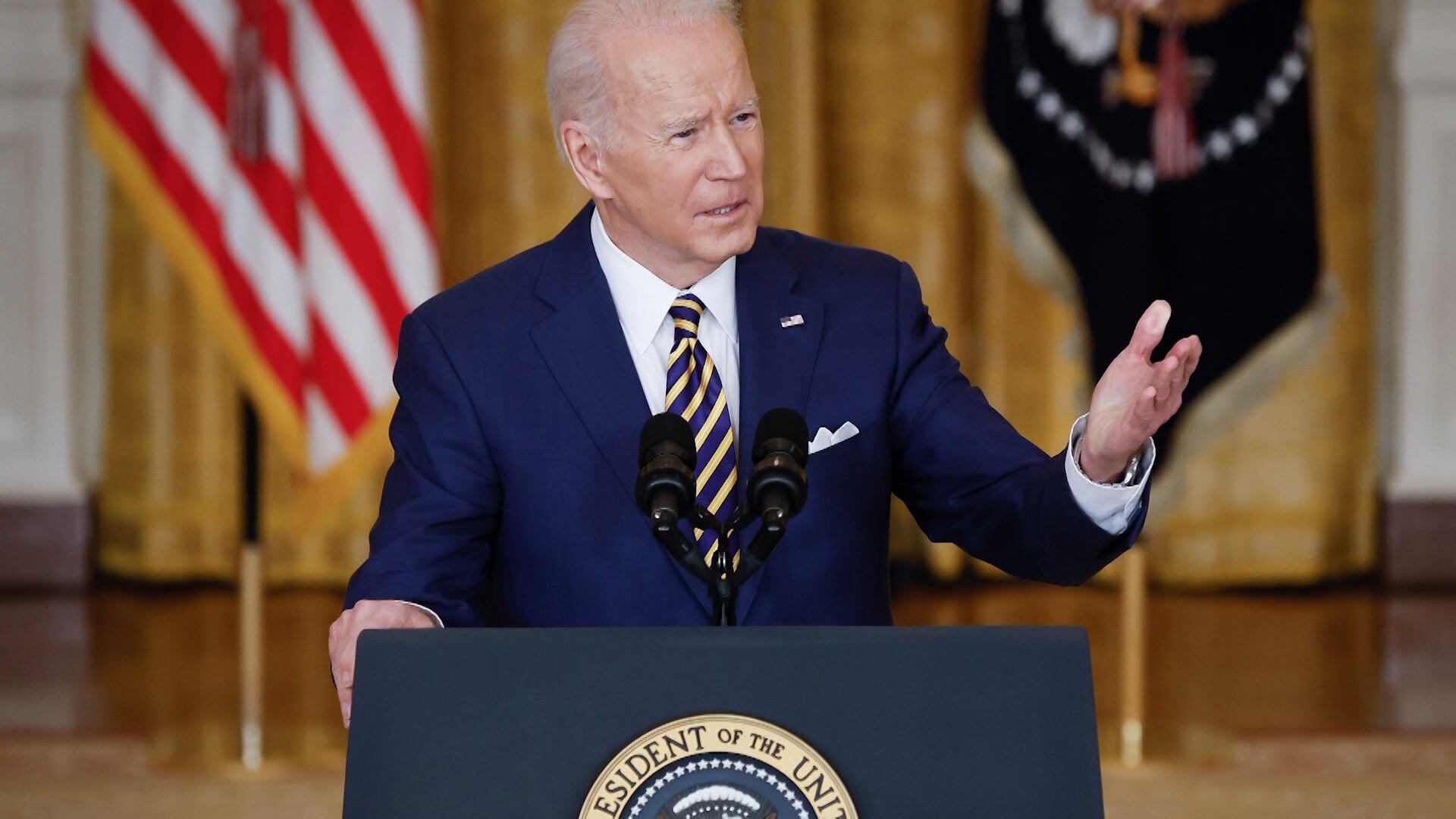
As the midterm election looms, things aren't looking too promising for President Joe Biden. One year into his term as president, Biden is facing one of the lowest approval ratings of any modern-day president, threatening his party's control of the House in 2022. Brian Bennett, Senior White House Correspondent for TIME, joined Cheddar's Opening Bell to discuss.
A full one year into his term as President of The United States, President Biden addressed the nation on Wednesday, facing questions on everything from inflation to chip shortages and covid-19. As Biden enters his second year in office, he is facing one of the lowest approval ratings of any modern-day president. Kate Davidson, Reporter, POLITICO joined Cheddar's Opening Bell to discuss.
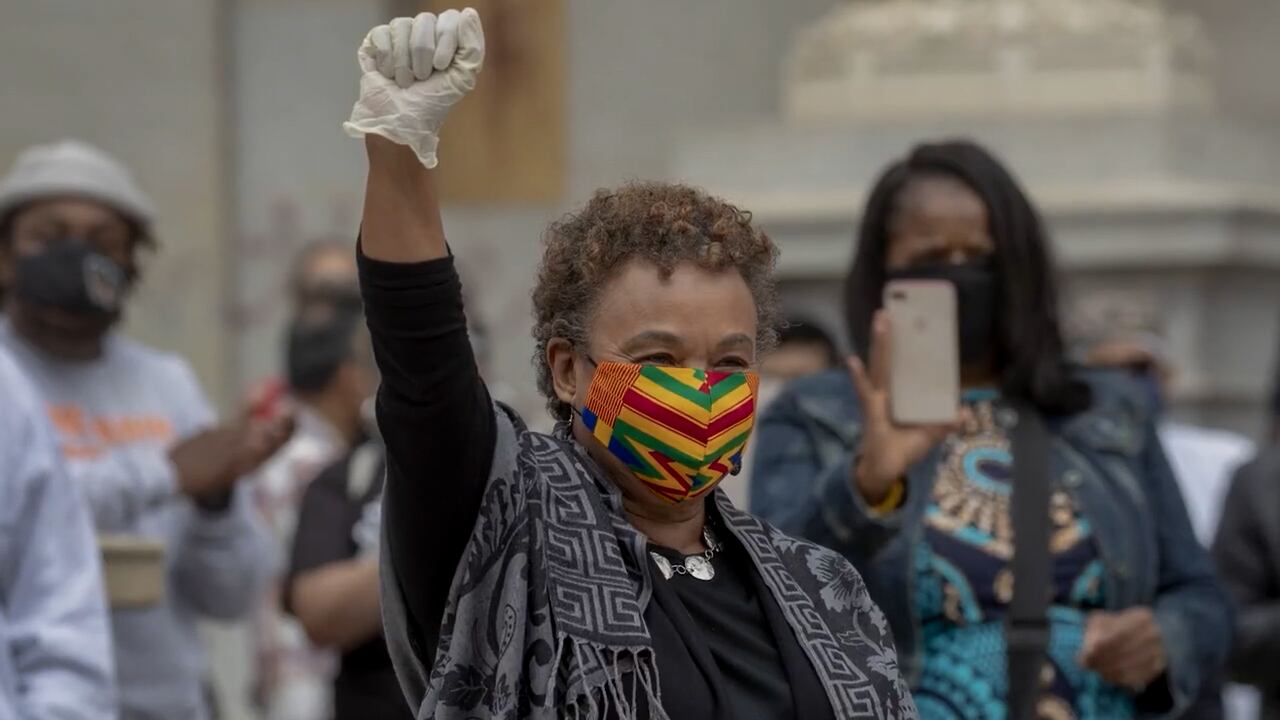
"Barbara Lee: Speaking Truth to Power" is the story of how the longtime House Democrat became, as she Is known to some, as "the Conscience of Congress." The film also
shows Representative Lee from her days working to fight community poverty to famously becoming the only member of Congress to vote "no" against the war in Afghanistan days after 9/11. The film is nominated for an NAACP Image Award, and Premieres on Starz on February 1. Film director Abby Ginzberg and Rep. Barbara Lee (D-Calif. 13th District), joined Cheddar to discuss more.
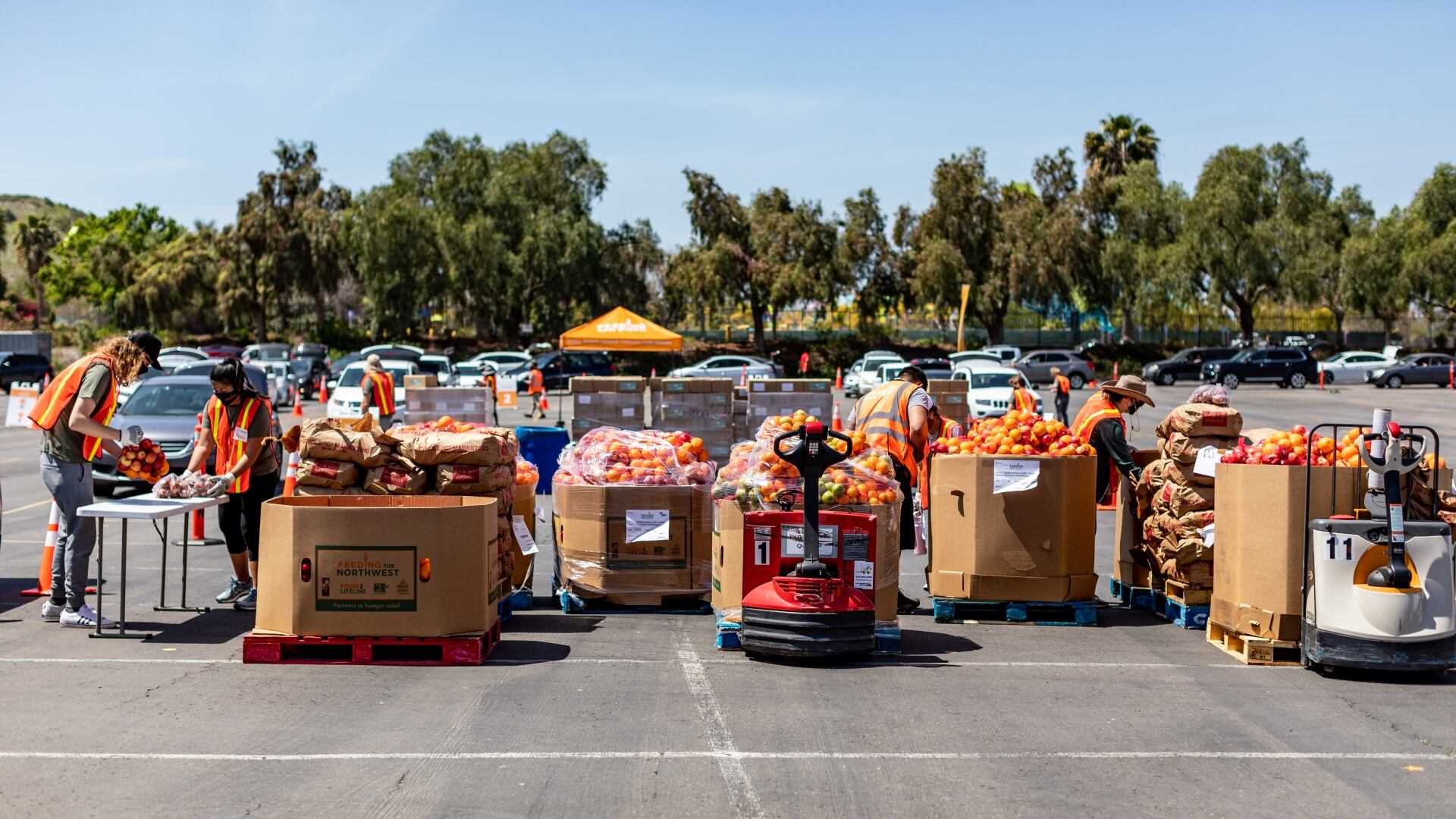
San Diego has just implemented a new law that could set the stage for how the country deals with food waste. This new law hopes to make a dent in that. Businesses and groceries stores out in San Diego will need to put a plan in place to *donate edible food rather than toss it straight to the trash. Food Rescue Manager at Feeding San Diego, Kate Garret
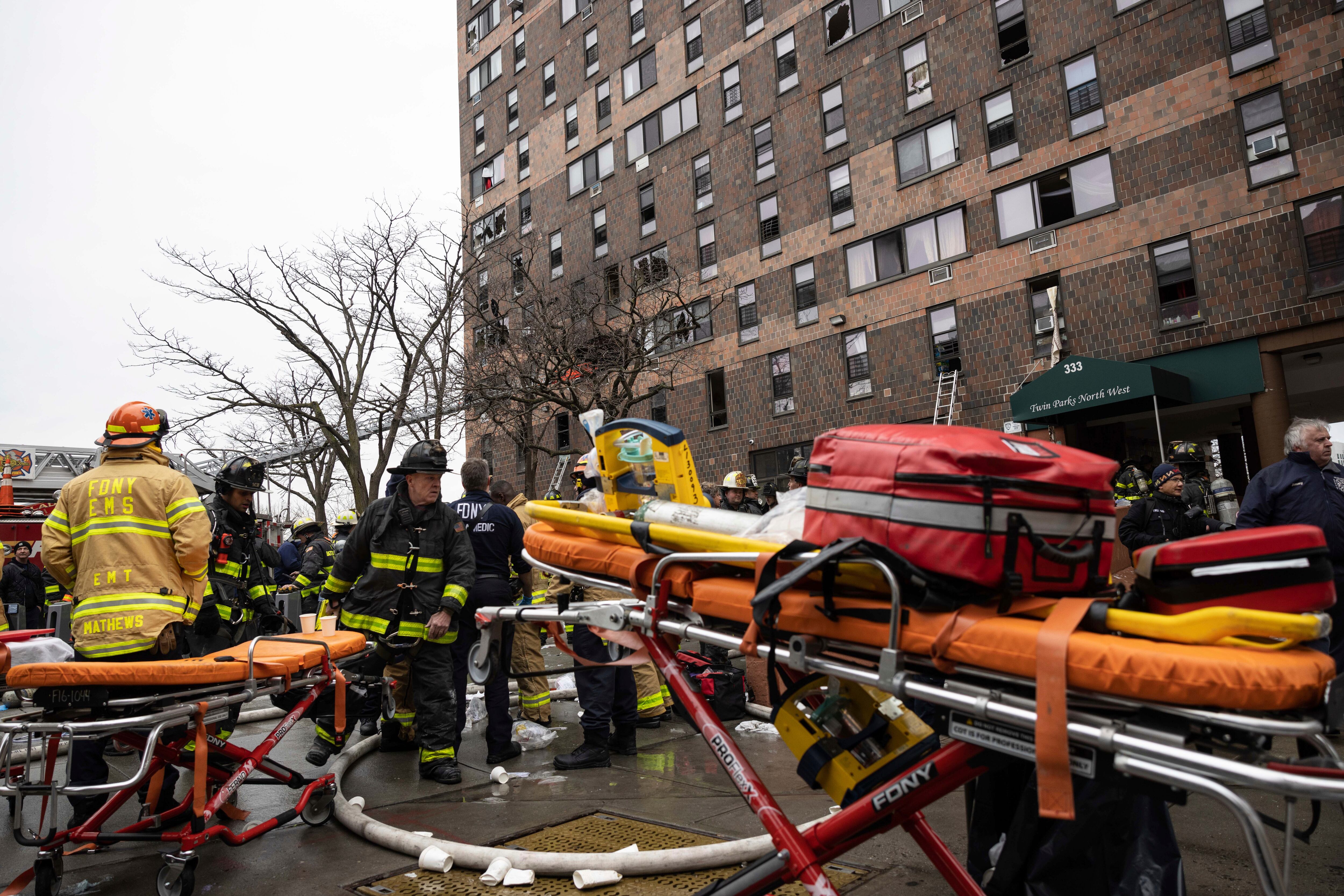
Earlier this month, New York City experienced one of the deadliest fires it has seen in decades. 17 people lost their lives in the Fordham section of the Bronx. This was due to a faulty space heater which reportedly began on the lower floor of the 120 unit building. Thanks to the F. D. N. Y. And heroic neighbors, many were able to get out in time. Unfortunately, the toxic smoke surged upwards through a safety door. Now, many advocates say negligence by policymakers and landlords has led to the deaths in black and brown communities from fires that honestly could have been preventable. Legislative Director of Citizen Action of New York, Rebecca Garrard, and the Chair of Journalism and New Media Studies at St. Joseph's College Theodore Hamm, joined Cheddar to discuss more.
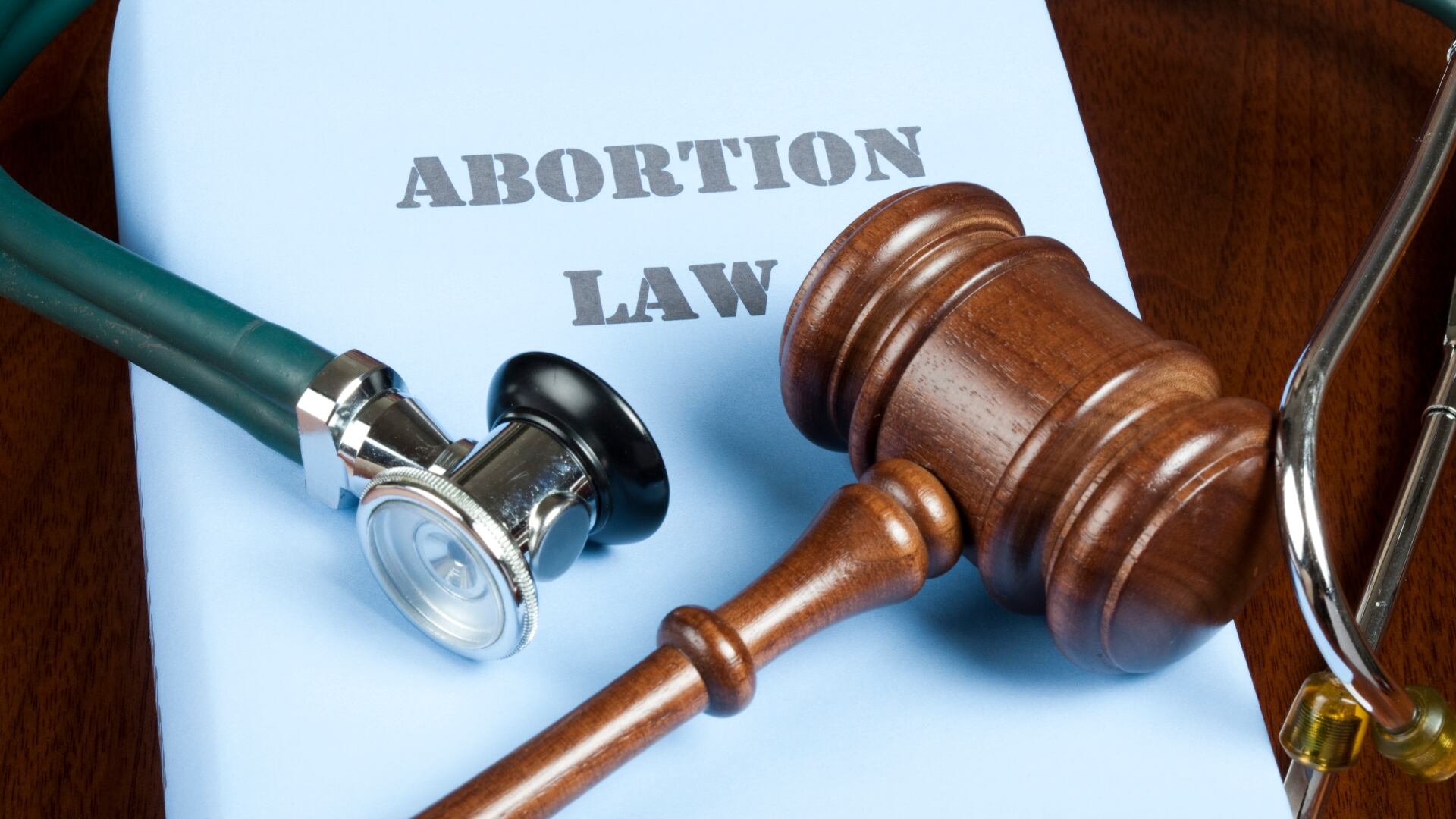
The Supreme Court has declined to order the Texas Abortion case back to the original trial judge for further proceedings. Essentially if Texas abortion providers were able to get their case back to the lower court., It would have greatly helped the group move against the law. However, this decision is likely to prolong the case legal battle. Professor and Author of "The Turnaway Study: Ten Years, a Thousand Women, and the Consequences of Having — Or Being Denied — An Abortion", Diane Foster, joined Cheddar to discuss more.
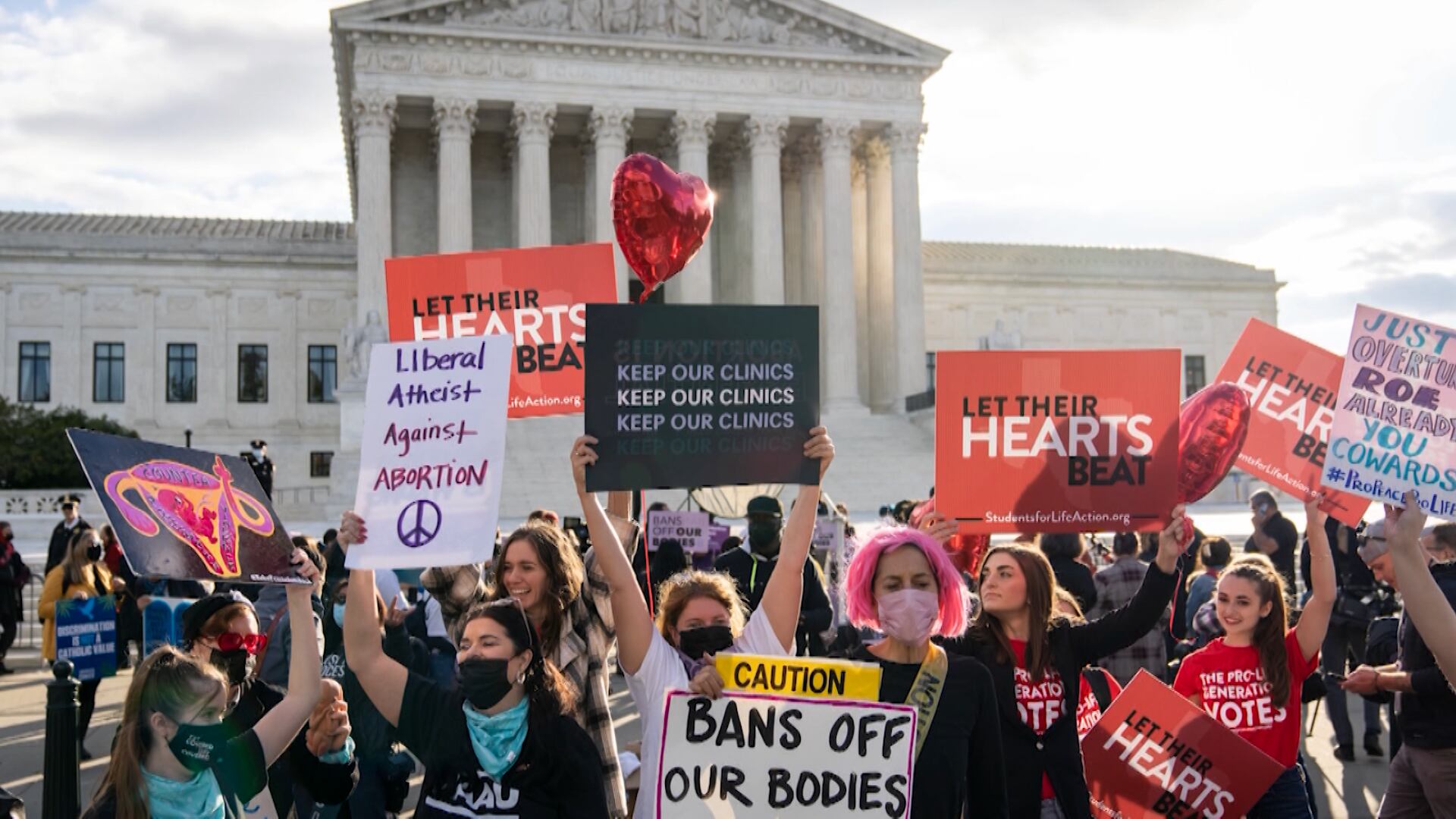
The Supreme Court rejected yet another bid by abortion providers to block Texas's law - which bans most abortions after six weeks of pregnancy. This is the fourth time that advocates have tried and failed to block the most restrictive abortion ban in the country. Leah Litman, assistant professor of law at The University of Michigan and co-host of the "Strict Scrutiny" podcast, joins Cheddar News to discuss.