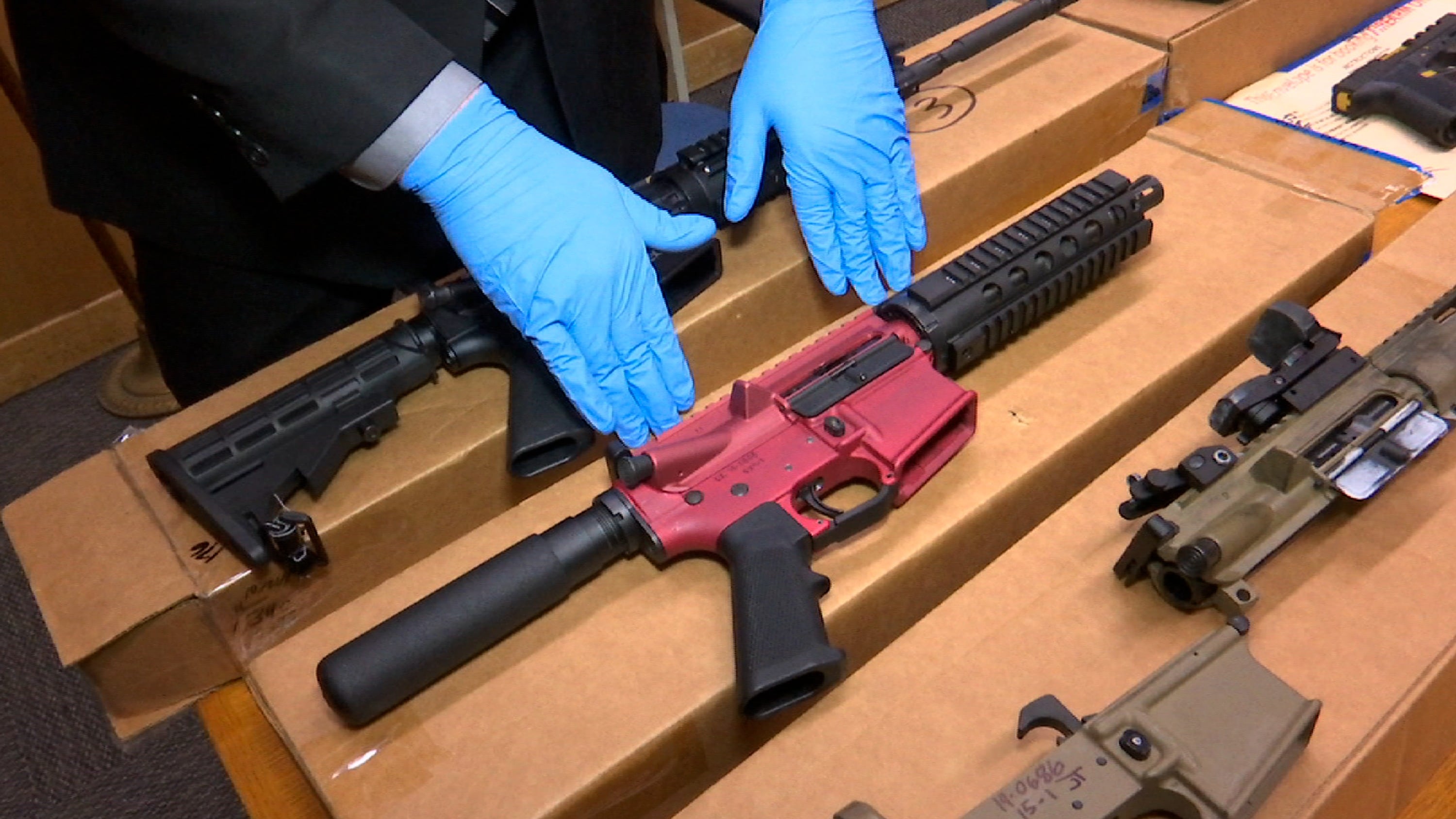
Ghost guns" are displayed at the headquarters of the San Francisco Police Department in San Francisco, Nov. 27, 2019. (AP Photo/Haven Daley, File)
By Mark Sherman
The Supreme Court is reinstating a regulation aimed at reining in the proliferation of ghost guns, firearms without serial numbers that have been turning up at crime scenes across the nation in increasing numbers.
The court on Tuesday voted 5-4 to put on hold a ruling from a federal judge in Texas that invalidated the Biden administration's regulation of ghost gun kits. The regulation will be in effect while the administration appeals the ruling to the 5th U.S. Circuit Court of Appeals in New Orleans — and potentially the Supreme Court.
Chief Justice John Roberts and Justice Amy Coney Barrett joined with the court's three liberal members to form the majority. Justices Samuel Alito, Neil Gorsuch, Brett Kavanaugh and Clarence Thomas would have kept the regulation on hold during the appeals process. Neither side provided an explanation.
The Justice Department had told the court that local law enforcement agencies seized more than 19,000 ghost guns at crime scenes in 2021, a more than tenfold increase in just five years.
"The public-safety interests in reversing the flow of ghost guns to dangerous and otherwise prohibited persons easily outweighs the minor costs that respondents will incur," Solicitor General Elizabeth Prelogar, the administration’s top Supreme Court lawyer, wrote in a court filing.
The new rule was issued last year and changed the definition of a firearm under federal law to include unfinished parts, like the frame of a handgun or the receiver of a long gun, so they can be tracked more easily. Those parts must be licensed and include serial numbers. Manufacturers must also run background checks before a sale — as they do with other commercially made firearms. The requirement applies regardless of how the firearm was made, meaning it includes ghost guns made from individual parts or kits or by 3D printers.
The rule does not prohibit people from purchasing a kit or any type of firearm.
U.S. District Judge Reed O'Connor, in Fort Worth, Texas, struck down the rule in late June, concluding that it exceeded the Bureau of Alcohol, Tobacco, Firearms and Explosives' authority. O'Connor wrote that the definition of a firearm in federal law does not cover all the parts of a gun. Congress could change the law, he wrote.
Lawyers for individuals, businesses and advocacy groups challenging the rule told the Supreme Court that O'Connor was right and that the ATF had departed from more than 50 years of regulatory practice in expanding the definition of a firearm.
“We’re deeply disappointed that the Court pressed pause on our defeat of ATF’s rule effectively redefining ‘firearm’ and ‘frame or receiver’ under federal law," Cody J. Wisniewski, general counsel of the Firearms Policy Coalition Action Foundation, said in a statement. “Regardless of today’s decision, we’re still confident that we will yet again defeat ATF and its unlawful rule at the Fifth Circuit when that Court has the opportunity to review the full merits of our case.”
The Giffords Law Center to Prevent Gun Violence, which has long supported regulation of ghost guns, praised the Supreme Court's action. “The challenged rule simply requires that ghost gun kits are regulated like the guns that they are. It will save lives,” David Pucino, the group's deputy chief counsel, said in a statement.
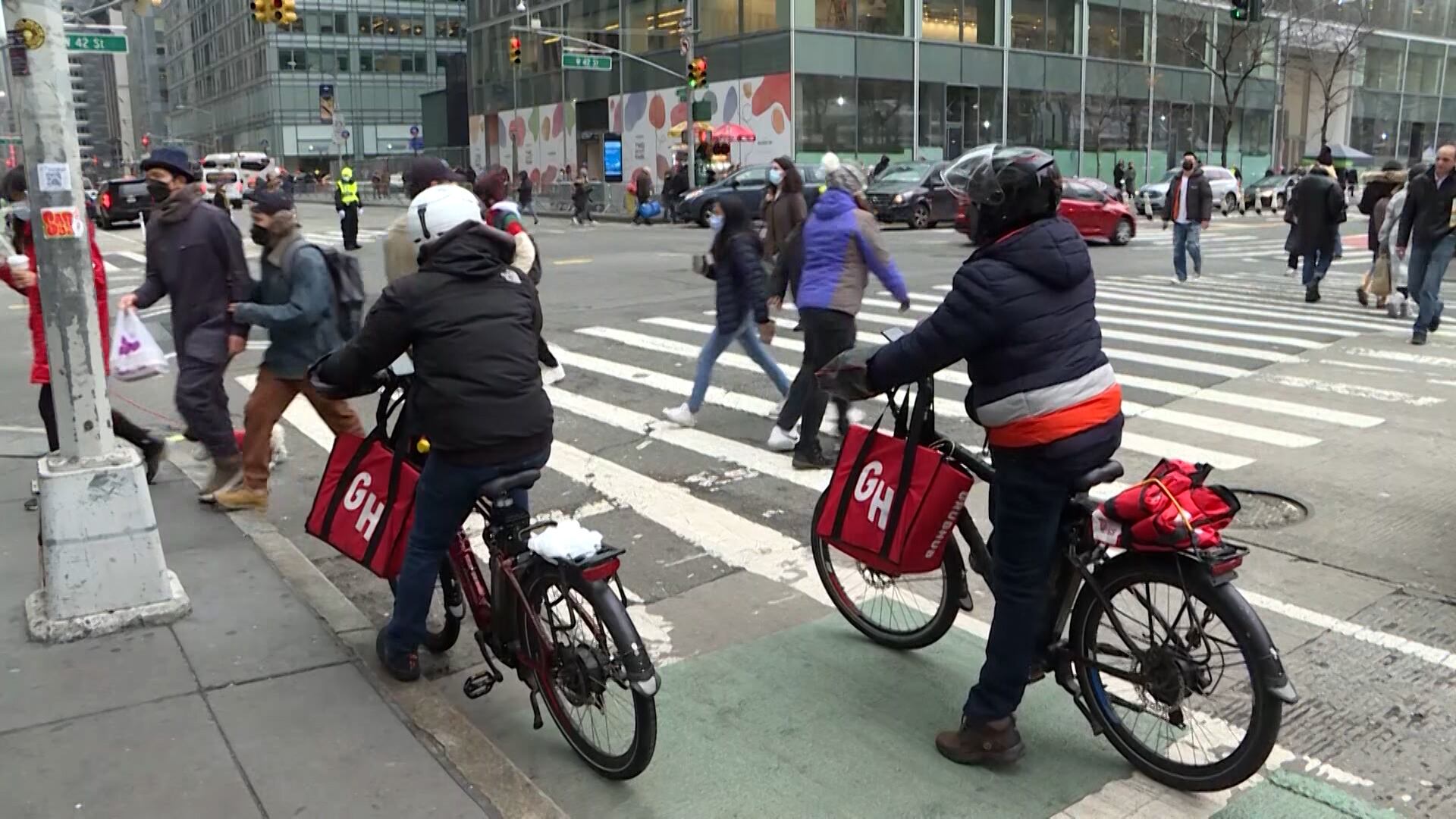
Big Apple workers who deliver for food apps like Doordash and Grubhub will now receive a number of legal protections provided through a package of new regulations that have started going into effect. These updated rules include more control over their deliveries, pay and tip transparency, a higher minimum pay rate, and access to restaurant bathrooms during the workday. New York City Comptroller Brad Lander joined Cheddar to elaborate on the regulations and how the platform holders reacted. "I have to say it's a mixed bag," he said. "Grubhub actually welcomed the legislation and said they recognize they need to do better by their deliveristas, but DoorDash, unfortunately, has actually been pushing back against the legislation."
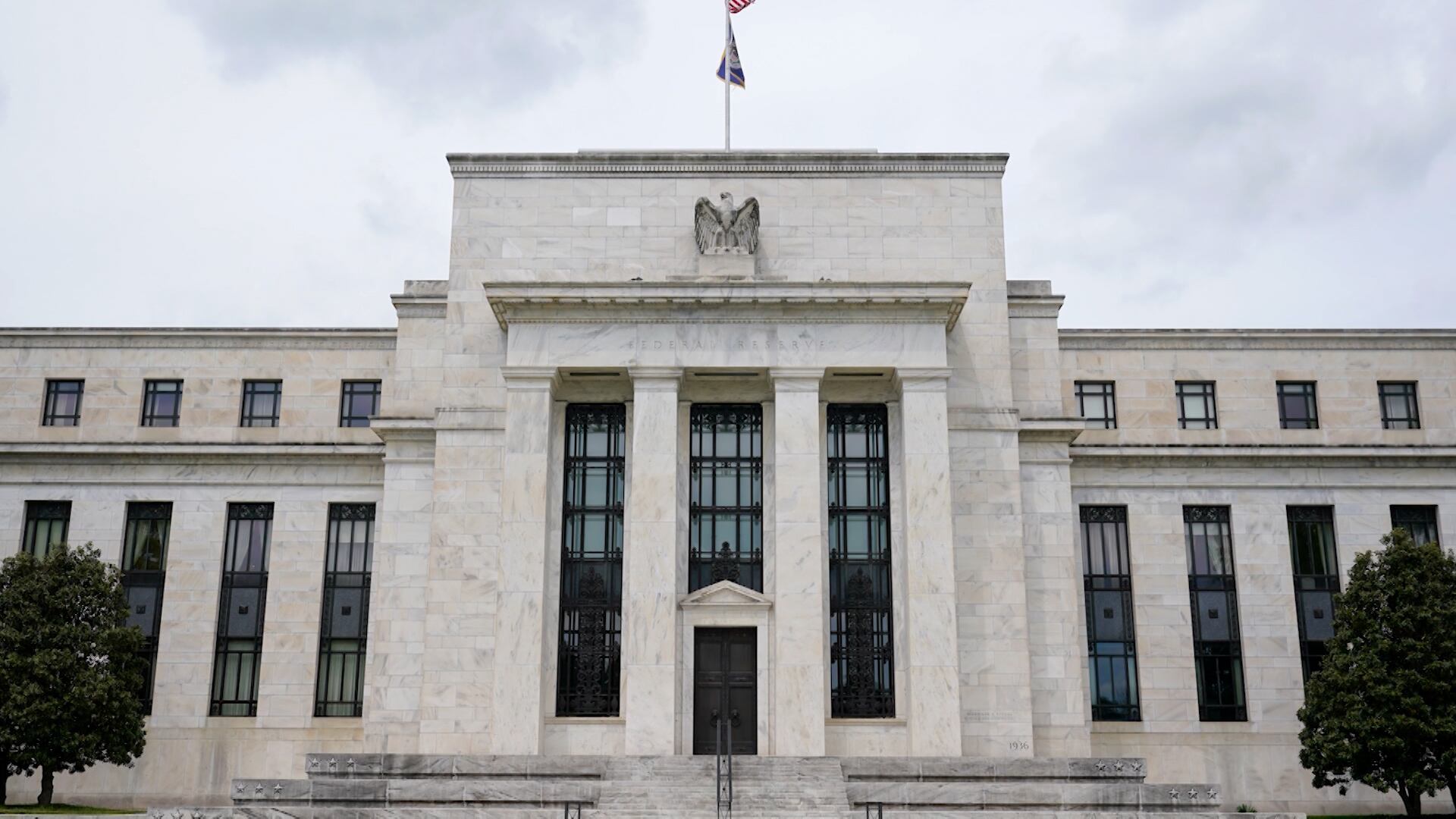
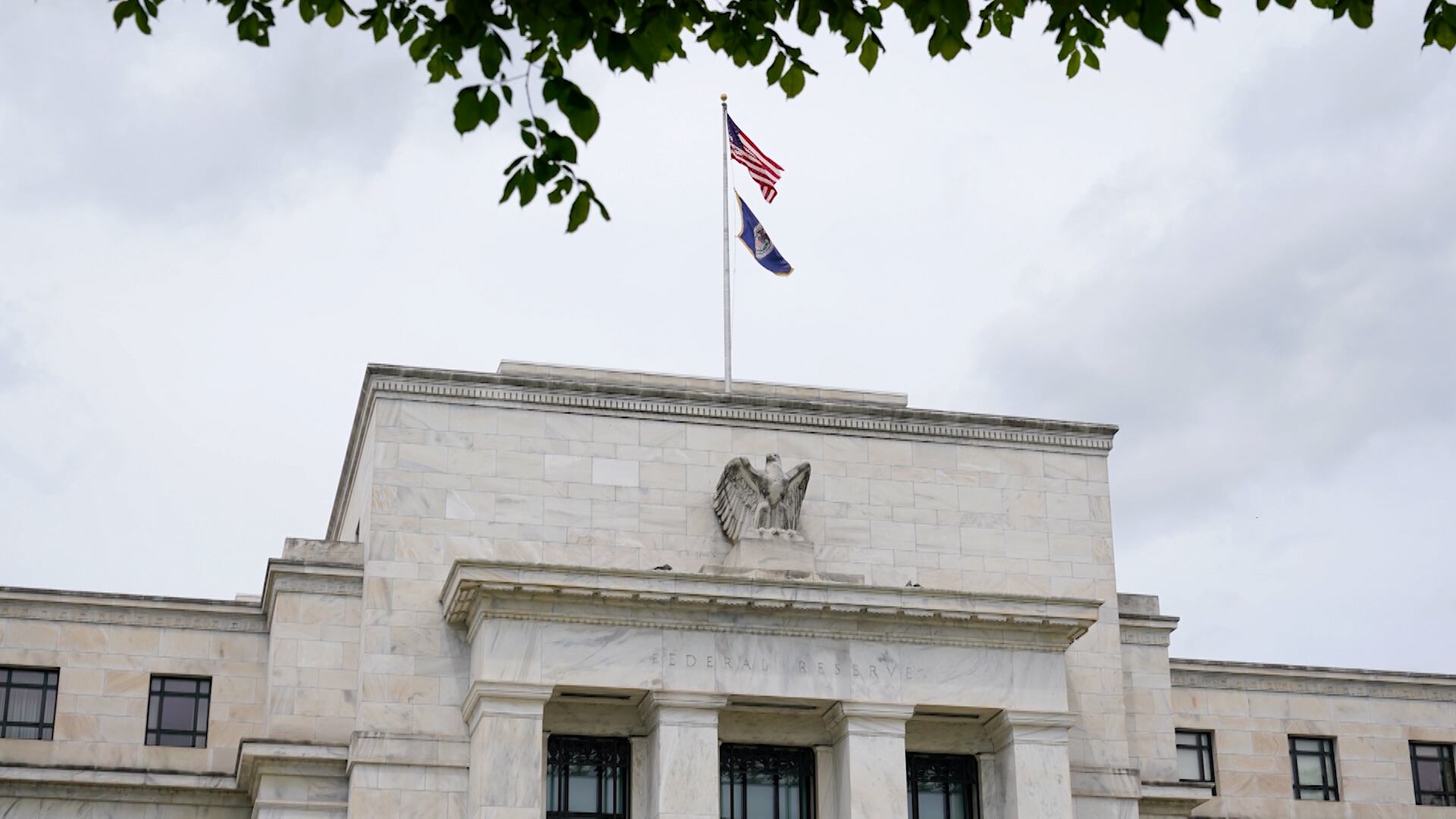
Thomas Hoenig, Former CEO of Federal Reserve Bank of Kansas City and currently Distinguished Senior Fellow with the Mercatus Center, joined Cheddar News' Closing Bell, where he says the Fed's decision was no surprise, but believes the Fed is behind the curve on raising rates.
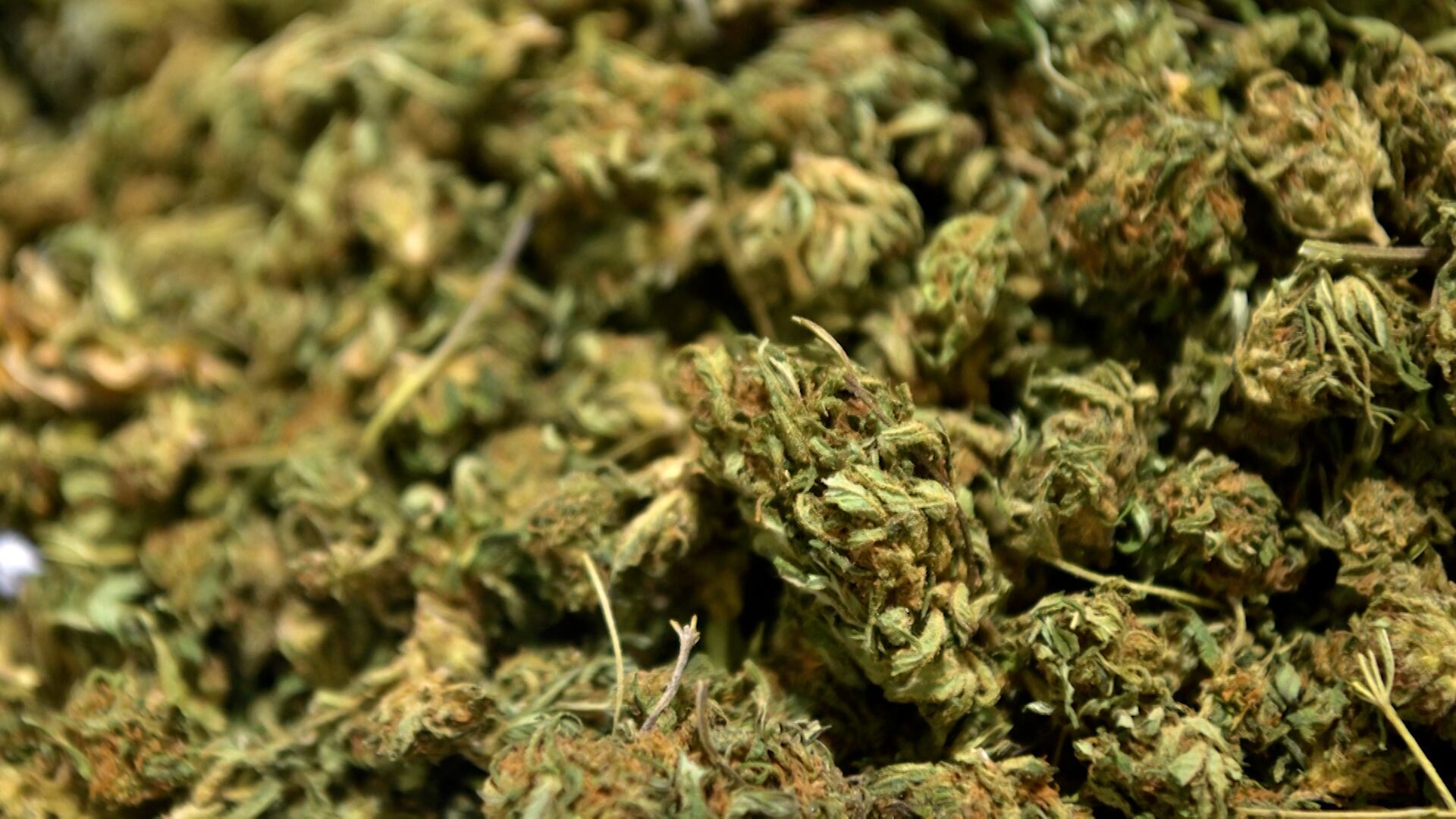
Legal cannabis businesses are having a hard time surviving in California with the high cost of doing business and a still-thriving illicit market. In response, nonprofit Supernova Women, founded by women of color, is advocating on behalf of Black and brown shareholders in the cannabis industry. Amber Senter, co-founder, executive director, and chairman of the organization, spoke with Cheddar News about calling for changes in the Golden State's taxation system for legal marijuana. "We're really leaning on the legislators now to support the industry and make sure that this industry, in particular craft cannabis, can survive," said Senter.
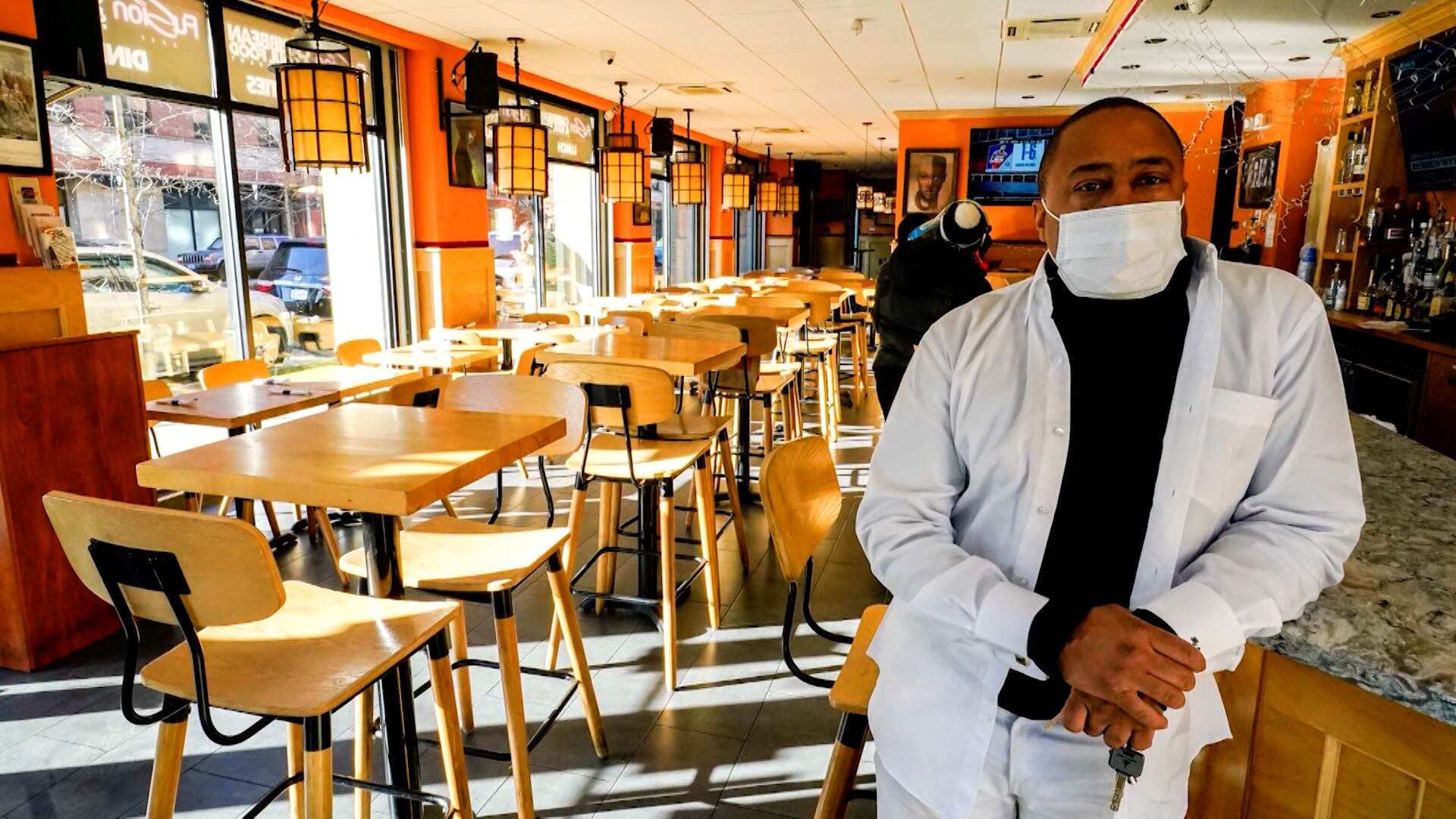
After being among the hardest-hit industries by the pandemic, restaurants are still having a hard time staying afloat, with owners claiming that business is worse now due to closures from staff shortages and customer decline than it was three months ago. Mike Whatley, vice president of state affairs and grassroots advocacy for the National Restaurant Association, spoke to Cheddar News about how the sector is reaching out to lawmakers for help. "Working with Senators Wicker, Sinema, and a whole host of bipartisan leaders, we're trying to get the Restaurant Revitalization Fund replenished," Whatley said.
Communities of color are disproportionately affected by climate change and continuously feel the impacts. Mark Magaña, founding president and CEO of Green Latinos joined All Hands to discuss.
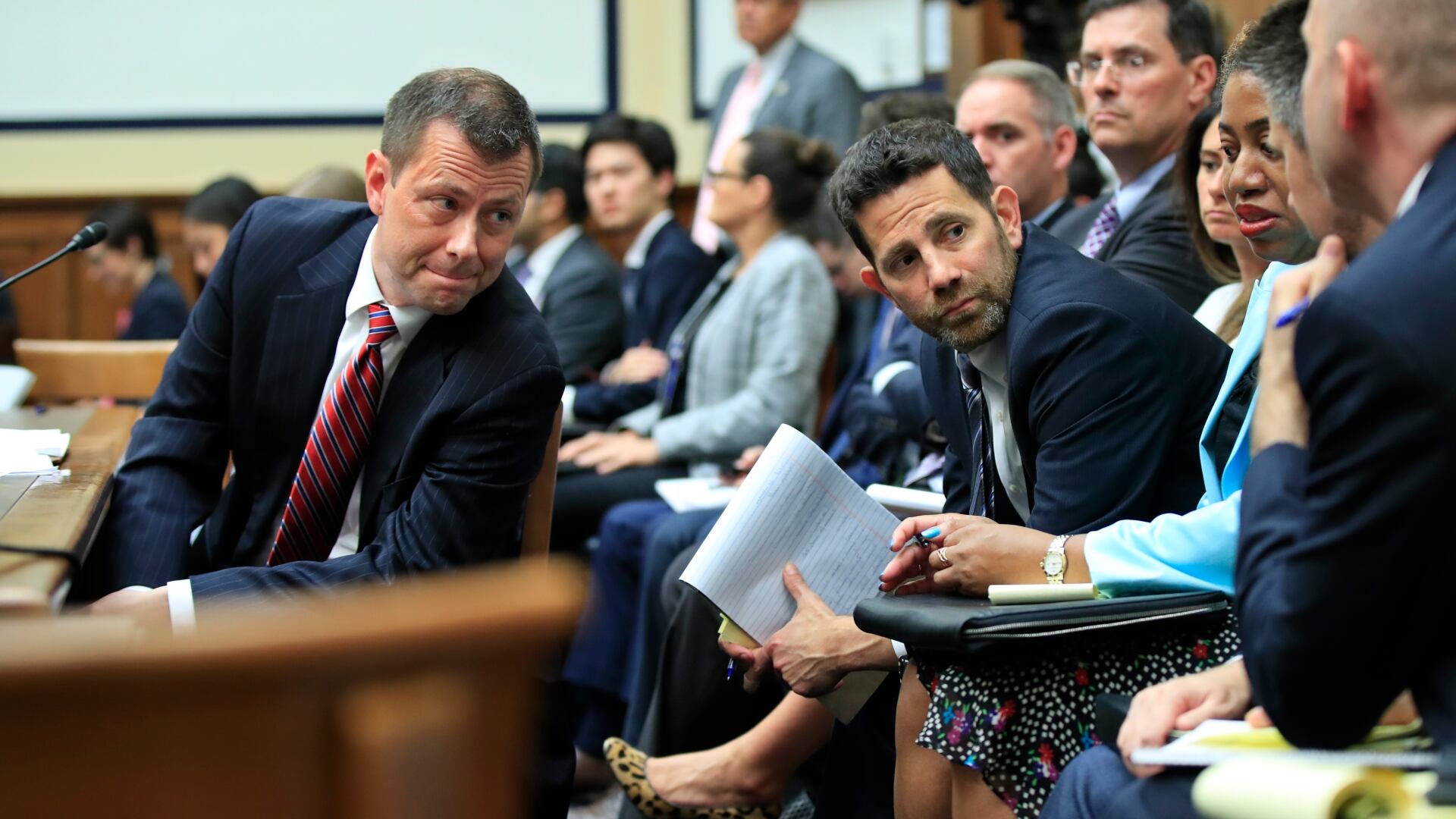
The memoir, "COMPROMISED: Counterintelligence and the Threat of Donald J. Trump", tells a familiar story from a bit of a different source: Peter Strzok himself, former FBI Counterintelligence Agents and Agency Veteran who spent most of his very long career investigating some of the most controversial inquiries, most notably in recent American history. Those inquiries were Hillary Clinton's email to even Trump Russia investigations. Former FBI Agent and Author of "Compromised" Peter Strzok, joined Cheddar to discuss more.
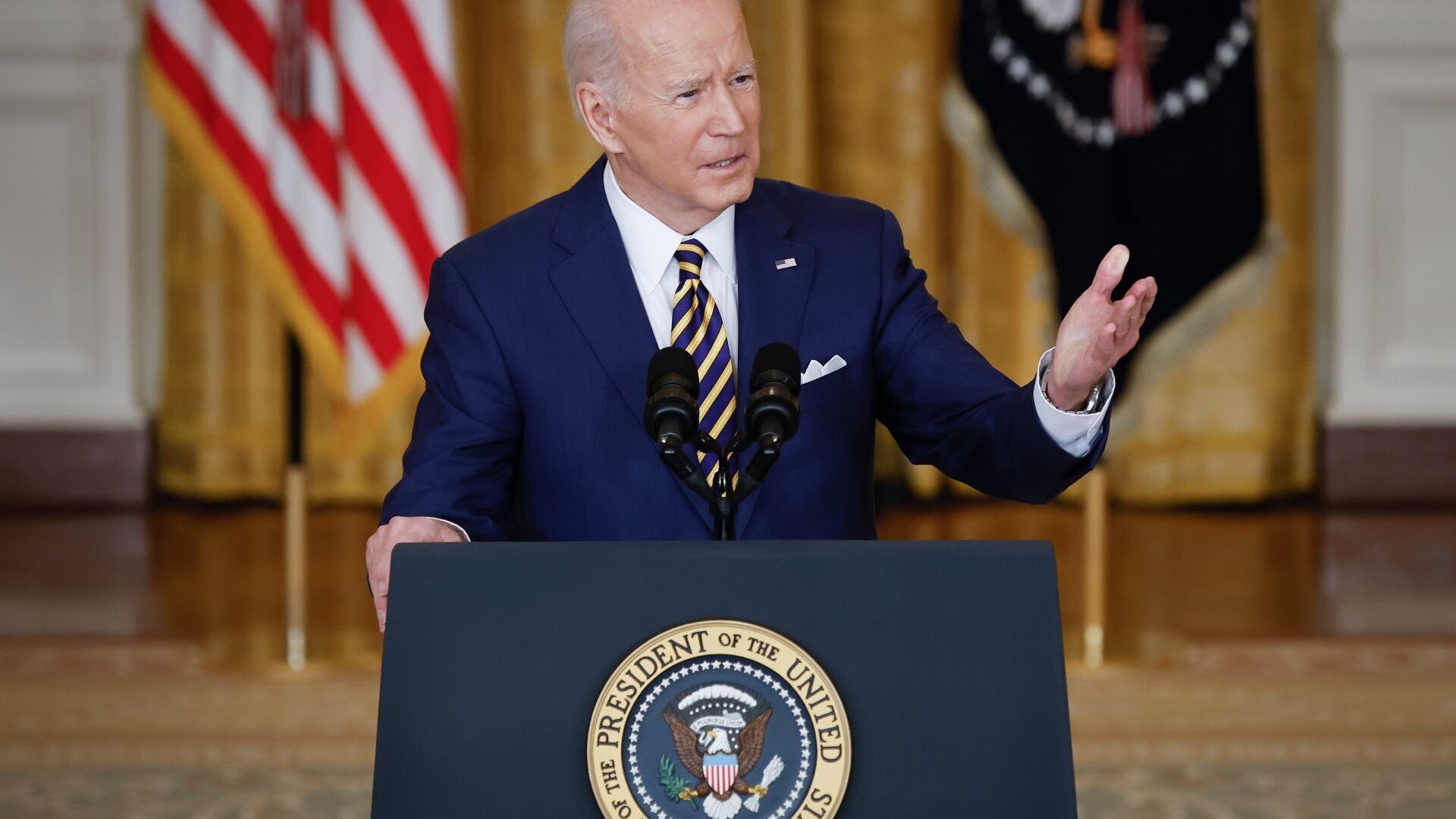
President Biden's first year did not come to the close that he had hoped after last night's Senate vote blocked the voting rights bill, a priority that Biden has promoted since his inauguration. Joining us to discuss the voting rights bill, and many others passing through congress is congresswoman Lori Trahan, representing Massachusett's 3rd district.