St. Louis-based clothing brand Summersalt just raised $17.3 million in Series B funding and its founder and CEO said the company's goal is to "provide joy in all of our products."
The company, which launched in 2017 with a line of direct-to-consumer swimwear, uses recycled materials in its popular $95 swimsuits.
"We would never say never [about partnering with a company like Walmart or Amazon] but really the roadmap moving forward is to speak directly to our consumers, cut out the middle-man, and offer a better product for a better price," CEO Lori Coulter told Cheddar. Coulter, a former design professor and swimwear designer, founded Summersalt with marketing and brand consultant Reshma Chattaram Chamberlin.
Summersalt's second round of funding was led by Utah-based venture capital firm Mercato Partners. It last raised $8 million in April in a Series A round and is backed by firms including Founders Fund and Lewis and Clark Ventures.
"We're super excited about the funding," Coulter said. "The main thing we're doing is to continue to deliver on our promise to provide joy in all of our products, to infuse joy in all of our products that we're expanding to."
Since its launch with swimwear, Summersalt has expanded to travel-wear and sleepwear. Chattaram Chamberlin said in a press release "from the moment we launched Summersalt our goal was to own every corner of our customer's suitcase and with this latest round of funding we are one step closer to this."
Stephen Kates, Financial Analyst at Bankrate, joins to discuss the Fed’s 25-basis-point rate cut, inflation risks, and what it all means for consumers and marke
Big tech earnings take center stage as investors digest results from Alphabet, Meta, Microsoft, Amazon, and Apple, with insights from Gil Luria of D.A. Davidson
Disney content has gone dark on YouTube TV, leaving subscribers of the Google-owned live streaming platform without access to major networks like ESPN and ABC. That’s because the companies have failed to reach a new licensing deal to keep Disney channels on YouTube TV. Depending on how long it lasts, the dispute could particularly impact coverage of U.S. college football matchups over the weekend — on top of other news and entertainment disruptions that have already arrived. In the meantime, YouTube TV subscribers who want to watch Disney channels could have little choice other than turning to the company’s own platforms, which come with their own price tags.
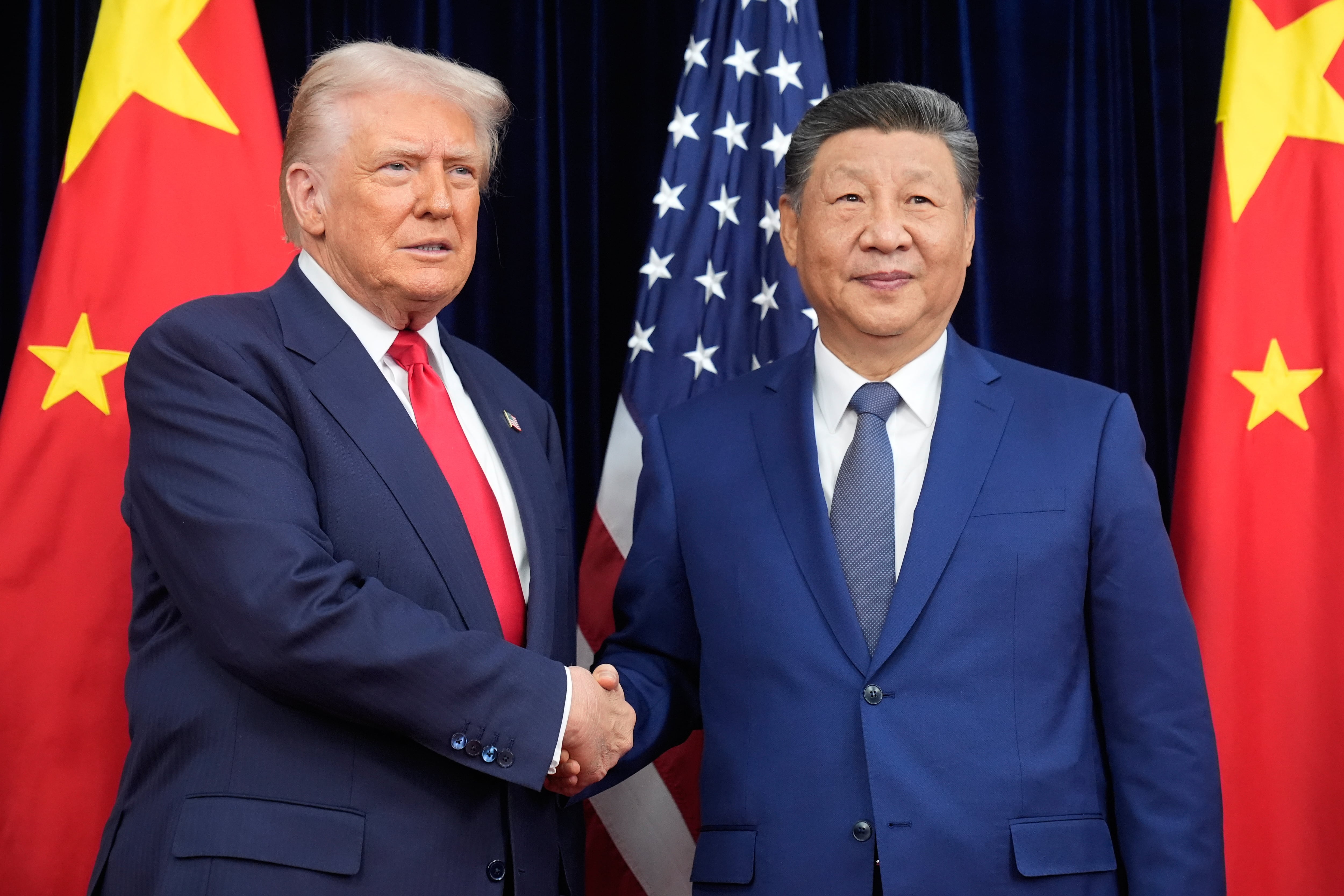
President Donald Trump said he has decided to lower his combined tariff rates on imports of Chinese goods to 47% after talks with Chinese leader Xi Jinping on curbing fentanyl trafficking.
Universal Music Group and AI platform Udio have settled a copyright lawsuit and will collaborate on a new music creation and streaming platform. The companies announced on Wednesday that they reached a compensatory legal settlement and new licensing agreements. These agreements aim to provide more revenue opportunities for Universal's artists and songwriters. The rise of AI song generation tools like Udio has disrupted the music streaming industry, leading to accusations from record labels. This deal marks the first since Universal and others sued Udio and Suno last year. Financial terms of the settlement weren't disclosed.