Protesters in favor of student loan relief gathered outside the Supreme Court on Tuesday morning, demanding that the top jurists side with President Biden as they hear two cases challenging his signature student loan debt relief policy.
Biden’s relief program looks to cancel $10,000 of student debt for low- to middle-income borrowers and $20,000 for Pell Grant recipients, but the legal challenges have put the program on hold while the Supreme Court hears the arguments for the cases that jeopardize it.
Activists who showed up ahead of oral arguments told Cheddar that Americans should not have to be burdened with so much student debt.
"I went to college as a first generation college student. My FAFSA said we had zero expected family contribution," said Kristin McGuire, executive director of the advocacy group Young Invincibles. "I borrowed $20,000 to finance my college education, and I currently owe over $55,000."
“We're almost 20 years later, and my debt has doubled. And Americans should not have to go through that,” McGuire continued.
Democratic Rep. Ayanna Pressley (Mass. District 7) also made an appearance outside the Supreme Court.
"The people demand and deserve student debt cancellation," Pressley told the crowd. "Student debt cancellation will change and save lives."
Pressley said that Republican officials are “disconnected from the hardship of everyday folks who are burdened by this debt” and “chose obstruction.”
But, Republicans have called Biden’s plan fiscally irresponsible.
“Our nation is facing a staggering $31 trillion worth of debt and we have closed in on the debt ceiling, yet the Biden administration is still attempting to cancel millions of dollars in student loans,” Senator Rick Scott of Florida has said. “The reality is, a blanket forgiveness of student loans only benefits a small percentage of the population at the expense of millions of other hard working Americans."
The Court’s decisions won’t be released until the early summer, but 26 million people have already applied for the program, with 16 million having already been approved.
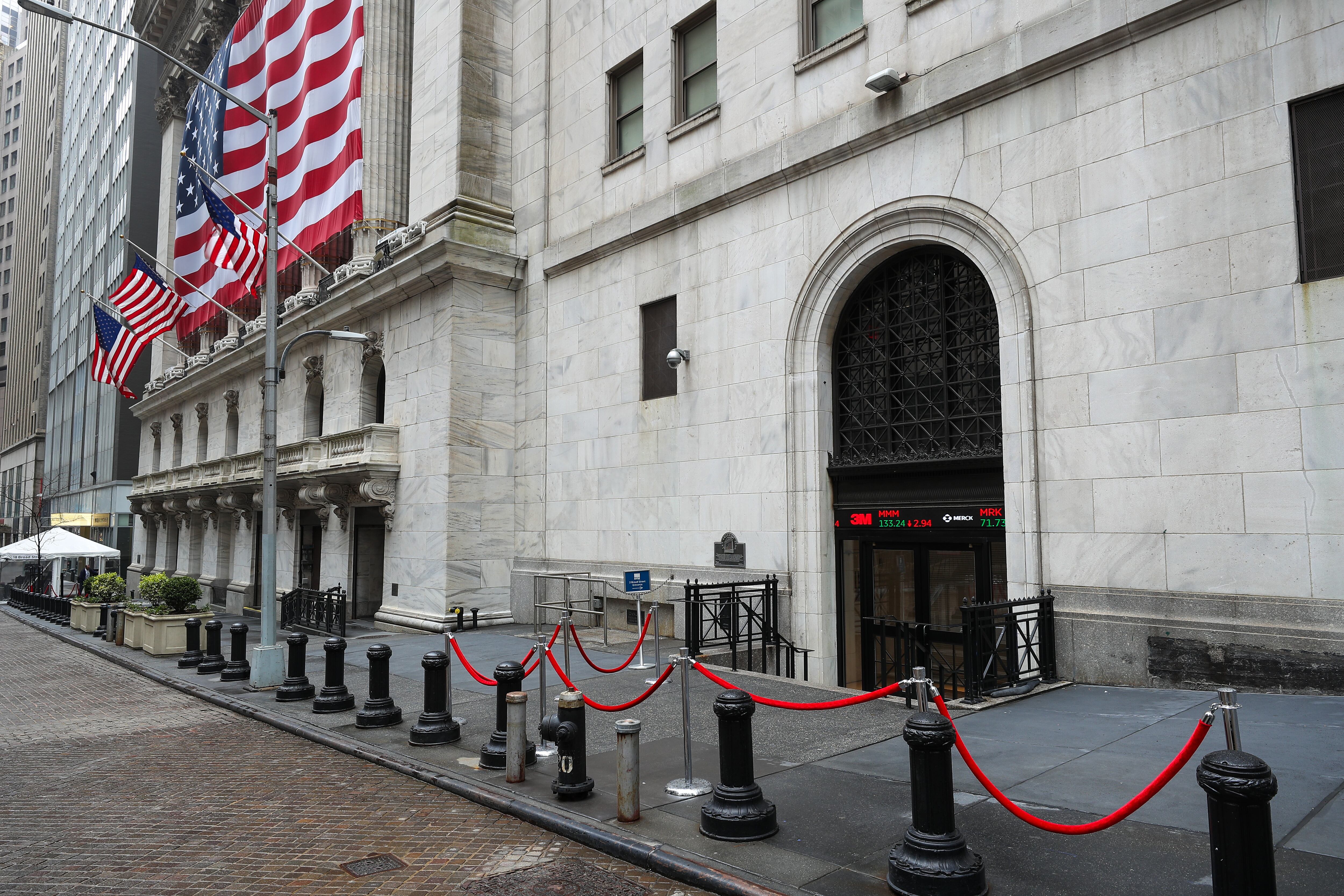
Stocks are inching higher on Wall Street Monday in more volatile trading as investors try to assess whether global authorities can do enough to nurse the economy through the damage caused by the coronavirus outbreak.
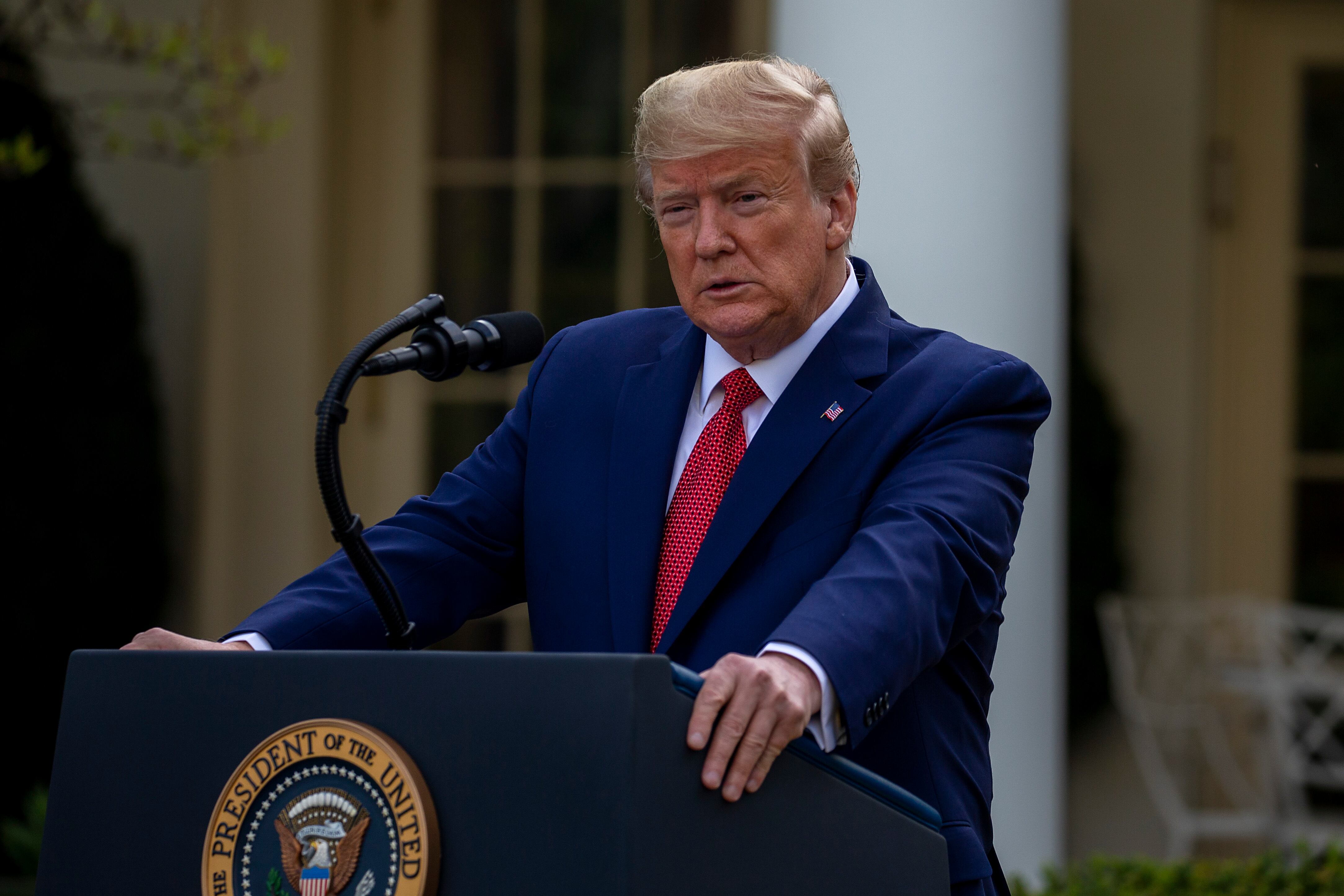
Bracing the nation for a coronavirus death toll that could exceed 100,000 people, President Donald Trump extended restrictive social distancing guidelines through April, bowing to public health experts who presented him with even more dire projections for the expanding coronavirus pandemic.
Trump said that the order will “require General Motors to accept, perform, and prioritize Federal contracts for ventilators." In a statement, he said the contracting process with the automaker was not moving quickly enough.
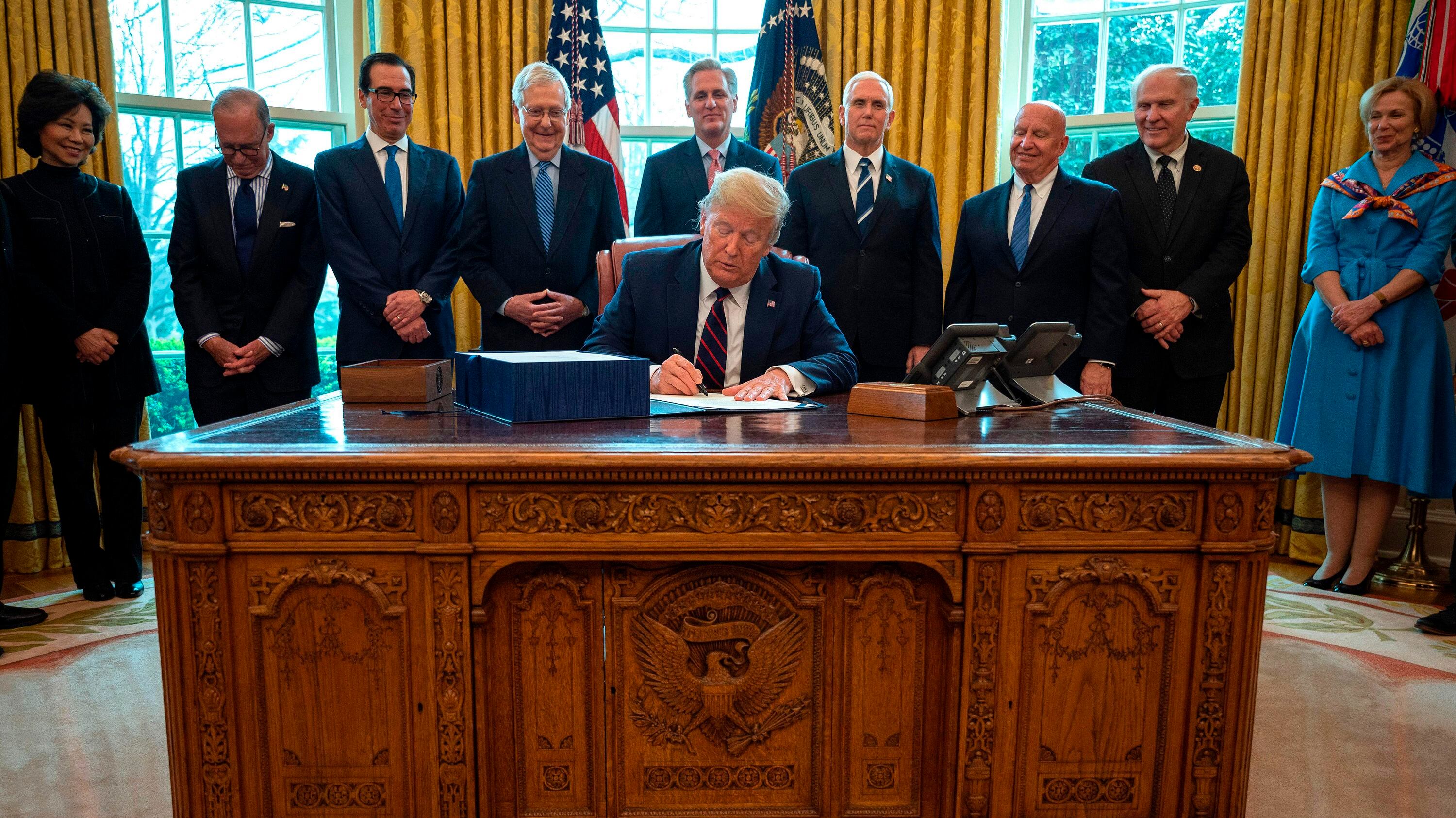
President Donald Trump has signed an unprecedented $2.2 trillion economic rescue package into law, after swift and near-unanimous action by Congress this week.
From Wall Street to Silicon Valley, these are the top stories that moved markets and had investors, business leaders, and entrepreneurs talking this week on Cheddar.
Stocks are moving lower on Wall Street as the market gives back some of the gains it piled up over the past three days. Major indexes are down more than 2% in afternoon trading Friday.
Restaurants are getting creative with private solutions as they hope to continue doing business, even while most of them are physically closed to the public, but the potential for saving most of these businesses may be a long shot.
Healthcare workers have launched their own campaigns for gathering personal protective equipment as they fight the coronavirus on the frontlines, with #GetUsPPE trending across social media.
The House of Representatives overwhelmingly passed the $2.2 trillion coronavirus aid package Friday afternoon, but what was expected to be a smooth confirmation process devolved into a mad dash in the Capitol after one of the House’s own threatened to derail the vote with a procedural objection.
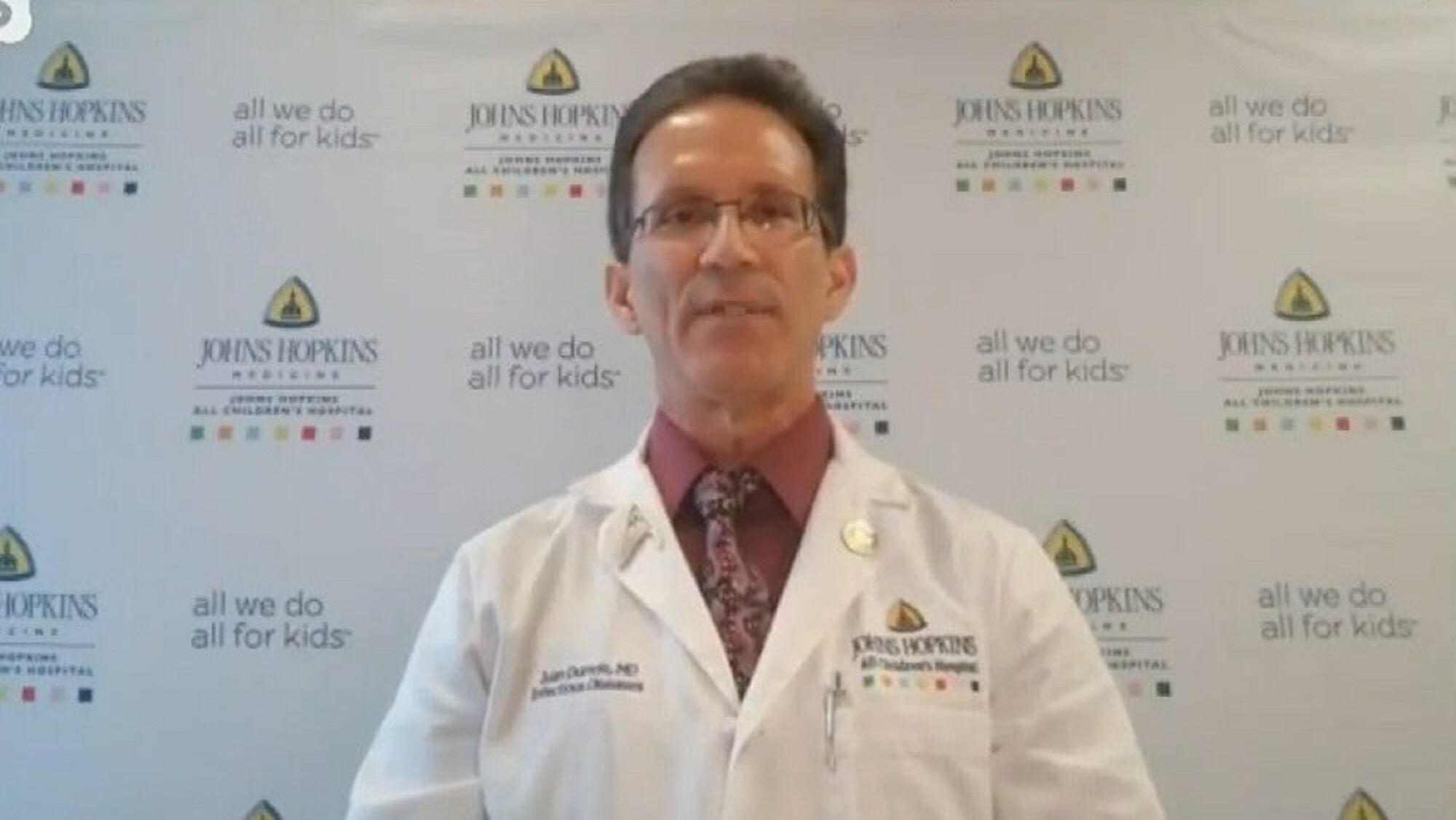
Despite President Donald Trump’s call to put the economy back to work by Easter, one Johns Hopkins physician says there may have to be “variability” in when states and cities restart their economies.