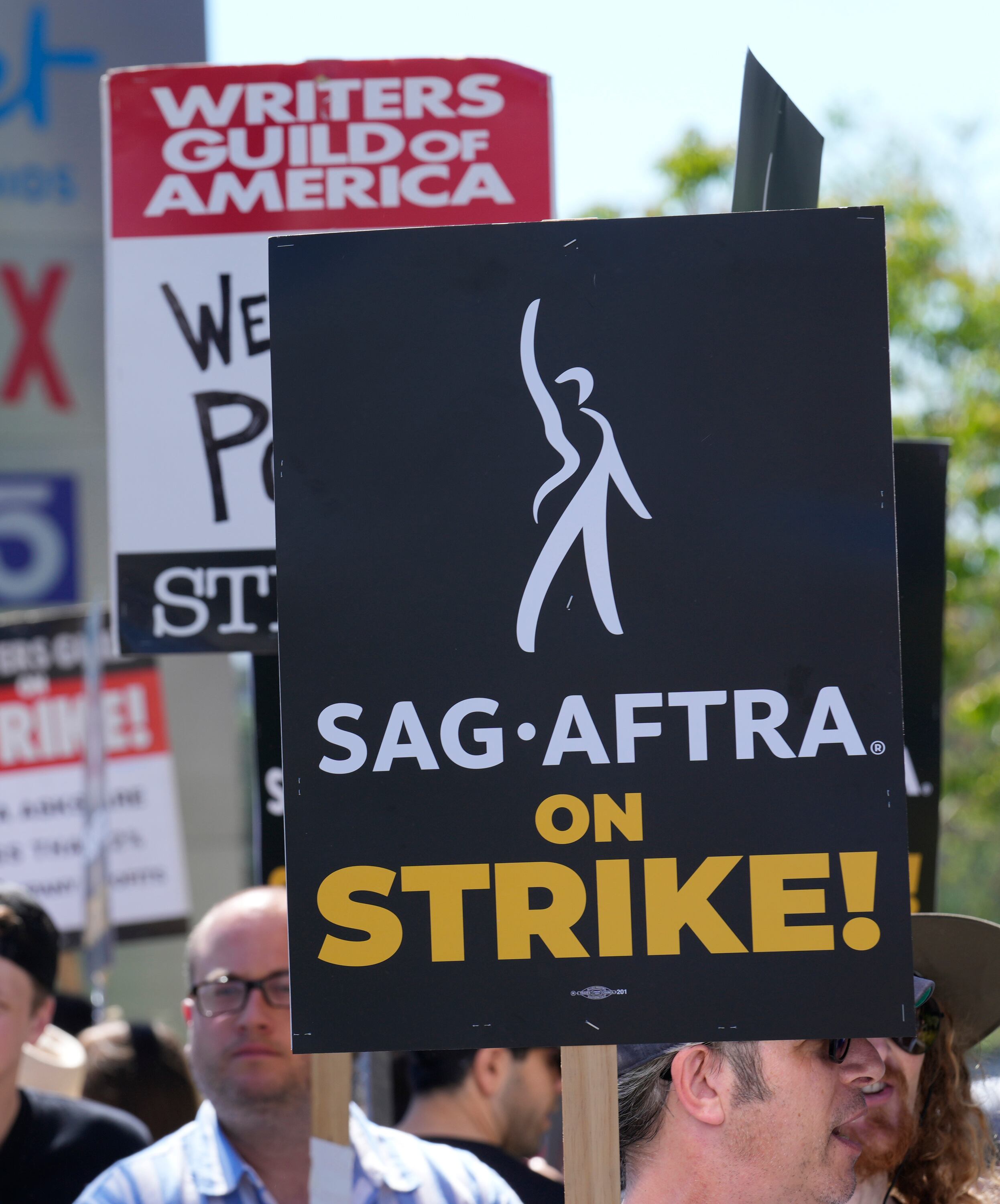
On Monday, July 19, workers and social justice activists in more than 25 cities are teaming up to stage a mass walkout from their jobs in the fast food, home care, and travel industries.
Behind the walkout, dubbed the "Strike for Black Lives," is the Service Employees International Union (SEIU), which is making the case that racial and economic justice should be fought for, side-by-side.
"Essential workers across this country are united with the movement for Black lives because we need systemic change in how corporations behave in our economy and how Black people are treated throughout society," SEIU President Mary Kay Henry told Cheddar.
The union is taking aim at the fast food industry specifically, with calls for major chains to increase wages and better protect frontline workers from the coronavirus.
"We want companies like McDonald's to pay Black workers and brown workers a living wage, get the two-weeks paid sick [leave] that allows them to quarantine when they're exposed to the virus on the job, and to give them the personal protective equipment they need to protect themselves," she said.
She said she sees the walkout as a continuation of the protests that began in June after the death of George Floyd at the hands of a Minneapolis police officer.
So far, the movement has yielded reforms at the school and municipal level, Henry said. Now she wants to see big corporations do their part.
"Our perspective is that it has created rapid change," the union president noted. "All those June protests led to amazing changes at the city and school levels, where police were expelled from schools. There's major changes going on about the investment in community services in Black neighborhoods in cities. That's an amazing shift in just 60 days. This strike, we do think, is another moment of escalation that unites the fights for economic justice and racial justice."
Henry also criticized the way that fast food companies have employed the language of Black Lives Matter without following it up with action to help its Black employees.
"I would love for McDonald's, Wendy's, and Burger King to come to their senses and stop paying for ads where they say 'Black lives matters' and show through how they pay their workers that Black lives matter," she said. "They need to sit down at a bargaining table and bargain nationally to raise wages, create good jobs, provide COVID testing and PPP, and do a national collective bargaining agreement like they do in nine other countries around the world."
The hope, she added, is that labor reforms at major fast food chains will catalyze union organizing in industries such as home care, ride-sharing, and travel.