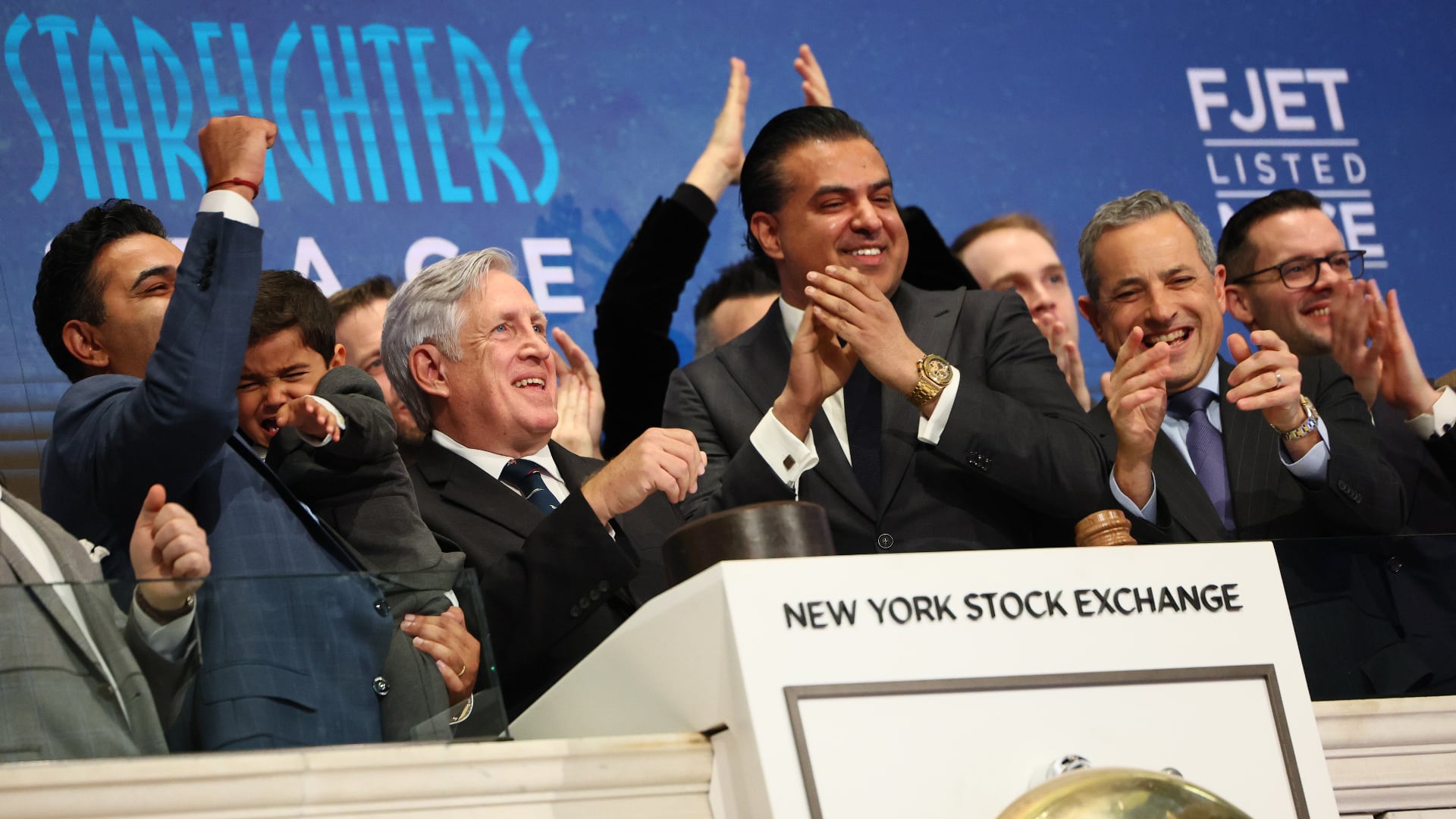
The raging coronavirus will close the New York Stock Exchange's floor operations on Monday, after employees tested positive for the coronavirus. (Photo by Luiz Roberto Lima-ANB/Pacific Press/LightRocket via Getty Images)
Stocks around the world rallied Tuesday amid expectations that Congress is nearing a deal to pump nearly $2 trillion of aid into the coronavirus-ravaged economy.
Top congressional and White House officials said they expect to reach an agreement Tuesday, though some issues remain. Investors have been frustrated waiting for the U.S. government to do what it can to help the economy, which is increasingly shutting down by the day after the Federal Reserve has done nearly all it can.
Signs of optimism radiated around the world. Beyond the better than 5 percent gain for the S&P 500 within the first few minutes of trading, South Korean stocks surged 8.6 percent and Germany's market returned 7 percent. Treasury yields rose in a sign that investors are feeling less fearful. Even crude oil, which has more than halved this year, rose.
The market has seen rebounds like this before, only for them to wash out immediately. Since the market began selling off on Feb. 20, the S&P 500 has had six days where it's risen, and all but one of them were big gains of more than 4 percent. After every one of them, stocks fell again the next day.
Ultimately, investors say they need to see the number of new infections peak before markets can find a bottom. The increasing spread is forcing companies to park airplanes, shut hotels, and close restaurants to dine-in customers. Altogether, estimates suggest at least 10 percent of the U.S. economy is shutting down, according to Rob Sharpe, head of investments and group chief investment officer at T. Rowe Price.
The S&P 500 was up 5.4 percent, as of 9:43 a.m. Eastern time. The Dow Jones Industrial Average rose 1,130 points, or 6.1 percent, to 19,722 and the Nasdaq was up 4.9 percent.
Economists are topping each other's dire forecasts for how much the economy will shrink this spring due to the closures of businesses, and a growing number say a recession seems inevitable.
To support the economy while health experts work to corral the virus, the Federal Reserve on Monday pledged to buy as many Treasurys and mortgage-backed securities as it takes to keep lending markets working smoothly. It's the latest in a string of extraordinary moves by the U.S. central bank.
Investors are waiting for Congress and the White House to also do what they can. They debated through the weekend and Monday on a plan to send cash to households and help support the hard-hit travel industry, among other things.
Governments and central banks in other countries around the world are also unveiling unprecedented levels of support for their economies in an attempt to limit the scale of the upcoming virus-related slump. Germany, a bastion of budgetary discipline, also approved a big fiscal boost.
Markets rose even as more dismal data came in about the global economy.
"Everyone was prepared for a set of shockers, and that is precisely what we got, but they are not a surprise," said Chris Beauchamp, chief market analyst at IG. "It is at times like this that the market's propensity to look forward is demonstrated most effectively."
A further boost to sentiment has come from the news that China is preparing to lift the lockdown in Wuhan, the epicenter of the outbreak, and from Italy reporting a reduction in the number of new cases and coronavirus-related deaths.
"It's still early days, of course — perhaps investors can start to envisage life beyond the coronavirus," said Craig Erlam, senior market analyst at OANDA Europe. "That could make stocks look a little more attractive, although anyone jumping back in now will need to have nerves of steel."
For most people, the coronavirus causes only mild or moderate symptoms, such as fever and cough. Those with mild illness recover in about two weeks. Severe illness including pneumonia can occur, especially in the elderly and people with existing health problems. Recovery could take six weeks in such cases.
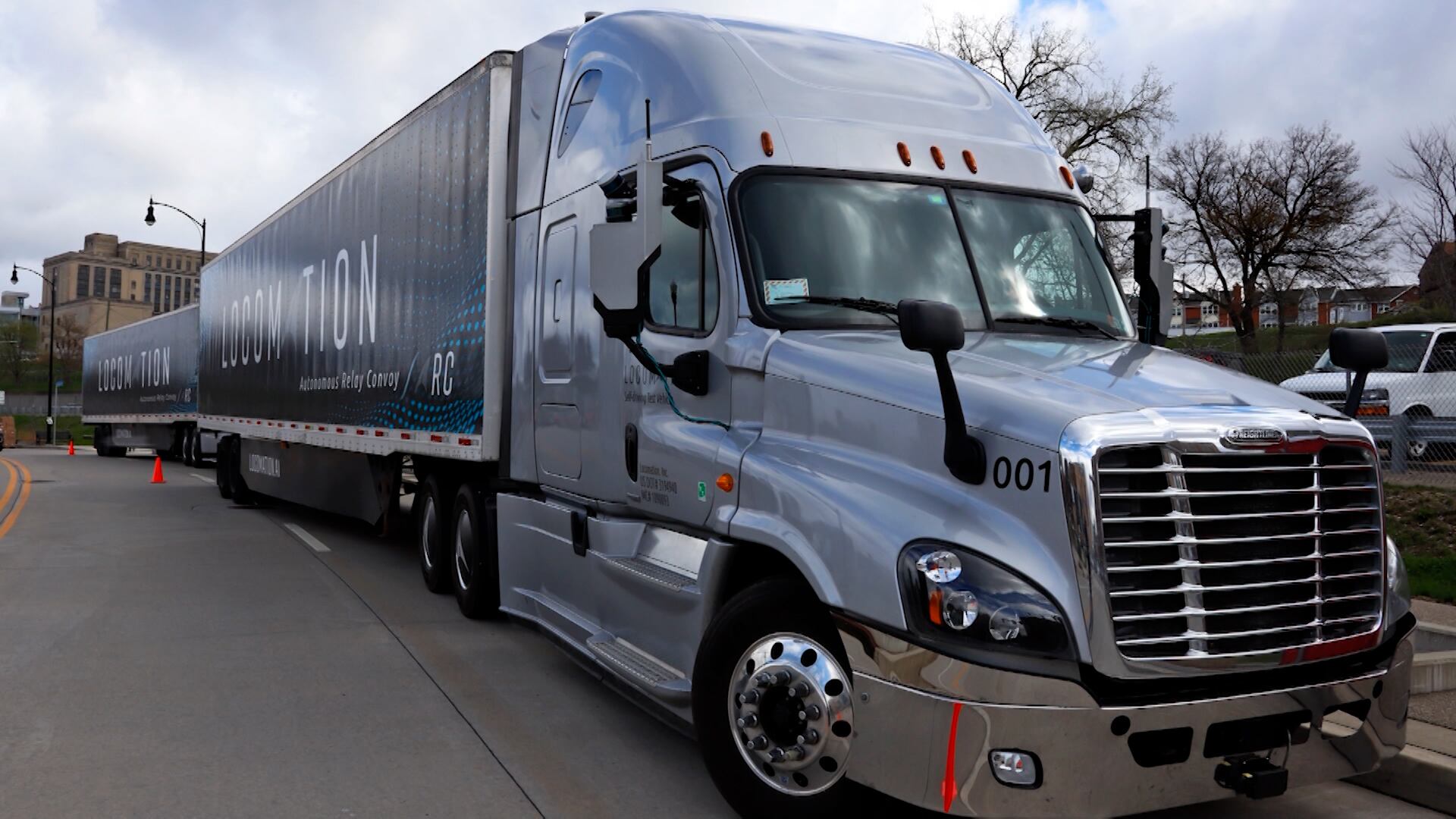
Ariel Wolf, general counsel for the Self-Driving Coalition, an industry group promoting autonomous vehicles, joined Cheddar to discuss the ongoing supply chain woes partially attributed to a lack of truck drivers. "Autonomous vehicle technology has the ability to partner with that ecosystem and help alleviate this immediate problem we have and solve the problem going forward," Wolf said. As for safety, Wolf sees a future where self-driving trucks could potentially be safer than human drivers.
Rishi Bharwani, the director of partnerships and policy for nonprofit Accountable Tech, joined Cheddar to discuss the hot button topic of regulatory oversight of social media giant Facebook. Bharwani discussed the bipartisan pieces of legislation already making their way through Congress and said the body should pass stronger data privacy laws, ban surveillance advertising, and require meaningful accountability and transparency from the company. "Now I think we've reached a boiling point where congressional action is needed and inaction is no longer acceptable," he said. Bharwani also called for a concurrent investigation into Mark Zuckerberg's company.
The United Nations COP26 climate talks are scheduled for October 31 to November 12 in Glasgow, Scotland. Heads of state will be joined by private sector leaders to once again discuss the shrinking window of time left to take action against global temperature rise. Barbara Humpton, CEO of focused technology company Siemens U.S., is also attending and spoke to Cheddar about what she hopes to see during the conference for both the public and private spheres. "What we are really urging is that there are large commitments made in Glasgow and that we really commit to this next decade of action," she said.
Hertz, the car rental giant, has placed an order for 100,000 Tesla Model 3s and sent Tesla's value soaring, pushing it into the $1 trillion club during the trading day Monday. Dan Ives, managing director of equity research for Wedbush, told Cheddar's 'Closing Bell', "It shows [electric vehicles] going to the mainstream." The move gives Hertz a leg up by differentiating itself from competitors and shows Tesla's dominance in the marketplace, He noted. And as for that trillion-dollar valuation? Ives said he could see it rising even higher down the road.
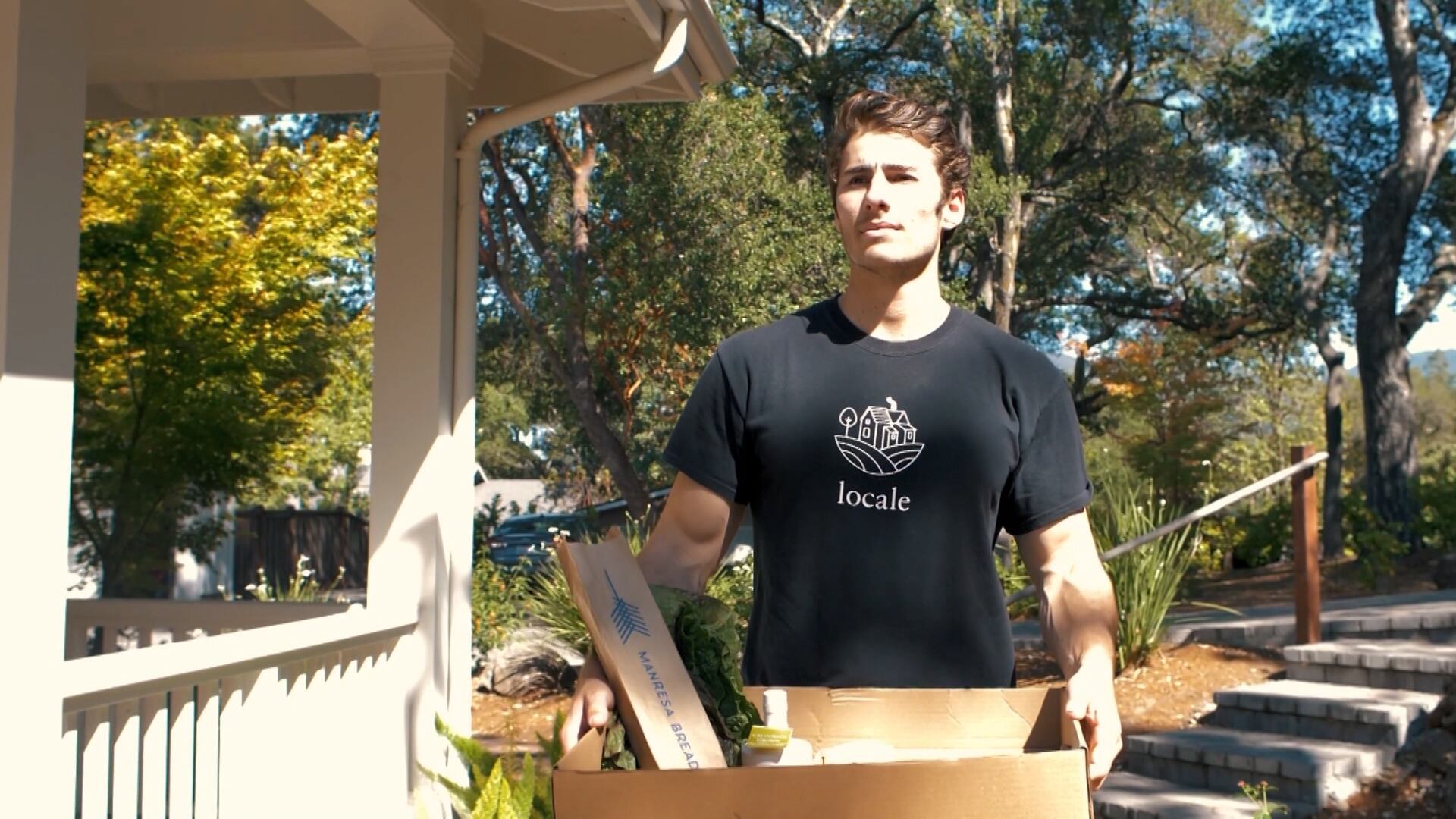
Jonathan Friedland, co-founder of Locale, joins Cheddar News to talk about how the company enables customers to order from dozens of business even if they live hours away.
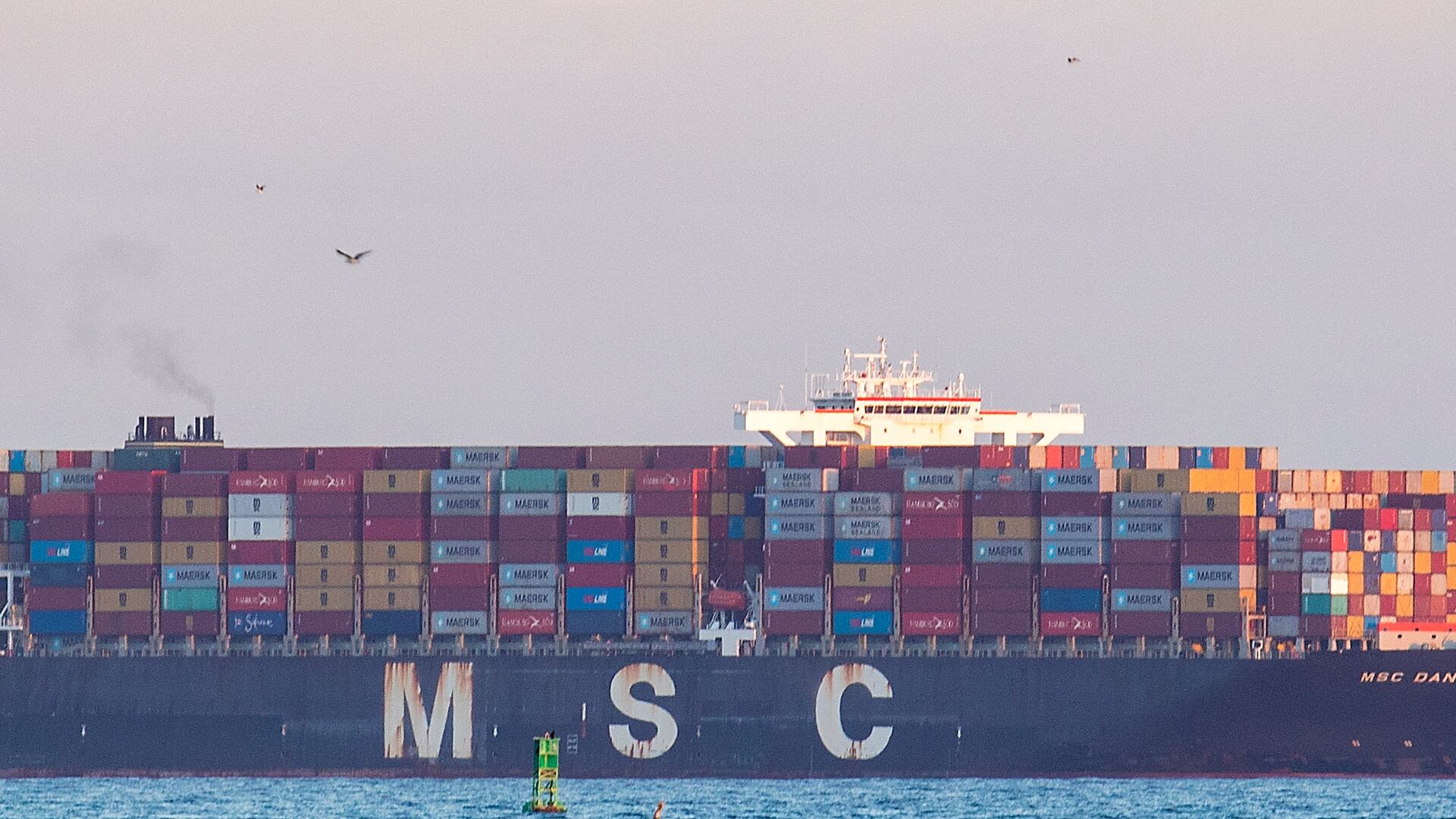
As we gear into the holiday season, several industries have expressed how the ongoing supply chain shortage continues to impact their business. According to one winery out in California, many wineries are having a difficult time moving their products all because of shipping and labor shortage issues. Senior Retail Reporter at the Insider Aine Cain, joined Cheddar to discuss more and how this issue may not be going away anytime soon.
The gaming industry is about to take center stage as the next dominant technology platform, according to a new report from the consulting firm Activate. The pandemic has accelerated gaming's popularity, with overall time spent gaming increasing by 29 percent. Michael J. Wolf, co-founder and CEO of Activate, joined Cheddar to discuss some of the key findings of the report and why he thinks video game platforms are the only ones that stand a chance of building the so-called metaverse.
Voyager, Nanoracks, and Lockheed Martin are all teaming up to develop the first-ever free-flying commercial space station with room for a crew of four astronauts. The private companies are joining forces as part of NASA’s greater mission to retire the International Space Station by the year 2030. The low-earth orbit space station will be called "Starlab," and is planned to achieve operational capability by 2027. Lisa Callahan, Vice President and General Manager of Commercial Civil Space at Lockheed Martin, and Matthew J. Kuta, President and Chief Operating Officer of Voyager Space, joined Cheddar’s Opening Bell.