The raging coronavirus will close the New York Stock Exchange's floor operations on Monday, after employees tested positive for the coronavirus. (Photo by Luiz Roberto Lima-ANB/Pacific Press/LightRocket via Getty Images)
Stocks around the world rallied Tuesday amid expectations that Congress is nearing a deal to pump nearly $2 trillion of aid into the coronavirus-ravaged economy.
Top congressional and White House officials said they expect to reach an agreement Tuesday, though some issues remain. Investors have been frustrated waiting for the U.S. government to do what it can to help the economy, which is increasingly shutting down by the day after the Federal Reserve has done nearly all it can.
Signs of optimism radiated around the world. Beyond the better than 5 percent gain for the S&P 500 within the first few minutes of trading, South Korean stocks surged 8.6 percent and Germany's market returned 7 percent. Treasury yields rose in a sign that investors are feeling less fearful. Even crude oil, which has more than halved this year, rose.
The market has seen rebounds like this before, only for them to wash out immediately. Since the market began selling off on Feb. 20, the S&P 500 has had six days where it's risen, and all but one of them were big gains of more than 4 percent. After every one of them, stocks fell again the next day.
Ultimately, investors say they need to see the number of new infections peak before markets can find a bottom. The increasing spread is forcing companies to park airplanes, shut hotels, and close restaurants to dine-in customers. Altogether, estimates suggest at least 10 percent of the U.S. economy is shutting down, according to Rob Sharpe, head of investments and group chief investment officer at T. Rowe Price.
The S&P 500 was up 5.4 percent, as of 9:43 a.m. Eastern time. The Dow Jones Industrial Average rose 1,130 points, or 6.1 percent, to 19,722 and the Nasdaq was up 4.9 percent.
Economists are topping each other's dire forecasts for how much the economy will shrink this spring due to the closures of businesses, and a growing number say a recession seems inevitable.
To support the economy while health experts work to corral the virus, the Federal Reserve on Monday pledged to buy as many Treasurys and mortgage-backed securities as it takes to keep lending markets working smoothly. It's the latest in a string of extraordinary moves by the U.S. central bank.
Investors are waiting for Congress and the White House to also do what they can. They debated through the weekend and Monday on a plan to send cash to households and help support the hard-hit travel industry, among other things.
Governments and central banks in other countries around the world are also unveiling unprecedented levels of support for their economies in an attempt to limit the scale of the upcoming virus-related slump. Germany, a bastion of budgetary discipline, also approved a big fiscal boost.
Markets rose even as more dismal data came in about the global economy.
"Everyone was prepared for a set of shockers, and that is precisely what we got, but they are not a surprise," said Chris Beauchamp, chief market analyst at IG. "It is at times like this that the market's propensity to look forward is demonstrated most effectively."
A further boost to sentiment has come from the news that China is preparing to lift the lockdown in Wuhan, the epicenter of the outbreak, and from Italy reporting a reduction in the number of new cases and coronavirus-related deaths.
"It's still early days, of course — perhaps investors can start to envisage life beyond the coronavirus," said Craig Erlam, senior market analyst at OANDA Europe. "That could make stocks look a little more attractive, although anyone jumping back in now will need to have nerves of steel."
For most people, the coronavirus causes only mild or moderate symptoms, such as fever and cough. Those with mild illness recover in about two weeks. Severe illness including pneumonia can occur, especially in the elderly and people with existing health problems. Recovery could take six weeks in such cases.
The Federal Reserve announced it would begin tapering asset purchases in mid-November and that it would keep interest rates low. Stocks hit a record high on the announcement. Dan Eye, Head of Asset Allocation & Equity Research at Fort Pitt Capital Group, joins Cheddar News' Closing Bell to discuss the Fed news, as well as Q3 earnings season.
Both the S&P 500 and Nasdaq hit new highs Thursday, with investors keeping an eye on strong economic data, and tech stocks boosting the Nasdaq. The Dow closed lower, but hovered near a record. Brandon Pizzurro, Director of Public Investments at GuideStone Capital Management, joins Cheddar News' Closing Bell to discuss today's close, Q3 earnings season so far, and 2022 outlook amid Fed announcements.
The largest car search platform in India, Cardekho, recently raised $250 million in what the company calls a pre-IPO round led by leapfrog investments. The funding bumps CarDekho above unicorn status with a $1.2 billion valuation. The company currently has a catalogue of more than 3,000 pre-owned cars for online purchases and hopes to expand with the new funding. Partner and co-head of South Asian investment for LeapFrog Stewart Langdon joins Cheddar News' Closing Bell to discuss.
E-scooter company Bird made its public debut on the New York Stock Exchange on Thursday. CFO Yibo Ling joined Cheddar to discuss what made the company launch a SPAC IPO now. Ling noted one of the deciding factors was the need to scale the business to help take "gas-guzzling cars off the road" by growing into more locations. "A large portion of our proceeds will go to fund expansion into these new geographies," he said.
Booking Holdings CEO Glenn Fogel joined Cheddar's "Closing Bell" to discuss the online travel company's Q3 earnings beat and the state of the travel industry. The earnings win was a sign that a sense of normalcy is slowly returning, according to Fogel, though he expressed disappointment in the Biden administration's delay allowing international vaccinated travelers into the country. He also predicted that elevated prices in areas like room bookings will remain high as travelers continue to pay more even as occupancy rates remain low.
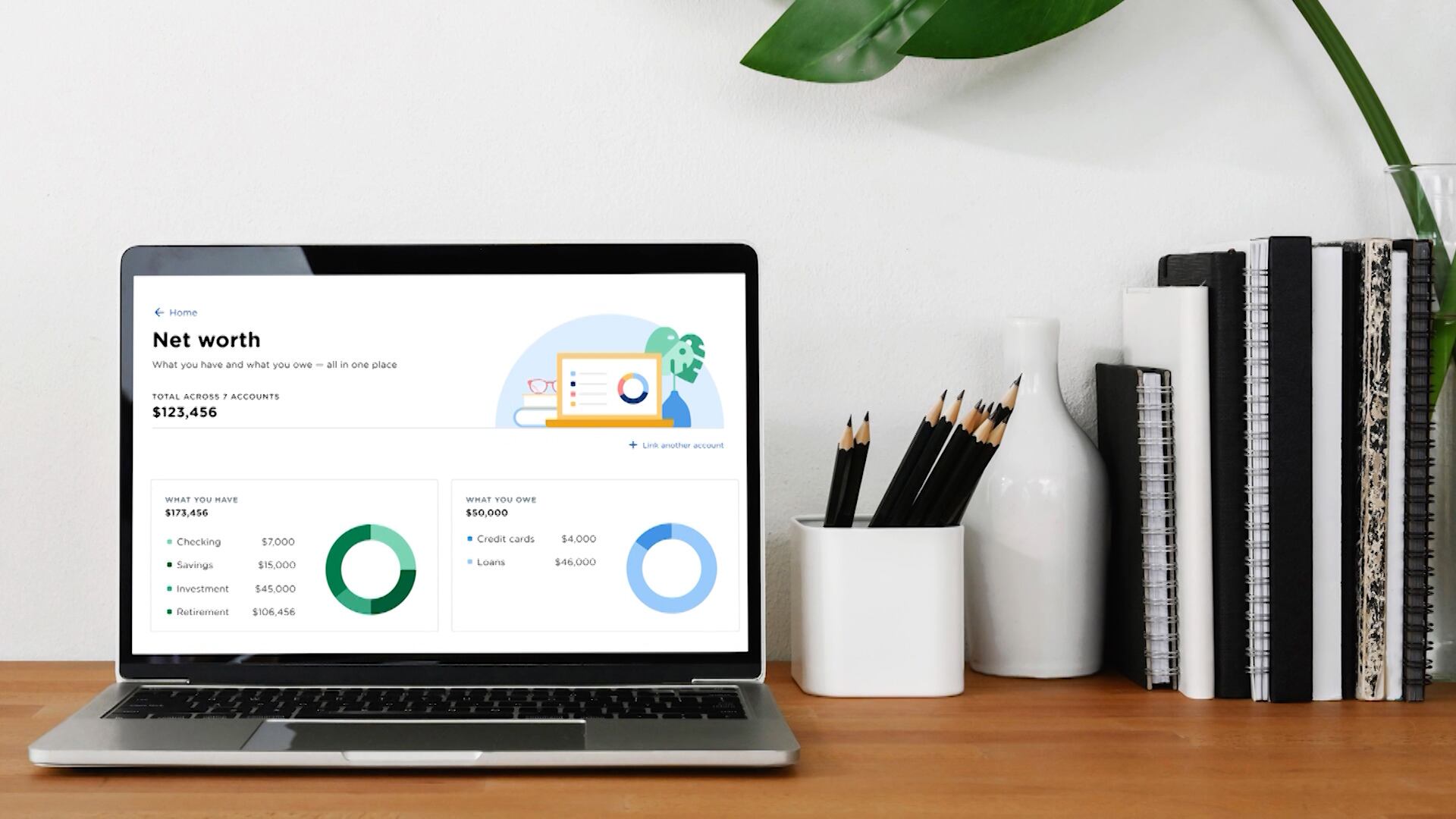
Fintech firm NerdWallet made its IPO debut on the Nasdaq on Thursday. CEO Tim Chen joined Cheddar to talk about the decision to tap the capital markets now and explained the company's revenue model by taking a cut from financial products like credit cards and loans sold through the site. Chen also talked about the firm's stance on cryptocurrencies, noting it advises people to only invest what they can afford to lose. (Updated November 5, 2021 to reflect that NerdWallet went public on Nasdaq, not NYSE.)
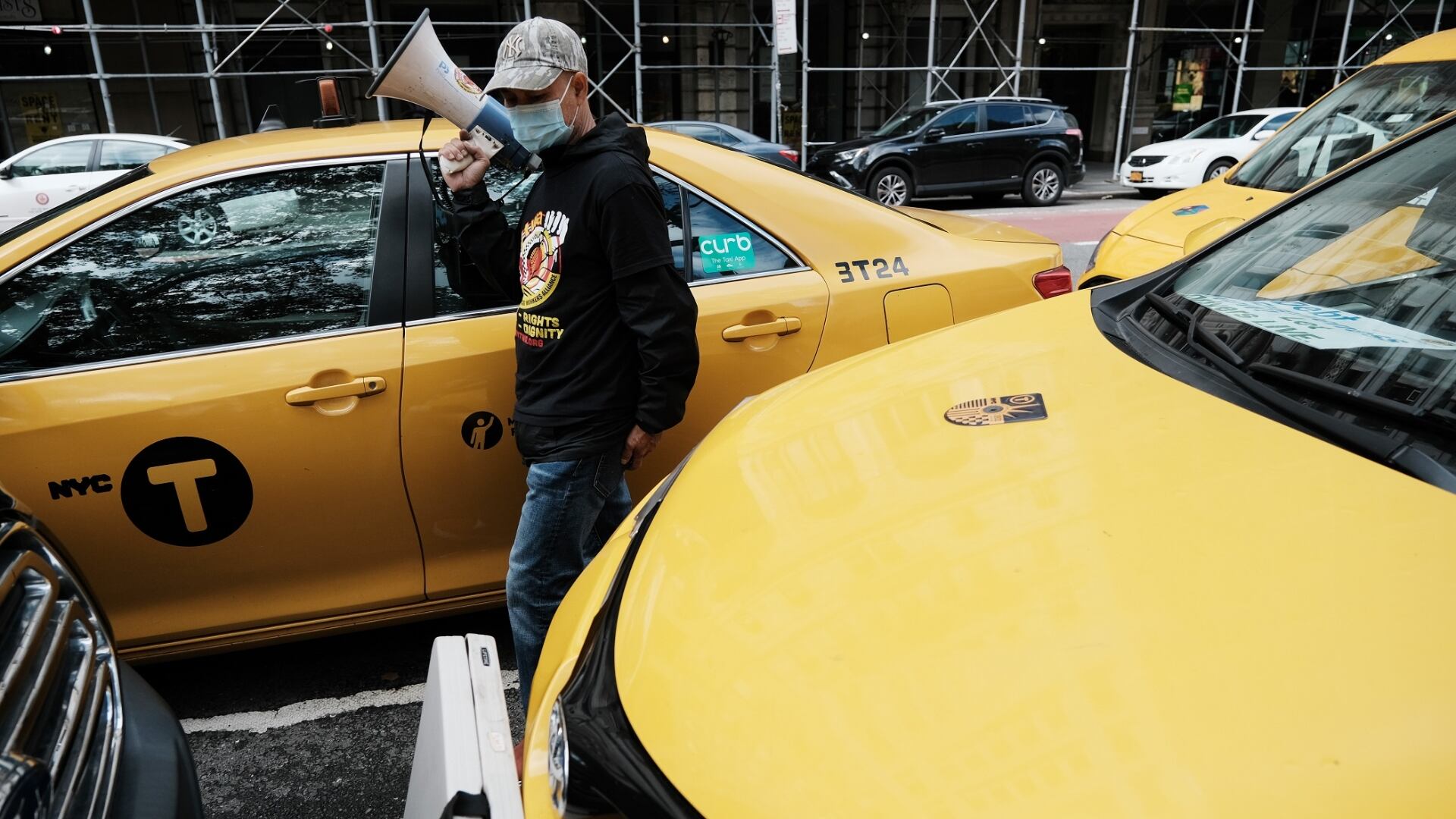
New York City taxi drivers won a major victory to slash the cost of money owed for taxi medallions. The announcement follows a two-week long hunger strike at City Hall by some drivers to demand debt relief.
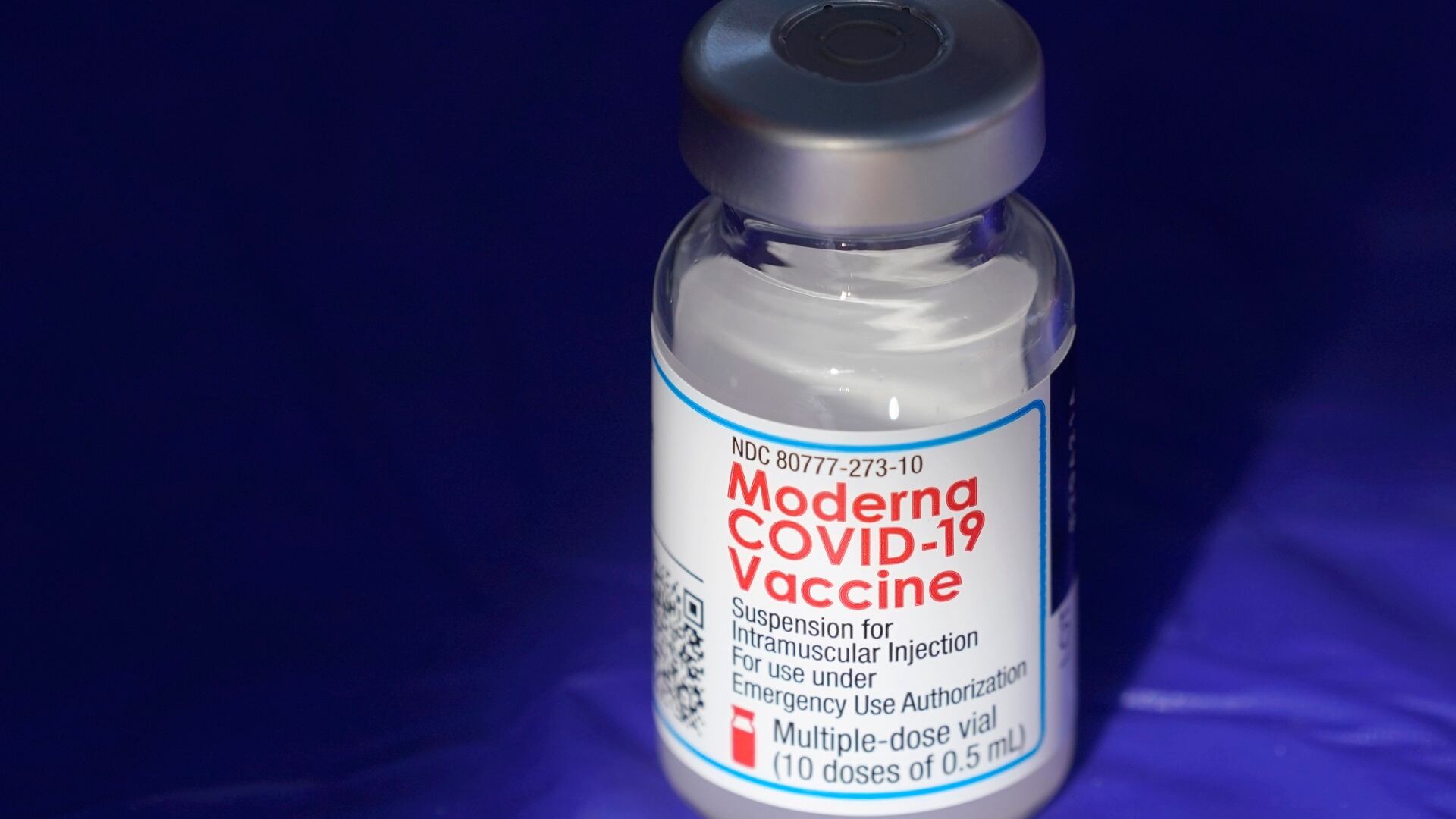
Moderna reported a massive miss on revenue in its Q3 earnings, taking in $5 billion versus the expected $6.21 billion despite sales of the COVID-19 vaccine. The pharmaceutical giant's stock dropped sharply on the news.
Joan E. Solsman, a senior reporter at CNET, joined Cheddar's "Opening Bell" to talk about Netflix moving to offer mobile video games for Android users as part of their subscription. She said this is likely one "baby step" for the streaming giant as it moves into the space. "You can see what Netflix wants to do eventually down the line is have these great ambitions to make their service be more than just passive TV, movies," she said. "They're moving more into merchandising, that they're moving more into in-person experiences. They're trying to broaden a way, which is a great thing to do when everyone keeps talking about metaverses."
CVS is working to become a major health care provider as the pharmacy chain adds doctors to its payroll, following a trend among pharmacies like Walgreens integrating more primary health care services.