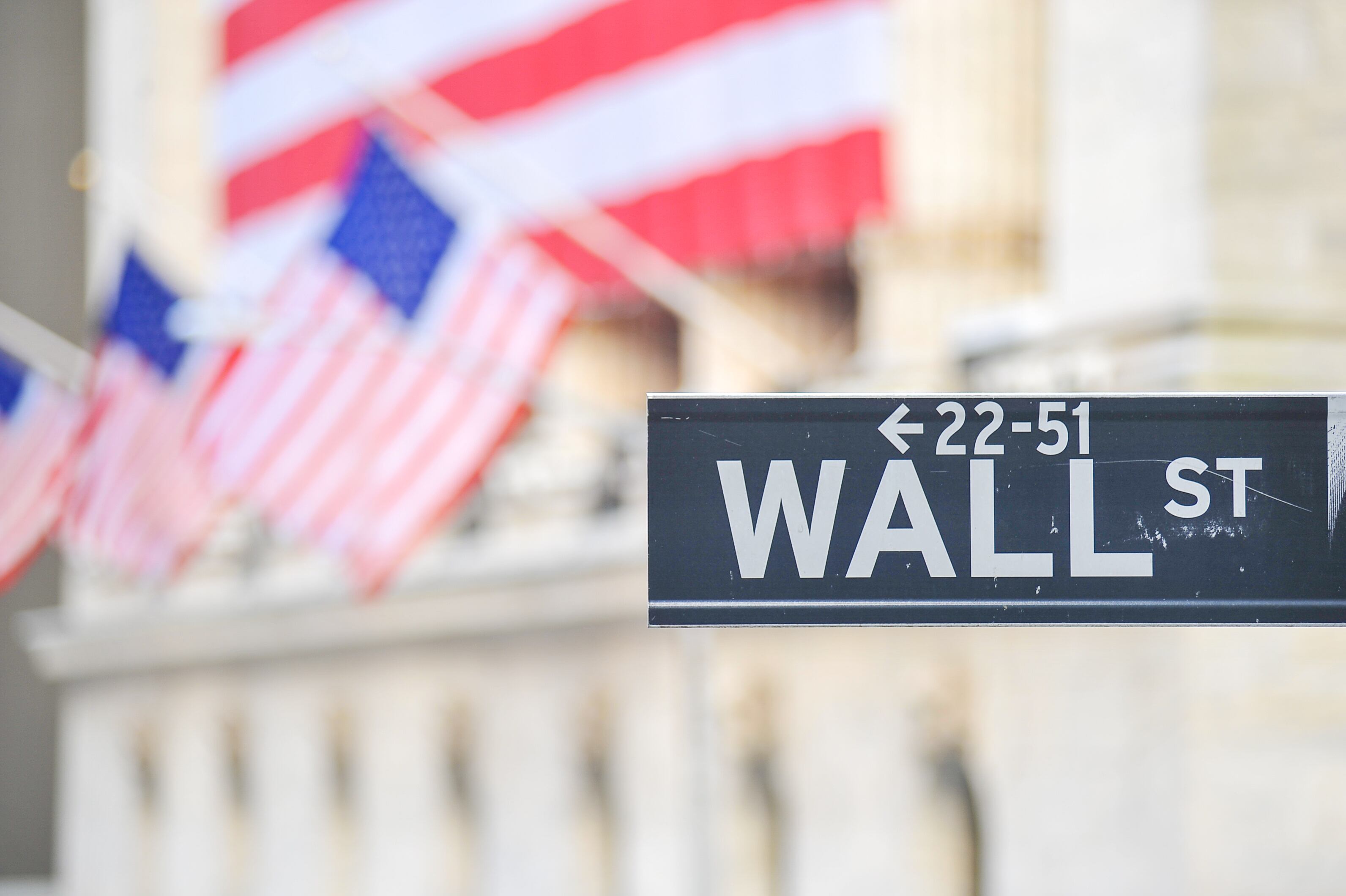
The raging coronavirus will close the New York Stock Exchange's floor operations on Monday, after employees tested positive for the coronavirus. (Photo by Luiz Roberto Lima-ANB/Pacific Press/LightRocket via Getty Images)
Stocks around the world rallied Tuesday amid expectations that Congress is nearing a deal to pump nearly $2 trillion of aid into the coronavirus-ravaged economy.
Top congressional and White House officials said they expect to reach an agreement Tuesday, though some issues remain. Investors have been frustrated waiting for the U.S. government to do what it can to help the economy, which is increasingly shutting down by the day after the Federal Reserve has done nearly all it can.
Signs of optimism radiated around the world. Beyond the better than 5 percent gain for the S&P 500 within the first few minutes of trading, South Korean stocks surged 8.6 percent and Germany's market returned 7 percent. Treasury yields rose in a sign that investors are feeling less fearful. Even crude oil, which has more than halved this year, rose.
The market has seen rebounds like this before, only for them to wash out immediately. Since the market began selling off on Feb. 20, the S&P 500 has had six days where it's risen, and all but one of them were big gains of more than 4 percent. After every one of them, stocks fell again the next day.
Ultimately, investors say they need to see the number of new infections peak before markets can find a bottom. The increasing spread is forcing companies to park airplanes, shut hotels, and close restaurants to dine-in customers. Altogether, estimates suggest at least 10 percent of the U.S. economy is shutting down, according to Rob Sharpe, head of investments and group chief investment officer at T. Rowe Price.
The S&P 500 was up 5.4 percent, as of 9:43 a.m. Eastern time. The Dow Jones Industrial Average rose 1,130 points, or 6.1 percent, to 19,722 and the Nasdaq was up 4.9 percent.
Economists are topping each other's dire forecasts for how much the economy will shrink this spring due to the closures of businesses, and a growing number say a recession seems inevitable.
To support the economy while health experts work to corral the virus, the Federal Reserve on Monday pledged to buy as many Treasurys and mortgage-backed securities as it takes to keep lending markets working smoothly. It's the latest in a string of extraordinary moves by the U.S. central bank.
Investors are waiting for Congress and the White House to also do what they can. They debated through the weekend and Monday on a plan to send cash to households and help support the hard-hit travel industry, among other things.
Governments and central banks in other countries around the world are also unveiling unprecedented levels of support for their economies in an attempt to limit the scale of the upcoming virus-related slump. Germany, a bastion of budgetary discipline, also approved a big fiscal boost.
Markets rose even as more dismal data came in about the global economy.
"Everyone was prepared for a set of shockers, and that is precisely what we got, but they are not a surprise," said Chris Beauchamp, chief market analyst at IG. "It is at times like this that the market's propensity to look forward is demonstrated most effectively."
A further boost to sentiment has come from the news that China is preparing to lift the lockdown in Wuhan, the epicenter of the outbreak, and from Italy reporting a reduction in the number of new cases and coronavirus-related deaths.
"It's still early days, of course — perhaps investors can start to envisage life beyond the coronavirus," said Craig Erlam, senior market analyst at OANDA Europe. "That could make stocks look a little more attractive, although anyone jumping back in now will need to have nerves of steel."
For most people, the coronavirus causes only mild or moderate symptoms, such as fever and cough. Those with mild illness recover in about two weeks. Severe illness including pneumonia can occur, especially in the elderly and people with existing health problems. Recovery could take six weeks in such cases.
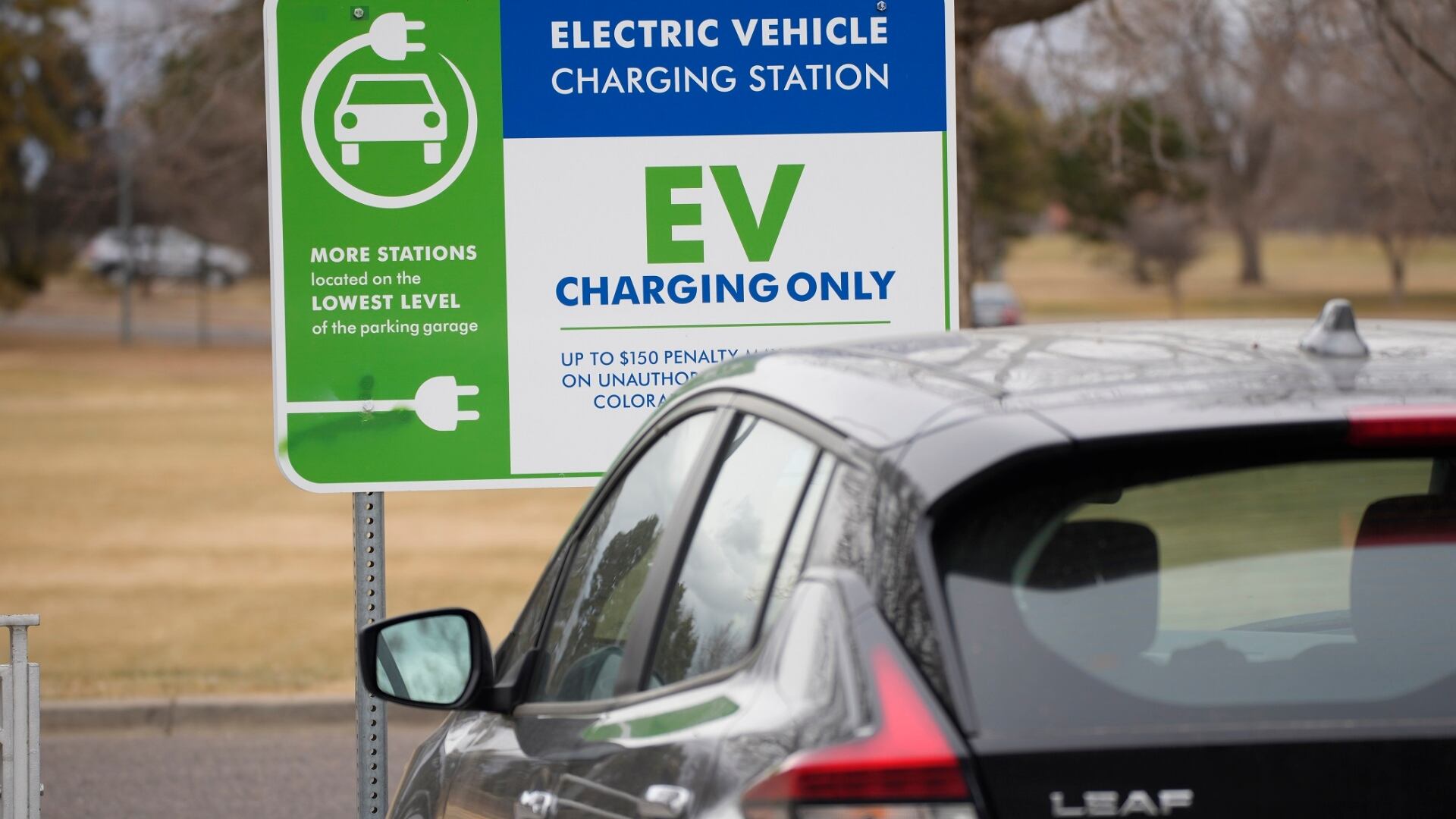
The federal government and numerous industries have been preparing for a greener future, setting goals to reduce greenhouse emissions by switching to electric vehicles. But the next hurdle to clear is convincing the wider public to get on board. Arun Kumar, managing director in automotive practice at AlixPartners, spoke to Cheddar's Ken Buffa about consumer trends related to EV transition and said he believes a widespread switch is imminent in 2022. Despite this, he acknowledged there are still significant obstacles to overcome, including high prices and more charging stations. "Without charging infrastructure, people are going to struggle with increasing adoption of electric vehicles in the future," Kumar told Cheddar. "I think by 2030 our estimate is that about a million chargers need to be put in place nationally in the U.S."
The pandemic has supercharged the creator economy, and there are no signs of it slowing down no matter when the pandemic officially ends. Creators prove to be a key factor in driving purchasing decisions and retail sales, and an increasing amount of platforms are taking advantage of the social influence. Karissa Bell, senior editor at Engadget, joins cheddar news to discuss the creator economy boom.
The National Women's Soccer League is partnering with Voyager Digital as its first-ever cryptocurrency brokerage in a multi-year deal. Marla Messing, interim CEO of the NWSL, and Steve Ehrlich, CEO of Voyager Digital, joined Cheddar to discuss benefitting the league and educating players and fans as a way of democratizing cryptocurrency. Messing explained that the players themselves will own half the assets as part of how the deal is structured. "My hope is, just in terms of the expectations of crypto over the long term, that I hope a lot of them are able to just let it sit there," she said. "And that one day this will be a nice retirement account for them."
Howard Lorber, chairman, president, and CEO of Douglas Elliman Inc., and Scott Durkin, CEO of Douglas Elliman Realty, joined Cheddar's "Opening Bell" to talk about the real estate brokerage company's recent IPO launch on the New York Stock Exchange following the spinoff of its tobacco subsidiary Vector Group. "There are many investors that cannot buy tobacco because of their mandates," said Lorber. "And therefore splitting off Douglas Elliman the real estate, and there's a lot of people looking for real estate investments, so they'll be able to buy Douglas Elliman, and those that want tobacco can buy Vector alone." The pair also discuss the future of New York real estate and the auxiliary business the property broker sees as growth prospects.
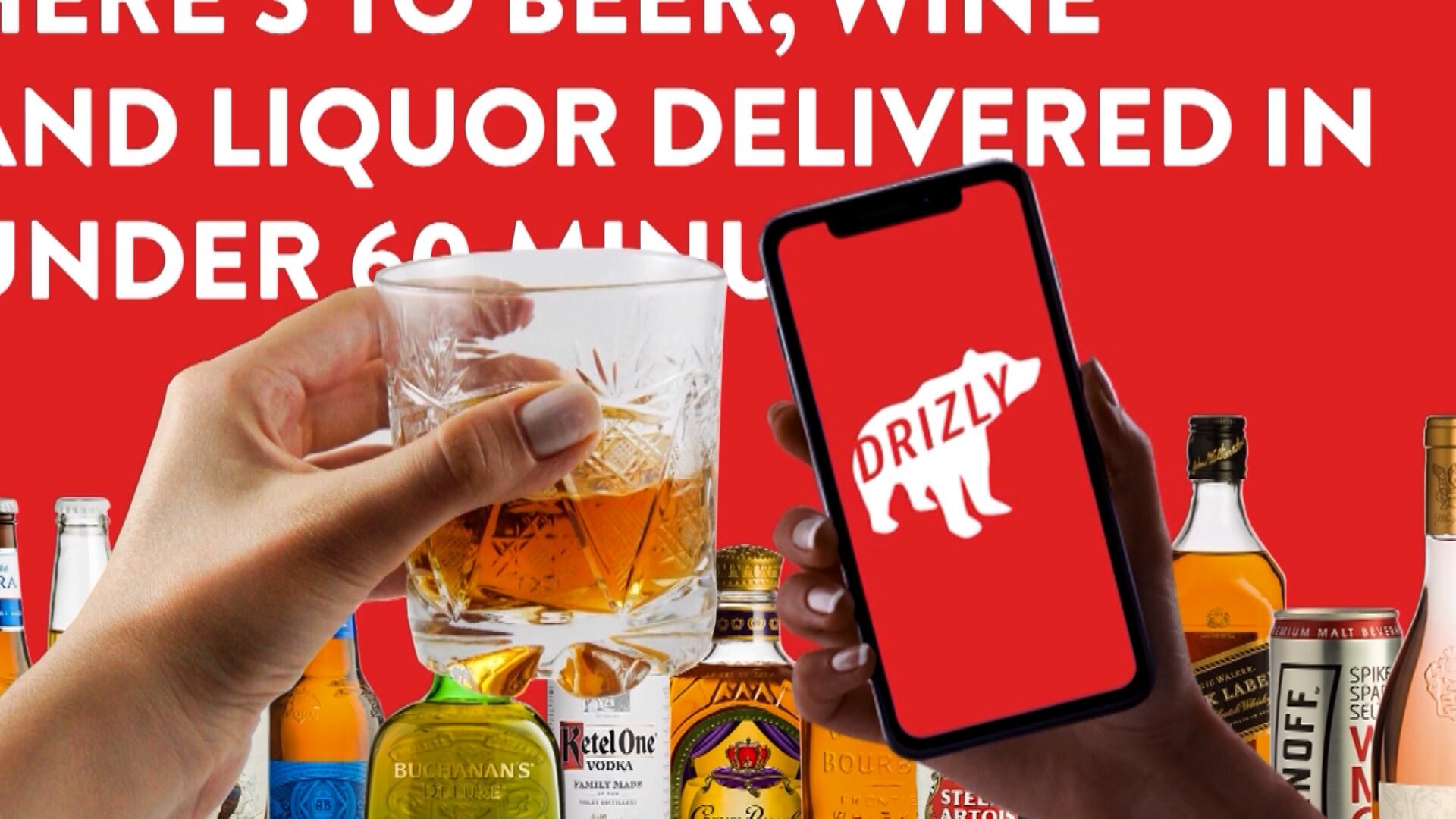
Despite a champagne shortage ahead of New Year's Eve, adult beverage retailers are staying optimistic about 2022. Cathy Lewenberg, COO at online alcoholic beverages platform Drizly, joined Cheddar to talk about the sunny outlook for next year and the current state of the industry. She noted a 20 percent higher demand for champagne year-over-year has led to the holiday's shortfall and that the spirit category is continuing to thrive with tequila on pace to outsell vodka for the first time. "Tequila has just been on fire on our platform. It's grown 13 percent in share on our platform over the last couple of years where vodka obviously had been the leader," she said. "Tequila is the top thing in addition to bourbon that retailers are looking to give more shelf space to in 2022."
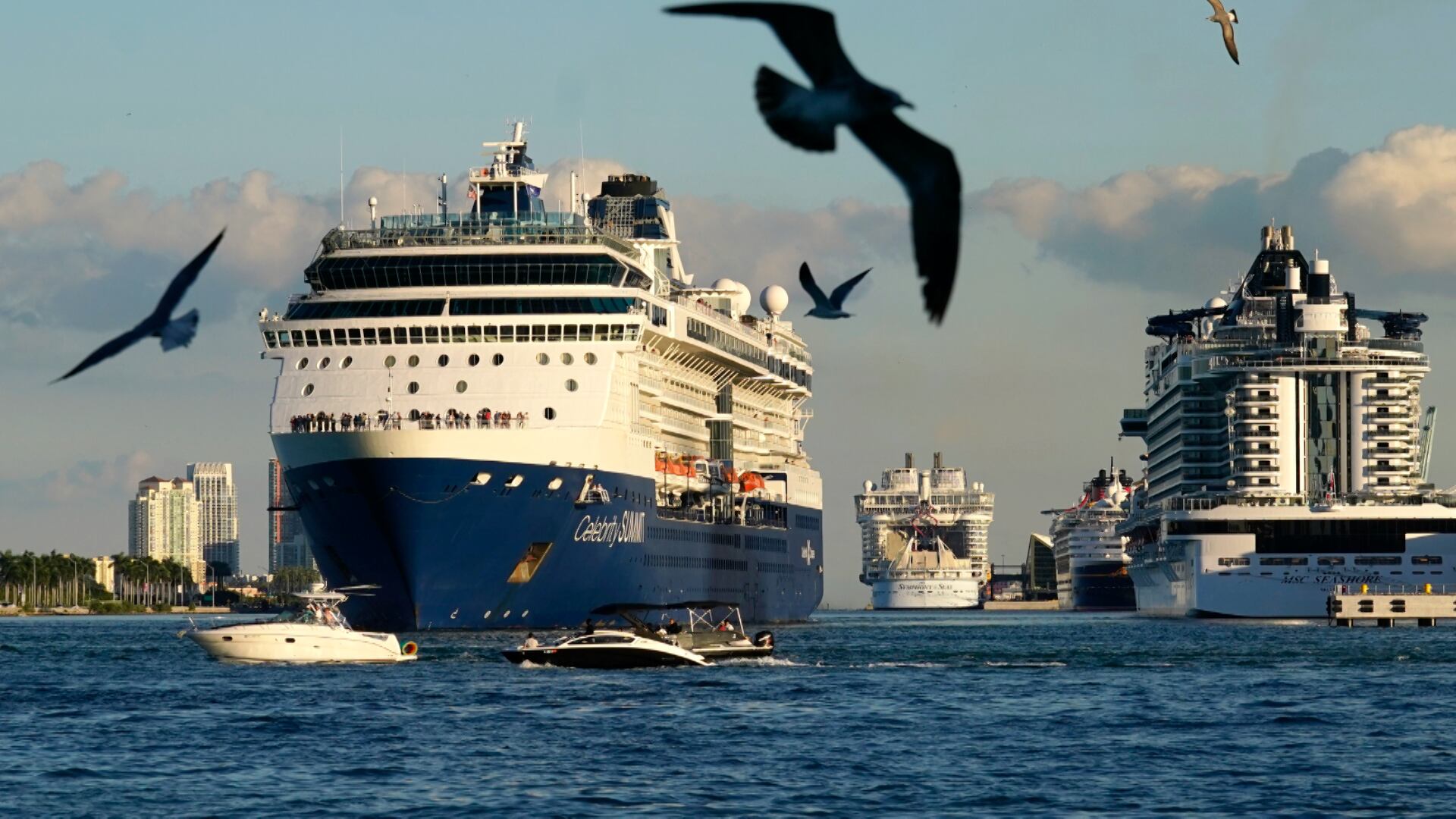
Travel expert Francesca Page joined Cheddar's Baker Machado to break down how the omicron-fueled COVID-19 surge of cases on cruise ships is impacting the industry, as the CDC is actively monitoring at least 92 ships for outbreaks. Page also talked about the upcoming expiration of the CDC's conditional sailing order mandating mask-wearing and addressed passenger concerns. "Everyone is asking, financially, should I cancel my cruise should COVID surges keep going, which it looks they are, and to a large degree I think that decision is very personal and is based on one's own risk tolerance," she said.