By Damian J. Troise and Alex Veiga
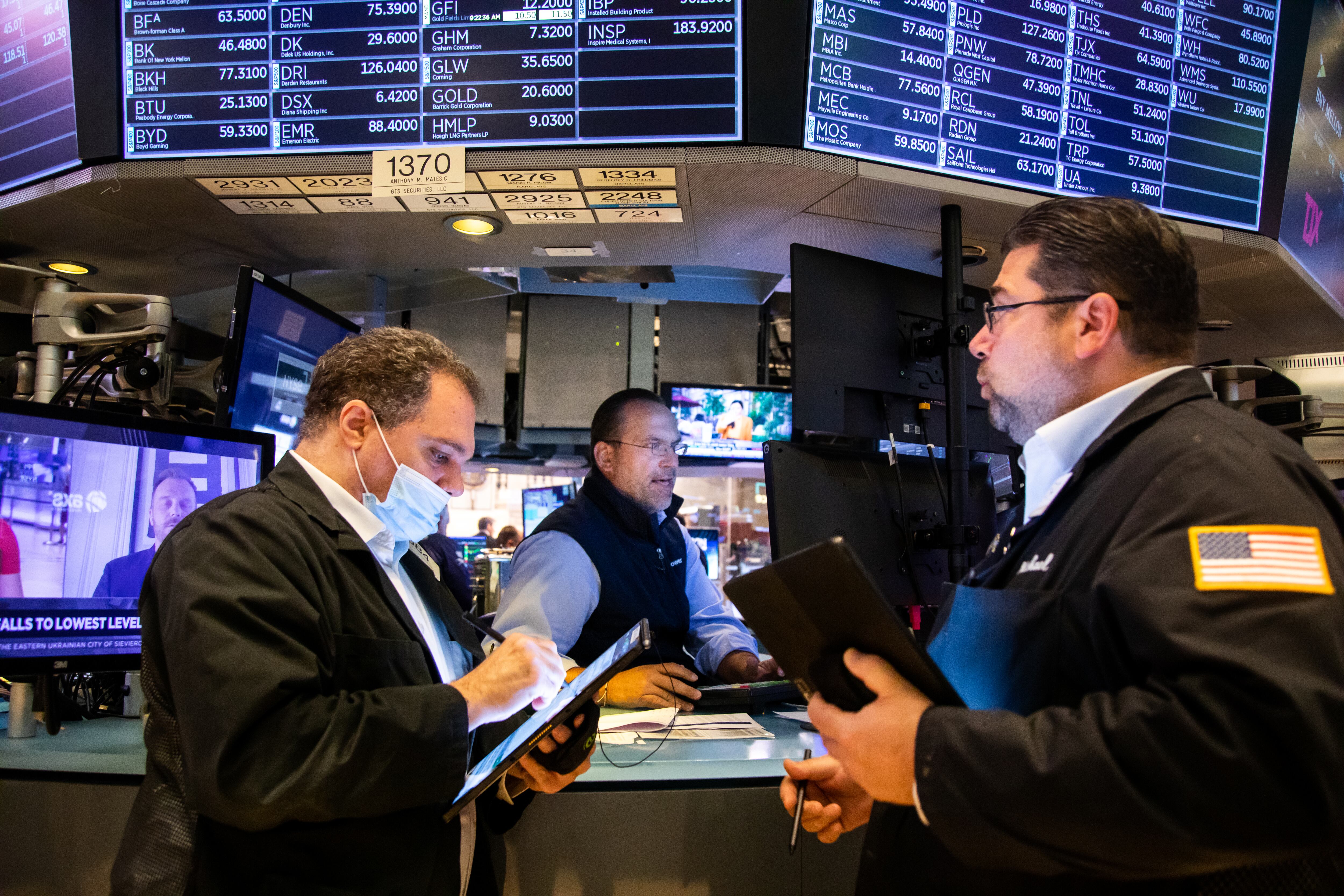
Stocks notched broad gains on Wall Street Monday, clawing back some of their losses following the market's worst weekly loss since October.
The S&P 500 rose 1.6%. The benchmark index was coming off a 3.3% slide last week, when volatility spiked as online traders hoping to inflict damage on hedge funds fueled a frenzy in GameStop and a few other stocks.
Investors large and small continued to focus those stocks Monday, and GameStop slumped 30.8% to $225 a share, the latest rocky ride for the stock, which ended last year at about $18.
Meanwhile, the price of silver jumped at one point to its highest level in eight years. Analysts said the precious metal became another target for online investors seeking to go up against big Wall Street players.
A measure of fear in the market, the VIX, fell Monday, suggesting some of last week's market jitters were easing, said Pauline Bell, analyst at CFRA Research.
“Today the market is sensing that the heightened volatility that we saw over the last week is reverting to a more settled type of volume,” Bell said. “The market is sensing the return to normalcy.”
The S&P 500 gained 59.62 points to 3,773.86. The Dow Jones Industrial Average rose 229.29 points, or 0.8%, to 30,211.91. The Nasdaq composite climbed 332.70 points, or 2.6%, to 13,403.39.
The gains were broad, with technology companies leading the way higher. Communication stocks and a variety of companies that rely on direct consumer spending such as Starbucks and AutoZone also helped lift the market.
Smaller companies also notched solid gains. The Russell 2000 index of small-cap stocks picked up 52.52 points, or 2.5%, to 2,126.16.
Monday's steep drop in GameStop echoed what has become a typical move for a company that has regularly seen double-digit swings most of the last two weeks. Trading of the retailer was still limited on trading platforms like Robinhood.
Silver for March delivery rose $2.50, or 9%, to settle at $29.42 an ounce. Some analysts called the price jump the latest assault by the smaller investors who sent GameStop soaring recently. But many of those same traders instead called it a trap set by hedge funds to divert their attention away from GameStop, as the saga captivating Wall Street gets even more dramatic.
While volatility eased Monday, analysts said the market is likely to remain choppy as small investors continue to play a bigger role in stock trading than they have in the past.
“Definitely having easy access to information, encouragement on social media and a very easy trading experience has gotten more people involved,” said Sunitha Thomas, national portfolio advisor at Northern Trust Wealth Management. “All of that combined is going to lead to more volatility as investors with a shorter outlook are a bigger part of the daily trading volume.”
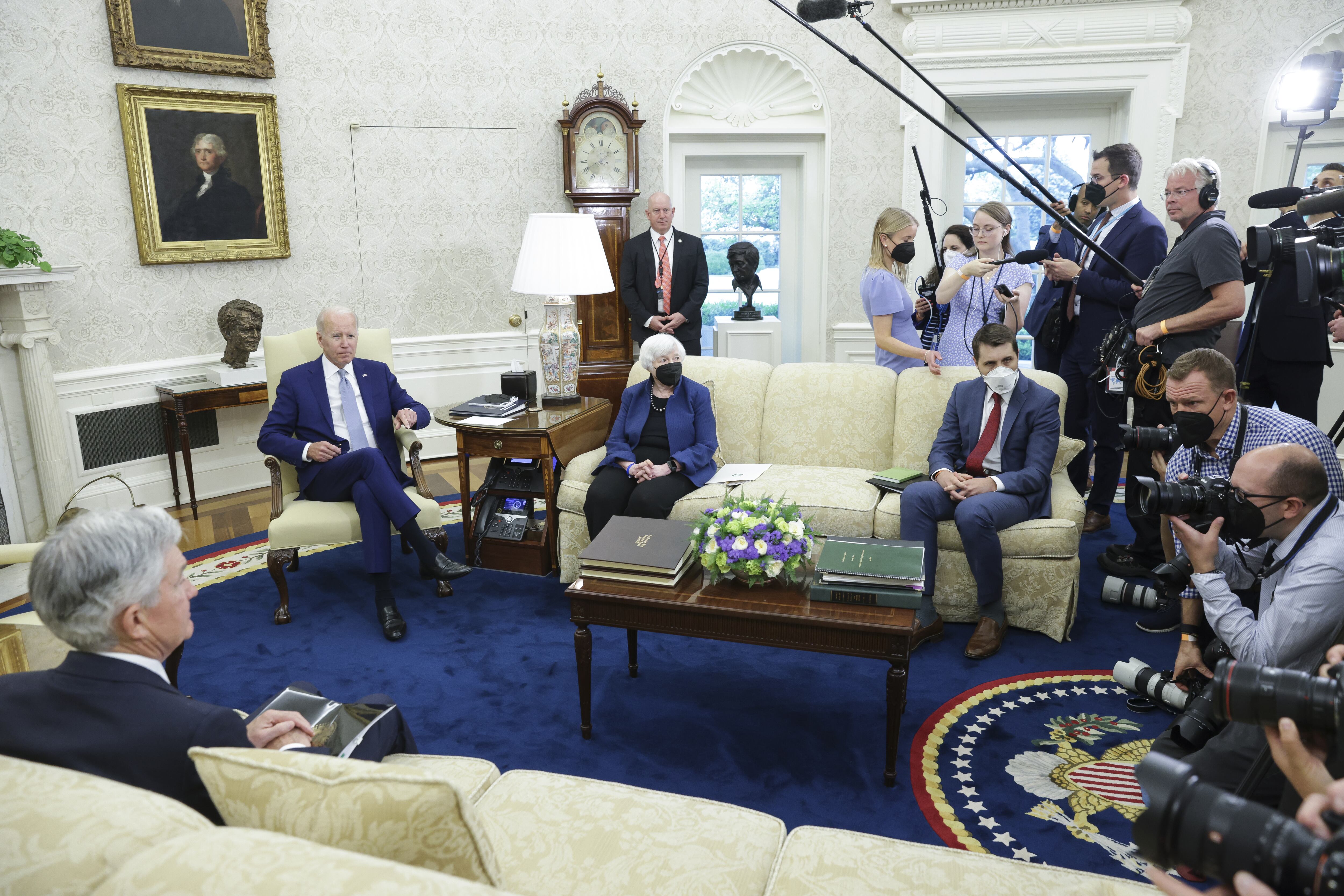
Investors are watching negotiations in Washington over President Joe Biden’s proposed $1.9 trillion economic aid package. Hopes for aid, along with the Federal Reserve’s pledge to keep low-cost credit plentiful, have carried the S&P 500 and other major indexes to record highs.
“Ultimately, what’s going to drive this recovery is consumer spending coming back,” Thomas said.
Investors bid up stocks heading into 2021 in expectation the rollout of coronavirus vaccines would allow global business and travel to return to normal. That optimism has been dented recently by new infection spikes and disruptions in vaccine deliveries.
Markets were rattled last week by AstraZeneca’s announcement it would supply the European Union with fewer than half the promised doses, which prompted the EU to impose export controls. On Sunday, AstraZeneca promised to increase European supplies and start delivery earlier. This helped boost shares of European companies on Monday. Germany's DAX rose 1.4%, France's CAC-40 gained 1.2% and the U.K.'s FTSE-100 added 0.9%.
The yield on the 10-year Treasury rose to 1.08% from 1.07% late Friday.
Updated on February 1, 2021, at 5:17 p.m. ET.