By Damian J. Troise and Alex Veiga
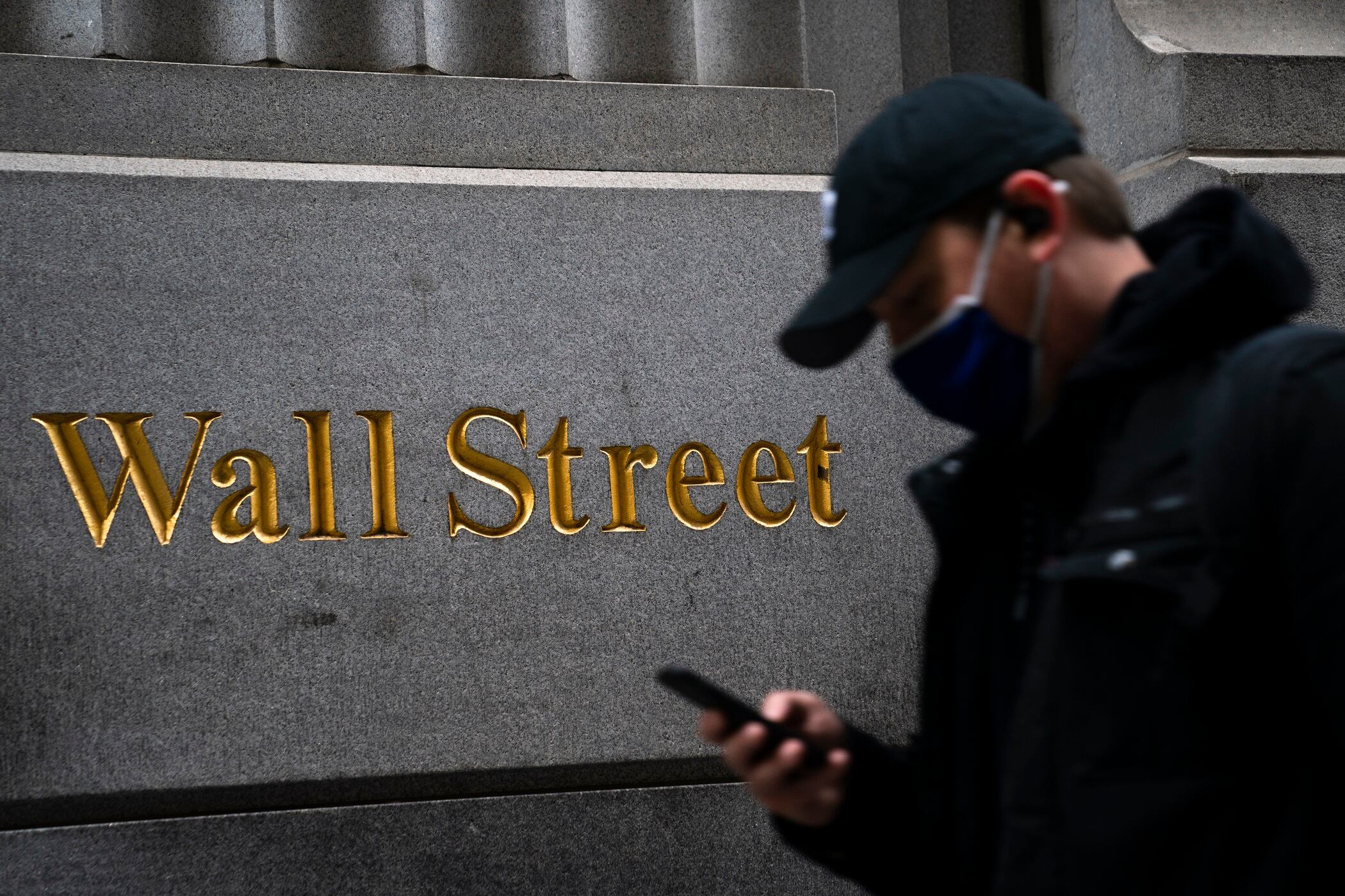
Energy and technology companies led stocks broadly higher on Wall Street Tuesday, ending the market's three-day losing streak.
The S&P 500 rose 1.8%, more than making up for the ground it lost a day earlier. The tech-heavy Nasdaq rose 2.4%, while the Dow Jones Industrial Average gained 1.6%.
Small-company stocks rose even more than the rest of the market, a signal that investors were feeling a more optimistic about the economy. The Russell 2000 rose 2.9%.
The rapidly spreading omicron variant of the COVID-19 virus has been weighing on the market in recent weeks, adding to concerns about how the pandemic, rising inflation and persistent global supply chain issues will affect the economy.
Tuesday's gains marked a reversal for the market after its recent pullback, but it doesn't necessarily mean investors are now in a buying mood.
“The market was oversold, and so it got like a stretched rubber band and we had a sharp snapback today,” said Sam Stovall, chief investment strategist at CFRA. “I need to see follow-through. We could just as easily see a giveback of some of these gains tomorrow."
The S&P 500 rose 81.21 points to 4,649.23. The benchmark index is within 1.4% of the all-time high it set Dec. 10.
The Dow climbed 560.54 points to 35,492.70. Nike, one of the 30 stocks in the blue chip index jumped 6.1% after turning in strong quarterly results.
The Nasdaq rose 360.14 points to 15,341.09 and the Russell 2000 gained 63.07 points to 2,202.95. Nearly five stocks rose for every one that fell on the New York Stock Exchange.
The gains follow several weak days for major indexes as investors assess the impact from skyrocketing omicron cases. Nations in Europe and Asia have implemented a variety of restrictions aimed at curtailing the spread and that has investors worried about the impact to the global economy.
The latest coronavirus wave adds to lingering worries about rising inflation’s impact on economic growth. Supply chain shortages and higher raw material costs have been hitting businesses, which have passed the higher costs off to consumers. U.S. consumer prices rose 6.8% in November from a year earlier, which marks the fastest rise in inflation in nearly four decades.
Rising inflation has also prompted the Federal Reserve to hasten its withdrawal of aid to the markets and economy and put interest rate increases on the radar for investors in 2022. The prospect of higher interest rates has added some choppiness to the broader market as investors shift money around, particularly from high-value technology stocks.
“We’re not out of the woods yet and we’re likely going to see more volatility through the end of the year,” said Megan Horneman, director of portfolio strategy at Verdence Capital Advisors.
About 85% of the stocks in the S&P 500 rose. Technology companies accounted for a big share of the gains. Citrix Systems climbed 13.6% for the biggest gain in the index. Micron Technology jumped 10.5% after the chipmaker gave investors an encouraging profit forecast.
A mix of retailers. restaurant chains and other companies that rely on consumer spending also notched solid gains. Tesla climbed 4.3%, Amazon.com rose 2% and Starbucks rose 2.1%.
Bank stocks got help from rising bond yields. The yield on the 10-year Treasury rose to 1.47% from 1.42% late Monday. Citigroup gained 1.9%.
U.S. crude oil prices rose 4.2% and helped send energy stocks higher. Chevron rose 1.6%.
Updated on December 21, 2021, at 4:58 p.m. ET.