By Damian J. Troise and Alex Veiga
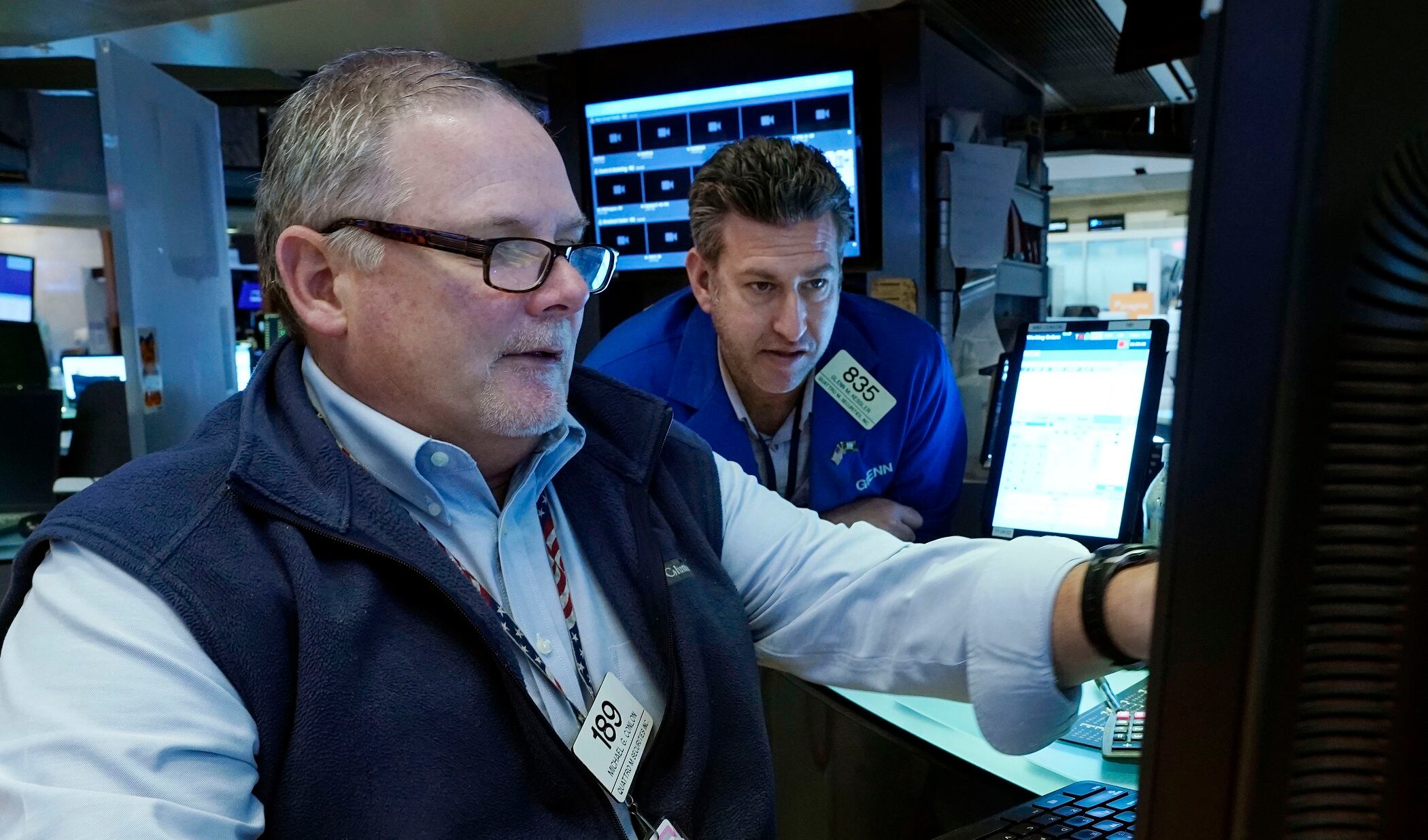
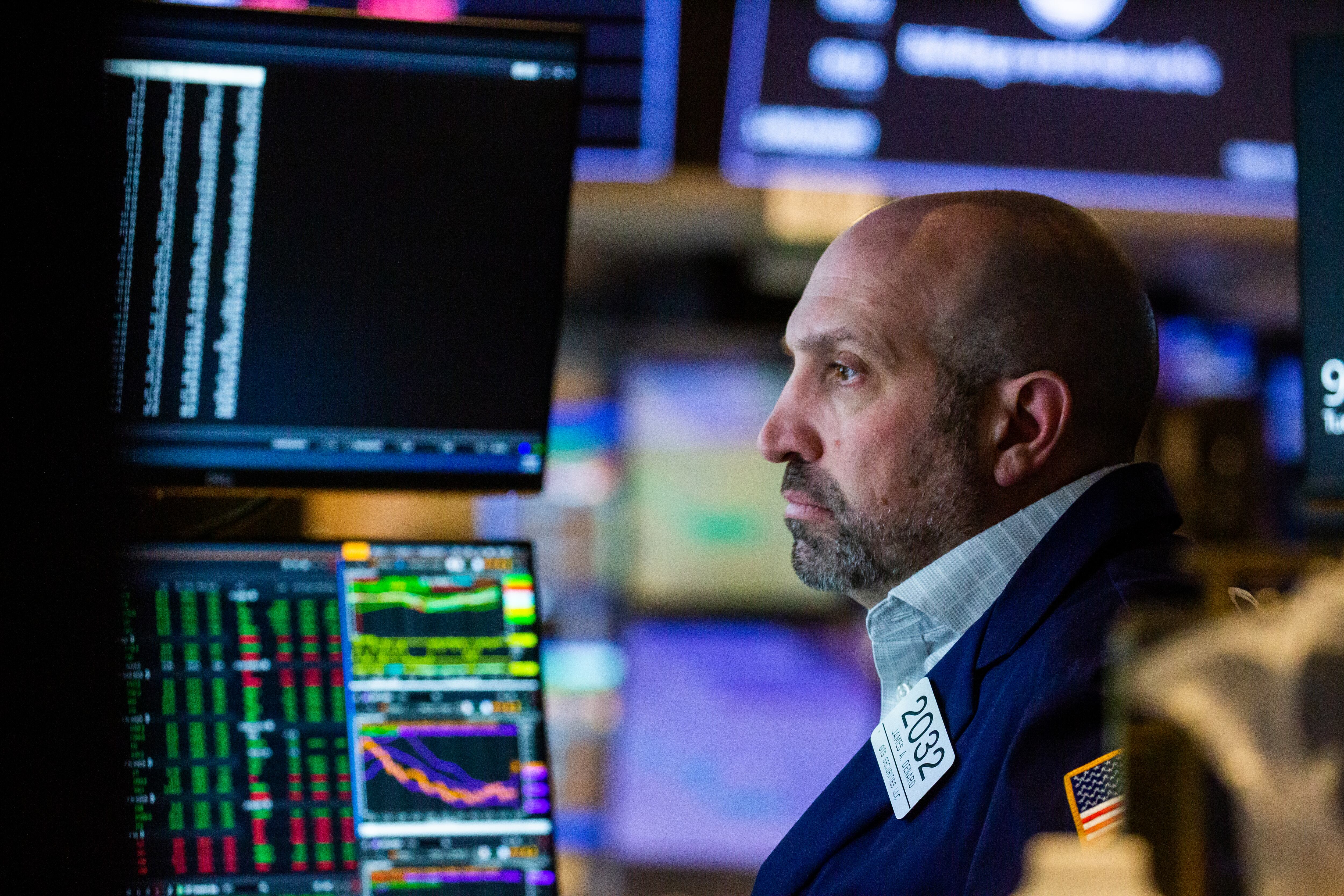
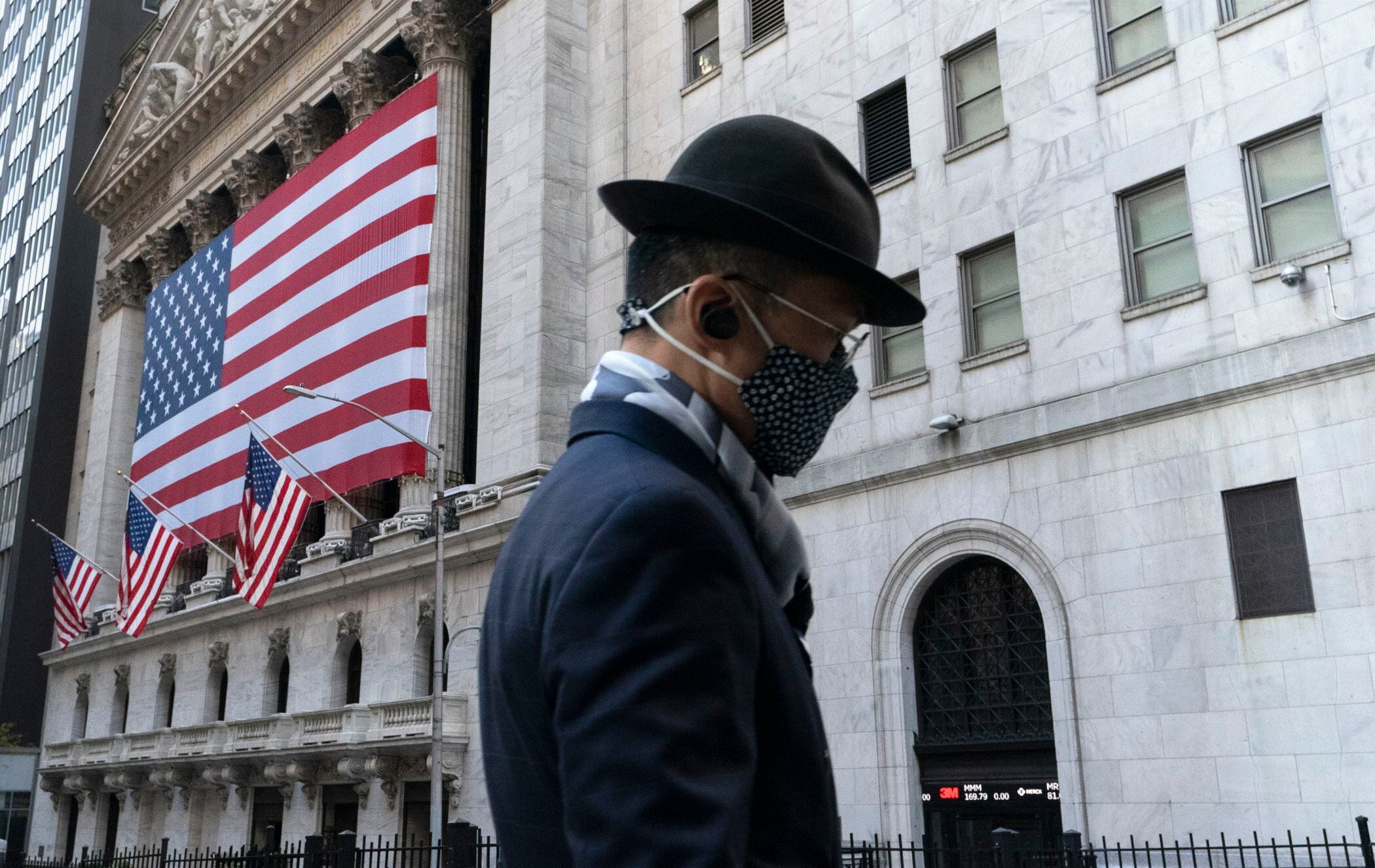
Stocks shook off a sluggish start to finish with modest gains Wednesday, nudging the S&P 500 index to an all-time high for the second straight day.
The benchmark index rose 0.2% after spending much of the day drifting between small gains and losses. About 54% of the stocks in the index rose, with communications, financial and health care companies driving the bulk of the gains. A pullback in technology stocks, companies that rely on consumer spending and elsewhere kept the market's gains in check.
Treasury yields continued to head mostly higher, a sign of growing confidence in the outlook for the economy. That confidence has also been pushing stocks higher in recent weeks as traders hope coronavirus vaccines will start driving a stronger economic recovery. Investors were not deterred by new data Wednesday showing that hiring by U.S. companies slowed last month.
“The biggest thing about the market that we’ve seen the last couple of weeks is (investors) keep trying to sell it, and it still hangs in there,” said J.J. Kinahan, chief strategist at TD Ameritrade.
The S&P 500 rose 6.56 points to 3,669.01. The index is now up about 13.6% for the year. The Dow Jones Industrial Average gained 59.87 points, or 0.2%, to 29,883.79. The tech-heavy Nasdaq composite, which also opened the month with a new record, slipped 5.74 points, or 0.1%, to 12,349.37.
Stocks have been ramping higher in recent weeks as drugmakers make steady progress in developing coronavirus vaccines. The rollout of a vaccine in the U.S. could begin this month, if regulators give their approval.
Pfizer shares rose 3.5% after the drugmaker and BioNTech said they won permission for emergency use of their COVID-19 vaccine in Britain. The vaccine is the world’s first coronavirus shot that’s backed by rigorous science and a major step toward eventually ending the pandemic. The move makes Britain one of the first countries to begin vaccinating its population against the virus. The companies have already asked for approval to begin vaccinations in the U.S. in December.
Moderna is also asking U.S. and European regulators to allow emergency use of its COVID-19 vaccine. Its shares rose 1.4%.
Optimism about vaccine developments have tempered lingering concerns over rising virus cases in the U.S., though worries persist about the economic fallout from new government restrictions on businesses aimed at limiting the spread.
“My farther-out fear for the market is once this vaccine starts to roll out, will it be able to meet these amazing expectations people have for everything getting back to normal?” Kinahan said.
Unemployment remains high as the COVID-19 outbreak widens the gulf between average people and the wealthiest Americans. Payroll processor ADP said Wednesday that its latest survey of private U.S. employers shows they added 307,000 jobs last month. That fell short of Wall Street analysts’ expectations for a gain of 405,000 jobs, according to FactSet.
The report precedes a broader jobs survey from the Labor Department due out Friday. Economists are forecasting that will show employers added about 441,000 jobs in November, down from a gain of 638,000 in October.
Meanwhile, traders are holding out hope that Democrats and Republicans may reach a deal on some amount of economic stimulus for the economy before 2021, though the parties remain divided on the details and the cost.
The Federal Reserve's latest survey of business conditions around the U.S. found economic activity has slowed in some parts of the country as amid a surge in new coronavirus cases. On Wednesday, Federal Reserve Chairman Jerome Powell and Treasury Secretary Steven Mnuchin told lawmakers during a House Financial Services Committee hearing that Congress needs to approve COVID-19 relief funds without further delay.
However, it's looks like most lawmakers are willing to wait until after President-elect Joe Biden takes office, said Ross Mayfield, investment strategy analyst at Baird.
“The problem is, by that point you’re going to have six to 10 more weeks of economic damage,” he said.
Technology stocks, which have been leading the market higher since the pandemic started wreaking havoc on the global economy, helped limit the market's gains Wednesday. Salesforce.com was the biggest decliner in the S&P 500, tumbling 8.5%, after announcing a deal late Tuesday to buy messaging platform Slack for $27.7 billion. Microsoft slipped 0.4%.
Lyft climbed 9.6% after the ride-hailing company posted a smaller loss this quarter and better margins. The news helped boost rival Uber Technologies up 7%.
Treasury yields headed higher, giving banks a boost because they allow them to charge more lucrative interest rates on loans. The yield on the 10-year Treasury rose to 0.96% from 0.92% late Tuesday. JPMorgan Chase rose 1.9% and Citigroup gained 3.1%.
Germany's DAX shed 0.5% and France's CAC 40 was flat. In Britain, the FTSE 100 rose 1.2%. Markets in Asia were mixed.
Updated on December 2, 2020, at 5:21 p.m. ET.