By Stan Choe, Damian J. Troise, and Alex Veiga
A late slide in several Big Tech stocks left major indexes lower on Wall Street, even as small-company stocks marched to another record high. The S&P 500 turned lower in the last hour of trading to wind up with a loss of 0.4% Thursday. The benchmark index was weighed down by losses in Apple, Microsoft and other huge tech companies. Small-company stocks continued to rally, a sign that investors are feeling more optimistic about the economy. Treasury yields also rose. Investors are waiting to hear from President-elect Joe Biden, who’s expected to detail his plan bolster the economy in a speech later Thursday.
THIS IS A BREAKING NEWS UPDATE. AP’s earlier story follows below.
U.S. stocks are ticking higher Thursday, despite a dismal report on the number of layoffs sweeping the country, as investors continue to balance their hopes for a better economy ahead against its current pain.
The S&P 500 was 0.1% higher in afternoon trading, the latest listless movements in its lull since setting a record last week. The Dow Jones Industrial Average was up 83 points, or 0.3%, at 31,142, as of 2:21 p.m. Eastern time, and the Nasdaq composite was 0.3% higher.
Investors are waiting to hear later in the day from President-elect Joe Biden, who’s expected to give details on his plan to bolster the economy. Anticipation is high that it will include bigger cash payments for most Americans and other stimulus. The hope is that can tide the economy over until COVID-19 vaccines get daily life back toward normal and trigger a powerful recovery later this year.
Another discouraging report underscored on Thursday how much damage the economy is taking as the pandemic worsens. Last week, 965,000 more U.S. workers filed for unemployment benefits last week as businesses shutter and lay off employees. That’s up sharply from the prior week’s tally of 784,000, and it was much worse than economists expected.
Such discouraging numbers could be fodder for critics of the stock market, who say prices have soared too high and look too expensive. But several analysts said they expect investors to continue to focus on hopes for a brighter future as temperatures warm and more people get vaccines.
“Further, a bleaker than expected jobs report translates into a greater likelihood for a full-throated stimulus package, which perversely acts as a tailwind for the market,” said Mike Loewengart, managing director of investment strategy at E-Trade Financial.
Stocks of companies that would benefit in particular from a healthier, reopening economy were leading the way.
Smaller companies were jumping more than the rest of the market, as they often do when investors are upgrading their expectations for the economy. The Russell 2000 index of small-cap stocks rose 2.3%, continuing its much better performance than the big stocks in the S&P 500 so far this year.
Airlines, oil producers and cruise-ship operators were also clawing back more of their steep losses from last year, when sales for many of them suddenly vanished because of the pandemic.
Delta Air Lines rose 3.6% even though it said it lost more money during the last three months of 2020 than analysts expected. The airline said it sees business turning higher through 2021 as vaccinations become more widespread and offices reopen. By the spring, it expects to stop burning more cash than it brings in.
Poshmark surged 133% in its initial public offering, which was priced at $42 per share. The company connects buyers and sellers of secondhand fashion and home decor online. Petco, whose stores sell pet food and sometimes have veterinary hospitals, surged 67% in its first day of trading after its shares priced at $18.
Longer-term Treasury yields were inching higher or holding steady. The yield on the 10-year Treasury rose to 1.13% from 1.07% late Wednesday.
It's been climbing sharply recently on expectations that COVID-19 vaccines and the soon-to-be Democratically controlled Washington will lead to more federal borrowing, economic growth and inflation. The 10-year yield was at 0.90% less two weeks ago, before two runoff elections in Georgia gave control of the Senate to Democrats.
One concern in the market has been about how much higher yields can go before upsetting the stock market. Low rates have been one of the main underpinnings for the market’s march to records even though the economy is still struggling.
“If interest rates continue to go higher, that could put a damper on the entire market," said Chris Zaccarelli, chief investment officer at Independent Advisor Alliance.
Low rates mean bonds are paying less in interest, which can push some investors away from bonds and into stocks. They generally make investors more willing to push prices for stocks up even faster than their earnings are rising. Now, investors are paying the highest prices since the dot-com bubble was deflating in 2000 for S&P 500 stocks versus their earnings over the prior 12 months.
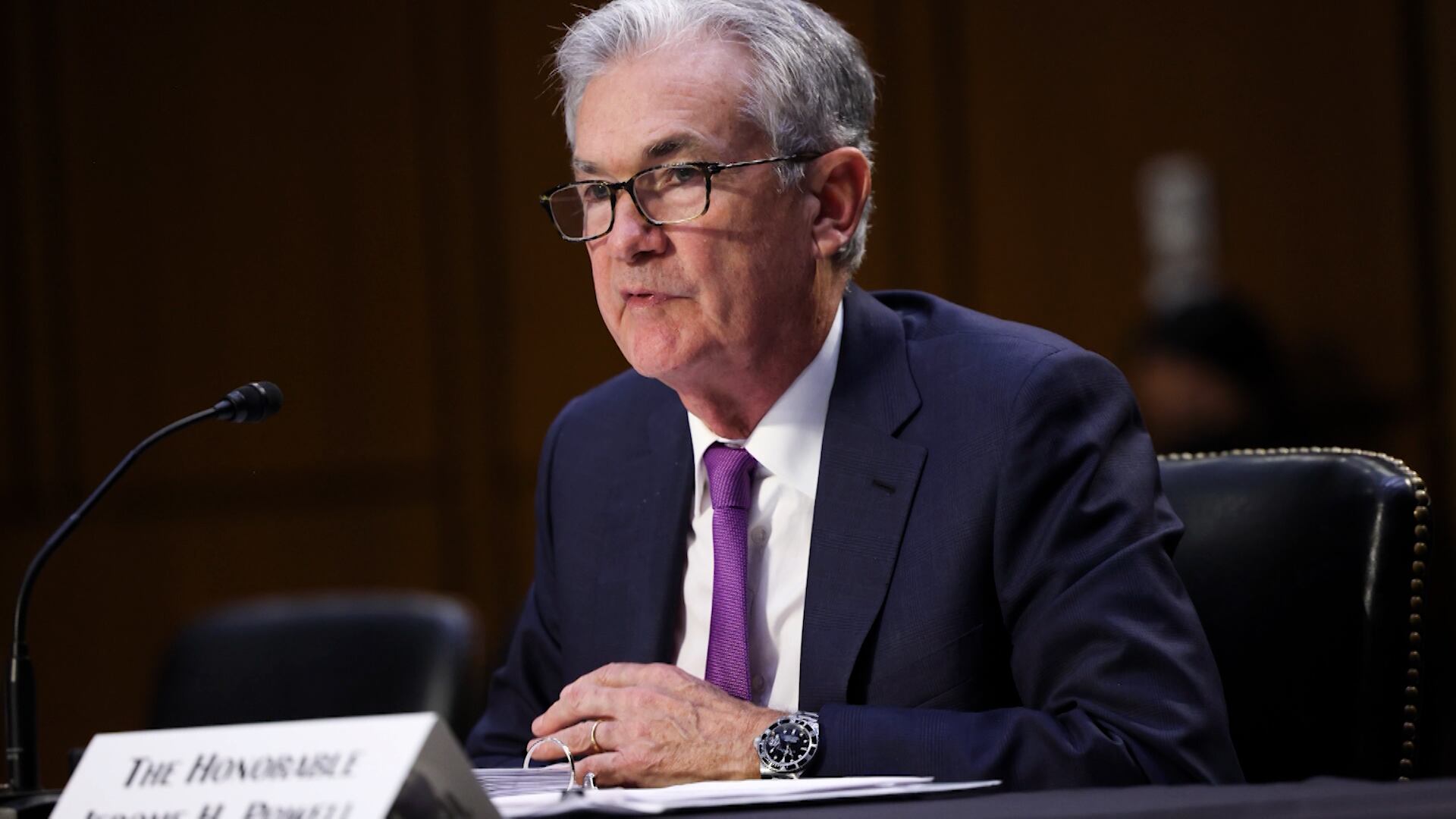
That has investors keeping a close eye on the Federal Reserve, which has said it plans to keep short-term rates low even after inflation rises passes its 2% target. Fed Chair Jerome Powell, speaking at an online event hosted by Princeton University, said Thursday that the time to raise interest rates “is no time soon."
In European stock markets, indexes were also pushing higher. Germany's DAX returned 0.4%, and France's CAC 40 added 0.3%. The FTSE 100 in London added 0.8%.
In Asia, Japan's Nikkei 225 rose 0.8% after a report showed strong growth in machinery orders in December, suggesting robust corporate spending despite a marked worsening of the pandemic.
South Korea's Kospi inched up 0.1%, Hong Kong's Hang Seng rose 0.9% and stocks in Shanghai fell 0.9%.
___
AP Business Writer Elaine Kurtenbach contributed.
Updated on January 14, 2021, at 4:15 p.m. ET.