By Stan Choe and Damian J. Troise
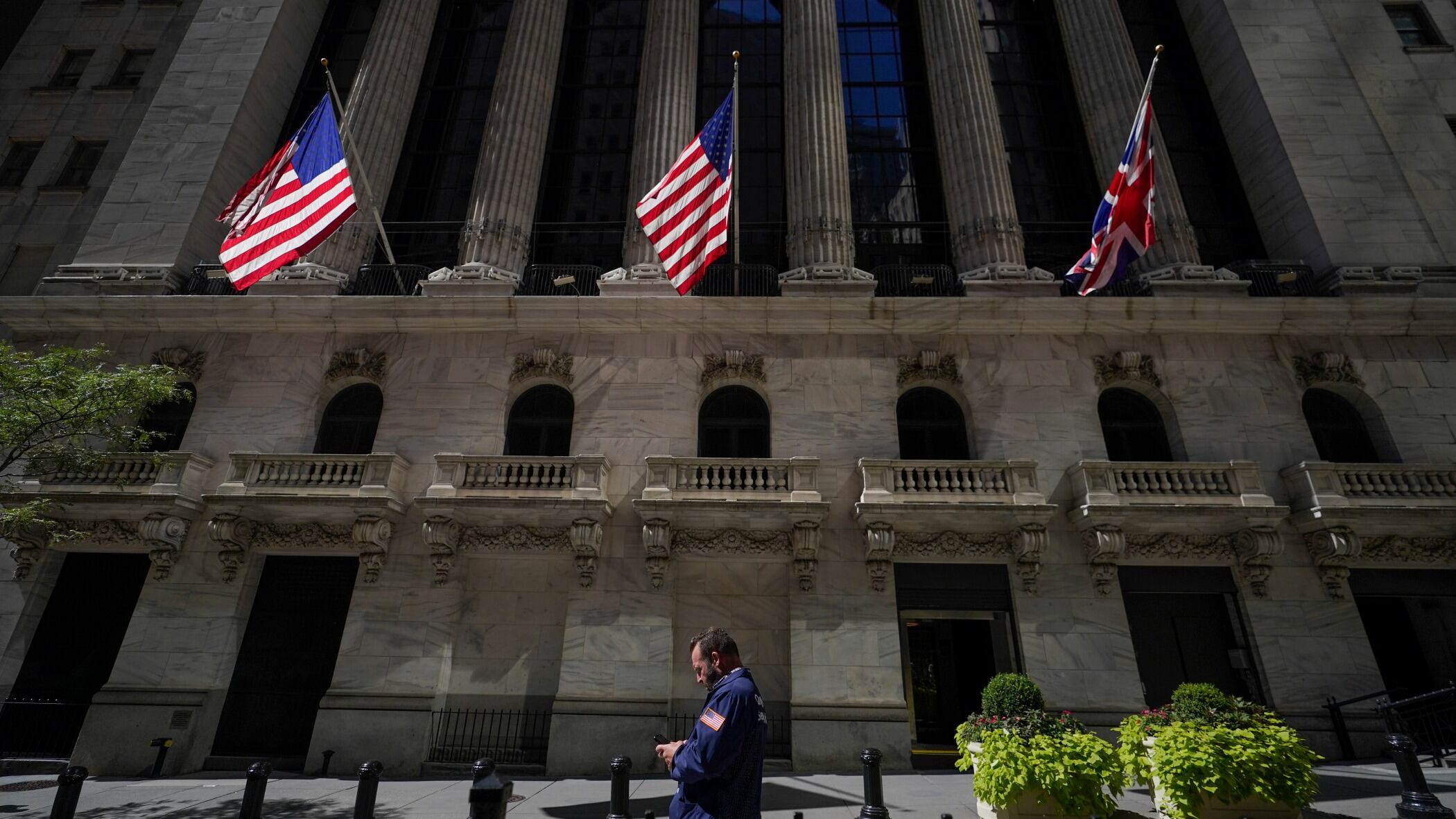
Wall Street shaved off more of its strong start to the year on Monday, adding to losses from the end of last week driven by worries about higher interest rates and inflation.
The S&P 500 fell 25.40, or 0.6%, to 4,111.08 for its second straight fall after a stunningly strong report on the U.S. jobs market dented the market’s hopes for easing interest rates. The Dow Jones Industrial Average fell 34.99 points, or 0.1%, to 33,891.02, while the Nasdaq composite dropped 119.50, or 1%, to 11,887.45.
Some of the sharpest action was again in the bond market, where expectations are rising for the Federal Reserve to stay firm on keeping interest rates higher for longer to combat inflation. It’s something the Fed has been talking about for a long time, but also something the market has been stubborn about not believing fully.
The yield on the two-year Treasury, which tends to track expectations for the Fed, leaped. It zoomed to 4.47% from 4.29% late Friday and just 4.10% the day before. That’s a significant move for the bond market. The 10-year yield, which helps set rates for mortgages and other important loans, jumped to 3.64% from 3.52% late Friday.
Higher rates slow the economy by design, in hopes of limiting the purchases by households and businesses that can fuel inflation. But they also raise the risk of a severe recession and hurt markets in the meantime.
Friday’s jolting jobs report showed that U.S. employers added a third of a million more jobs than expected last month despite higher rates. Normally, such strength would be good news for markets. At the least, it should mean higher sales for many companies.
But it also raised worries a too-strong labor market will keep inflationary pressures alive and force the Fed to keep rates higher for longer. That’s in direct opposition to hopes in the market that cooling inflation could get the Fed to pause its rate increases soon and then cut rates late this year.
Such hopes had driven a big rally on Wall Street to start the year, and the S&P 500 still remains up more than 7% for 2023 so far. The stocks leading the way had been the ones most beaten down last year by the rattlingly swift rise in rates engineered by the Fed to combat inflation. Those include tech stocks and others seen as the riskiest or most expensive.
Investors came into the year extremely skeptical about such stocks, and once they got a spark higher, momentum for them quickly snowballed. Analysts have said the rebound was more about improvements in sentiment than any changes in the economy or other fundamentals.
The positive sentiment has been partially checked by more signs of softer demand in the technology sector and more caution about spending from businesses overall.
Stocks are currently in a “go nowhere fast zone after a superb January performance,” said Terry Sandven, chief equity strategist at U.S. Bank Wealth Management. He expects trading to remain choppy until investors get more clarity on the economic path ahead.
“It’s still too early to determine to what extent we’ll have a recession,” Sandven said.
Fed Chair Jerome Powell may give some more clues about where rates are heading on Tuesday, when he’s scheduled to speak at the Economic Club of Washington, D.C.
Besides Powell, markets are also waiting to hear from nearly 100 companies in the S&P 500 this week about how much profit they made during the final three months of 2022.
The earnings reporting season is at its halfway point, with roughly half the companies in the S&P 500 companies having reported, and they’re on track for a roughly 5% drop from year-earlier levels, according to FactSet. That would be the first such drop since the summer of 2020, when the pandemic was ravaging the global economy.
Tyson Foods 4.6% fell after it reported weaker profit and revenue for its latest quarter than analysts expected.
Dell Technologies dropped 3% after it said it will cut about 5% of its workforce. The company's vice chairman said in a message to employees that “market conditions continue to erode with an uncertain future.”
___
AP Business Writers Joe McDonald and Matt Ott contributed.