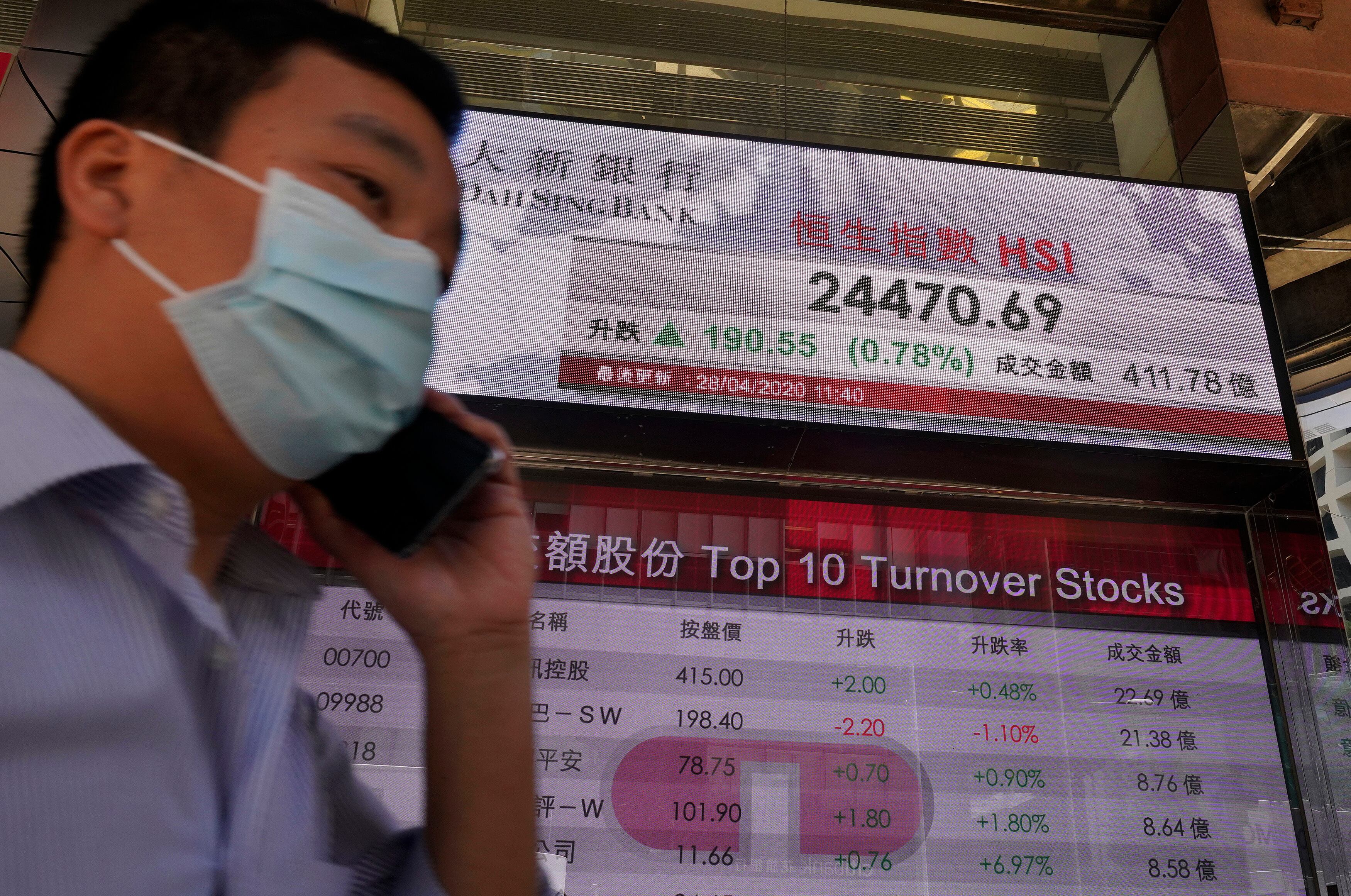
A man wearing face mask walks past a bank electronic board showing the Hong Kong share index at Hong Kong Stock Exchange Tuesday, April 28, 2020. Asian shares are mixed Tuesday as governments inch toward letting businesses reopen and central banks step in to provide cash to economies. (AP Photo/Vincent Yu)
By Stan Choe
Stocks are pumping higher in early trading on Wall Street Tuesday, and the S&P 500 is cruising toward its first three-day winning streak in a month.
European stocks were also strong, as markets turned higher following a mixed Asian performance. The price of U.S. oil remained wild, though, and it swung through more extremes as storage tanks come closer to hitting their limits.
With massive aid in place for the economy from central banks and governments, stocks have been building higher in recent weeks on anticipation that stay-at-home orders will gradually lift. U.S. states and nations around the world are going at their own speeds, but the removal of restrictions would allow businesses to get back into some type of gear, even if it’s only first, after the global economy essentially slammed shut.
The S&P 500 was up 0.8%, as of 10:05 a.m. Eastern time. The Dow Jones Industrial Average gained 213 points, or 0.9%, to 24,347, and the Nasdaq was up 0.3.%
Companies that would benefit most from people being able to leave their houses again were among the market’s leaders. Harley-Davidson jumped 16% after laying out plans to slash costs and preserve cash, including a cut of its dividend and a halt to its stock buyback program. Kohl’s rose 12%, and Kimco Realty, which owns shopping centers, added 8.8%
Sectors of the stock market that are most closely tied to the strength of the economy were also leaders. Financial stocks rose 3% for the biggest gain among the 11 sectors that make up the S&P 500. Industrial stocks were close behind with a gain of 2.7%, and raw-material producers were up 2.1%.
Still, signs of caution are prevalent throughout the market. Merck reported a jump in revenue and profit for the first quarter, but the drugmaker also cut its financial forecast for the full year. It said prescription drug sales will likely fall because the pandemic is keeping many patients with chronic conditions away from their doctors. It’s also looking for sales of veterinary medicines to dip. Its shares fell 4.2%.
Treasury yields, which had sent warning signals about the disastrous economic effects of the pandemic long before the stock market did, were down slightly.
The yield on the 10-year Treasury dipped to 0.63% from 0.65% late Monday. Yields tend to fall when investors are downgrading expectations for the economy and inflation.
Inflation recently has gotten weighed down by a plunge in oil prices. With airplanes, autos, and factories around the world idled, demand has collapsed for energy, and producers have not cut back quickly enough. All the extra oil has flowed into storage tanks, which are close to hitting their limits. A barrel of U.S. oil for delivery in June was up 2% to $13.06, but it had dropped as low as $10.07 earlier in the morning.
Brent crude, the international standard, was up 1.3% at $23.37 per barrel.
In Europe, France’s CAC 40 gained 1.6% while Germany’s DAX rose 1.8%7. Britain’s FTSE 100 gained 2.1.
Japan’s benchmark Nikkei 225 edged 0.1% lower. A day before, it surged after Japan’s central bank lifted its ceiling on purchases of government bonds and other assets that it uses to pump more cash into the economy.
“Basically, the monetary spigots are wide open,” said Robert Carnell, regional head of research, Asia Pacific, at ING.
South Korea’s Kospi gained 0.6%, and Hong Kong’s Hang Seng rose 1.2%.
The U.S. Federal Reserve is holding its own monetary policy meeting Tuesday and Wednesday, though it is not expected to add to the huge amounts of stimulus it has already deployed.
The European Central Bank will hold its own meeting Thursday, and is likewise expected to mainly fill in details of its stimulus programs, or possibly tweak them.
Worries persist about new surges of coronavirus cases in places like China and South Korea, where they had declined as a result of social distancing, testing, and arduous efforts by medical workers.
A slew of corporate earnings announcements is lined up for this week.
Nearly a third of the companies in the S&P 500 are scheduled to report their results for the first three months of 2020 and, more importantly, perhaps talk about how they see future conditions shaking out. That includes Amazon, Apple, Facebook, Microsoft, and Google’s parent, Alphabet, which together make up about a fifth of the index.
At-home medical labs company Getlabs raised $20 million in a Series A round, led by Emerson Collective and the Minderoo Foundation. Getlabs aims to be the boots-on-the-ground partner to telehealth. The company says more than 70% of medical decisions still require collecting diagnostic tests in person, and that it fills that void by delivering health care directly to their patients' homes. Founder & CEO of Getlabs Kyle Michelson joined Cheddar News' Closing Bell to discuss.
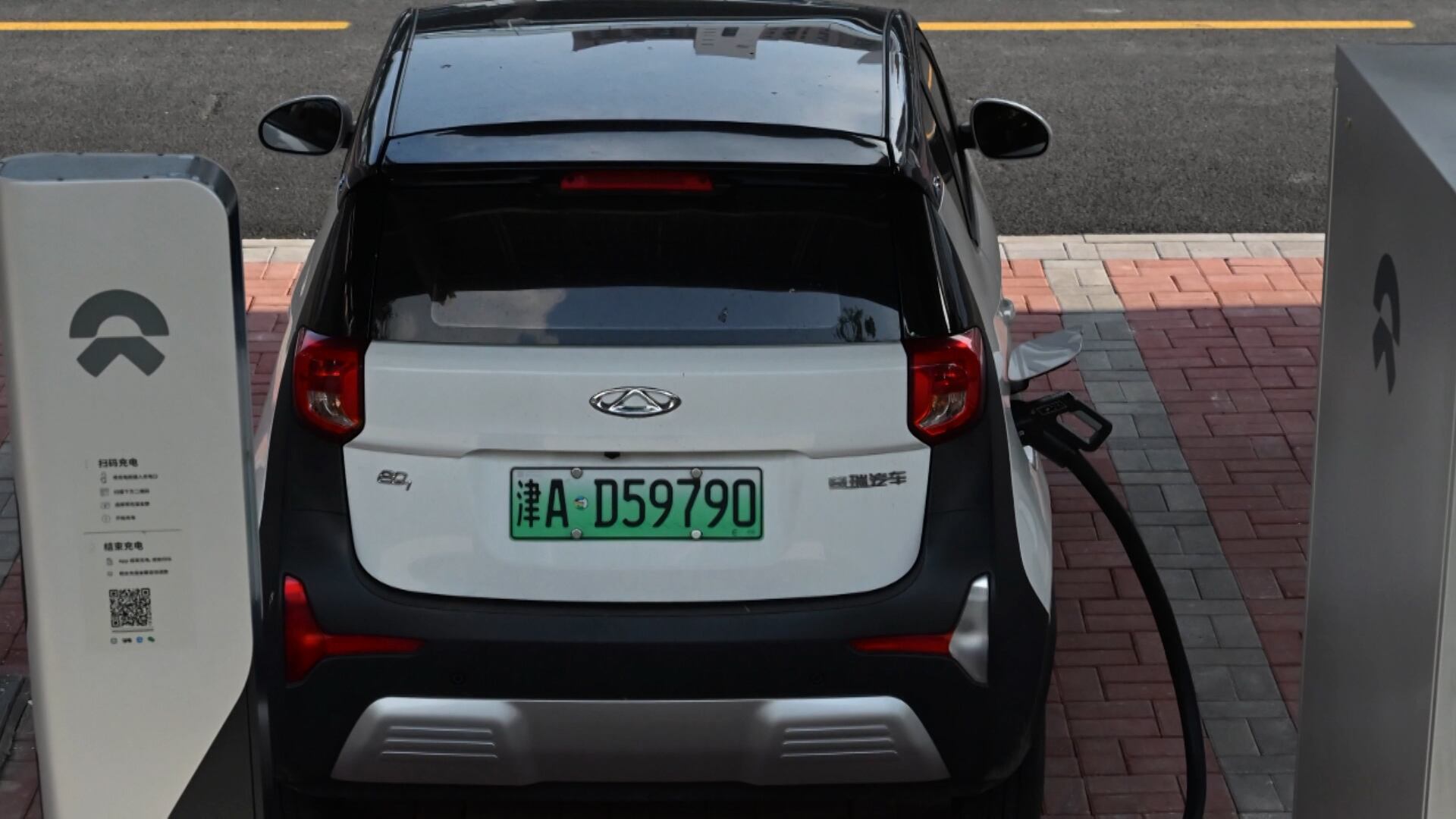
The White House laid out plans for a $5 billion investment into a national network of charging stations to ease EV driving anxiety. Bruce Brimacombe, CEO of EV infrastructure GOe3 joined Cheddar News to discuss how much needs to be done for drivers to get over the fear of running out of energy. "People need to be able to do what they're doing now," he said. "But that is the way that if you're going to buy an electric car, you got to feel like you're not changing your world." Brimacombe noted that building out the infrastructure between cities was GOe3's own focus.
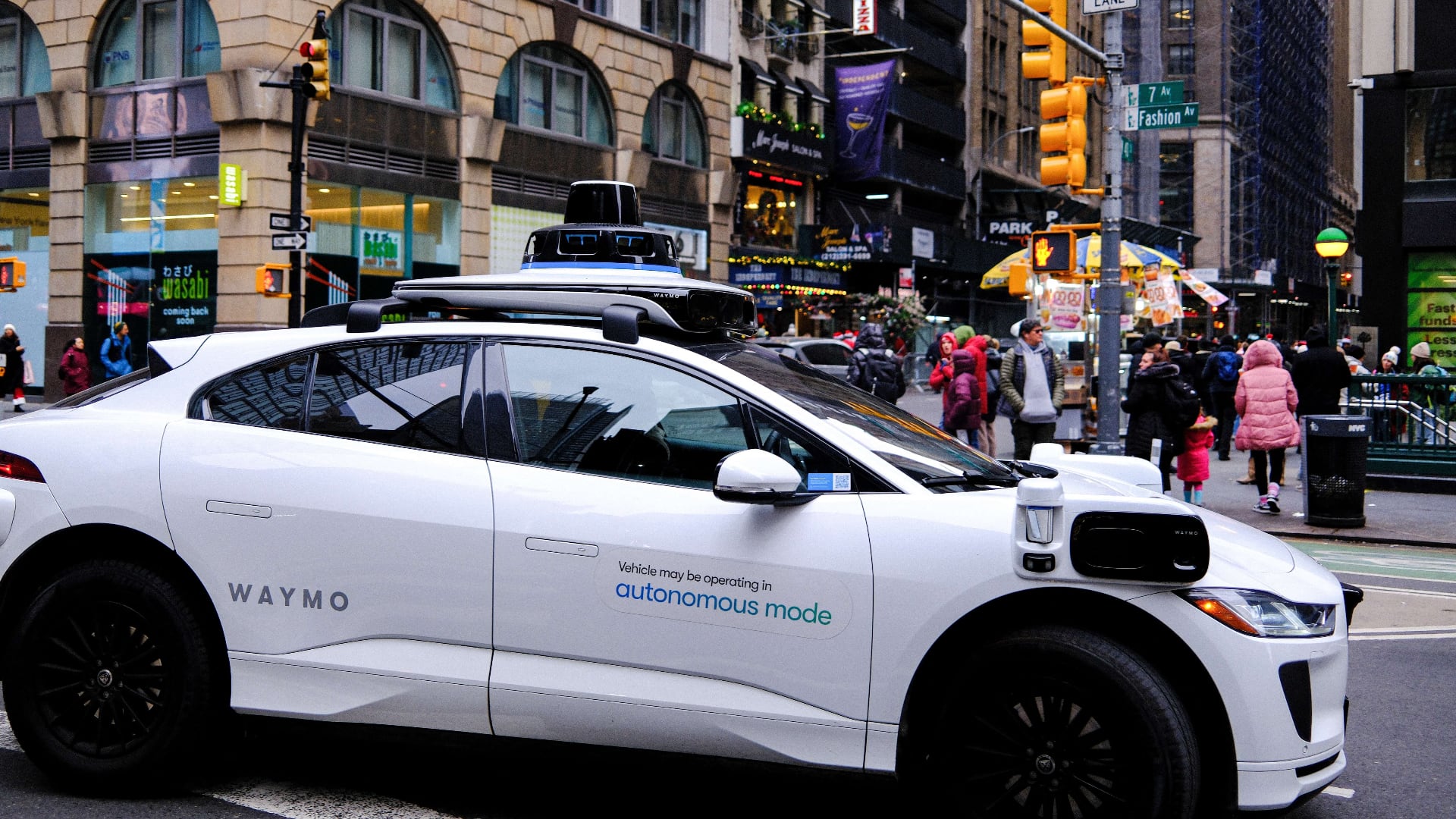
U.S. automakers are saying that the blockade of the Ambassador Bridge, a crucial border crossing between the U.S. and Canada, is affecting their production lines. Michelle Krebs of Cox Automotive warns that the disruption "couldn't come at a worst time," amid chip and labor shortages in Detroit.
AND DETROIT-BASED AUTO MAKERS SAY THEY ARE SHUTTING DOWN PLANTS OR SCALING BACK PRODUCTION BECAUSE OF PARTS SHORTAGES.
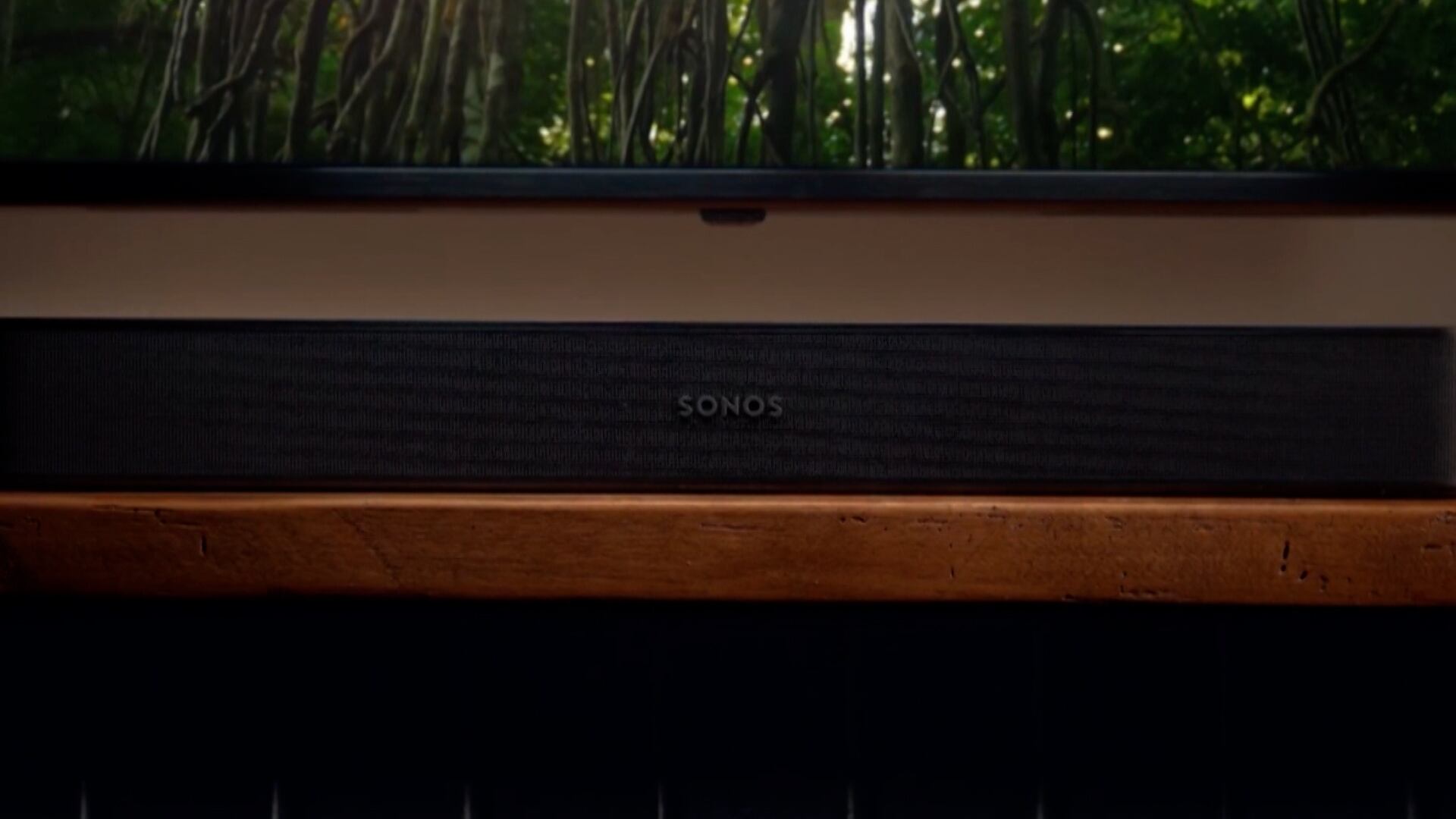
Sonos reported better than expected Q1 earnings amid chip shortage with the release of its Roam product. CFO Brittany Bagley joined Cheddar News to discuss the smart speaker maker's successful report and its plans to hit its 2024 targets as people leave their homes as pandemic restrictions ease. "Even as people head out in the world, it doesn't mean they don't like to listen to music at home or watch a streaming movie at home," she said. "So there's still a real role for us and our products in peoples lives, sort of, no matter what else they're doing."
Lynn Martin, president of the NYSE Group, explains why investors at the New York Stock Exchange should still feel confident despite the recent Wall Street volatility and discusses the landscape for 2022 when it comes to IPOs and retail investors.
The merger of WarnerMedia and Discovery received Justice Department approval on Wednesday, and Patty Hirsch, EVP of consumer and digital platforms at WarnerMedia, joined Cheddar News to discuss current and future offerings from the media conglomerate that will control both HBO Max and Discovery+. "Content really drives so much, and CNN has always had a very long history of creating an incredible documentaries, incredible content … and this service I think is going to ultimately provide the kind of content consumers want and the kind of content that consumers are going are going to pay for," she said. Hirsch also discussed NFTs in use through its Turner Sports and DC brands.
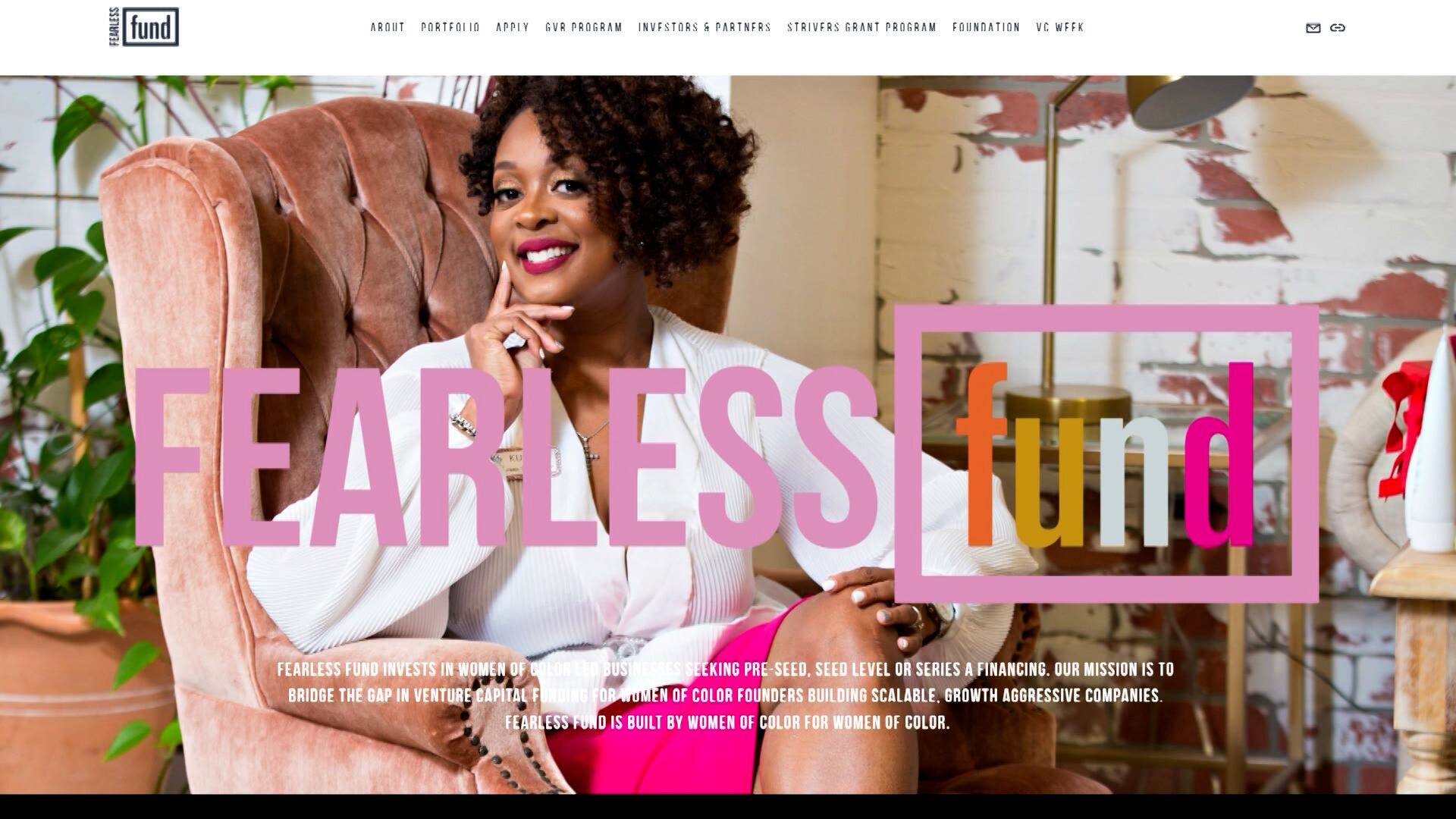
Black entrepreneurs lead the way in the creation of new businesses, but they often cannot get the necessary funding to get their business off the ground. The Fearless Fund is on a mission to change that, and help Black business owners get venture capital. The fund also offers a unique grant program meant to help entrepreneurs with growth, peer coaching, and more, including grants between $10,000 and $20,000. Arian Simone, Co-Founder and General Partner of Fearless Fund, joins Closing Bell to discuss the Fund's mission, how it helps Black entrepreneurs, and more.
Multinational food company Kellogg’s reported an earnings beat amid supply chain issues and an extended labor strike. Kellogg’s Chairman and CEO c joined Cheddar News to discuss overcoming the obstacles and what's to come for the company. "The first half of the year is really going to be one about rebuilding inventory, and into the second quarter, starting to reestablish promotional activity for our customers and our consumers," Cahillane said. "And then the back half of the year, obviously, we're really much more back in business, and we expect to exit the year with our business in cereal being just as strong as it's ever been."
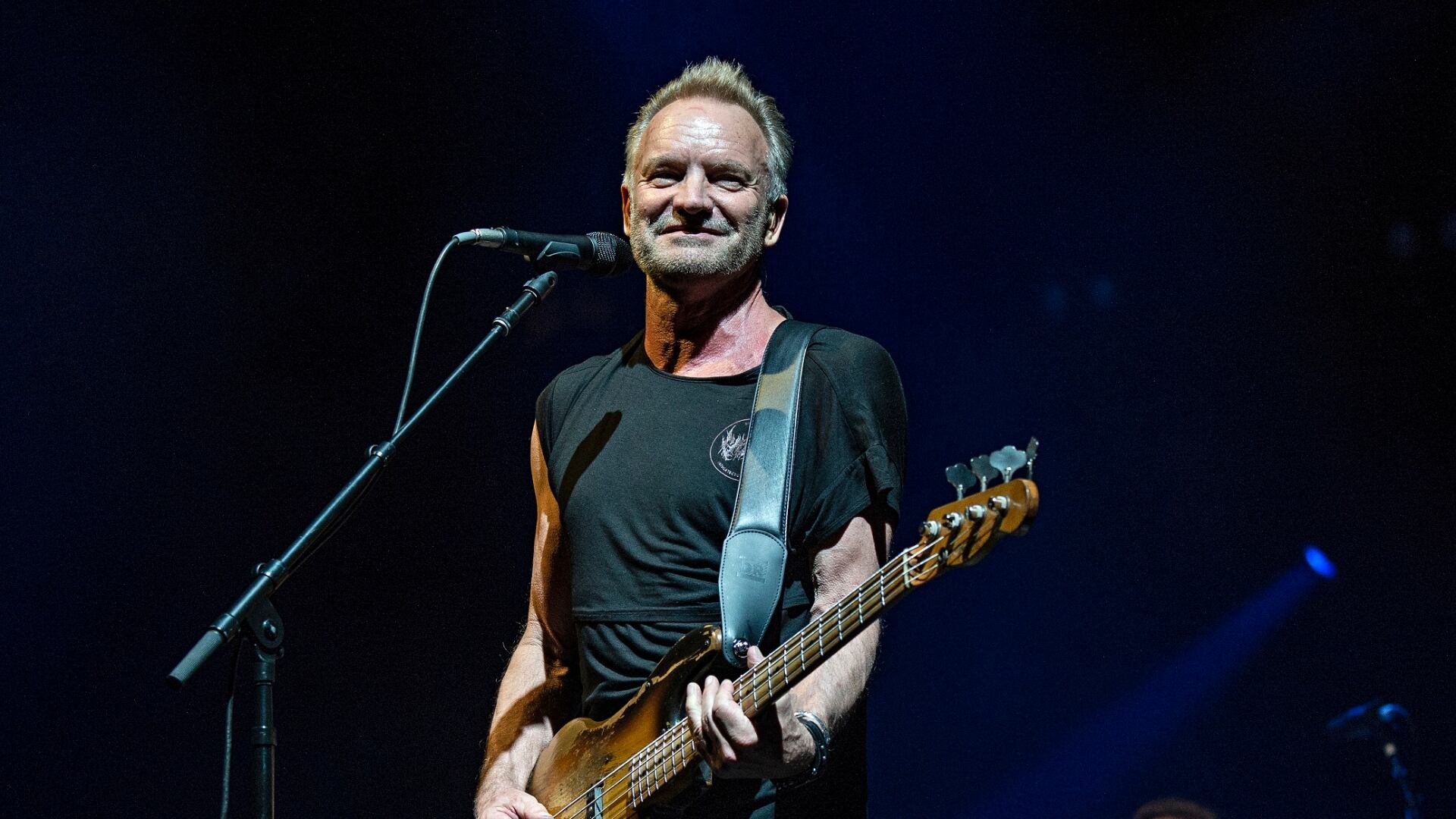
Sting has sold his catalog of more than 600 songs for $300 million to Universal Music. The deal gives the label the rights to all of his work, including “Every Breath You Take," as well as all future royalties.
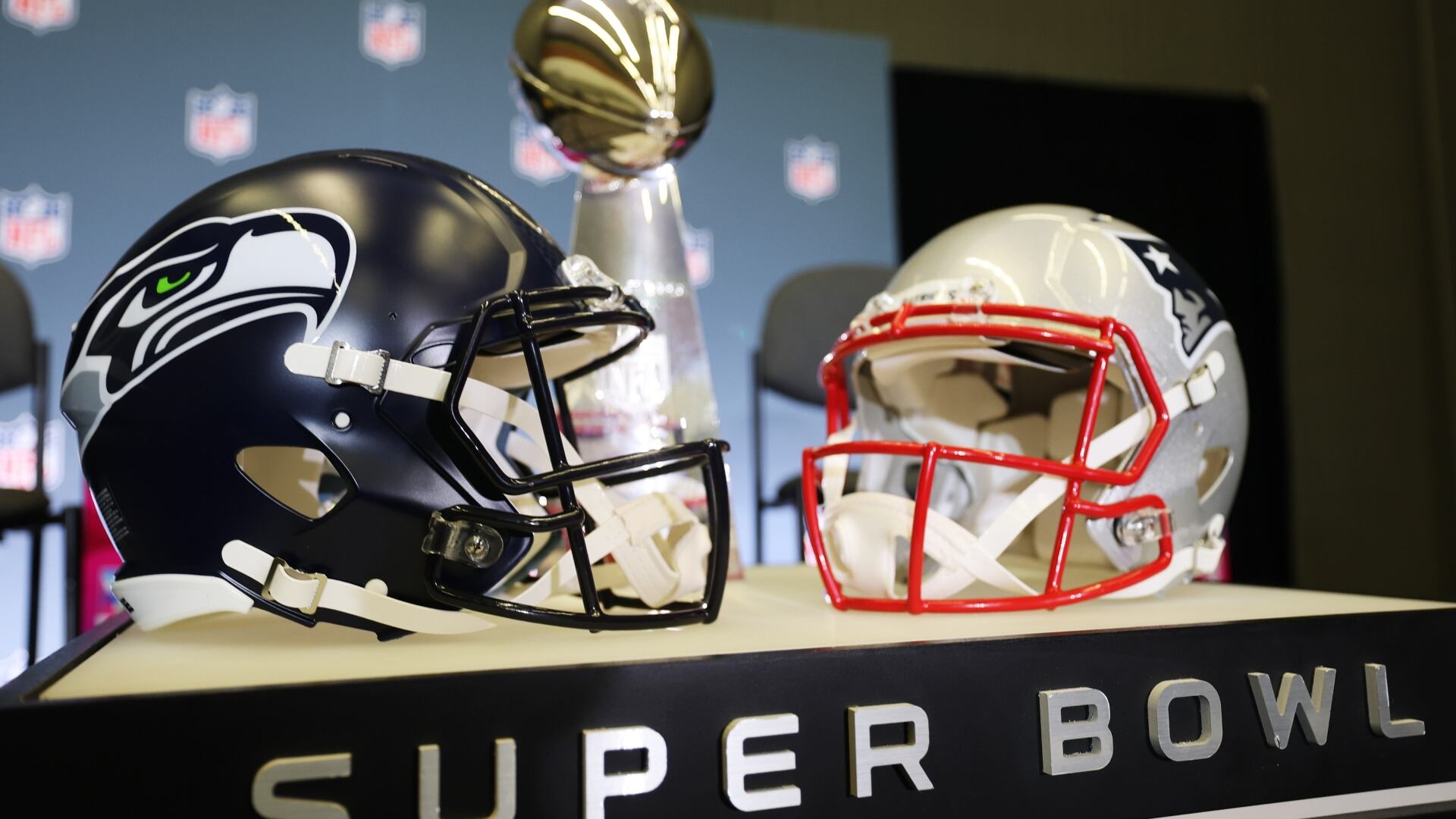
Miller Lite is opening the first branded bar in the metaverse, by way of Decentraland, as a way to advertise during the Super Bowl this year without buying an expensive TV commercial slot. Sofia Colucci, global vice president of Miller Family of Brands, joined Cheddar to talk about the new marketing concept. "We have a lot of great partnerships with NFL teams throughout the year but were shut out of advertising during the Super Bowl game, so this pushes us to think creatively and also think of what feels really relevant right now," Colucci said. "There's no question that there's a lot of excitement with the metaverse, and we wanted to participate but in a way that felt right for Miller Lite."