By Stan Choe and Damian J. Troise
Stocks around the world are clawing higher on Wednesday, and the S&P 500 climbed toward its first gain in what’s been a dismal week for markets.
Even oil gained ground. Prices for crude have been turned upside down because of how much extra oil is sloshing around following a collapse in demand. U.S. oil jumped 19% after President Donald Trump threatened the destruction of any Iranian gunboats that harass U.S. Navy ships, raising the possibility of a disruption to global oil supplies.
The S&P 500 was up 2.6% in the last hour of trading, following up on milder gains in Europe and Asia. It trimmed its loss for the week back below 2.5%, and Treasury yields also pushed higher in a sign of a bit less pessimism in the market.
The Dow Jones Industrial Average was up 529 points, or 2.3%, to 23,548, as of 3:05 p.m. Eastern time, and the Nasdaq was up 3.1%. Gains accelerated through the day and were widespread, with all 11 sectors that make up the S&P 500 up.
”This has been a tremendously good reminder that the stock market is a forward predictor,” said Andrew Slimmon, managing director and senior portfolio manager at Morgan Stanley Investment Management.
Investors sent U.S. stocks down by a third from February into late March, before efforts to slow the spread of the coronavirus threw the economy into a recession. Now, even as depressing economic and health reports pile up by the day, some investors are looking ahead to the possibility of parts of the economy reopening as infections level off in some areas.
The recession is still expected to be painfully deep, but potentially short, Slimmon said, which is pushing some investors to buy stocks that have been beaten down.
Energy stocks jumped to some of the market’s biggest gains, riding the ripple of strengthening oil prices. Halliburton, Diamondback Energy and Apache all added more than 8%. All three, though, remain down more than 60% for the year so far.
A barrel of U.S. oil to be delivered in June settled at $13.78. It had zig-zagged earlier in the morning, before Trump’s tweet. The big gain, though, means it’s recovered just a fraction of its steep losses. It was close to $30 at the start of last week and nearly $60 at the beginning of the year.
Brent crude, the international standard, climbed 5.4% to $20.37 per barrel.
Other companies that have been big losers due to the coroanvirus pandemic also rose after offering some slight hints of hope.
Chipotle Mexican Grill, for example, said that a key sales figure plunged 16% in March on widespread stay-at-home orders. But it hit a bottom during the week of March 29, down 35%, and has since improved a bit. Declines the past week were “in the high teens.” Its shares rose 12.3%.
Stocks of companies that have been winners in the new stuck-at-home economy, meanwhile, are also telling investors just how much they’ve been benefiting.
With people hunkered inside and craving for communication, Snap said that the number of active users on Snapchat each day jumped 20% in the first three months from a year ago. Its revenue topped Wall Street’s expectations, and Snap shares jumped 32.3%.
Netflix has also been a big winner as people look to fill their time, with shares recently hitting a record. It said late Tuesday that it added nearly 16 million global subscribers in the first three months of the year. But shares slipped 2.3% Wednesday after its profits didn’t quite live up to Wall Street’s lofty expectations.
Toilet paper has also been hugely in demand, and the maker of Cottonelle and Scott said its sales benefitted in the first three months of the year as customers stocked up on them and Kleenex tissue, among other items. Shares of Kimberly-Clark were up 1.6% after earlier flipping between gains and losses.
The company also retracted its financial forecasts for 2020 given how uncertain the global economy is due to the COVID-19 outbreak. It joined a lengthening line of companies pulling their guidance, and it also suspended its stock buyback program until at least the end of June.
The Senate late Tuesday approved a $483 billion proposal to deliver more loans to small businesses and aid to hospitals. The House is expected to vote on it Thursday.
The new bill would come on top of more than $2 trillion in aid that Congress has already approved. That, plus massive support for markets from the Federal Reserve, has helped the S&P 500 to rise more than 24% since a low in late March. The index has roughly halved its loss from its record set in February, which at one point was roughly 34%.
The yield on the 10-year Treasury rose to 0.62% from 0.57% late Tuesday. But it remains well below the 1.90% level where it started the year.
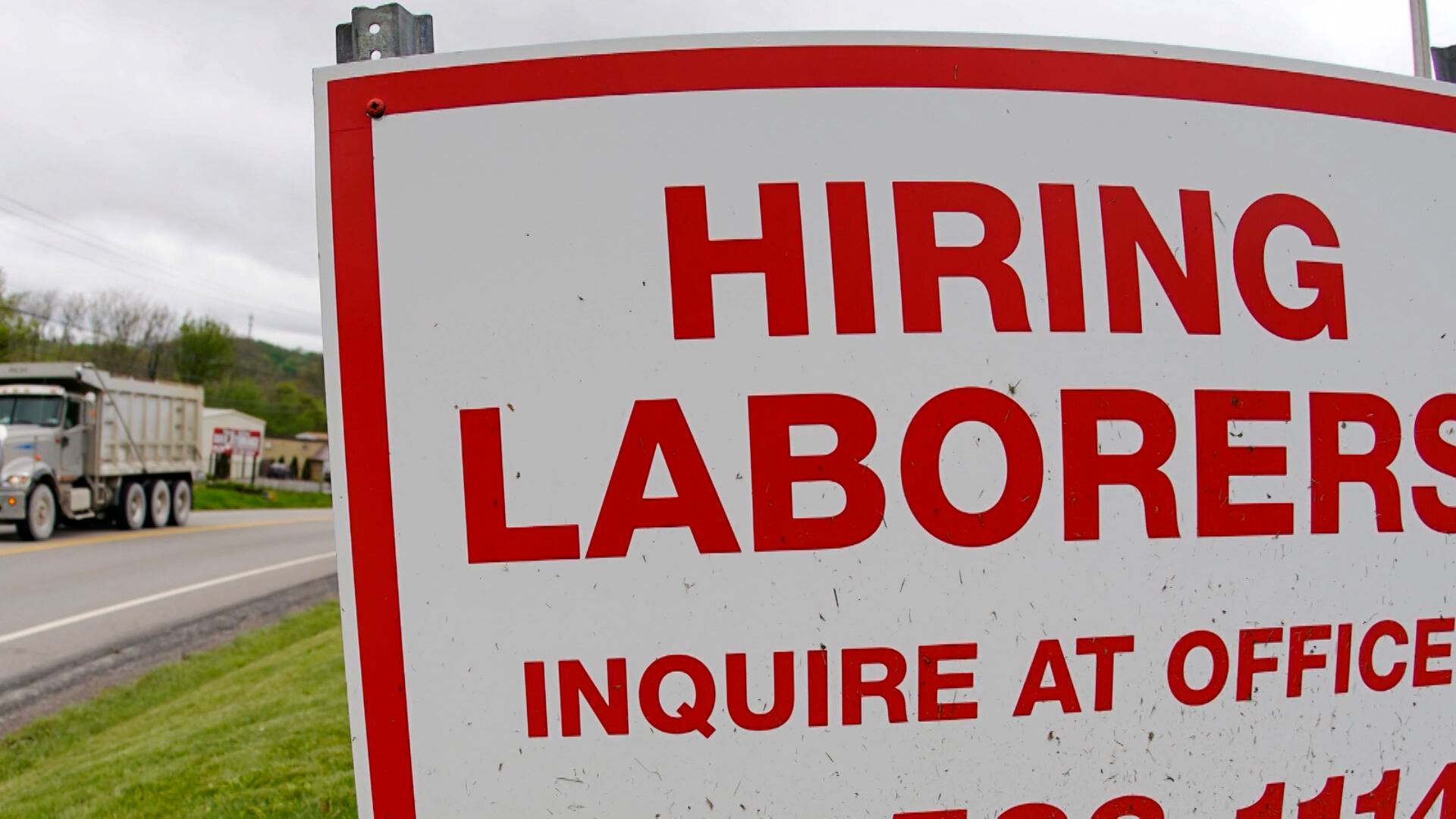
The global economy has come to a virtual standstill amid widespread stay-at-home orders, and economists expect a report on Thursday to show that another 4 million-plus workers filed for unemployment benefits last week. That would be on top of the roughly 22 million workers who had filed in the earlier four weeks, as layoffs sweep the nation.
In Europe, Germany’s DAX returned 1.6%, France‘s CAC 40 gained 1.2% and the FTSE 100 in London added 2.3%. In Asia, South Korea’s Kospi rose 0.9%, the Hang Seng in Hong Kong gained 0.4% and Japan’s Nikkei 225 fell 0.7%.