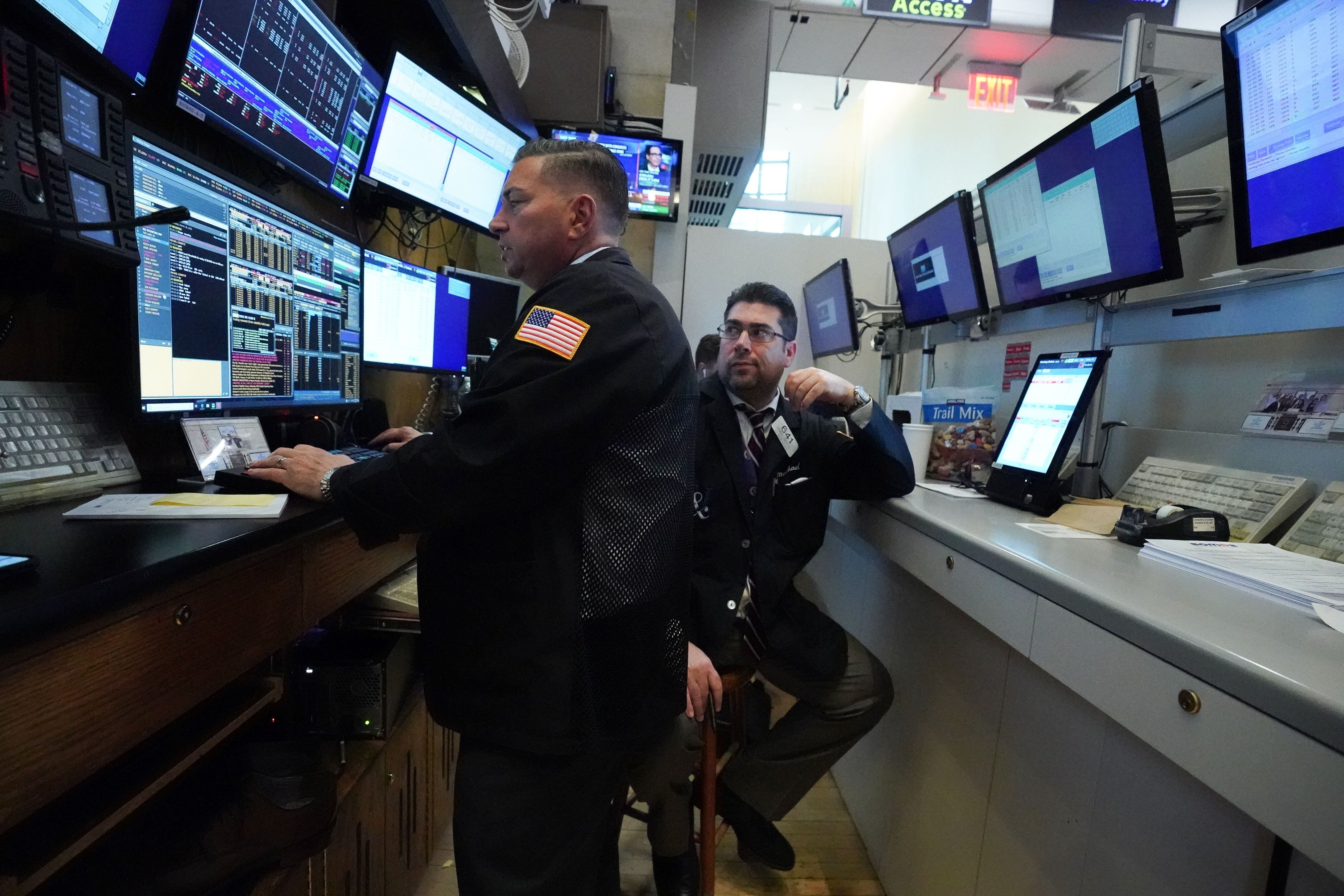
Traders work and watch president Donald Trump speak on television on the floor at the New York Stock Exchange on March 18, 2020 in New York. (Photo by Bryan R. Smith / AFP) (Photo by BRYAN R. SMITH/AFP via Getty Images)
By Stan Choe
Stock trading has been halted for the fourth time this month Wednesday as S&P 500 drops 7%. Trading will resume in 15 minutes. The automatic circuit-breaker was triggered around 1 p.m. Eastern time as President Donald Trump and other officials were updating reporters on measures to combat the coronavirus. Markets have been highly volatile in recent weeks as the outbreak seems increasingly likely to cause a global recession. The price of crude oil dropped another 18% as traders anticipate a sharp pullback in demand for energy. Even prices for longer-term U.S. Treasurys fell as investors sold what they could to raise cash.
THIS IS A BREAKING NEWS UPDATE. AP’s earlier story is below:
U.S. stocks sank close to 6% in midday trading Wednesday, part of another worldwide sell-off, and wiped out the big gains and optimism that Washington had sparked the prior day with promises for massive aid for the economy.
Markets have been incredibly volatile for weeks as Wall Street and the White House acknowledge an increasing risk of a recession due to the coronavirus outbreak. The typical day this month has seen the stock market swing up or down by 4.9%. Over the last decade, it was just 0.4%.
The selling pressure swept markets around the world. Benchmark U.S. oil fell 14% after dropped below $25 per barrel for the first time since 2002. European stock indexes lost more than 4% following broad losses in Asia. Even prices for longer-term U.S. Treasurys, which are seen as some of the safest possible investments, fell as investors sold what they could to raise cash.
The S&P 500, which dictates how 401(k) accounts perform much more than the Dow, is down nearly 30% from its record set last month.
It was just a day ago that the S&P 500 surged 6% after President Donald Trump said he’s “going big” in plans to aid an economy that’s increasingly shutting down by the day. The program could approach $1 trillion, and it would follow a spate of emergency actions by the Federal Reserve and other central banks to get financial markets running more smoothly.
Despite all that, investors are struggling with how much to pay for anything — stocks, bonds, oil — when it’s so uncertain how badly the economy is getting hit, how much profit companies will make and how many companies may go into bankruptcy due to a cash crunch.
“These are truly unprecedented events with no adequate historical example with which to precisely anchor our forecast,” Deutsche Bank economists wrote in a report Wednesday.
With all the uncertainty and early evidence that China’s economy was hit much harder by the virus than earlier thought, they now see “a severe global recession occurring in the first half of 2020.”
But they also are still forecasting a relatively quick rebound, with activity beginning to bounce back in the second half of this year in part because of all the aid promised from central banks and governments.
Investors say they need to see the number of infections slow before markets can find a bottom. The number of new cases reported in China, where the virus emerged in December, is declining but infections in the United States, Europe and elsewhere are increasing.
The number of infections has topped 200,000 worldwide, and the virus has killed more than 8,000.
For most people, the coronavirus causes only mild or moderate symptoms, such as fever and cough, and those with mild illness recover in about two weeks. Severe illness including pneumonia can occur, especially in the elderly and people with existing health problems, and recovery could take six weeks in such cases.
The Dow Jones Industrial Average was down 1,280 points, or 6%, as of 11:38 a.m. Eastern time. after being down as many as 1,365 shortly after trading began. If stays there, it would be the eighth straight day the Dow has moved by that much.
All the uncertainty has pushed many people toward safety. Last month, investors pulled $17.5 billion out of stock mutual funds and exchange-traded funds, even though stocks set all-time highs in the middle of the month. Money-market funds, meanwhile, drew $25.5 billion, according to Morningstar.
That was all before the market's sell-off accelerated this month, as broad swaths of the economy shut down in hopes of better containing the outbreak. Restaurants have closed to dine-in customers, planes are parked and sports arenas have been dimmed. Goldman Sachs strategists describe this month as “March Sadness.”
William Li and Danielle Chang, co-founders of The Hao Life, join Cheddar Innovates to discuss how they're shaking up the $71 billion supplement industry by putting a modern spin on traditional natural Chinese remedies.
Stocks closed at session lows Thursday, with the major indexes falling slightly for the shortened trading week. The S&P 500 fell 2.1% for the week, the Dow Jones Industrial Average fell 0.8%, and the tech-heavy Nasdaq fell 2.6%. Investors continue to keep a close eye on inflation data, as well as earnings. Nancy Tengler, Chief investment Officer at Laffer Tengler Investments, joins Closing Bell to discuss today's close, inflation, how the Fed will handle rising prices, earnings, and more.
The major U.S. indexes closed Tuesday off of session lows as investors digest the latest read on inflation, showing it remains hot. Wall Street is also preparing for earnings from big banks and monitoring potential policy moves from the Federal Reserve. Peter Tuchman, a stock trader at TradeMas, joins Cheddar News' Closing Bell and highlighted tech stocks in particular. 'The tech sector, which led us to record highs before the 1st of this year, are now the ones that are leading us lower,' he said.
The competition between streaming platforms is heating up as Apple TV+, HBO Max, and others acquire the rights to air live sports, oftentimes behind an exclusive paywall. While this is likely to entice some viewers, it also presents a risk that viewership will become fractured. Customers might steer away from subscription overload as content streaming options become seemingly endless. Jeff Agrest, deputy sports editor and media columnist at the Chicago Sun-Times, joins Closing Bell to discuss what it means for the live sports industry when content is put behind a paywall on streaming platforms, how it could impact viewership, impact on sports betting, potential acquisition targets, and more.
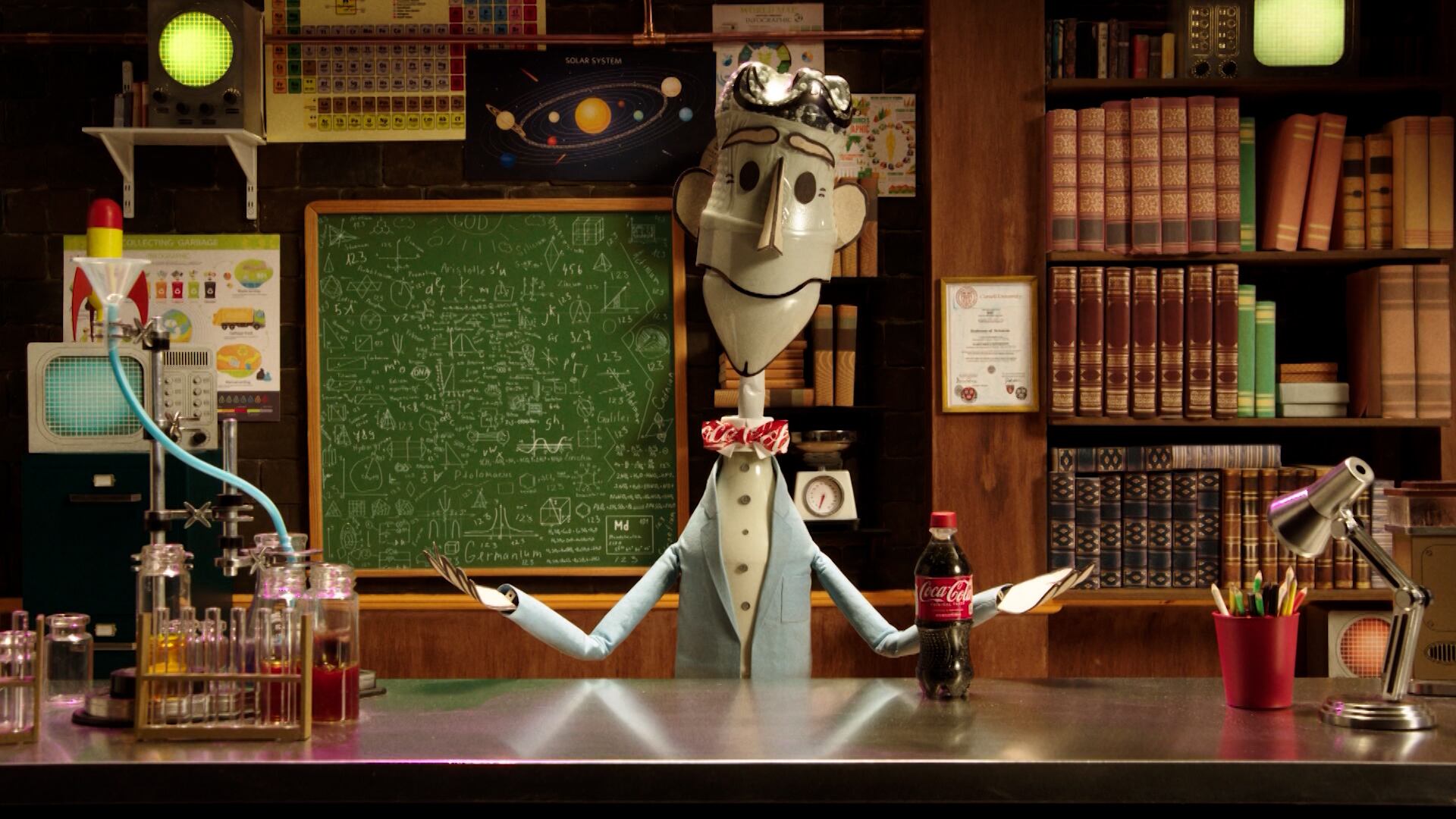
The Coca-Cola Company is teaming up with science education personality Bill Nye as part of its World Without Waste Initiative to describe the bottle-to-bottle plastic recycling process through a vividly animated, stop-motion short film. Christine Yeager, director of sustainability at The Coca-Cola Company, North America, joined Cheddar News to talk about their initiative and the partnership. "We really wanted to partner with someone who can help us make recycling relatable, but also has a very um respected voice in the climate change space," she said.
Billionaire Elon Musk made waves after revealing he's making an attempt at a hostile takeover of the social media platform Twitter. The Tesla CEO is offering $43 billion to buy the social media platform outright with "freedom of speech" allegedly at the forefront of his agenda. Dan Ives, managing director of equity research at Wedbush Securities, is taking the tech entrepreneur seriously. "I think through many twists and turns over the coming months, he ultimately ends up owning Twitter because Twitter's board, their back is going to be against the wall," he said.
Retail sales grew 0.5 percent in March, largely being attributed to the rise in gas prices. Jharonne Martis, director of consumer research at Refinitiv, joined Cheddar News to discuss why consumer confidence has remained strong despite high prices. "What's holding on the consumer is the strong employment market that we have right now in the United States, which is one of the strongest we had in a very long time. If consumers feel that they are secure in their job, they're going to continue to spend," she said. However, Martis noted that signs that consumer spending is slowing down are already visible as well.
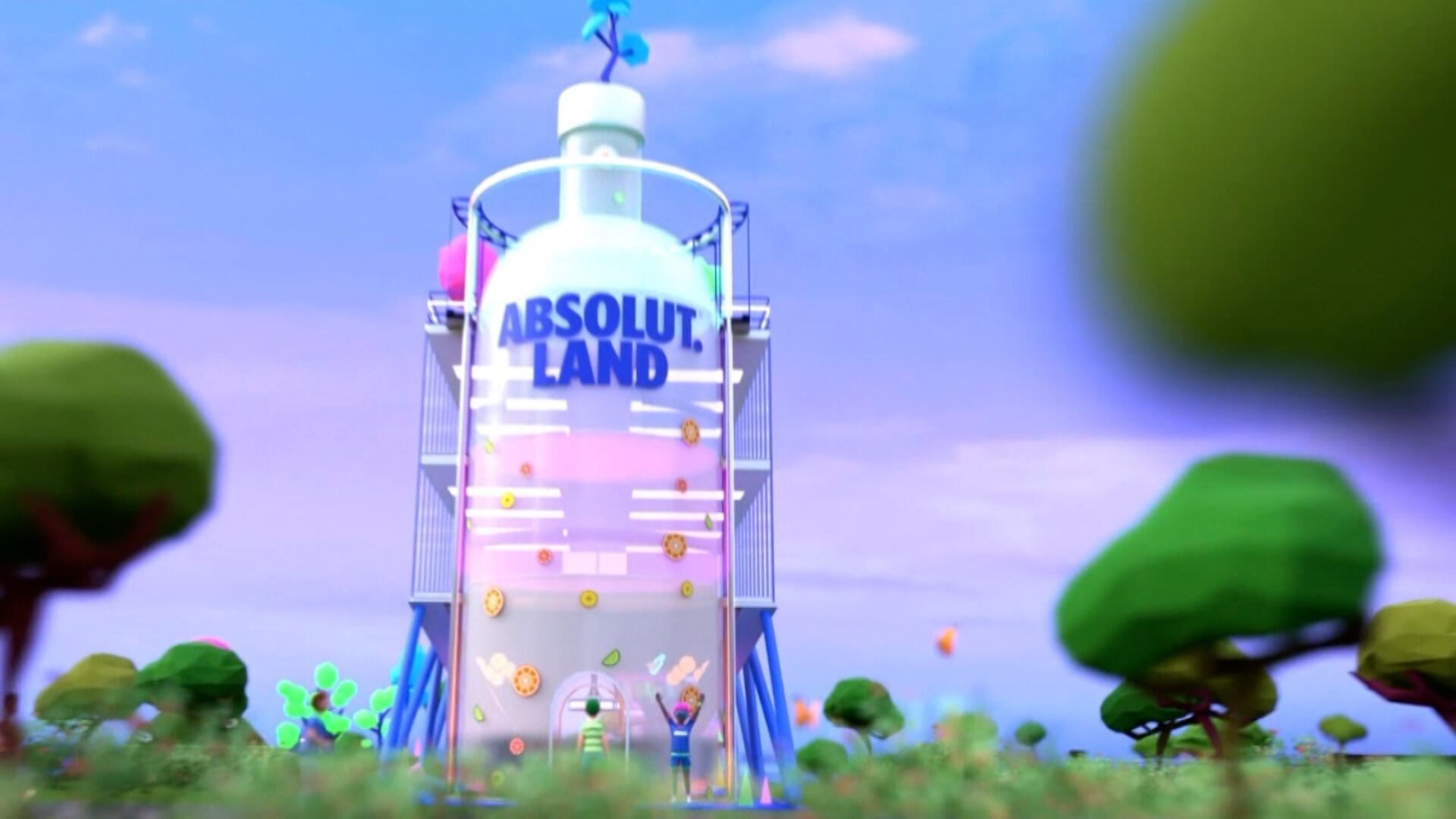
Ann Mukherjee, the chairman and CEO of Pernod Ricard North America, joined Cheddar News to talk about Absolut Vodka’s decade-long partnership with the music festival Coachella. Perno Ricard's vodka brand has built the virtual world Absolutland in the Decentraland metaverse for users to explore. "We actually have a vending machine where you can actually purchase the cocktails that will be delivered right to your home," she said. The brand will also be featuring festival headliner Swedish House Mafia.
The tax deadline in the U.S. is on April 18 this year, and some filers may still not be able to complete their return by then. Cheddar has partnered with Jackson Hewitt to let you know what you can do should you blow the deadline.