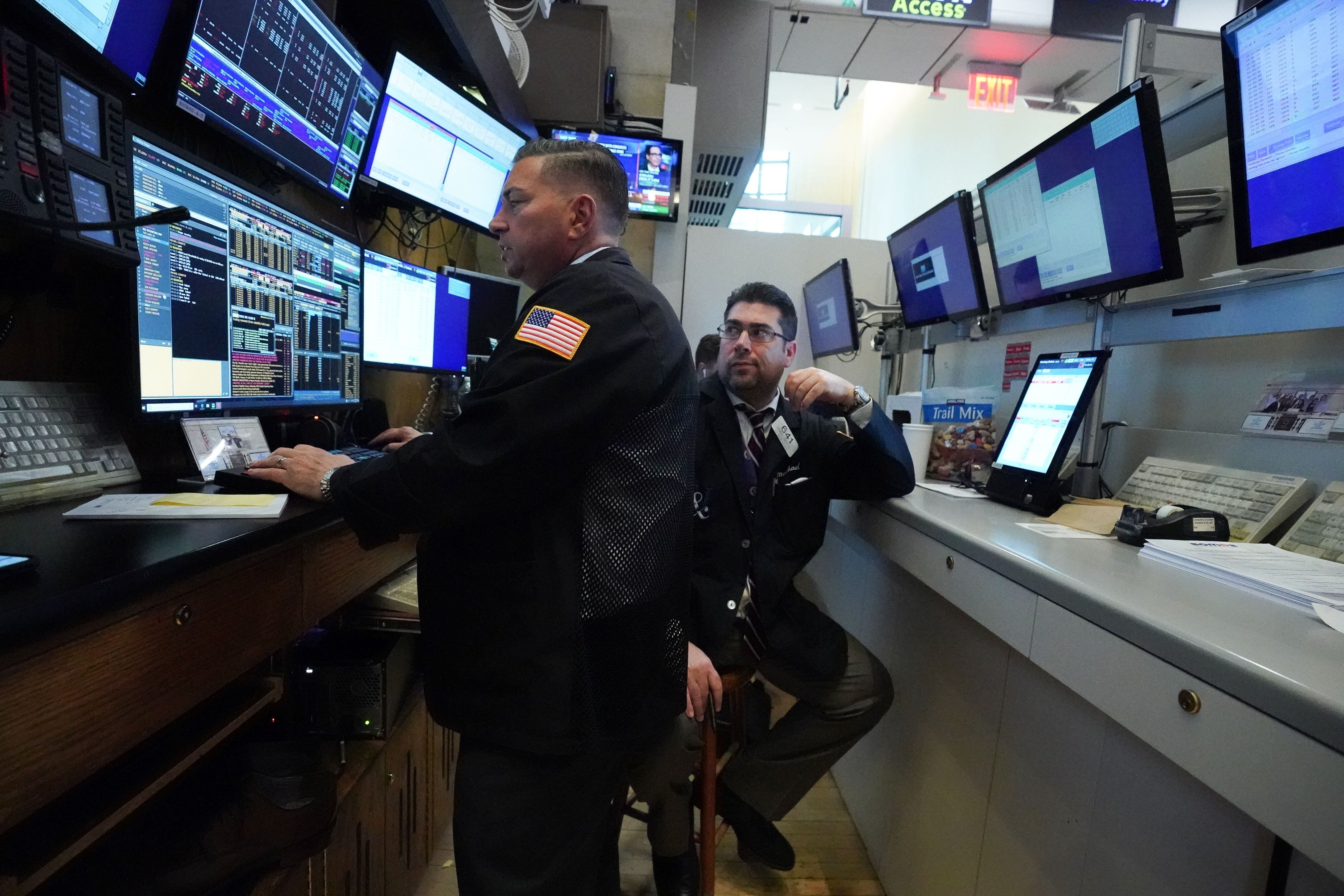
Traders work and watch president Donald Trump speak on television on the floor at the New York Stock Exchange on March 18, 2020 in New York. (Photo by Bryan R. Smith / AFP) (Photo by BRYAN R. SMITH/AFP via Getty Images)
By Stan Choe
Stock trading has been halted for the fourth time this month Wednesday as S&P 500 drops 7%. Trading will resume in 15 minutes. The automatic circuit-breaker was triggered around 1 p.m. Eastern time as President Donald Trump and other officials were updating reporters on measures to combat the coronavirus. Markets have been highly volatile in recent weeks as the outbreak seems increasingly likely to cause a global recession. The price of crude oil dropped another 18% as traders anticipate a sharp pullback in demand for energy. Even prices for longer-term U.S. Treasurys fell as investors sold what they could to raise cash.
THIS IS A BREAKING NEWS UPDATE. AP’s earlier story is below:
U.S. stocks sank close to 6% in midday trading Wednesday, part of another worldwide sell-off, and wiped out the big gains and optimism that Washington had sparked the prior day with promises for massive aid for the economy.
Markets have been incredibly volatile for weeks as Wall Street and the White House acknowledge an increasing risk of a recession due to the coronavirus outbreak. The typical day this month has seen the stock market swing up or down by 4.9%. Over the last decade, it was just 0.4%.
The selling pressure swept markets around the world. Benchmark U.S. oil fell 14% after dropped below $25 per barrel for the first time since 2002. European stock indexes lost more than 4% following broad losses in Asia. Even prices for longer-term U.S. Treasurys, which are seen as some of the safest possible investments, fell as investors sold what they could to raise cash.
The S&P 500, which dictates how 401(k) accounts perform much more than the Dow, is down nearly 30% from its record set last month.
It was just a day ago that the S&P 500 surged 6% after President Donald Trump said he’s “going big” in plans to aid an economy that’s increasingly shutting down by the day. The program could approach $1 trillion, and it would follow a spate of emergency actions by the Federal Reserve and other central banks to get financial markets running more smoothly.
Despite all that, investors are struggling with how much to pay for anything — stocks, bonds, oil — when it’s so uncertain how badly the economy is getting hit, how much profit companies will make and how many companies may go into bankruptcy due to a cash crunch.
“These are truly unprecedented events with no adequate historical example with which to precisely anchor our forecast,” Deutsche Bank economists wrote in a report Wednesday.
With all the uncertainty and early evidence that China’s economy was hit much harder by the virus than earlier thought, they now see “a severe global recession occurring in the first half of 2020.”
But they also are still forecasting a relatively quick rebound, with activity beginning to bounce back in the second half of this year in part because of all the aid promised from central banks and governments.
Investors say they need to see the number of infections slow before markets can find a bottom. The number of new cases reported in China, where the virus emerged in December, is declining but infections in the United States, Europe and elsewhere are increasing.
The number of infections has topped 200,000 worldwide, and the virus has killed more than 8,000.
For most people, the coronavirus causes only mild or moderate symptoms, such as fever and cough, and those with mild illness recover in about two weeks. Severe illness including pneumonia can occur, especially in the elderly and people with existing health problems, and recovery could take six weeks in such cases.
The Dow Jones Industrial Average was down 1,280 points, or 6%, as of 11:38 a.m. Eastern time. after being down as many as 1,365 shortly after trading began. If stays there, it would be the eighth straight day the Dow has moved by that much.
All the uncertainty has pushed many people toward safety. Last month, investors pulled $17.5 billion out of stock mutual funds and exchange-traded funds, even though stocks set all-time highs in the middle of the month. Money-market funds, meanwhile, drew $25.5 billion, according to Morningstar.
That was all before the market's sell-off accelerated this month, as broad swaths of the economy shut down in hopes of better containing the outbreak. Restaurants have closed to dine-in customers, planes are parked and sports arenas have been dimmed. Goldman Sachs strategists describe this month as “March Sadness.”
In the wake of Robinhood announcing it will be letting go of 9 percent of its staff, Caleb Silver, Investopedia editor-in-chief, joined Cheddar News to talk about the growing pains that the trading platform is going through, how it is affecting its user experience, and where it goes from here. “I think you're gonna see a little bit more automation, but that's how Robinhood was built," he said. "I think what you'll see is less marketing." Silver also noted that the steep drop in the stock price leaves it potentially open to being acquired. "I'm not saying that I know anything about this, but they're looking awful cheap. And when you think about what's going on with Twitter and some of these other platforms, you can see a buyer coming for Robinhood any minute now."
Stocks closed slightly higher Wednesday as the Nasdaq closed flat after a failed attempt to close higher. Investors are keeping an eye on earnings, which so far have been shaky for big tech giants and companies that typically drive the market. Garrett Phillips, Managing Partner at 3Summit Investment Management, joins Closing Bell to discuss today's close, our current volatile environment, where to invest in the current environment, and more.
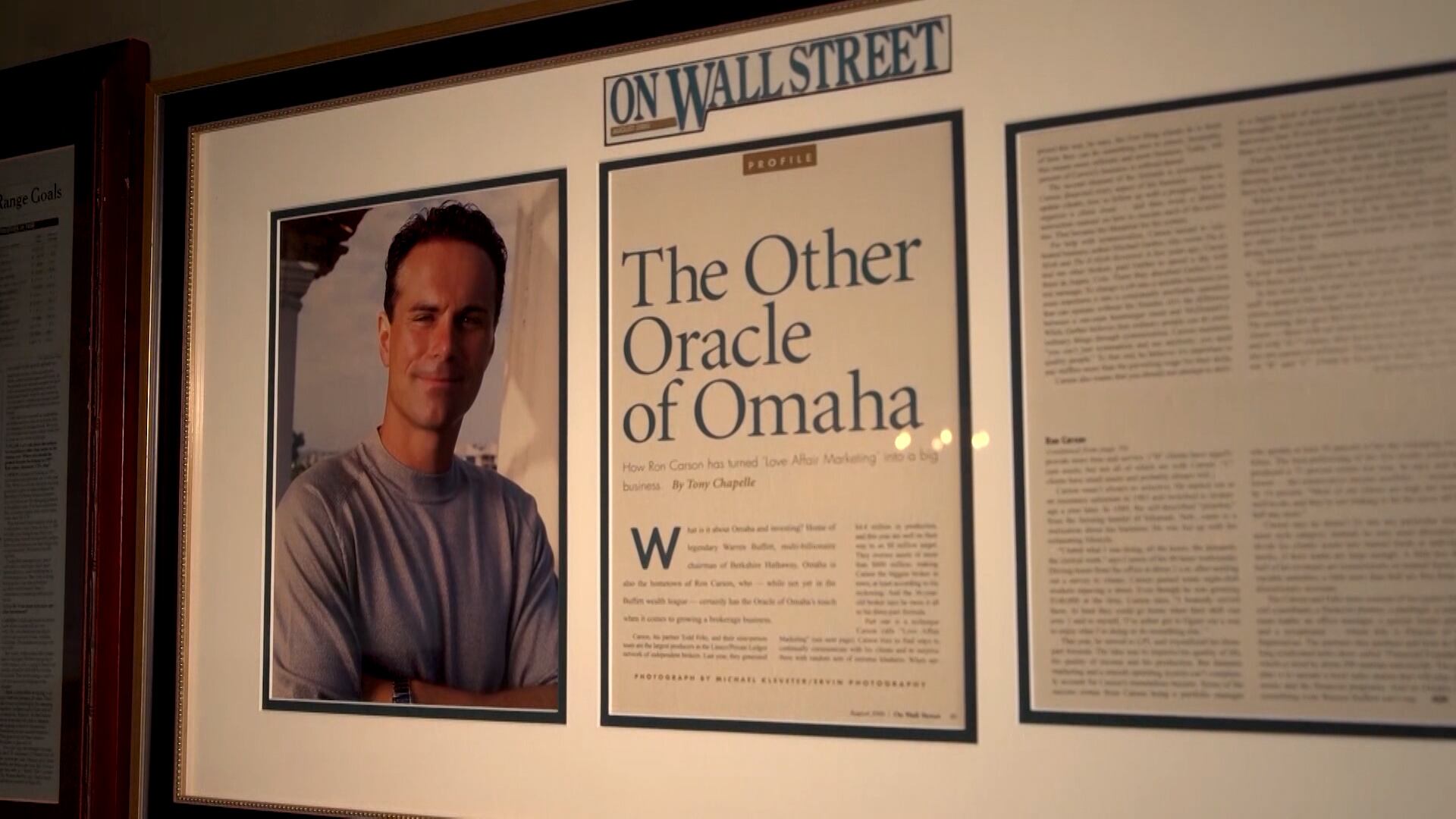
Ron Carson, CEO and Founder of Carson Wealth, sits down with Cheddar's Hena Doba to share how he achieved 'work-life harmony' by investing time and money into businesses he's passionate about.
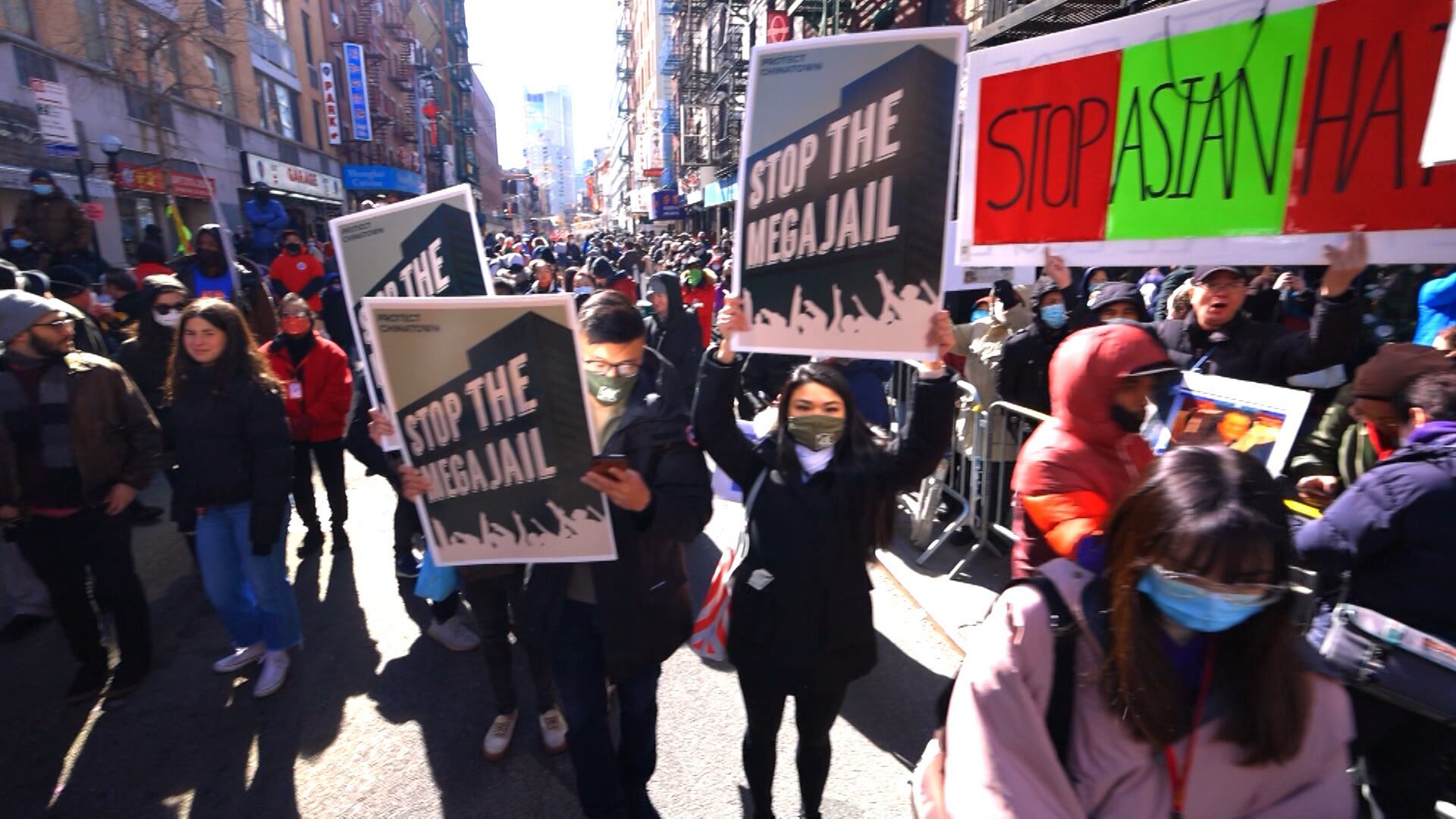
Jan Lee, co-founder of Neighbors United Below Canal, joins Cheddar News to discuss how the new mega jail in NYC's Chinatown will negatively impact the community.
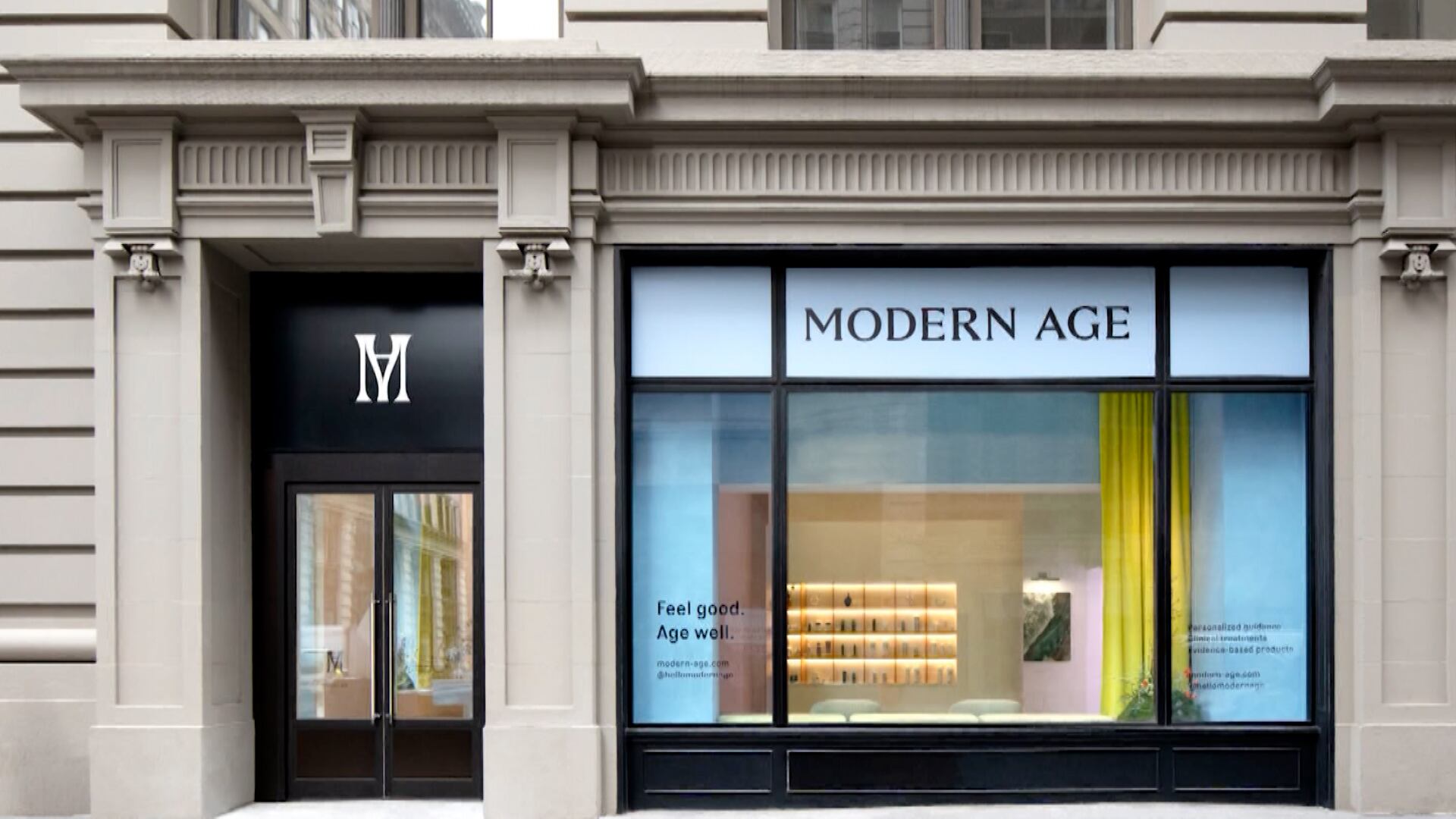
Melissa Eamer, founder and CEO of aging wellness brand Modern Age, joins Cheddar News to discuss the recent launch of its digital experience and flagship in New York City.
Danny Trejo is teaming up with Tostitos the once again for Cinco de Mayo. The actor and restaurateur is starring in the tortilla chip brand's commercial with Sofia Reyes to inspire others on how to celebrate the holiday. The "Machete" star joined Cheddar News to talk about the campaign. "I only do things I like, and I like Tostitos," he said. "You know, I love their Scoops. They don't break in the guacamole."
With National Infertility Awareness Week underway, the fertility and family-building benefits provider for employers, Kindbody, is looking to make a full suite of treatments and care accessible — including for LGBTQ+ patients. Founder and chairwoman Gina Bartasi joined Cheddar's Opening Bell to talk about the importance of infertility awareness, what role employers play in offering benefits, and how to remove the stigma around the fertility conversation. "We have to talk about the patient holistically, not just fertility services, but what can we do from a mental health standpoint to support patients," she said. "Most patients talk about fertility being more stressful than divorce, infertility being more prevalent than cancer or diabetes. So it is our mission, remains our mission, to elevate awareness around infertility, not just [during] National Infertility Awareness Week."
With a constrained supply of housing in the most desirable markets, home prices have risen nearly 20 percent year-over-year in February. David O’Reilly, CEO of Howard Hughes Corporation, joined Cheddar News to talk about where people are migrating to, and away from, leading to red hot real estate. "We see clearly the most demand is going into those states that I would define as warmer and less expensive, those secondary cities like Houston, Phoenix, and Las Vegas, where individuals are trading in higher traffic and lower quality of life for more affordability," he said. O'Reilly pointed to urban centers in the Northeast and West Coast as seeing the most losses in residents.
Social media giants including Twitter, Meta, Alphabet, and Pinterest all report earnings this week, and there's plenty to keep an eye on. One big earnings report to watch will be Twitter's, after the company today accepted Tesla CEO Elon Musk's $44 billion bid to take the company private. Investors will also be keeping an eye on ad revenue, user numbers, and more when it comes to Meta's social media networks like Facebook and Instagram. Ted Mortonson, technology strategist at Baird, joins Closing Bell to discuss Musk's Twitter takeover, how Apple's iOS privacy change could continue to impact ad revenue, and more.
Brian Moody, Executive Editor at Autotrader, joined Closing Bell's Ken Buffa to look ahead at what to expect from legacy automakers GM and Ford, as the auto industry attempts to navigate a combination of issues, including supply chain constraints and rising interest rates.