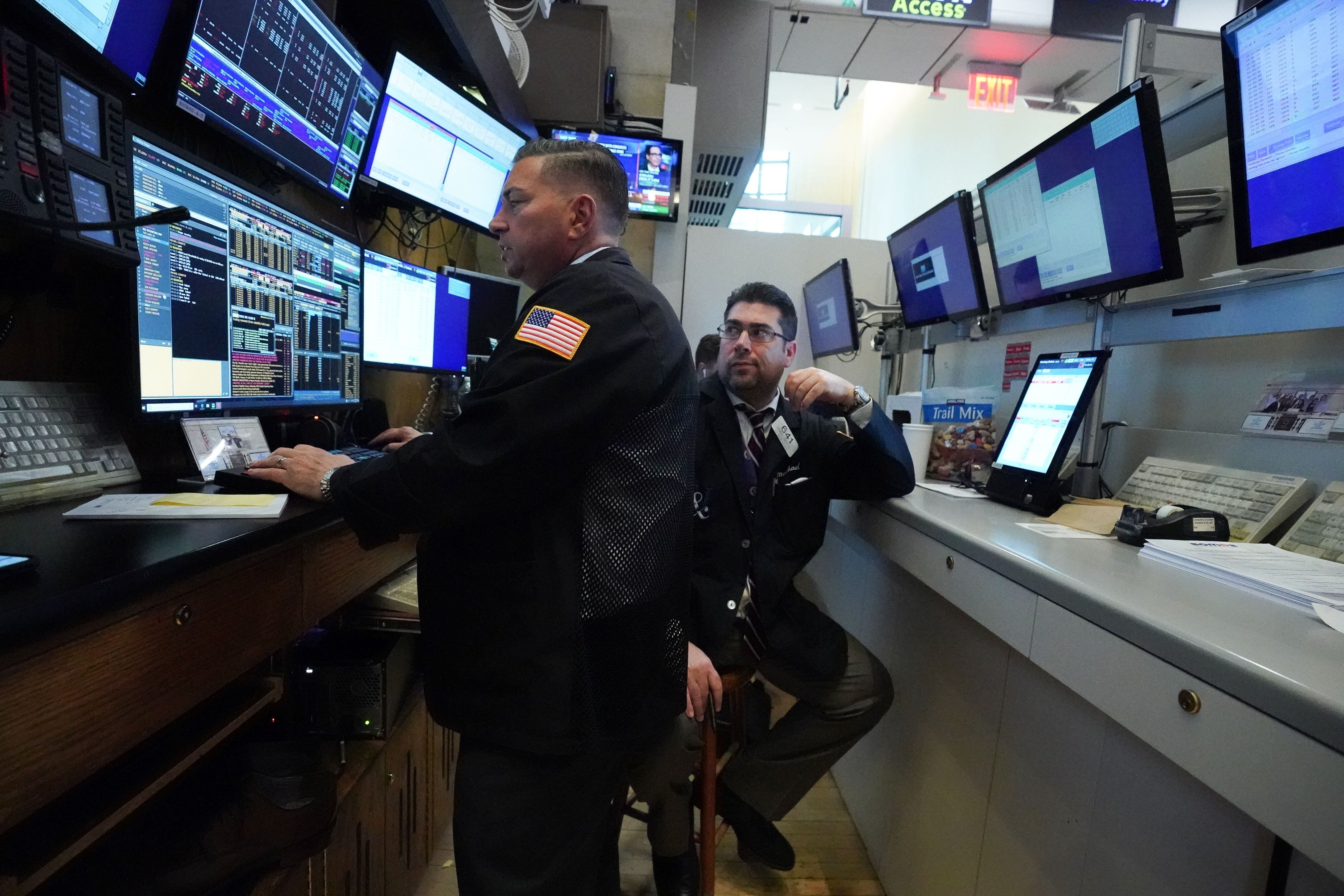
Traders work and watch president Donald Trump speak on television on the floor at the New York Stock Exchange on March 18, 2020 in New York. (Photo by Bryan R. Smith / AFP) (Photo by BRYAN R. SMITH/AFP via Getty Images)
By Stan Choe
Stock trading has been halted for the fourth time this month Wednesday as S&P 500 drops 7%. Trading will resume in 15 minutes. The automatic circuit-breaker was triggered around 1 p.m. Eastern time as President Donald Trump and other officials were updating reporters on measures to combat the coronavirus. Markets have been highly volatile in recent weeks as the outbreak seems increasingly likely to cause a global recession. The price of crude oil dropped another 18% as traders anticipate a sharp pullback in demand for energy. Even prices for longer-term U.S. Treasurys fell as investors sold what they could to raise cash.
THIS IS A BREAKING NEWS UPDATE. AP’s earlier story is below:
U.S. stocks sank close to 6% in midday trading Wednesday, part of another worldwide sell-off, and wiped out the big gains and optimism that Washington had sparked the prior day with promises for massive aid for the economy.
Markets have been incredibly volatile for weeks as Wall Street and the White House acknowledge an increasing risk of a recession due to the coronavirus outbreak. The typical day this month has seen the stock market swing up or down by 4.9%. Over the last decade, it was just 0.4%.
The selling pressure swept markets around the world. Benchmark U.S. oil fell 14% after dropped below $25 per barrel for the first time since 2002. European stock indexes lost more than 4% following broad losses in Asia. Even prices for longer-term U.S. Treasurys, which are seen as some of the safest possible investments, fell as investors sold what they could to raise cash.
The S&P 500, which dictates how 401(k) accounts perform much more than the Dow, is down nearly 30% from its record set last month.
It was just a day ago that the S&P 500 surged 6% after President Donald Trump said he’s “going big” in plans to aid an economy that’s increasingly shutting down by the day. The program could approach $1 trillion, and it would follow a spate of emergency actions by the Federal Reserve and other central banks to get financial markets running more smoothly.
Despite all that, investors are struggling with how much to pay for anything — stocks, bonds, oil — when it’s so uncertain how badly the economy is getting hit, how much profit companies will make and how many companies may go into bankruptcy due to a cash crunch.
“These are truly unprecedented events with no adequate historical example with which to precisely anchor our forecast,” Deutsche Bank economists wrote in a report Wednesday.
With all the uncertainty and early evidence that China’s economy was hit much harder by the virus than earlier thought, they now see “a severe global recession occurring in the first half of 2020.”
But they also are still forecasting a relatively quick rebound, with activity beginning to bounce back in the second half of this year in part because of all the aid promised from central banks and governments.
Investors say they need to see the number of infections slow before markets can find a bottom. The number of new cases reported in China, where the virus emerged in December, is declining but infections in the United States, Europe and elsewhere are increasing.
The number of infections has topped 200,000 worldwide, and the virus has killed more than 8,000.
For most people, the coronavirus causes only mild or moderate symptoms, such as fever and cough, and those with mild illness recover in about two weeks. Severe illness including pneumonia can occur, especially in the elderly and people with existing health problems, and recovery could take six weeks in such cases.
The Dow Jones Industrial Average was down 1,280 points, or 6%, as of 11:38 a.m. Eastern time. after being down as many as 1,365 shortly after trading began. If stays there, it would be the eighth straight day the Dow has moved by that much.
All the uncertainty has pushed many people toward safety. Last month, investors pulled $17.5 billion out of stock mutual funds and exchange-traded funds, even though stocks set all-time highs in the middle of the month. Money-market funds, meanwhile, drew $25.5 billion, according to Morningstar.
That was all before the market's sell-off accelerated this month, as broad swaths of the economy shut down in hopes of better containing the outbreak. Restaurants have closed to dine-in customers, planes are parked and sports arenas have been dimmed. Goldman Sachs strategists describe this month as “March Sadness.”
This year's worldwide semiconductor shortage limited the supply of everything from new cars to smartphones; and now, many in the chip industry expect the shortage to continue deep into 2022, and maybe even 2023. Semiconductor senior research analyst for Robert W. Baird & Co., Tristan Gerra, joins Cheddar News' Closing Bell to discuss.
Direct health care company Nomi Health recently raised $110 million in a Series A round. Nomi Health lets public and private organizations directly purchase healthcare at reduced costs, and pay providers in real-time. It also delivers healthcare directly to under-served communities via its fleet of mobile care units, which the company says is the largest in the country. Nomi Health says its mission is to improve the health care experience for all Americans. Nomi Health CEO Mark Newman joined Cheddar News' Closing Bell to discuss.
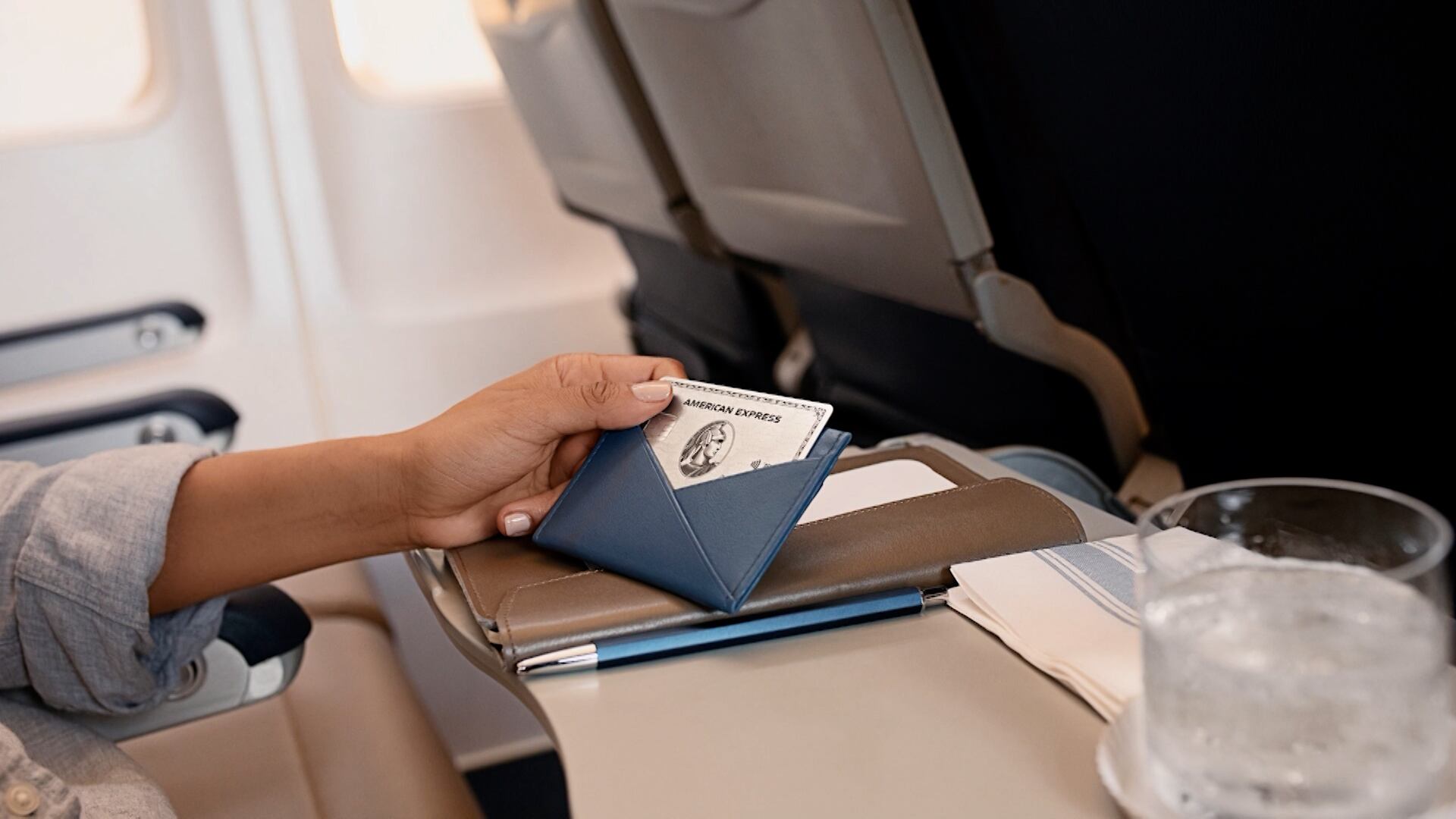
American Express and Nova Credit have partnered the credit passport program aimed at expanding access to credit for immigrants from the Dominican Republic, Nigeria, Kenya, and Brazil. Misha Esipov, co-founder and CEO of Nova Credit, joined Cheddar's Ken Buffa to talk about the program's benefits for immigrants who have to start over in the U.S. and are looking to establish a credit history. "If you were a good borrower in your home country — and you can prove you were a borrower in your home country — when you first arrive here, you can use that information to continue to be a good borrower," he said of the service.
Despite the rising cost of a home in the U.S., sales rose 1.9 percent in November, and according to Zillow, prices are expected to climb even higher in 2022. M. Ryan Gorman, president and CEO of Coldwell Banker Real Estate, told Cheddar's "Closing Bell" that while median prices are high, demand for a new home is just as high, particularly in "tax and weather favorable" destinations like Florida, Tennessee, and Texas. Gorman also said he sees buyer demand remaining high next year even if interest rates rise somewhat, noting that the already tight housing inventory is expected to slim down even more and foreign purchasers return to the market. "As we get past the holidays and those foreign buyers are able to come back and actually acquire homes and go shopping, I think that may be a bigger driver of some of that increase in buyer demand," he said.
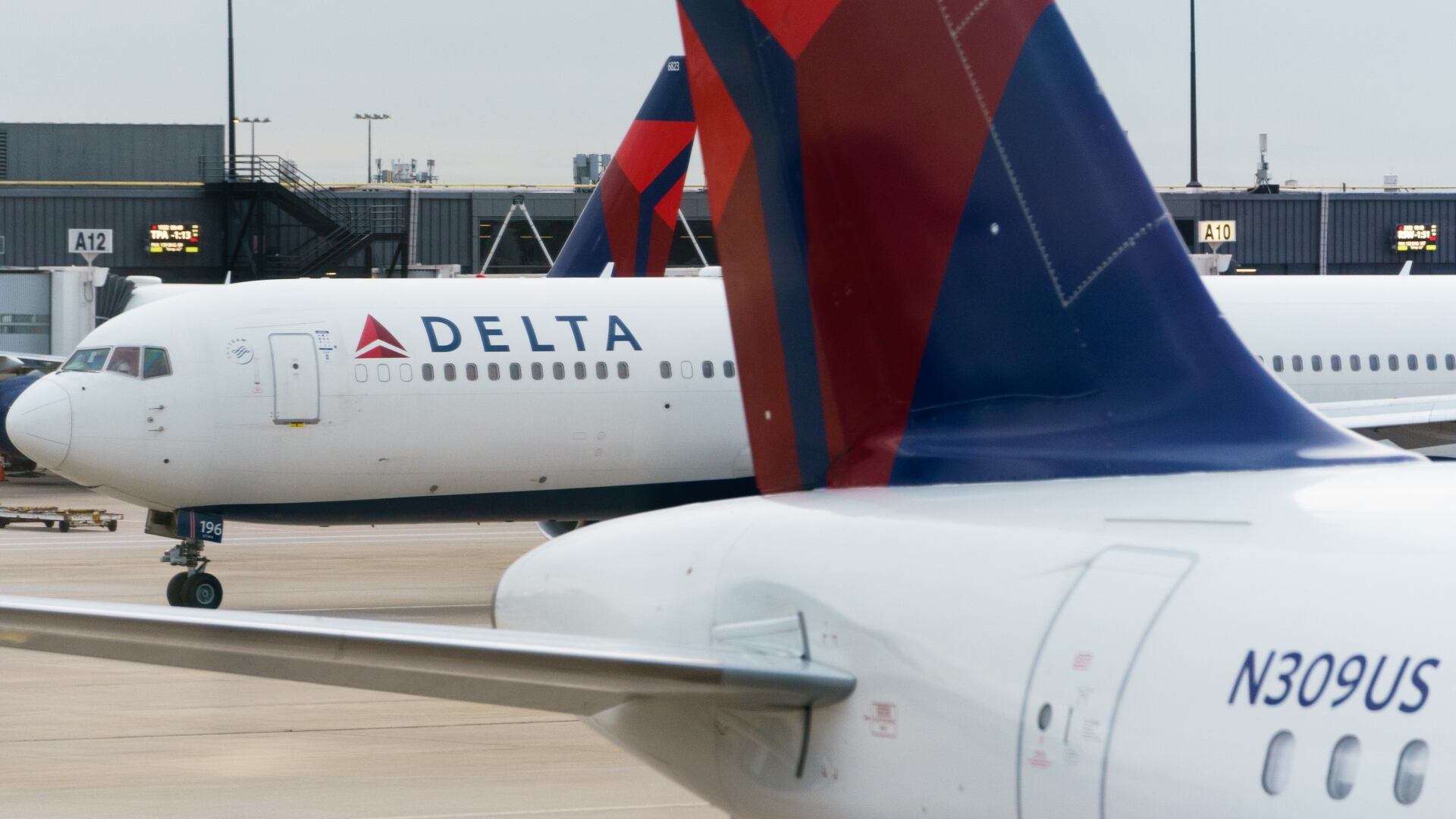
The airline industry says it is contending with staff shortages that threaten to hamper operations amid the COVID resurgence, andDelta Airlines CEO Ed Bastian called on the CDC to revise its guidance for vaccinated workers who test positive from a 10-day quarantine to just five. Chuck Liberman, chief investment officer and managing partner at Advisors Capital Management LLC, joined Cheddar to talk about the current guidance on isolation and why he believes the omicron variant calls for more relaxed guidance given its reportedly mild symptoms.
A new series is looking to advance Black founders who have disruptive ideas and companies. 'Bet on Black' is a new series that allows black entrepreneurs to pitch their businesses in the hopes of securing $200,000 in funding. Revolt TV and Target teamed up to create the show. Detavio Samuels, CEO of Revolt, joins Cheddar News to discuss.
Bitcoin's rise to the mainstream has been a wild ride this year. The cryptocurrency is trading a little under $49,000 Wednesday morning and is set to finish the year sharply higher than where it began earlier this year. Ether prices also soared this year, rising from $730 per coin to nearly $4,000. Ben Armstrong, founder of Bitboy Crypto, joins us to discuss what's in store for crypto in 2022.
The fitness industry was one of the most severely impacted at the start of the pandemic. As the omicron variant of COVID-19 threatens fitness centers and gyms, the Global Health and Fitness Association, along with the Community Gyms Coalition, are calling on the federal government to provide pandemic relief before the close of 2021. Crunch Fitness Franchise CEO Ben Midgely joined Cheddar to talk about proactive steps gyms are taking to maximize business as COVID resurges. "It should be a little bit easier," he said. "We hate to have to deal with it again, but it's what businesses in this country have to work with."
According to the FAA, airlines have reported over 5,000 incidents involving unruly passengers this year, with more than 3,600 of those involving people who refused to wear face masks. As a result of all this, airline crews are calling on the federal government to step in to implement protocols to help ensure safety on the ground and while in flight. President of the Association of Flight Attendants- CWA Sara Nelson, joined Cheddar to discuss more.