By Stan Choe
U.S. stocks drifted to a mixed finish Wednesday, as drops for Microsoft and other big-name tech stocks overshadowed gains across much of the rest of Wall Street.
The S&P 500 fell 16.33, or 0.4%, to 4,267.52 even though the majority of stocks within the index rose. The Dow Jones Industrial Average gained 91.74, or 0.3%, to 33,665.02, while the Nasdaq composite fell 171.52, or 1.3%, to 13,104.89.
Microsoft, Amazon, Nvidia and Alphabet all sank at least 3% and were the heaviest weights on the S&P 500. Because they're some of Wall Street's most valuable stocks, their movements pack extra punch on the index.
It's a reversal from much of this year, where a narrow group of high-growth stocks led the way on hopes for easier interest rates from the Federal Reserve and excitement around artificial intelligence. But tech stocks are seen as some of the hardest hit by higher interest rates, and yields were on the rise in the Treasury market.
Yields climbed after the Bank of Canada raised its policy interest rates on Wednesday, surprising some investors after it had left rates steady since January. The Fed will make its own decision on rates next week.
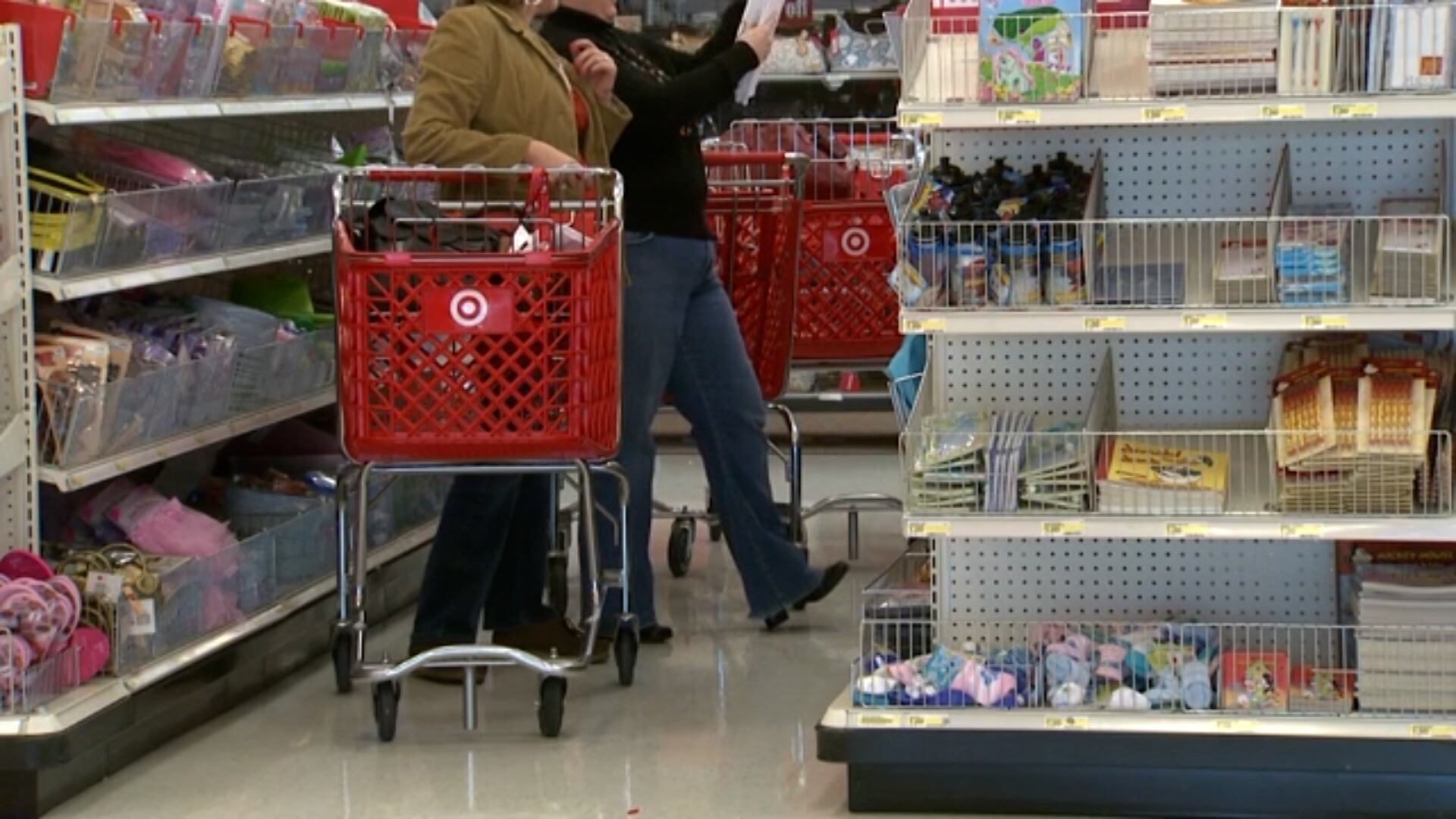
Campbell Soup, meanwhile, sank 8.9% after reporting weaker revenue for the latest quarter than expected. It also gave a forecast for earnings that fell short of analysts’ expectations, as price increases push some customers to buy less.
But much of the rest of the market rose as the gains on Wall Street broaden out some. The Russell 2000 index of smaller stocks jumped 1.8% to continue its hot streak since a stronger-than-expected report on hiring last week suggested a recession may be further off than feared.
On the winning side of Wall Street was Dave & Buster’s, which jumped 18.3% after reporting stronger profit for the latest quarter than expected.
Brown-Forman rose 4% after the spirits company reported stronger profit than expected for the latest quarter, thanks in part to growth for its Woodford Reserve brand.
The market in general has climbed for months thanks to a resilient economy that’s managed to defy predictions for a recession. But the threat still looms, and Wall Street is questioning which will come first: a recession or inflation falling enough to get the Federal Reserve to cut interest rates?
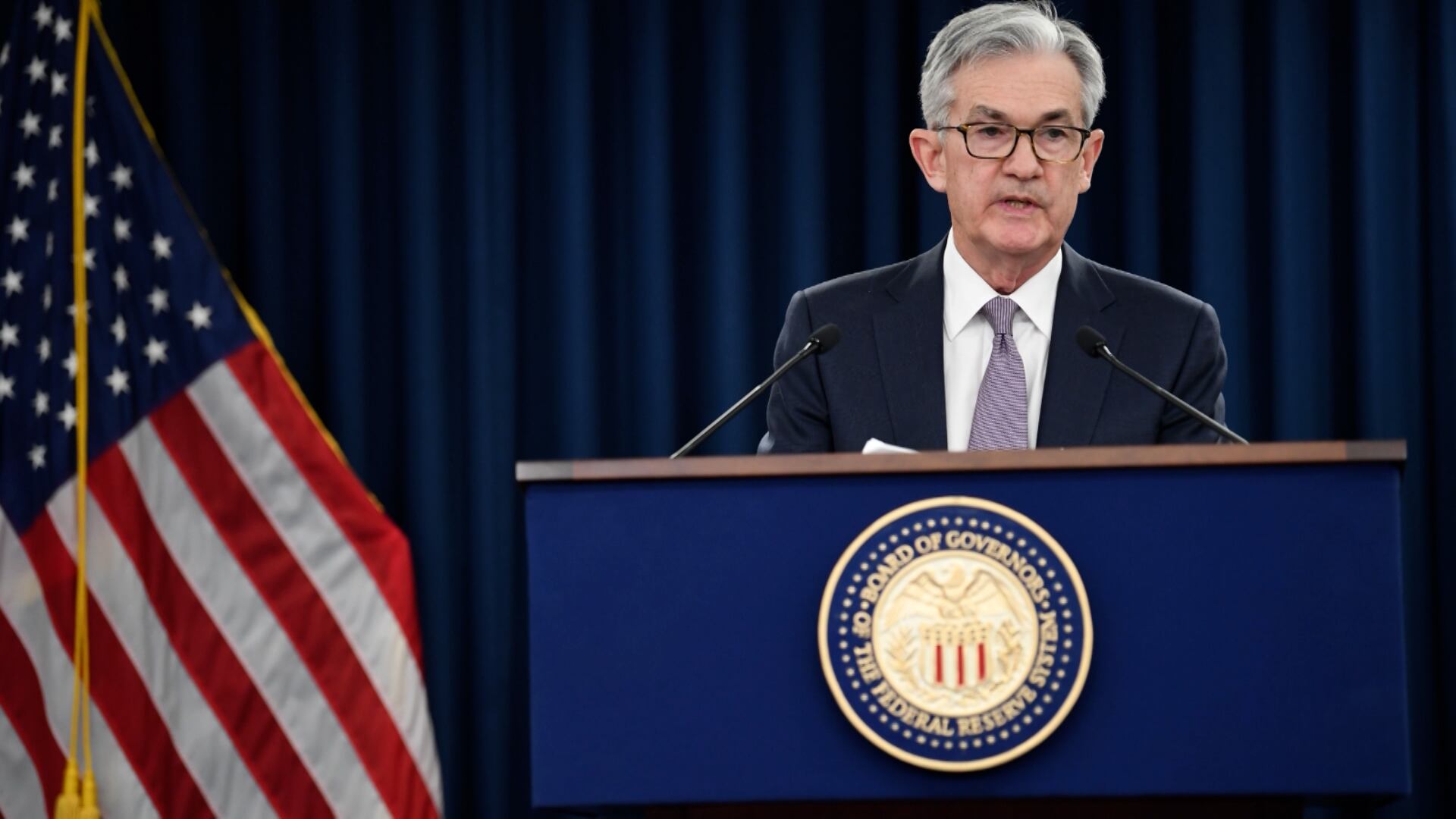
That’s why much of Wall Street’s focus is on next week. The U.S. government is scheduled to release the latest monthly updates on inflation at the consumer and wholesale levels. The Federal Reserve will also announce its latest move on interest rates Thursday.
The dominant expectation among traders is for the Fed to leave rates steady next week. That would mark the first meeting in more than a year where it hasn’t hiked rates. But traders still expect the Fed to resume raising rates in July.
That’s key because the goal of high interest rates is to corral high inflation by slowing the entire economy and hurting prices for stocks, bonds and other investments. The Fed has hiked its benchmark overnight interest rate to the highest level since 2007.
Pressure from high rates have already caused cracks in the U.S. banking and manufacturing industries, though the job market has remained remarkably solid.
One expected boost to the global economy has not come through, which has added to the pressure. In China, trade data pointed to a further slowing of the world's second-largest economy.
China reported its exports fell 7.5% from a year earlier in May and imports were down 4.5%, adding to signs of a slowing of its economic recovery following the lifting in December of anti-COVID controls that disrupted travel and commerce.
The decline in exports was the first year-on-year drop in three months, with export volumes falling below their levels at the start of the year. “And with the worst yet to come for many developed economies, we think exports will decline further before bottoming out later this year,” Julian Evans-Pritchard of Capital Economics said in a commentary.
Stocks in Shanghai gained 0.1%, while Hong Kong's Hang Seng rose 0.8%.
Tokyo’s Nikkei 225 index lost 1.8%, the sharpest decline in 12 weeks. Analysts said investors were selling to lock in recent gains since prices have risen to their highest level since the early 1990s.
In the bond market, the yield on the 10-year Treasury rose to 3.78% from 3.68% late Tuesday. It helps set rates for mortgages and other important loans.
The two-year yield, which moves more on expectations for the Fed, rose to 4.55% from 4.50%.
AP Business Writers Matt Ott and Elaine Kurtenbach contributed.