By Alex Veiga and Damian J. Troise
Updated 5:04 pm ET
Stocks ended broadly lower on Wall Street Tuesday as trading turned wobbly a day after the market notched its biggest jump in more than five weeks.
The S&P 500 fell 1% after having been up by 0.4% in the early going. Losses in banks, health care stocks, and household goods companies accounted for a big portion of the selling. A late-day slide erased early strength in technology stocks and companies that rely on consumer spending.
Bond yields mostly fell and the price of gold rose, signs that investors were feeling cautious.
“Today is a little bit of a pause day after a significant rally,” said Eric Freedman, chief investment officer at U.S. Bank Wealth Management.
Investors are betting that the economy and corporate profits will begin to recover from the coronavirus pandemic as the U.S. and countries around the world slowly open up again. However, concerns remain that the relaxing of stay-at-home mandates and the reopening of businesses could lead to another surge in infections, potentially ushering in another wave of shutdowns.
The S&P 500 lost 30.97 points to 2,922.94, snapping a three-day winning streak. The Dow Jones Industrial Average fell 390.51 points, or 1.6%, to 24,206.86. The Nasdaq composite dropped 49.72 points, or 0.5%, to 9,185.10. The Russell 2000 index of small-company stocks gave up 25.97 points, or 1.9%, to 1,307.72.
Wall Street kicked off the week with a bang, as optimism about a potential vaccine for COVID-19 and hopes for a U.S. economic recovery in the second half of the year pushed stocks sharply higher Monday, reversing all of the market's losses so far this month. Tuesday's selling cut into some of those gains. The S&P 500 is now down 13.7% from its all-time high in February.
Investors are focused on gauging the risk for a second or third wave of coronavirus cases as more swaths of the U.S. reopen for business.
“As long as we have a supportive Fed, a responsive legislative branch that is at least open to considering more stimulus, and we see openings occur on a measured, but consistent basis, we still think there’s still basis for this market to be propelled higher,” Freedman said.
Still, quarterly results from big retailers Tuesday underscore the challenges companies face as long as the outbreak weighs on consumers and compels government officials to mandate restrictions on commerce. Companies that have been able to remain open or effectively amplify their e-commerce business have been able to fare far better than those that have had to temporarily close doors.
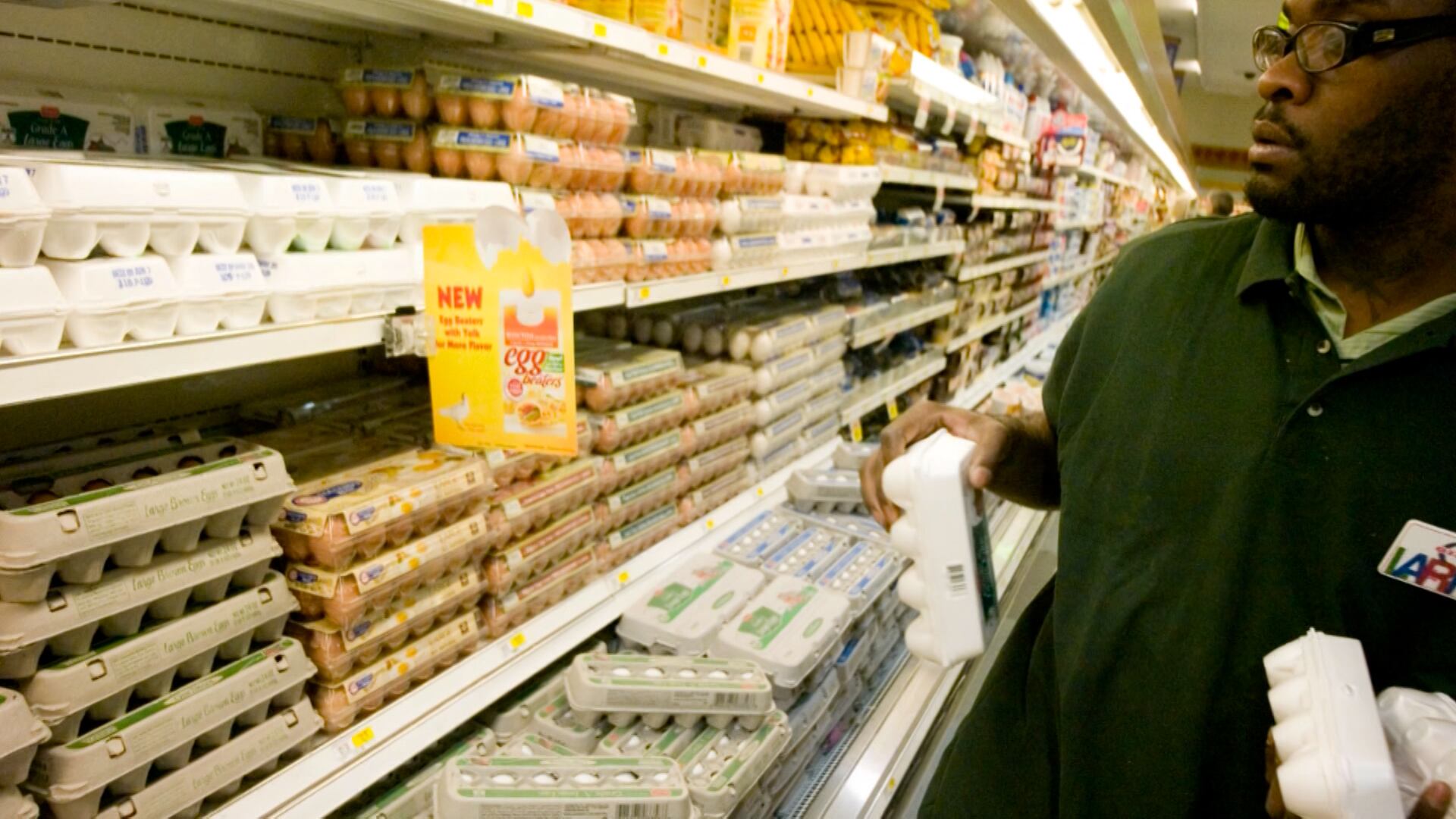
Walmart reported a 74% surge in fiscal first-quarter sales as people stocked up on crucial supplies while sheltering in place due to the coronavirus. Its earnings fell as it spent $900 million in additional compensation for workers, but still topped Wall Street's forecasts. Its shares initially headed higher but finished 2.1% lower.
Meanwhile, Kohl’s, whose stores have been closed during the outbreak, fell 7.7% after reporting that it swung to a $541 million quarterly loss as its revenue sank more than 40%.
Traders also hammered shares in Home Depot after the home improvement supply chain reported quarterly results that fell short of Wall Street's estimates. While the company benefited from a surge in homeowners rushing to buy essential supplies, increased spending on employee compensation and other costs related to the coronavirus dragged on its profits. The stock fell 3%.
“Investors have been looking for companies and sectors that could do well in the current environment,” said Sal Bruno, chief investment officer of IndexIQ. “Looking forward, where does that continued leadership come from?”
The Commerce Department said residential construction ground breakings fell in April to their lowest level in five years. But building permits, a gauge of potential future construction activity, fell less than analysts had expected. That helped push several homebuilder stocks higher. Beazer Homes USA led the pack, surging 5.9%.
Oil prices ended mixed, though they remained above $30 a barrel. Benchmark U.S. crude oil for June delivery rose 68 cents, or 2.1%, to settle at $32.50 a barrel. July delivery of Brent crude oil, the international standard, fell 16 cents, or 0.5%, to $34.65 a barrel.
Prices have firmed up as oil-producing nations cut back on output and as the gradual reopening of the economies around the globe helps spur demand, which crashed earlier this year due to widespread travel and business shutdowns related to the coronavirus. Crude oil started the year at about $60 a barrel.
Bonds yields mostly fell. The yield on the 10-year Treasury note, a benchmark for interest rates on many consumer loans, slid to 0.68% from 0.74% late Monday.
France’s CAC 40 lost 0.9%, while Germany’s DAX inched up 0.1%. Britain’s FTSE 100 dropped 0.8%. Markets in Asia finished higher.