Starz Files Petition to FCC to Intervene in Fight with Altice
Cable and satellite entertainment company Starz filed a petition, asking the FCC to step in to resolve a fight with Altice. Axios Media Reporter Sara Fischer explains what this means for the telecommunications space.
"It's unusual. The FCC typically doesn't like to intervene in this type of argument. They want to leave it to the companies themselves," explains Fischer. "But what Starz is arguing that Altice is not upholding rules FCC puts in place with how you treat consumers in this battle."
Fischer says this feud is especially messy because of the amount of steps that have ensued in Starz trying to restore its distribution on Altice.
As TikTok grows in popularity, so does its ad revenue potential. Research firm Insider Intelligence forecasts the app's revenue will likely triple in 2022 to more than $11 billion, putting it past the sales of both Twitter and Snapchat combined. Cheddar News takes a closer look.
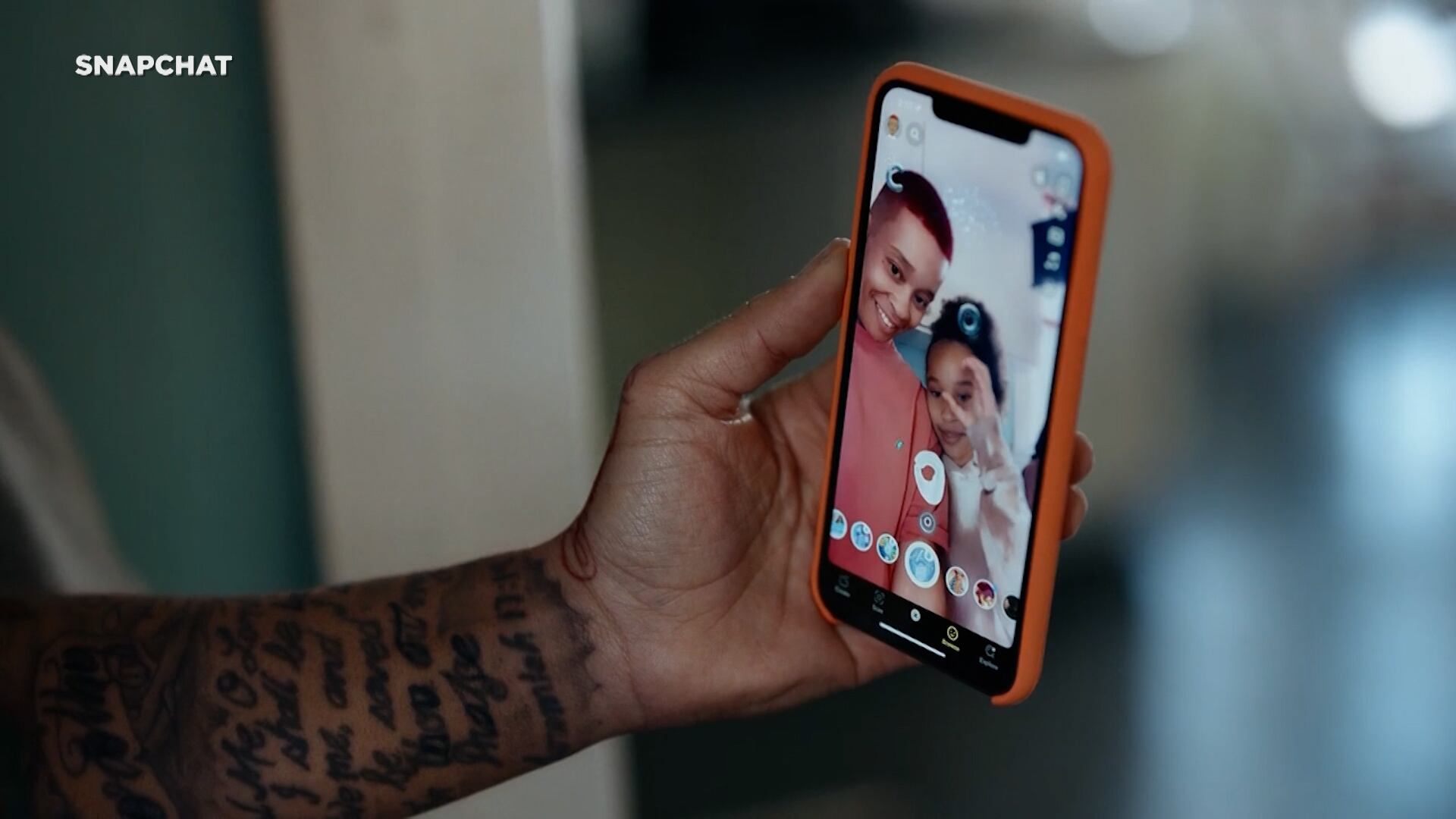
Snapchat has launched its first features to help users learn American Sign Language through its lenses and a game. The project was spearheaded by deaf and hard-of-hearing workers. Cheddar News was joined by Austin Vaday, software engineer at Snap, and his sign language interpreter, Jonathan Webb, to discuss the ASL Fingerspelling Lens and how the project came together. “We wanted to find a way to appropriately and properly educate the community so that folks can communicate with people like me using sign language," Vaday stated.
Brittan Heller, founder of the Center for Digital Civil Rights and a fellow at the Atlantic Council, joins Cheddar News to discuss the rise of sexual assault in the metaverse.
The second-largest stablecoin, USDC, backed by the company Circle recently received a $400 million funding infusion from traditional financial firms like BlackRock and Fidelity even as crypto reels from more high profile heists.
A group of Tesla shareholders suing CEO Elon Musk over some 2018 tweets about taking the company private is asking a federal judge to order Musk to stop commenting on the case.
The Week's Top Stories is a guided tour through the biggest market stories of the week, from winning stocks to brutal dips to the facts and forecasts generating buzz on Wall Street.
Between Bells executive producer Conor White recaps some of the biggest stories of the week, and teaches Azia Celestino and Hena Doba a thing or two at the same time. It's This Week In Trivia!
Josh Thorngren, vice president of growth at the cybersecurity company Torq, joined Cheddar News to talk about staffing shortages hitting his industry, and what he thinks is behind it. "Over 70 percent of cybersecurity professionals say they're unhealthily stressed, and it's stress because we only talk about them when they failed," he said. "That makes the job harder day in and day out, and so it's not just a how do we keep up with the rising challenge, it's how do we actually retain folks who are in these positions today." Thorngren also stated that cybersecurity needs to transform into a less technical field in order to appeal to a bigger group of potential workers.