The U.S. tax reform pushed by the Trump Administration has prompted many corporations to announce bonuses and wage hikes for their employees. Starbucks is one of the latest to boost its compensation and benefits package in light of the recent changes in U.S. tax law. Ron Crawford, VP of Benefits at Starbucks, was with us to discuss the company's investment in benefits.
Starbucks said the U.S. tax reform accelerated its latest investment in paid leave and wages. Had there not been tax reform, Crawford said Starbucks still would have made investments in compensation, but the timing and the extent of it may have been different. The offerings will total more than $250 million for more than 150,000 workers.
Digital apps and emerging technologies are driving more coffee runs to Starbucks, says Crawford. He believes digitization has brought more customers to its stores and boosted interactions between customers and employees. Starbucks is pumping in $7 billion of capital to build and renovate stores, manufacturing plants and technology platforms in the U.S. over the next five years.
Gerber parent company Perrigo issued a voluntary recall of Gerber's Good Start SoothePro Infant Formula "out of an abundance of caution" regarding a link to possible Cronobacter sakazakii contamination.
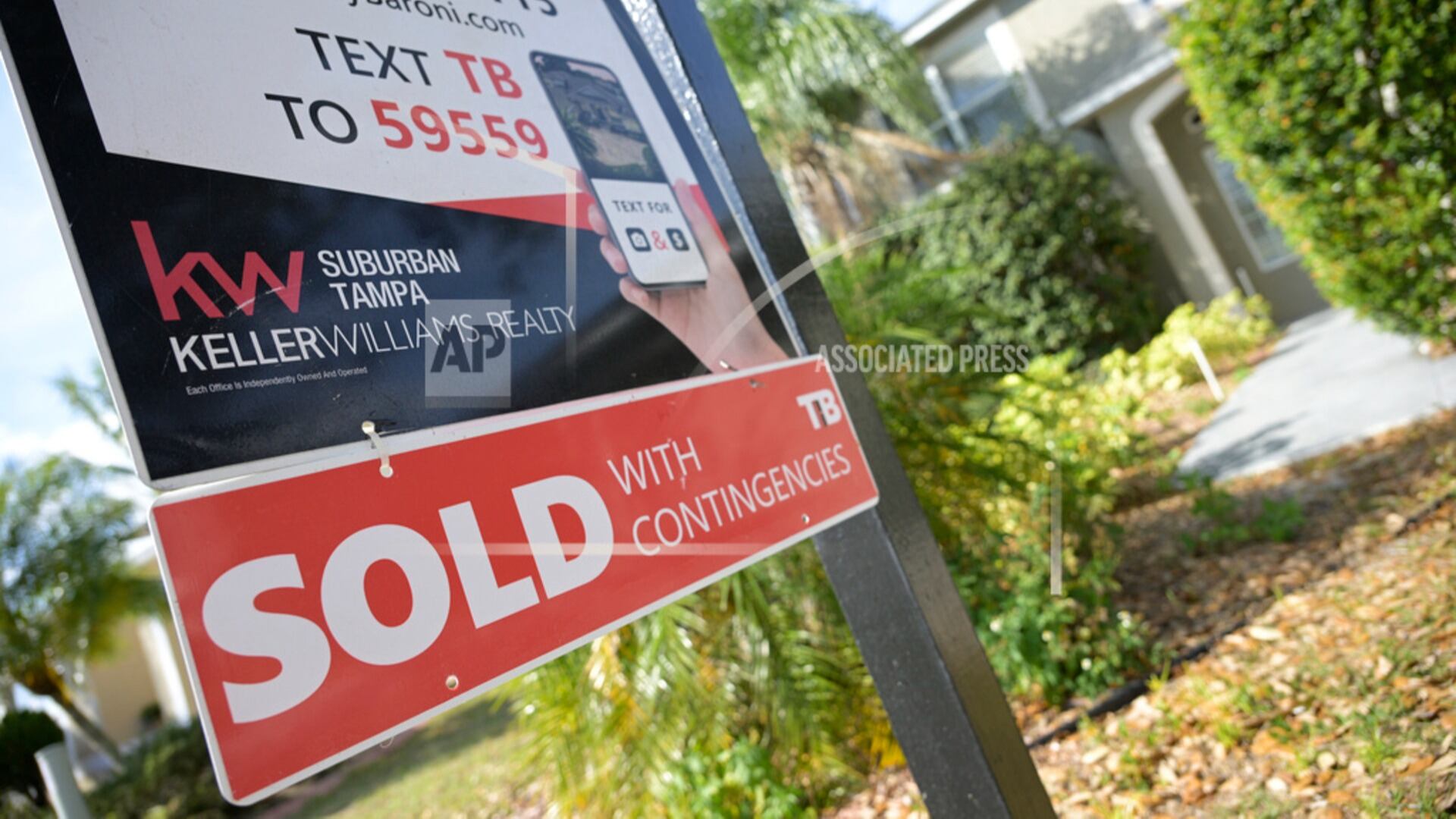
Sales of previously owned homes surged 14.5 percent in February, ending a 12-month streak of steady declines, according to the National Association of Realtors.
TikTok has rolled out updated rules and standards for content and its CEO warned against a possible U.S. ban on the video sharing app as he prepares to face Congress.
Foot Locker is planning to close 400 stores by 2026 as part of a "reset" of its retail brand. The relaunch could also introduce "experiential" new stores and shifting away from underperforming stores in malls, which currently account for 10 percent of its sales.
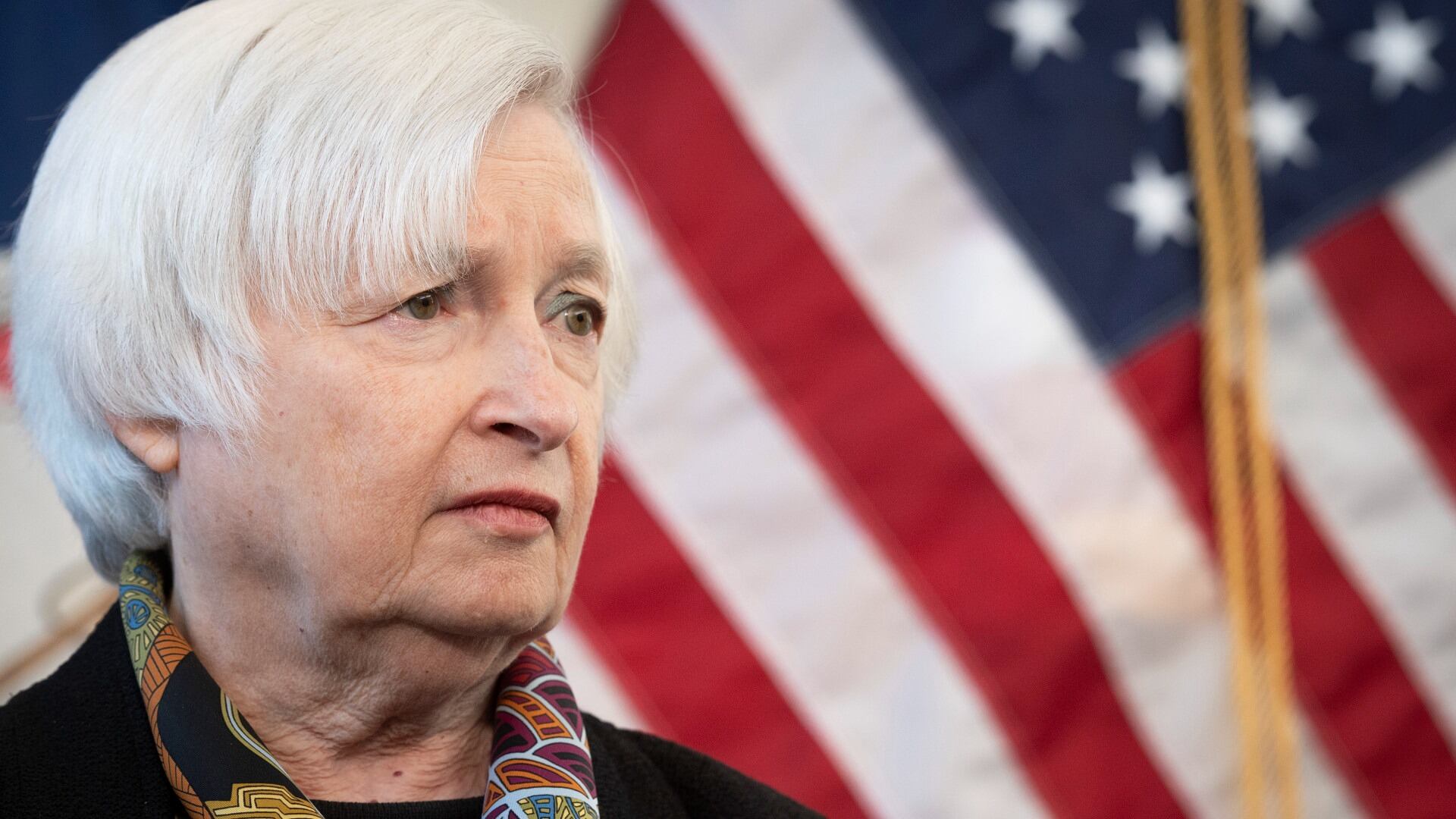
Treasury Secretary Janet Yellen is trying project calm after regional bank failures, saying the U.S. banking system is “sound” but additional rescue arrangements “could be warranted” if any new failures at smaller institutions pose a risk to financial stability.