The U.S. tax reform pushed by the Trump Administration has prompted many corporations to announce bonuses and wage hikes for their employees. Starbucks is one of the latest to boost its compensation and benefits package in light of the recent changes in U.S. tax law. Ron Crawford, VP of Benefits at Starbucks, was with us to discuss the company's investment in benefits.
Starbucks said the U.S. tax reform accelerated its latest investment in paid leave and wages. Had there not been tax reform, Crawford said Starbucks still would have made investments in compensation, but the timing and the extent of it may have been different. The offerings will total more than $250 million for more than 150,000 workers.
Digital apps and emerging technologies are driving more coffee runs to Starbucks, says Crawford. He believes digitization has brought more customers to its stores and boosted interactions between customers and employees. Starbucks is pumping in $7 billion of capital to build and renovate stores, manufacturing plants and technology platforms in the U.S. over the next five years.
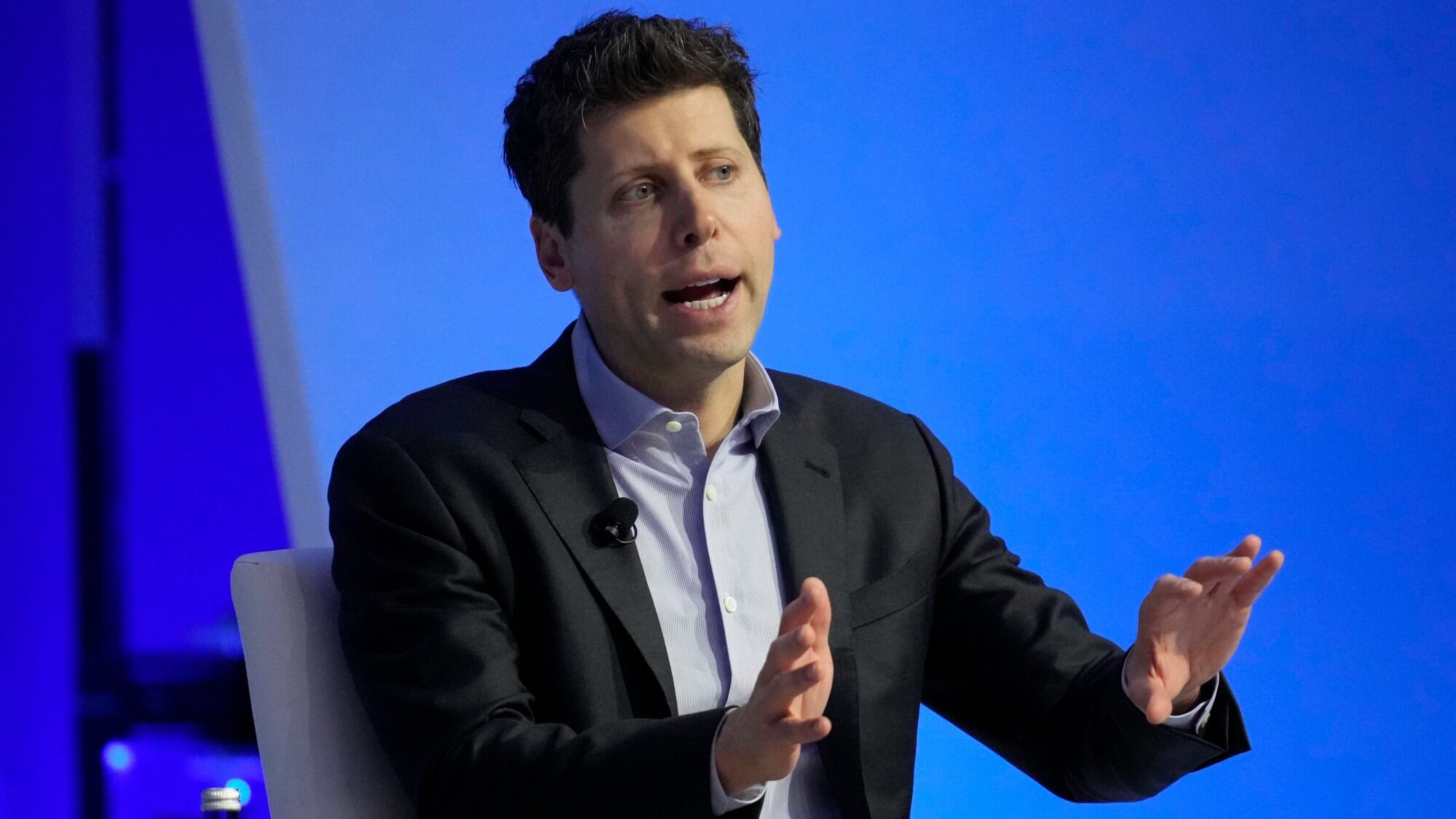
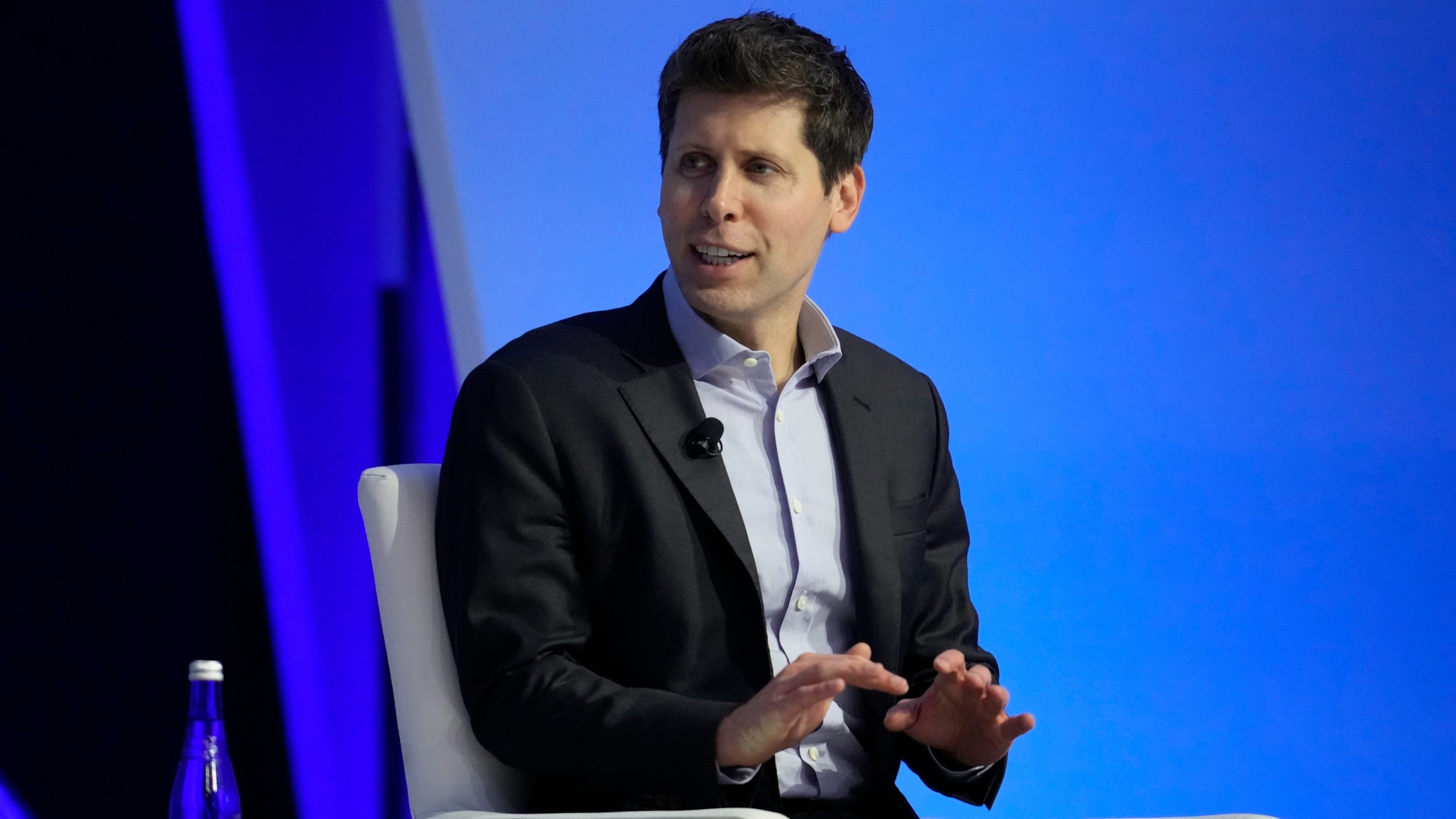
Microsoft has announced that it's hired Sam Altman and another co-founder of ChatGPT maker OpenAI after they unexpectedly departed the company days earlier in a corporate shakeup that shocked the artificial intelligence world.
Many factors lie behind the disconnect, but economists increasingly point to one in particular: The lingering financial and psychological effects of the worst bout of inflation in four decades.
Advertisers are fleeing social media platform X over concerns about their ads showing up next to pro-Nazi content, hate speech on the site in general or billionaire owner Elon Musk’s own posts endorsing an antisemitic conspiracy theory.
Big Business This Week is a guided tour through the biggest market stories of the week, from winning stocks to brutal dips to the facts and forecasts generating buzz on Wall Street.
The board of ChatGPT-maker Open AI said Friday it has pushed out its co-founder and CEO Sam Altman after a review found he was “not consistently candid in his communications” with the board.