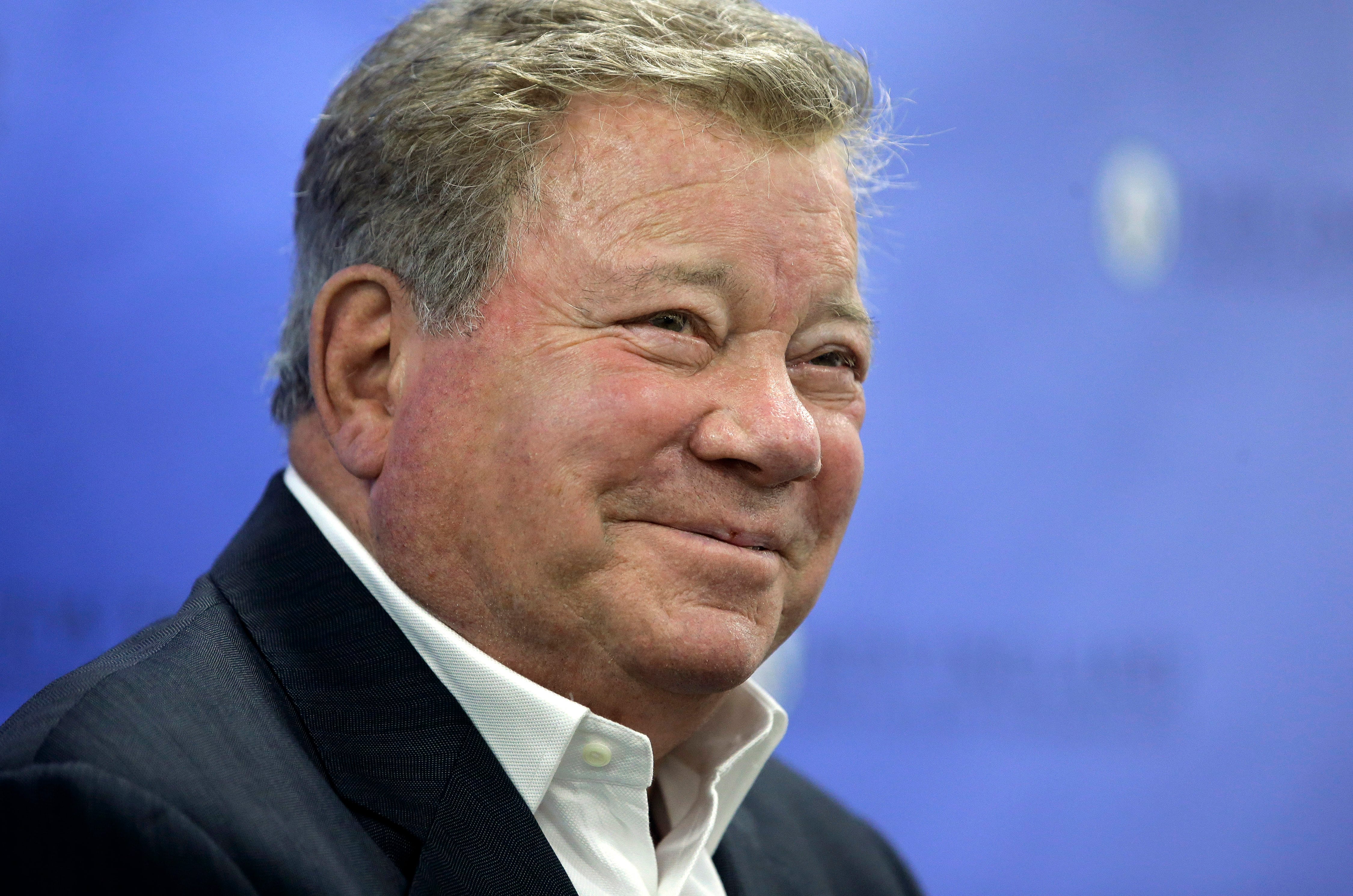
In this May 6, 2018 file photo, actor William Shatner takes questions from reporters after delivering the commencement address at New England Institute of Technology graduation ceremonies, in Providence, R.I. Star Trek’s Captain Kirk is rocketing into space this month — boldly going where no other sci-fi actors have gone. Jeff Bezos’ space travel company, Blue Origin, announced Monday, Oct. 4, 2021 that Shatner will blast off from West Texas on Oct. 12. (AP Photo/Steven Senne, file)
By Marcia Dunn
Captain Kirk is rocketing into space next week — boldly going where no other sci-fi actors have gone.
Jeff Bezos’ space travel company, Blue Origin, announced Monday that “Star Trek” actor William Shatner will blast off from West Texas on Oct. 12.
“Yes, it’s true; I’m going to be a 'rocket man!'” the 90-year-old tweeted. He added: “It’s never too late to experience new things.”
Bezos, the founder of Amazon, is a huge fan of the sci-fi series and even had a cameo as a high-ranking alien in the 2016 film “Star Trek Beyond." His rocket company invited Shatner to fly as its guest.
Shatner will become the oldest person to go to space. He’ll join three others — two of them paying customers — aboard a Blue Origin capsule. He would have been the first actor in space if Russia weren't launching an actress and a film director to the International Space Station on Tuesday for almost two weeks of moviemaking.
Shatner's flight, by comparison, will last just 10 minutes and reach no higher than about 66 miles (106 kilometers). The capsule will parachute back to the desert floor, not far from where it took off.
With flights short or long, space tourism is picking up steam fast.
Virgin Galactic carried founder Richard Branson to the edge of space with five others in July, followed nine days later by Bezos' space hop. Elon Musk's SpaceX, meanwhile, launched its first private crew last month — a Pennsylvania entrepreneur who bought the three-day flight and took along two contest winners and a cancer survivor.
Virgin Galactic's ship launches from an airplane and requires two pilots. Blue Origin and SpaceX's capsules are fully automated, but the passengers must pass medical screenings and, among other things, be able to quickly climb several flights of steps at the launch tower to get to the capsule — or out of it in an emergency.
This will be Blue Origin’s second launch of a crew.
Bezos was on the debut flight on July 20. He took along his brother, an 18-year-old from the Netherlands and 82-year-old aviation pioneer Wally Funk — the youngest and oldest to fly in space. Shatner will break that upper threshold by eight years.
"I’ve heard about space for a long time now. I’m taking the opportunity to see it for myself. What a miracle,” Shatner said in a statement.
Shatner played the role of the USS Starship Enterprise's commander for three seasons, from 1966 to 1969. He also portrayed Captain Kirk in seven movies, directing one of them. He's currently the host and executive producer of a History Channel show, “The UnXplained.”
Also flying with Shatner: a former NASA engineer who founded a nanosatellite company and the co-founder of a software company specializing in clinical research. The two took part in the auction for a seat on the first flight. That seat cost $28 million; Blue Origin isn't divulging any other ticket prices.
A fourth seat on the flight is going to Blue Origin's vice president of mission and flight operations.
Last week, more than 20 current and former Blue Origin employees accused the Kent, Washington-based company of having a toxic work environment and not adhering to proper safety protocols. Blue Origin said it doesn’t tolerate harassment or discrimination and stood by its safety record.
Bezos' company is also challenging a NASA contract award to SpaceX for providing a lunar lander that will return astronauts to the moon in a few years. Blue Origin was unsuccessful in its bid for the job.
___
The Associated Press Health and Science Department receives support from the Howard Hughes Medical Institute’s Department of Science Education. The AP is solely responsible for all content.
___
This story has been corrected to show that Shatner will be the oldest to go to space by eight years, not six.
As half a million Ukrainians fled when Russia invaded its neighbor, some civilians chose to stay in harm's way. Igor Gamaniuk, a 17-year-old Ukrainian college student, joined Cheddar News to talk about his decision to remain in his beloved country and volunteer to support soldiers with food, clothing, and supplies. "Right now people are pretty calm in my town. We are trying not to panic. But we have to be cautious because every day and every night the siren could sound and we have to move away from the window or go to the nearest shelter," Gamaniuk explained.
A hospital basement in Ukraine’s coastal city of Mariupol has transformed into a bomb shelter and maternity ward amid shelling during Russia’s invasion.
To kick off Women's History Month, Luminary will be hosting its first annual #InThisTogether Summit. Cate Luzio, founder and CEO of Luminary, joins Cheddar News to discuss the event.
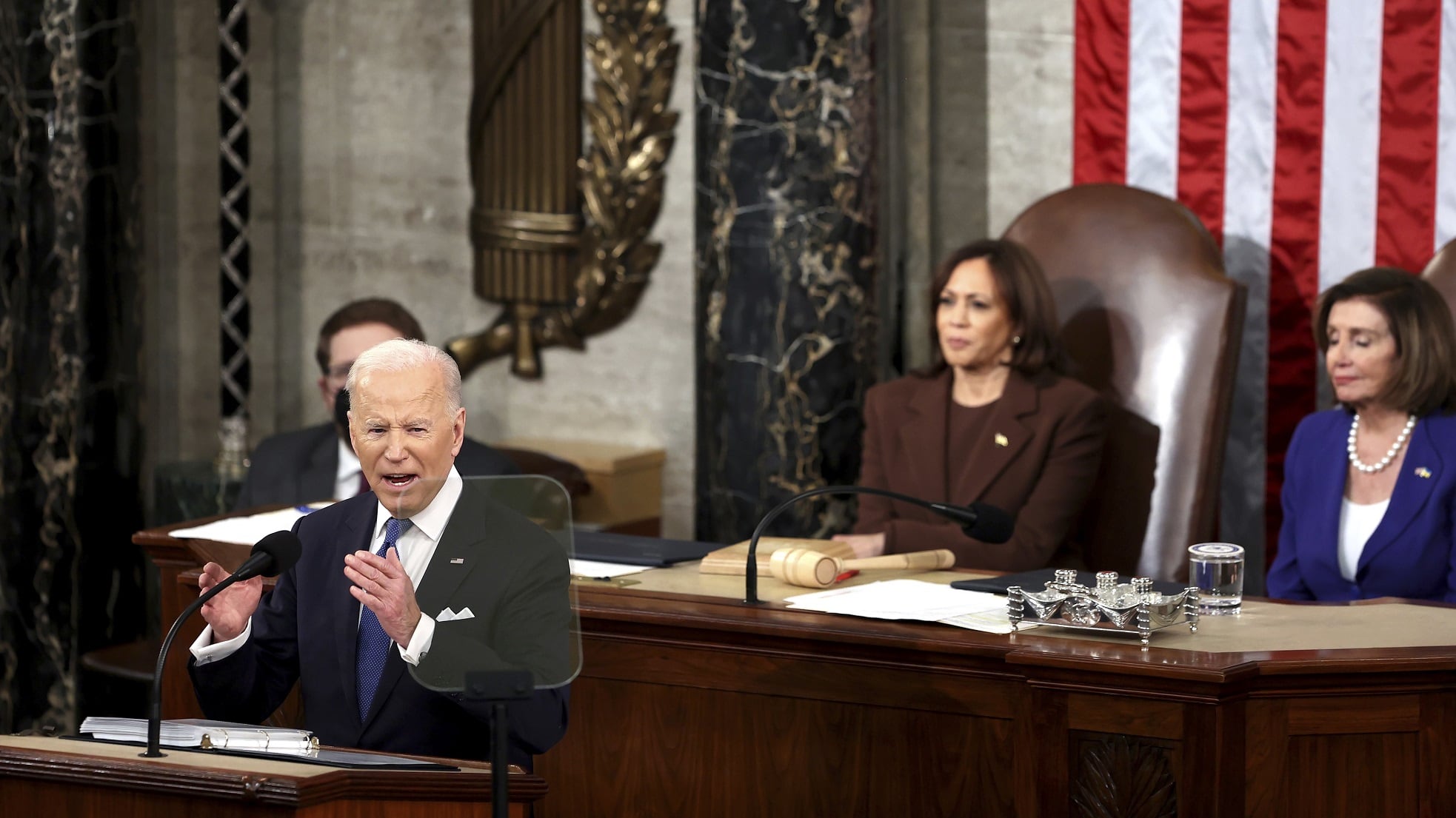
President Biden says the union is strong, Russia is attacking civilians, and Mardis Gras returns! Here is all you Need2Know for Wednesday, March 2, 2022.
World leaders are currently dealing with a handful of pressing issues, including Russia's invasion of Ukraine, inflation, and not to mention the COVID-19 pandemic; but it could be argued that the most pressing issue is one that has experienced its fair share of neglect in the past -- climate change. As tensions escalate between Russia and Ukraine, there is fear the focus on climate will once again be pushed aside. However, the White House appears to be making some effort to prevent that from happening. The White House Office of Science and Technology held a first-of-its-kind roundtable discussion with some of the nation's leading climate scientists on Thursday. Michael Mann, Director of the Earth System Science Center at Pennsylvania State University, and author of the book 'The New Climate War' joins Cheddar News' Closing Bell to discuss his experience as one of the climate scientists at the White House event.
U.S. stocks rebounded to end higher on Thursday after President Biden announced new sanctions against Russia following the country's attack on Ukraine. The Dow was down 859 points at its lowest point of the session, before ultimately finishing the day in the green. Melissa Armo, founder and owner of the Stock Swoosh, joins Cheddar News' Closing Bell to discuss.
Professional golfer Phil Mickelson issued an apology this week after facing backlash over comments he made in support of a golf tour backed by Saudi Arabia. The proposed golf league is called the Super Golf League and is funded by the Public Investment Fund, the financial arm of the Saudi government. Mickelson faced criticism after seeming to imply that he was willing to overlook the Middle Eastern country's human rights record in order to create a league that would rival the PGA Tour. David Salituro, PGA sportswriter for fansided.com, joins Cheddar News' Closing Bell to discuss.
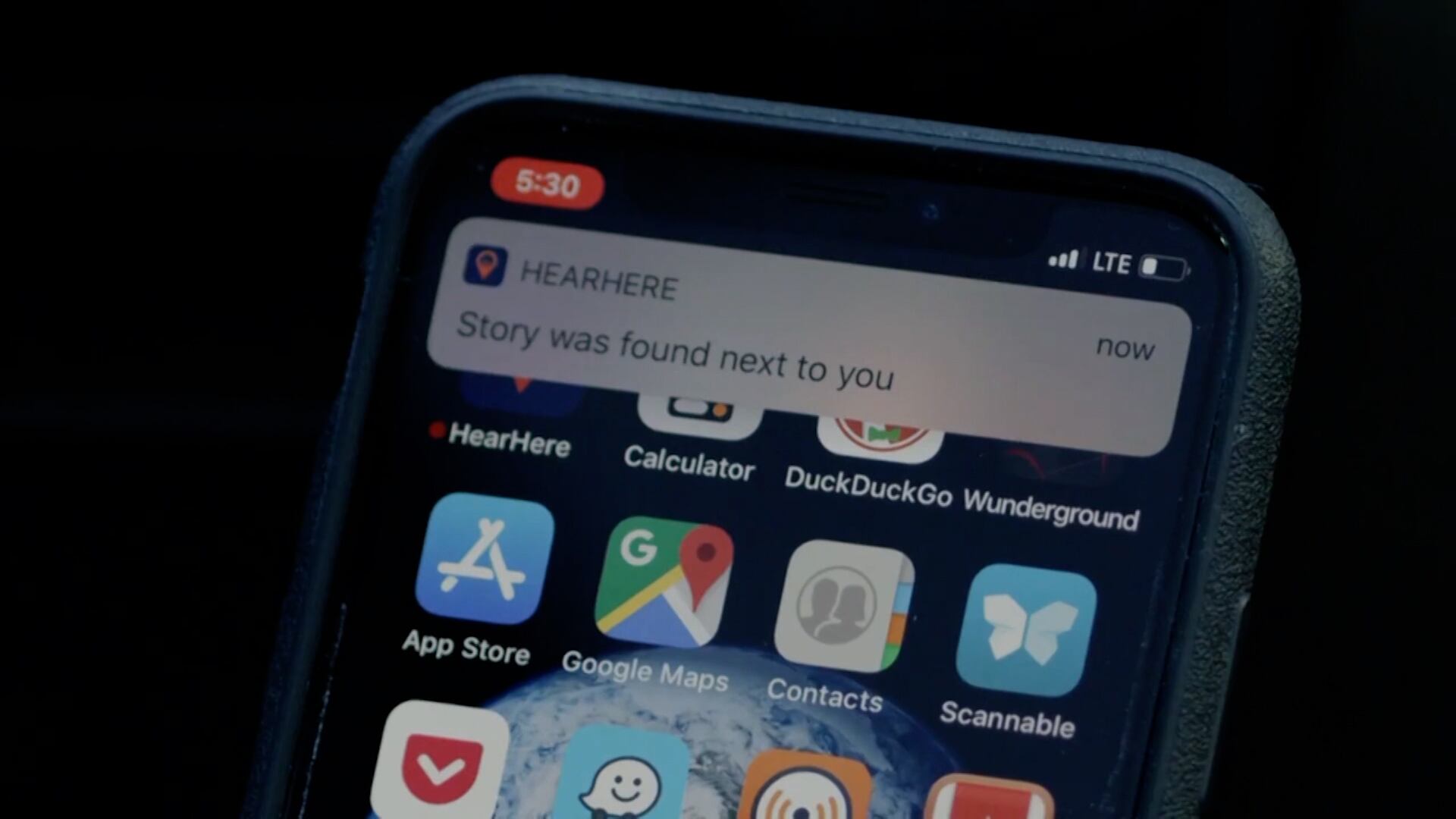
HearHere bills itself as a mobile audio entertainment app for road trips. The company just announced $3.2 million in seed funding led by Camping World, a retail company that sells recreational vehicles and camping supplies. HearHere's GPS-powered app offers over 8,880 stories across the continental U.S. and serves up the stories based on a users' geographic location and interests. The stories are narrated by some big-name celebrities including actor Kevin Costner, who is a co-founder of the company. Woody Sears, co-founder and CEO of HearHere, joins Cheddar News' Closing Bell to discuss.
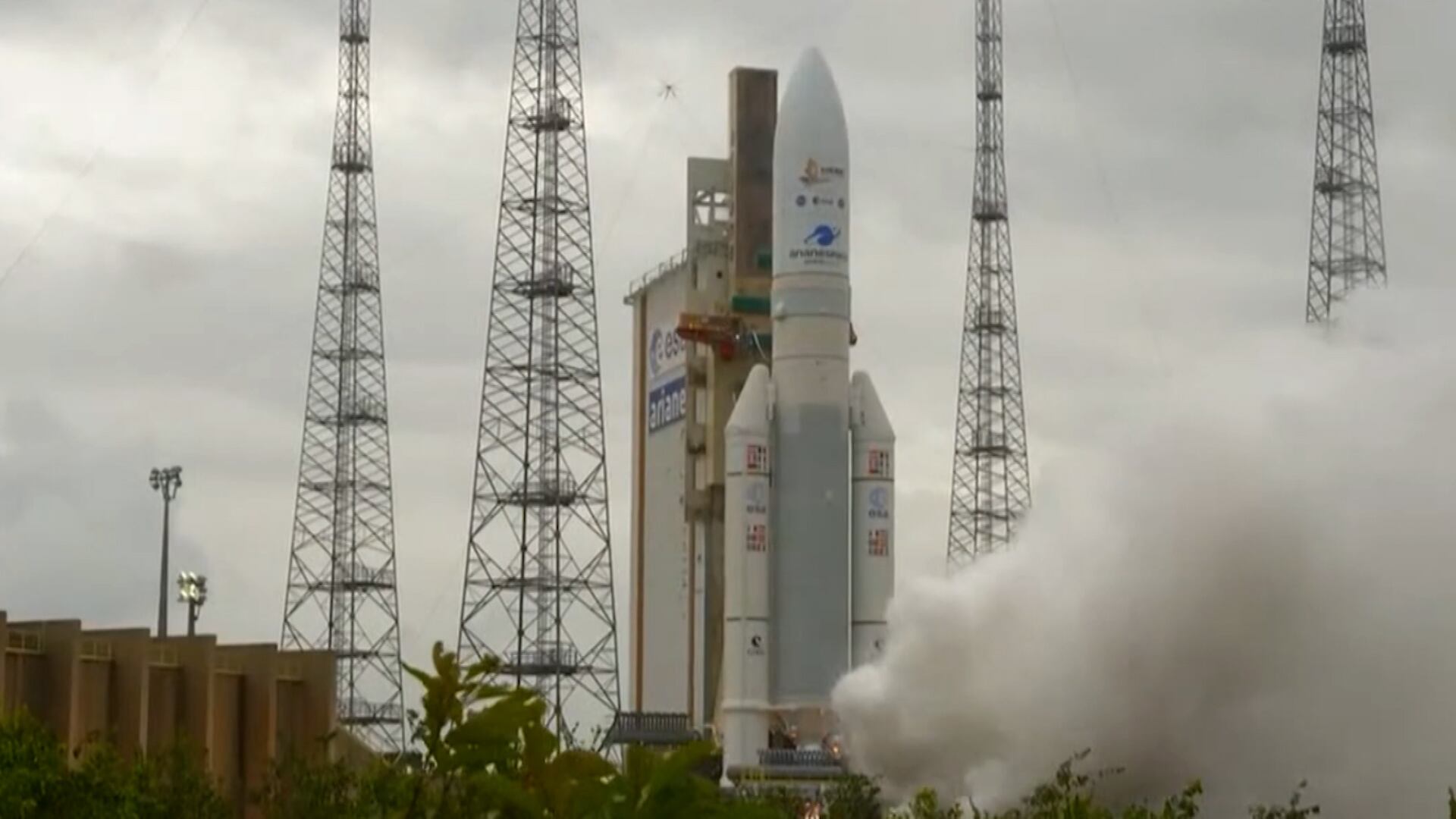
On December 25, 2021, NASA got into the holiday spirit by launching the James Webb Space Telescope, the largest and most powerful space science observatory in history.
It is intended to succeed the Hubble Space Telescope as NASA's flagship mission in astrophysics and is able to view objects too old and distant for Hubble. Gregory Robinson, director of NASA's James Webb Space Telescope program, joins Cheddar News' Closing Bell to discuss the mission. "I think a lot of what we don't know today is what I'm expecting to find and certainly really understand what took place more than 13.5 billion years ago and see the formation of some of the first galaxies in our universe," said Robinson.