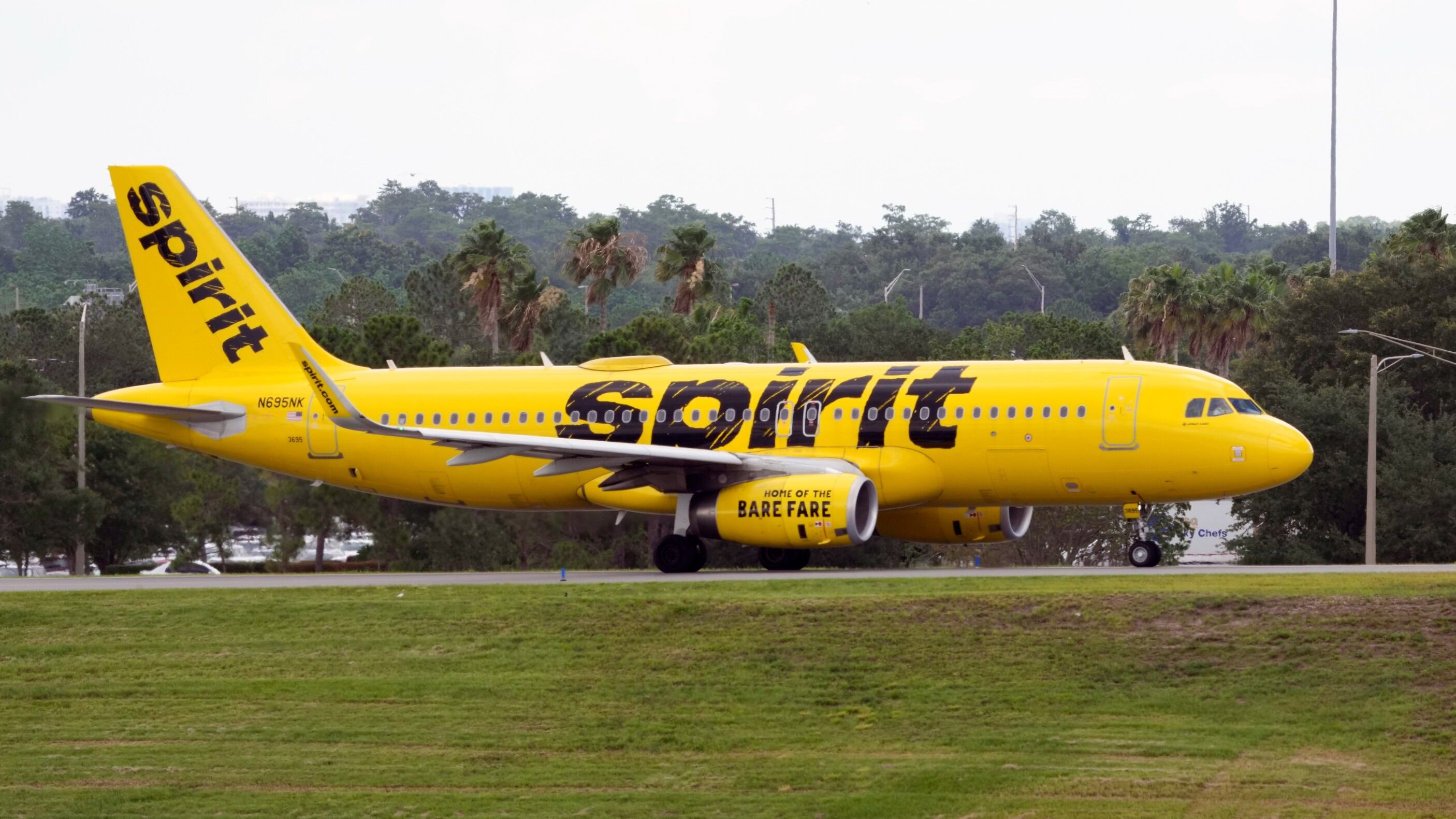
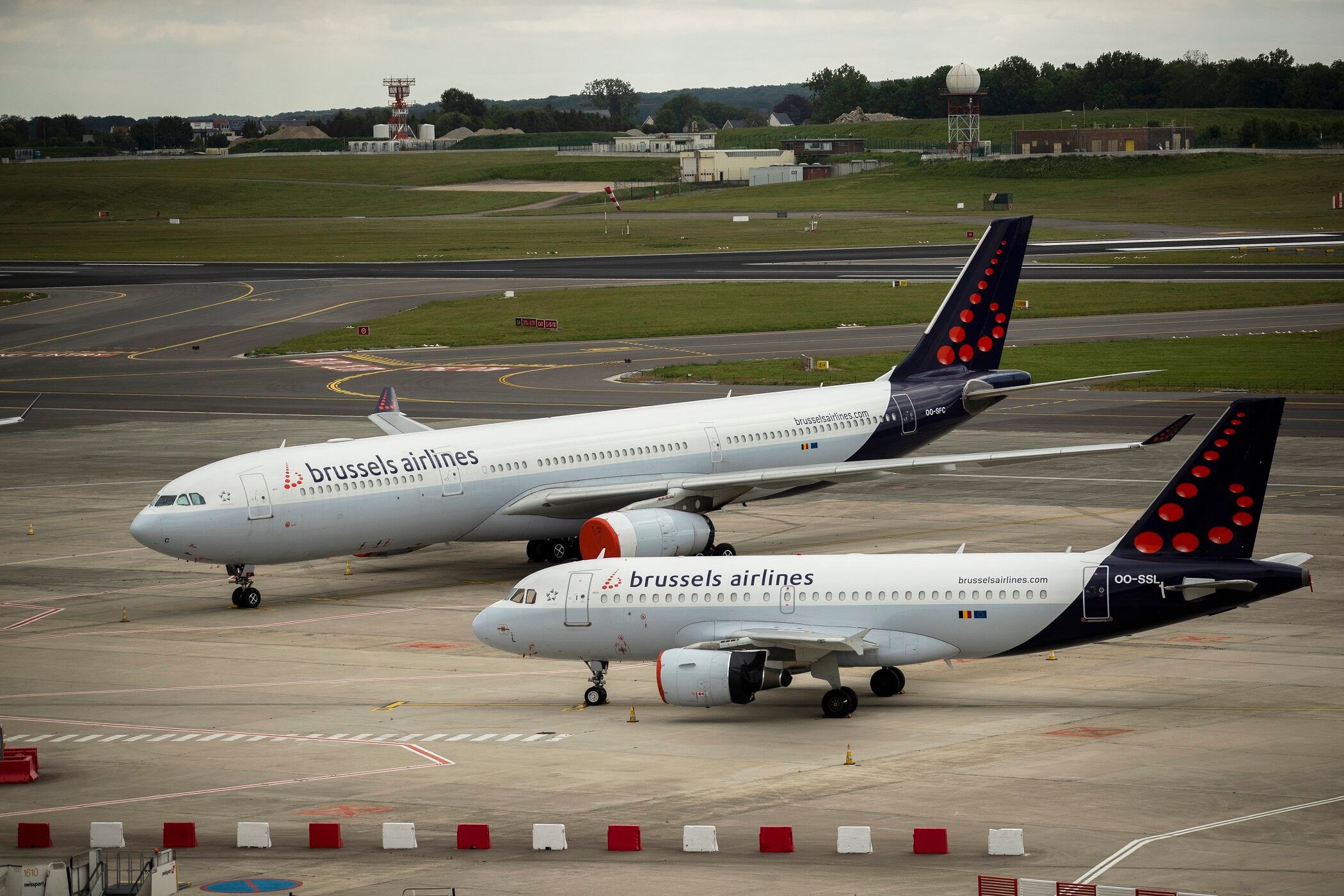
Spirit Airlines canceled about 100 flights on Friday after pulling some planes out of service for inspections, and the airline expects the disruptions to last several days.
Spirit did not describe the nature of the inspections and did not respond when asked for further information.
By Friday afternoon, Spirit had canceled 11% of its schedule for the day, easily the highest percentage of scrubbed flights among leading U.S. carriers, according to tracking service FlightAware.
“We’ve cancelled a portion of our scheduled flights to perform a necessary inspection of a small section of 25 of our aircraft,” Spirit said in a statement. “The impact to our network is expected to last several days as we complete the inspections and work to return to normal operations.”
The Federal Aviation Administration said it was aware of Spirit's decision to pull the planes from service for a “mandatory maintenance inspection." The FAA did not describe the inspections either, but said it "will ensure that the matter is addressed before the airplanes are returned to service.”
Spirit had 198 planes as of June 30, all of them variants of the Airbus A320 family, according to a company regulatory filing.
The airline told customers to check the status of their flight before going to the airport.
About half of the Spirit cancellations were at Florida’s Orlando International Airport, where Spirit is the second-largest carrier.
Spirit, which is based in Miramar, Florida, has canceled more than 3,600 flights this year, or 1.5% of its schedule. That is lower than the 2% cancellation rate at Frontier Airlines, a similar budget carrier, and rates for JetBlue Airways and United Airlines.
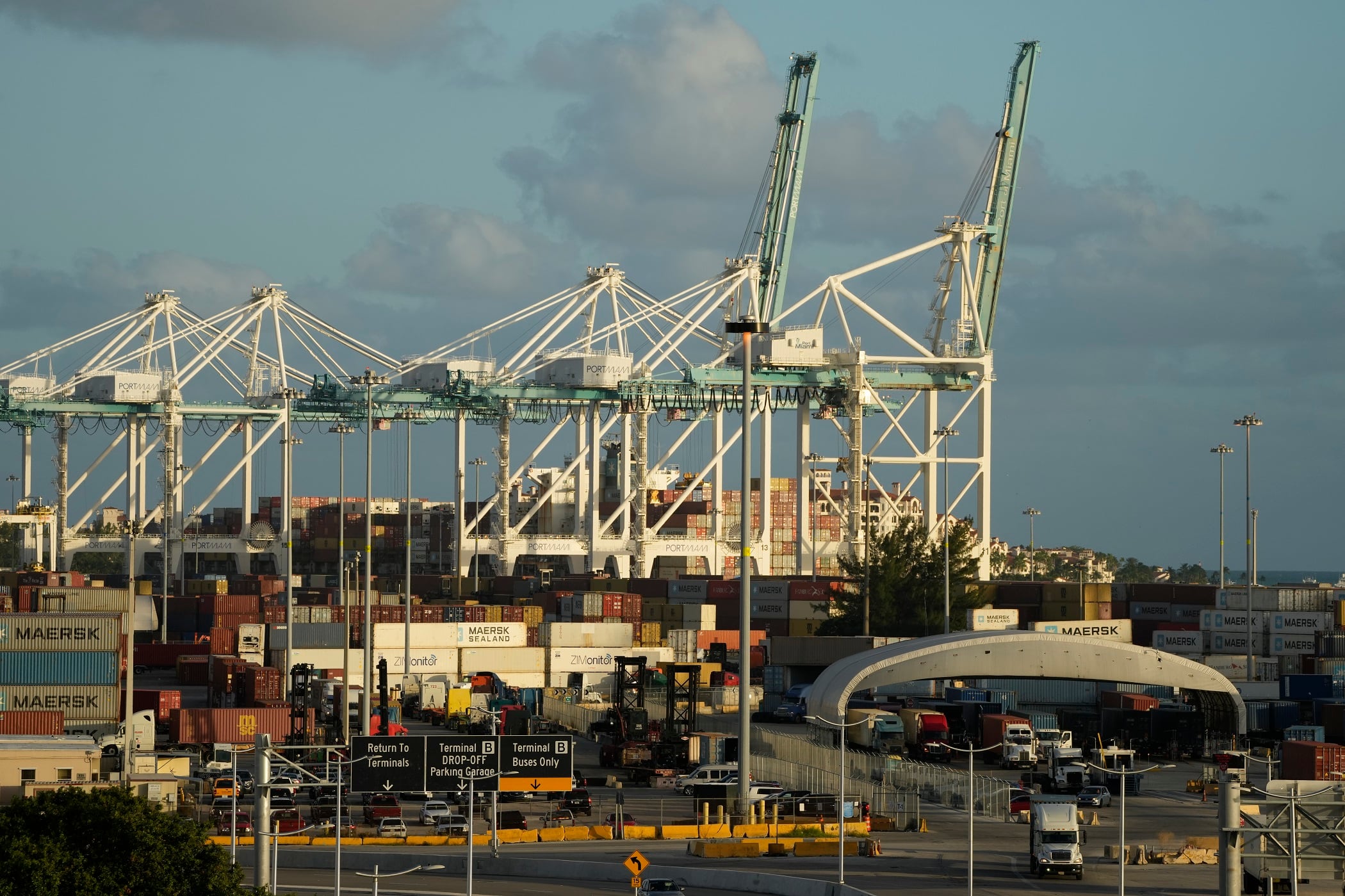
2021's supply chain woes are quickly becoming a 2022 problem as well. Here's what experts are anticipating for Year Two of the supply chain crisis.
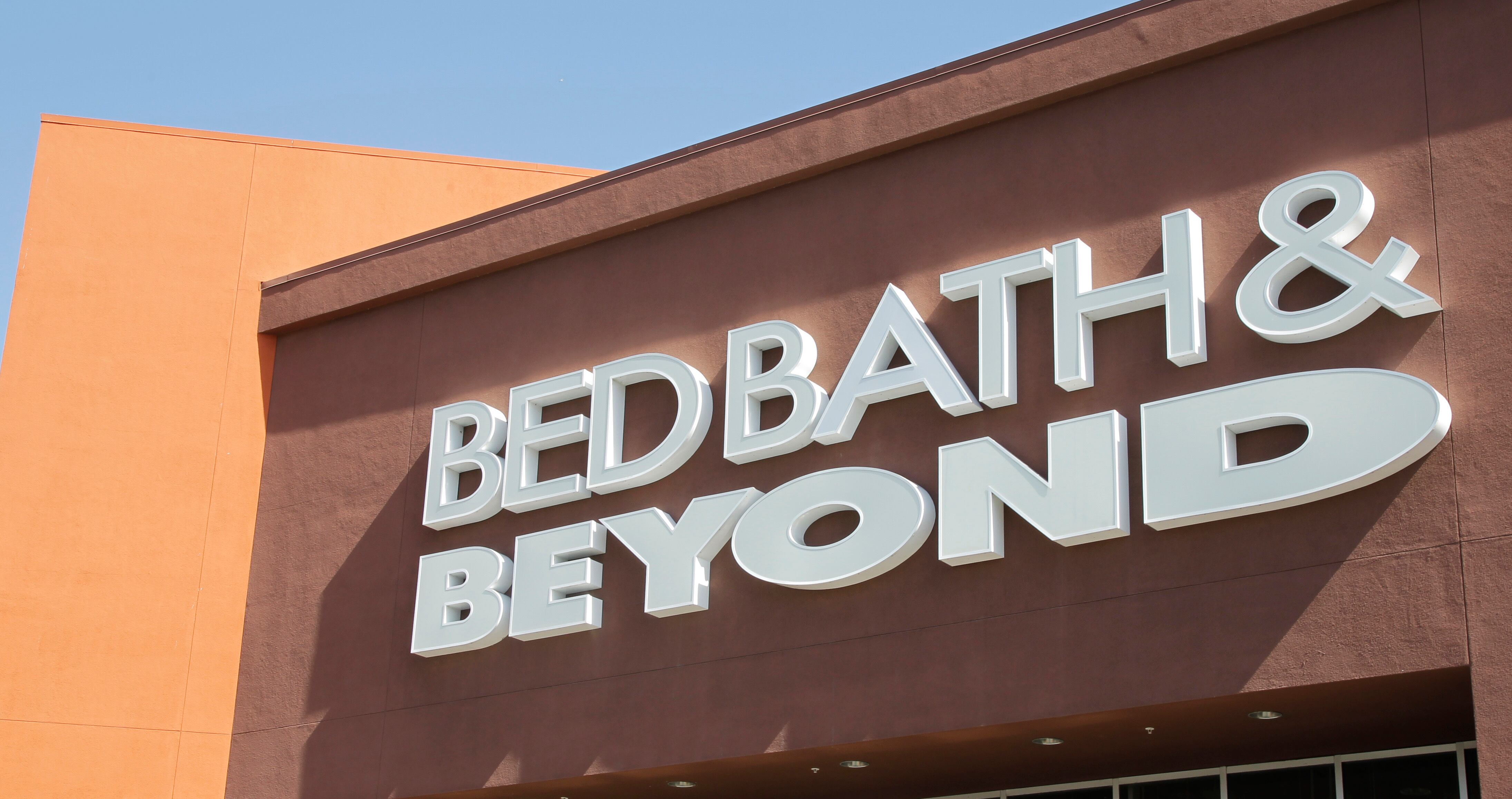
Losses widened at Bed Bath & Beyond as a tangled global supply chain continued to squeeze sales and the home goods chain lowered expectations for its final fiscal quarter, and also its full-year revenue.
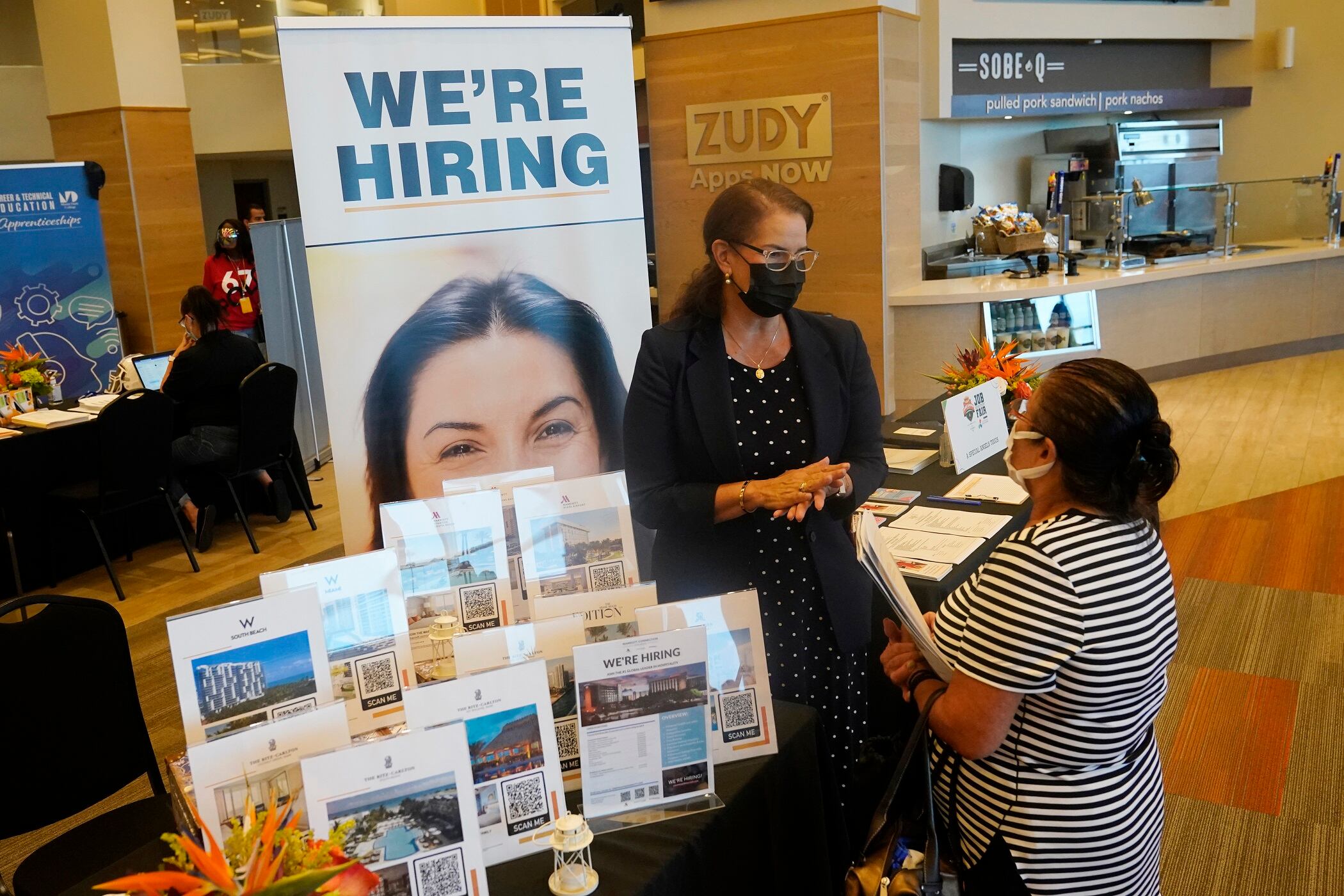
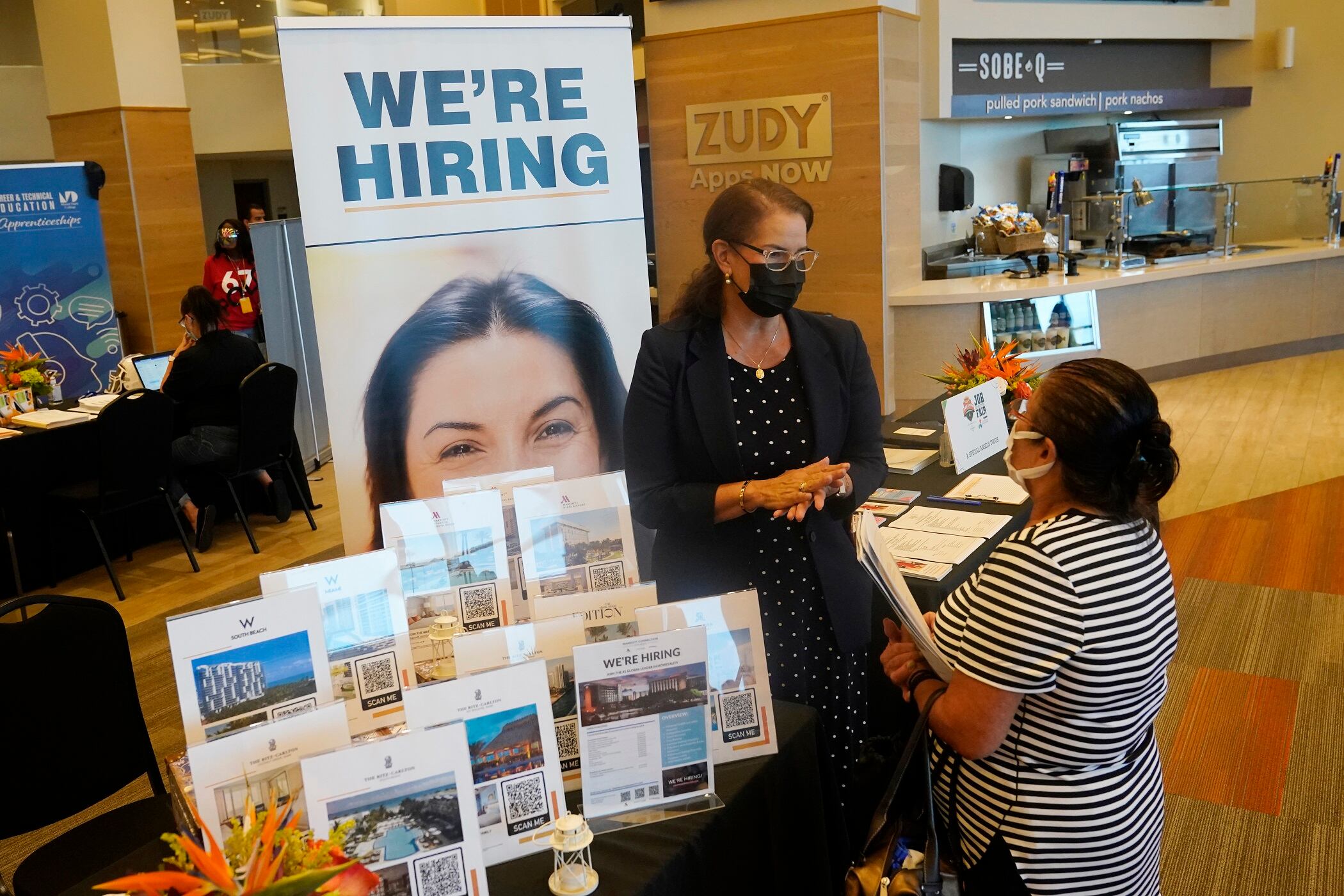
U.S. employers added a modest 199,000 jobs last month while the unemployment rate fell sharply, at a time when businesses are struggling to fill jobs with many Americans remaining reluctant to return to the workforce.
Europe's sky is filling up with near-empty flights that even airlines admit serve no purpose except securing valuable time slots at some of the world's biggest airports.
Stocks ended lower on Wall Street Friday and Treasury yields rose as investors anticipated the Federal Reserve will stay on course to raise interest rates as soon as March.
Sylvia Jablonski, Co-Founder & CIO of Defiance ETFs, discusses the many challenges markets face in 2022, and how inflation is impacting consumer spending and tech demand.
More declines in big technology stocks pulled major indexes lower on Wall Street, driving the market further into the red on the first week of the year.
Federal Reserve policymakers at a meeting last month said the U.S. job market was nearly at levels healthy enough that the central bank's low-interest rate policies were no longer needed.
Stocks closed lower on Wall Street Wednesday after minutes from the Federal Reserve’s last meeting raised expectations that the central bank will move faster to raise interest rates to fight inflation.
A record 4.5 million American workers quit their jobs in November, a sign of confidence and more evidence that the U.S. job market is bouncing back strongly from last year’s coronavirus recession.