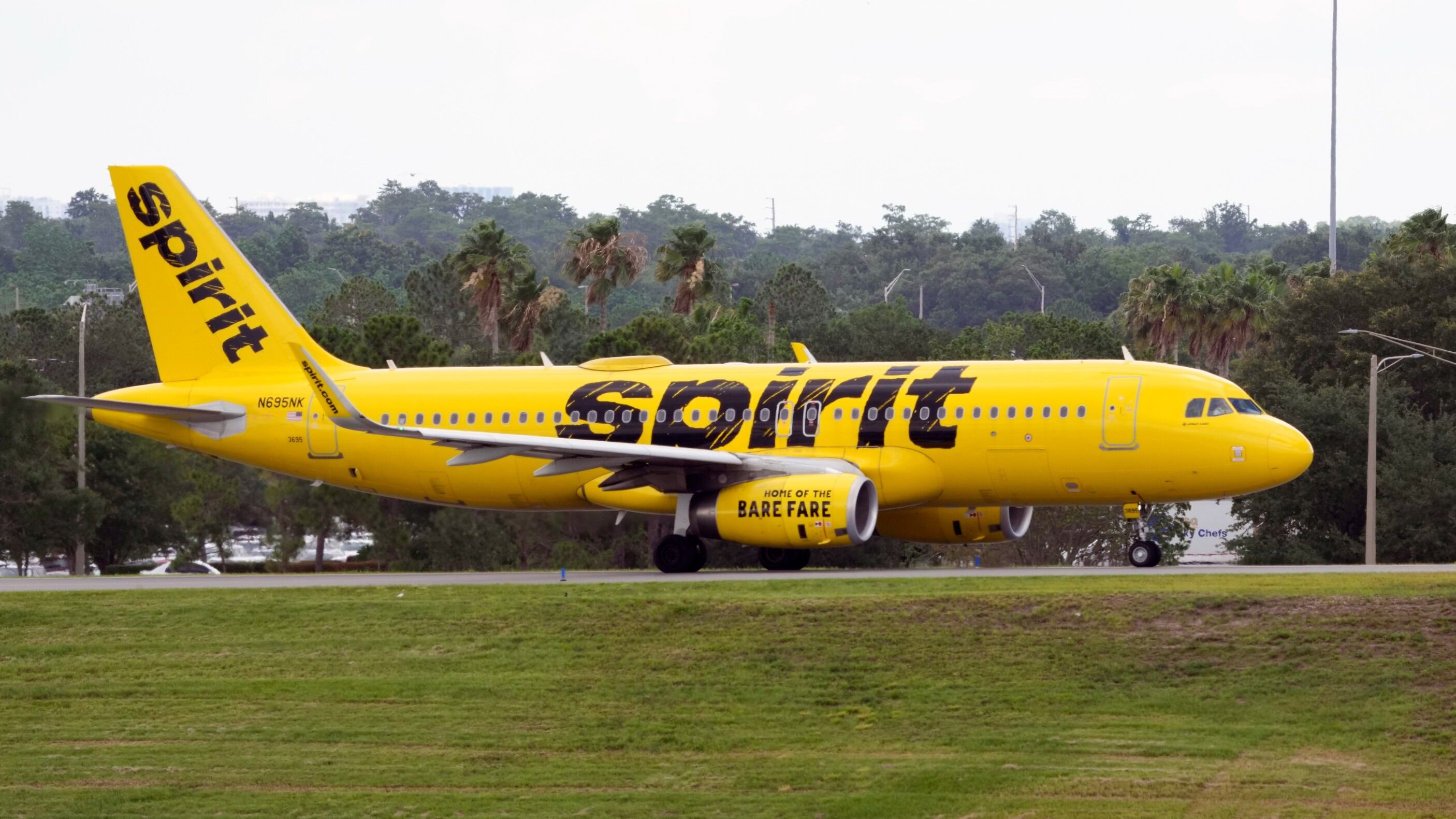
A Spirit Airlines plane taxis to a runway at Orlando International Airport Thursday, June 1, 2023, in Orlando, Fla. (AP Photo/John Raoux, File)
Spirit Airlines canceled about 100 flights on Friday after pulling some planes out of service for inspections, and the airline expects the disruptions to last several days.
Spirit did not describe the nature of the inspections and did not respond when asked for further information.
By Friday afternoon, Spirit had canceled 11% of its schedule for the day, easily the highest percentage of scrubbed flights among leading U.S. carriers, according to tracking service FlightAware.
“We’ve cancelled a portion of our scheduled flights to perform a necessary inspection of a small section of 25 of our aircraft,” Spirit said in a statement. “The impact to our network is expected to last several days as we complete the inspections and work to return to normal operations.”
The Federal Aviation Administration said it was aware of Spirit's decision to pull the planes from service for a “mandatory maintenance inspection." The FAA did not describe the inspections either, but said it "will ensure that the matter is addressed before the airplanes are returned to service.”
Spirit had 198 planes as of June 30, all of them variants of the Airbus A320 family, according to a company regulatory filing.
The airline told customers to check the status of their flight before going to the airport.
About half of the Spirit cancellations were at Florida’s Orlando International Airport, where Spirit is the second-largest carrier.
Spirit, which is based in Miramar, Florida, has canceled more than 3,600 flights this year, or 1.5% of its schedule. That is lower than the 2% cancellation rate at Frontier Airlines, a similar budget carrier, and rates for JetBlue Airways and United Airlines.
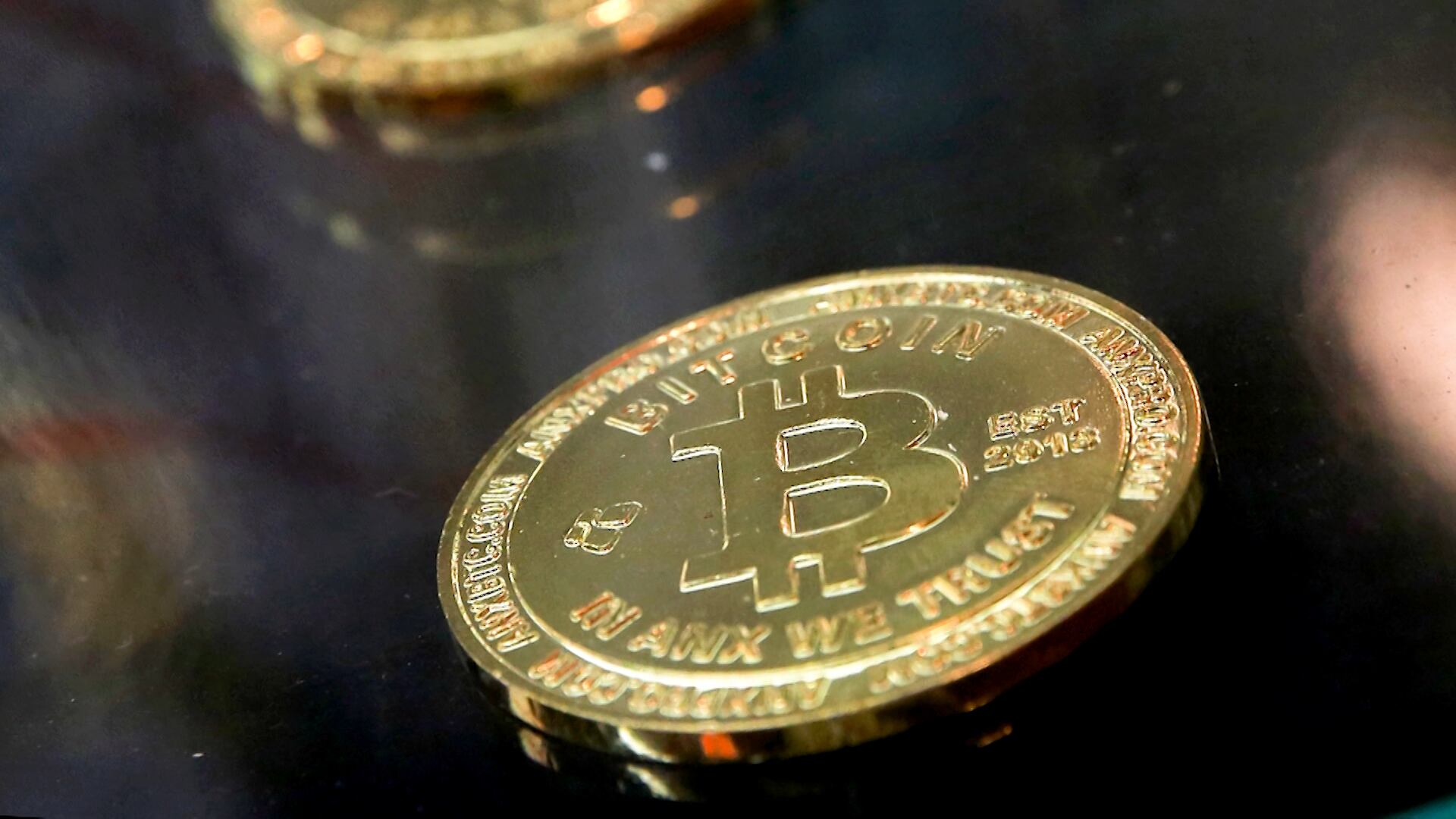
Steve Ehrlich, Co-Founder & CEO of Voyager Digital, breaks down the economic factors impacting Bitcoins performance and outlines ways to hedge against rising inflation.
The Mobile World Congress is underway in Barcelona this week. The annual global trade show is showcasing the latest advancements in mobile and other progressive technologies.
Katie Collins, Senior European Correspondent, CNET joined Cheddar's Opening Bell to break down the latest announcements.
Rolf Illenberger, Founder & CEO of VRdirect, discusses how businesses are using virtual reality and talks about the importance of VR training in a remote work environment.
NerdWallet reported strong fiscal Q4 results in its first earnings report as a publicly traded company. The personal finance company saw revenue increase 75 percent year-over-year as the company witnessed a rebound in consumer demand as the pandemic wanes. Tim Chen, Founder & CEO, NerdWallet joined Cheddar's Opening Bell to discuss.
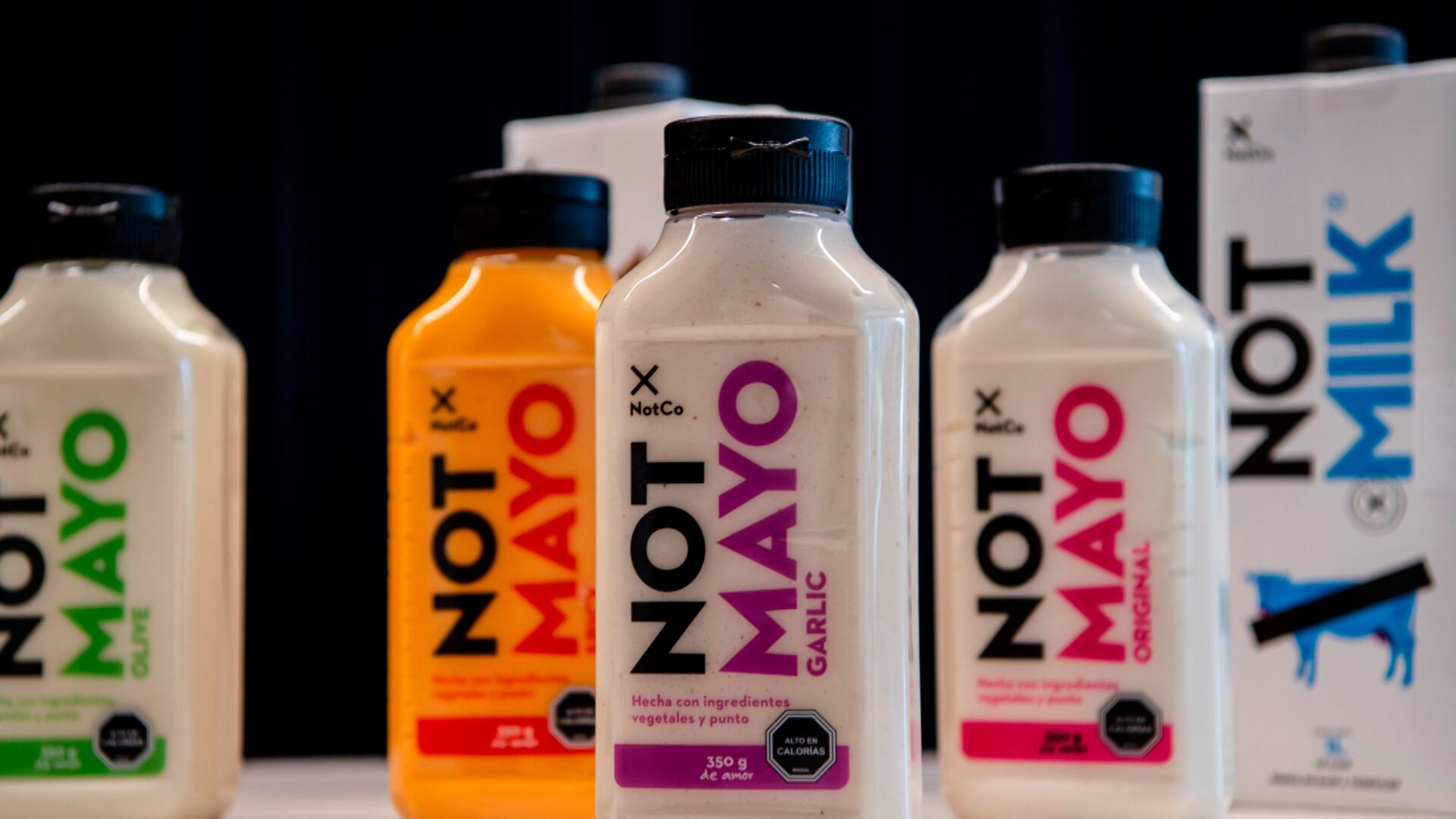
Kraft Heinz is launching a new joint venture with NotCo, a Chilean startup that creates plant-based substitutes using artificial intelligence. The goal is to reimagine global food production and bring plant-based versions of Kraft Heinz products to market at a faster speed, all while driving sustainability. Matias Muchnik, CEO and Co-Founder of NotCo, joined Cheddar's Opening Bell to discuss the partnership, NotCo's technology, and his response to the backlash against the ingredients in meatless meat.
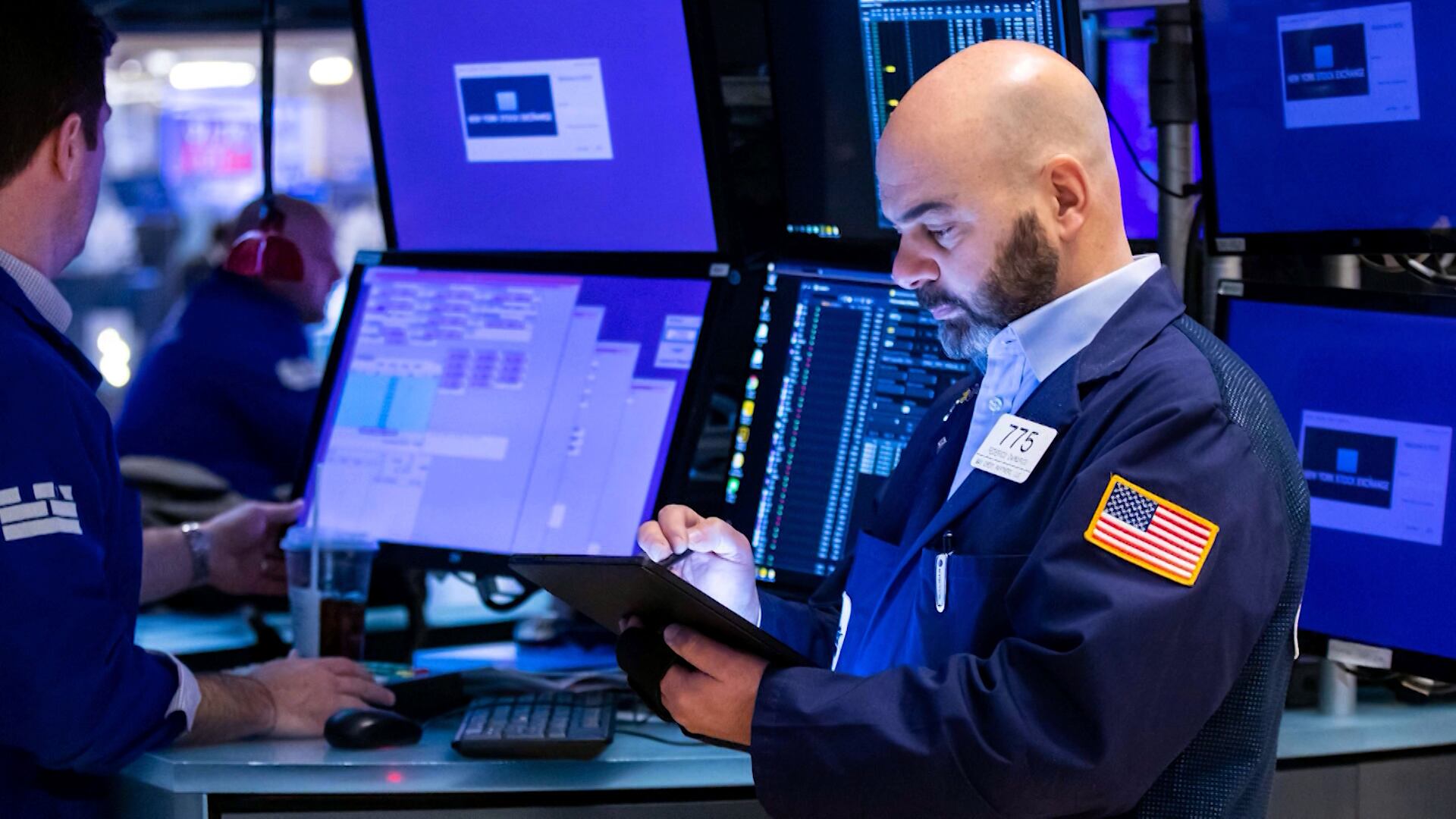
Ross Mayfield, Investment Strategy Analyst at Baird, discusses how companies with international exposure are impacting U.S. investors and highlights which industries are navigating geopolitical conflict.
Jim Bruderman, Vice Chairman of 1879 Advisors, discusses how markets are navigating the Russia-Ukraine conflict and spotlights areas within tech that could rebound.
Christian Ledoux, Director of Investment Research at CAPTRUST, talks about the ripple effect Russia's invasion of Ukraine is having on U.S. markets and outlines ways investors are navigating volatility.
Craig Fehr, Principal & Investment Strategist at Edward Jones, talks about the major risks to the markets and which industries are poised for growth in the near term.
Rob Haworth, Senior Investment Strategist at U.S. Bank Wealth Management, discusses how Markets can navigate geopolitical conflict and whether the Fed will take an aggressive stance on inflation.