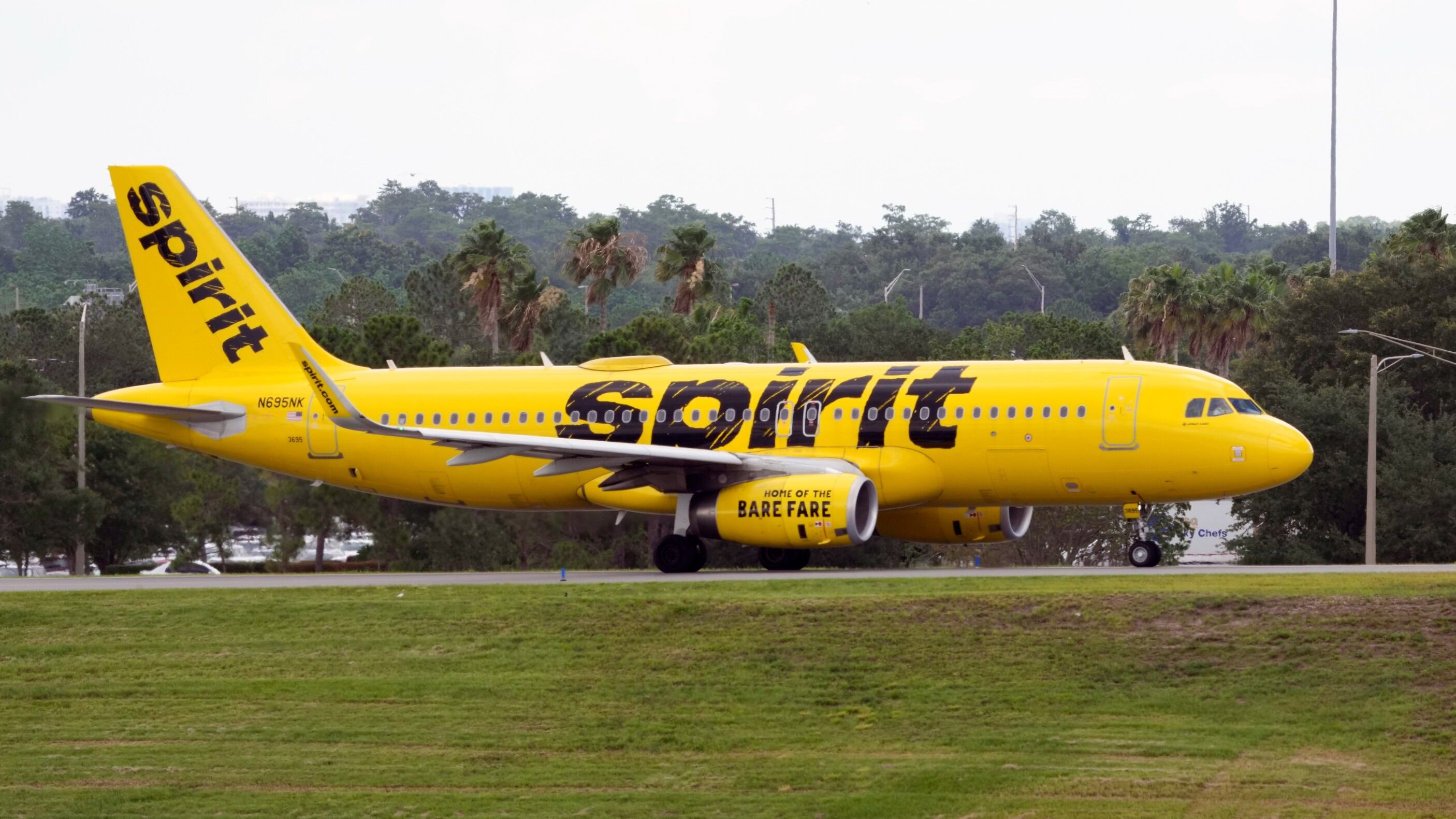
A Spirit Airlines plane taxis to a runway at Orlando International Airport Thursday, June 1, 2023, in Orlando, Fla. (AP Photo/John Raoux, File)
Spirit Airlines canceled about 100 flights on Friday after pulling some planes out of service for inspections, and the airline expects the disruptions to last several days.
Spirit did not describe the nature of the inspections and did not respond when asked for further information.
By Friday afternoon, Spirit had canceled 11% of its schedule for the day, easily the highest percentage of scrubbed flights among leading U.S. carriers, according to tracking service FlightAware.
“We’ve cancelled a portion of our scheduled flights to perform a necessary inspection of a small section of 25 of our aircraft,” Spirit said in a statement. “The impact to our network is expected to last several days as we complete the inspections and work to return to normal operations.”
The Federal Aviation Administration said it was aware of Spirit's decision to pull the planes from service for a “mandatory maintenance inspection." The FAA did not describe the inspections either, but said it "will ensure that the matter is addressed before the airplanes are returned to service.”
Spirit had 198 planes as of June 30, all of them variants of the Airbus A320 family, according to a company regulatory filing.
The airline told customers to check the status of their flight before going to the airport.
About half of the Spirit cancellations were at Florida’s Orlando International Airport, where Spirit is the second-largest carrier.
Spirit, which is based in Miramar, Florida, has canceled more than 3,600 flights this year, or 1.5% of its schedule. That is lower than the 2% cancellation rate at Frontier Airlines, a similar budget carrier, and rates for JetBlue Airways and United Airlines.
Identity and access management company ForgeRock looks to use pattern recognition and artificial intelligence to ease secure access for users as an alternative to just password management. CEO Fran Rosch joined Cheddar News to discuss how the company's services work. "I mean, who likes to set up and use a new password? And they're also really bad security because a lot of people repeat the same one and use it everywhere and use the simplest one possible," he said. "We're trying to really create a smarter better identity system where we can find different ways, smarter ways, of recognizing you as a user and giving you access to what you need by really eliminating the password altogether."
Ford announced today that it will be separating its electric vehicles business from its internal combustion engine vehicles in two divisions named Ford Model E and Ford Blue, respectively. Ford Motor Company CFO John Lawler joined Cheddar to discuss the decision-making behind the restructuring. "When you think about the expertise that Ford has in like body structural engineering, chassis engineering, manufacturing at scale, there isn't an EV startup company out there that wouldn't love to have our capabilities in that space," he said.
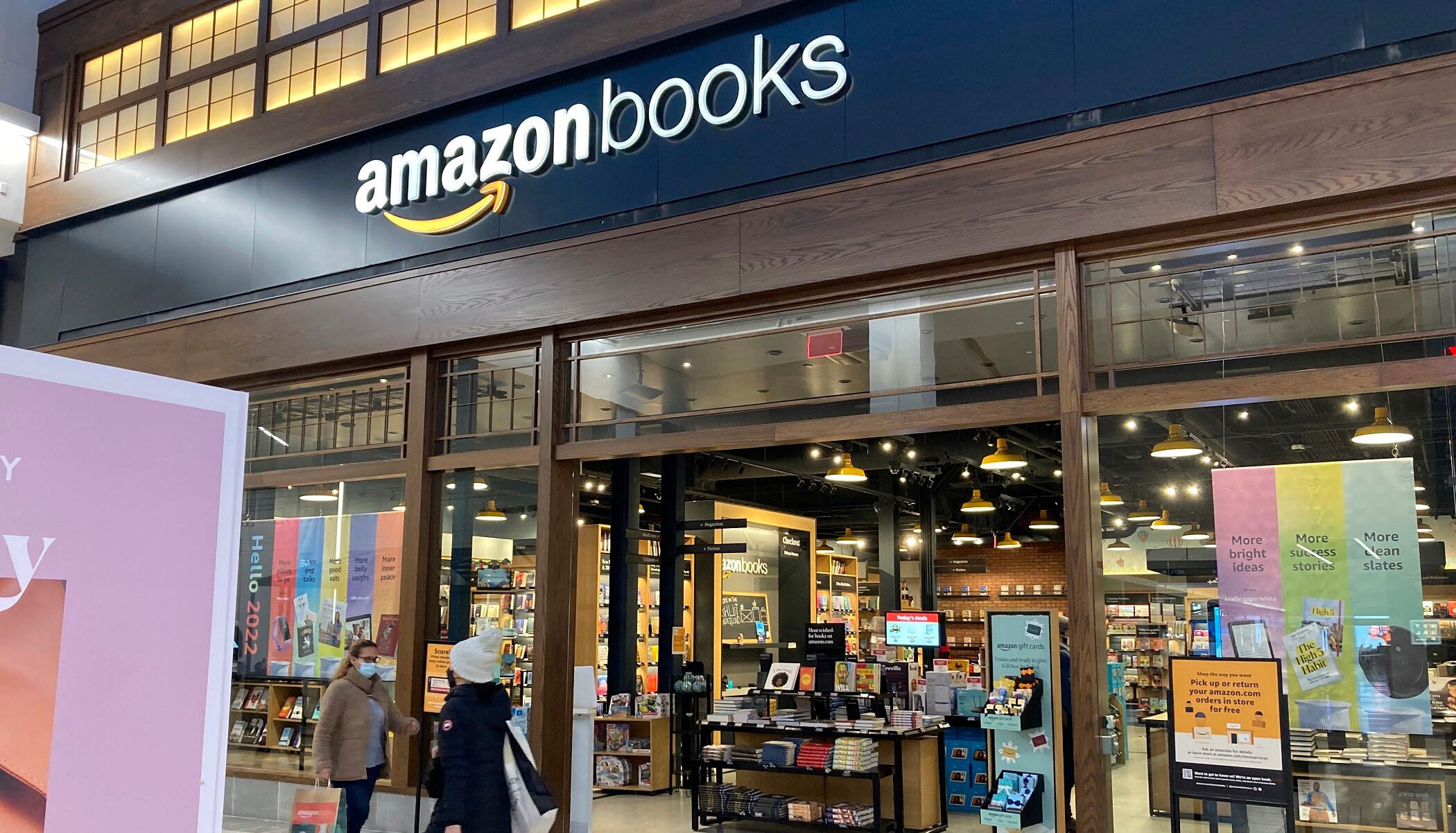
Amazon is confirming it’s closing all of its physical bookstores as well as its 4-star shops and pop up locations as the online behemoth reworks its physical footprint.
Vittorio Assaf, co-founder of Serafina, joins Cheddar News to discuss two new concepts from Serafina Restaurants in NYC: Cafe Serafina and Serafina To-Go. Assaf also talks about the company's new cookbook.
Maude Okrah, co-founder of Black Beauty Roster, joins Cheddar News to discuss how her company is working with WarnerMedia to provide diverse makeup and hair stylists for actors of color on set.
As energy costs soar, labor shortages continue, and supply disruptions sweep the nation, the annual inflation rate accelerates to the highest since 1982. However, some corporations are finding some silver linings. Paul Constant, the writer at civic ventures and cohost of "Pitchfork Economics" podcast, joins Cheddar News.
As Russia continues to invade Ukraine, its tech outsourcing sector is at risk. Over the past few years, the country has become a popular outsourcing destination for American and European tech companies, but now the future of that industry is uncertain. Isabelle Bousquette, enterprise technology reporter, for The Wall Street Journal, discusses what repercussions the crisis might have on the industry, and what companies are doing to mitigate possible disruptions.